

Chemical used to fight wildfires corroded US air tankers, NTSB reveals

4 min read
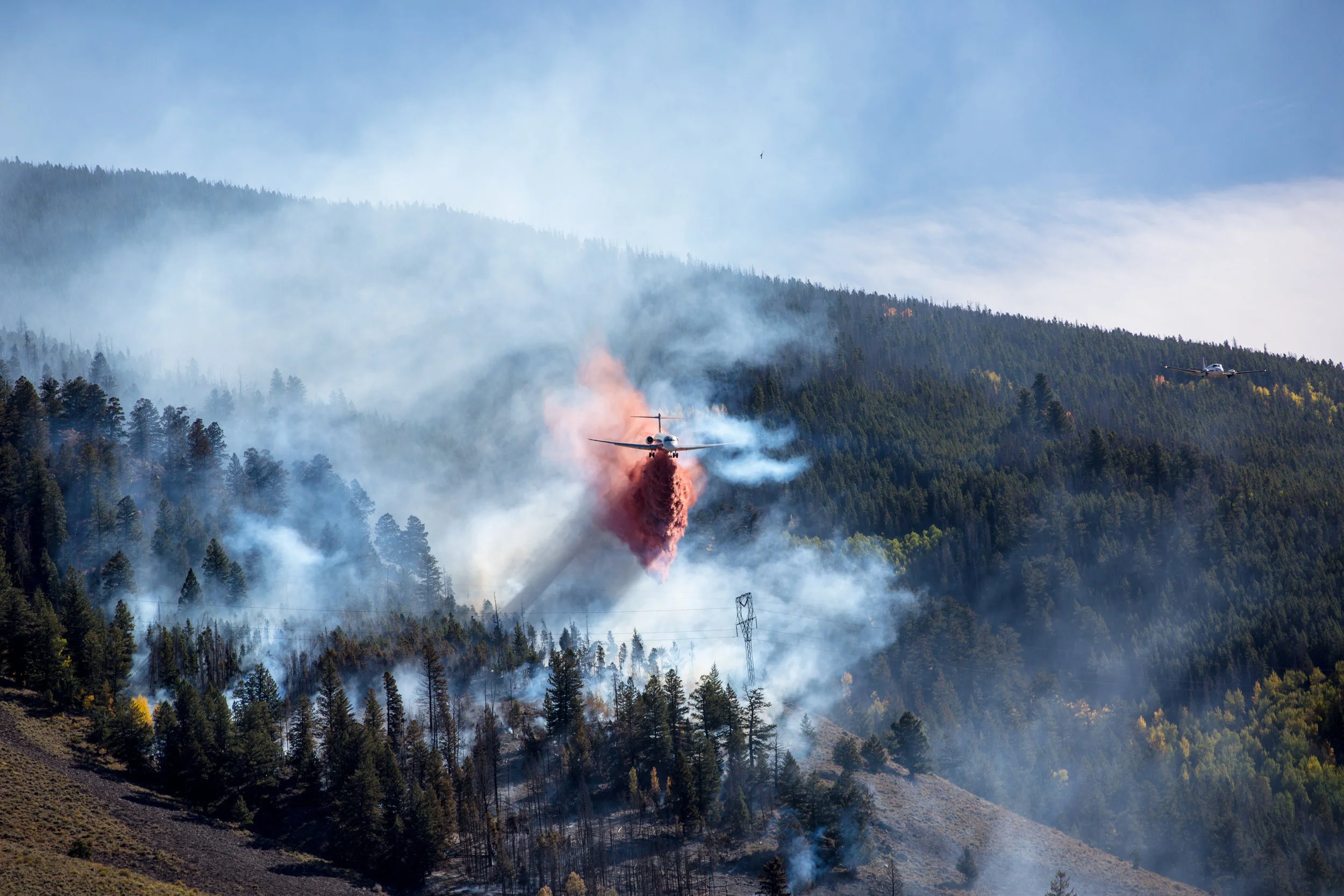

A fire retardant approved by the US Forest Service caused extensive corrosion in two firefighting aircraft, damaging critical wing structures, engines and electrical systems during the 2023 wildfire season, a federal investigation has found.
The National Transportation Safety Board (NTSB) said the chemical, Fortress FR-200, had been cleared for use without adequate testing of its effects on aircraft structures. The findings have prompted two safety recommendations calling for tougher approval standards.
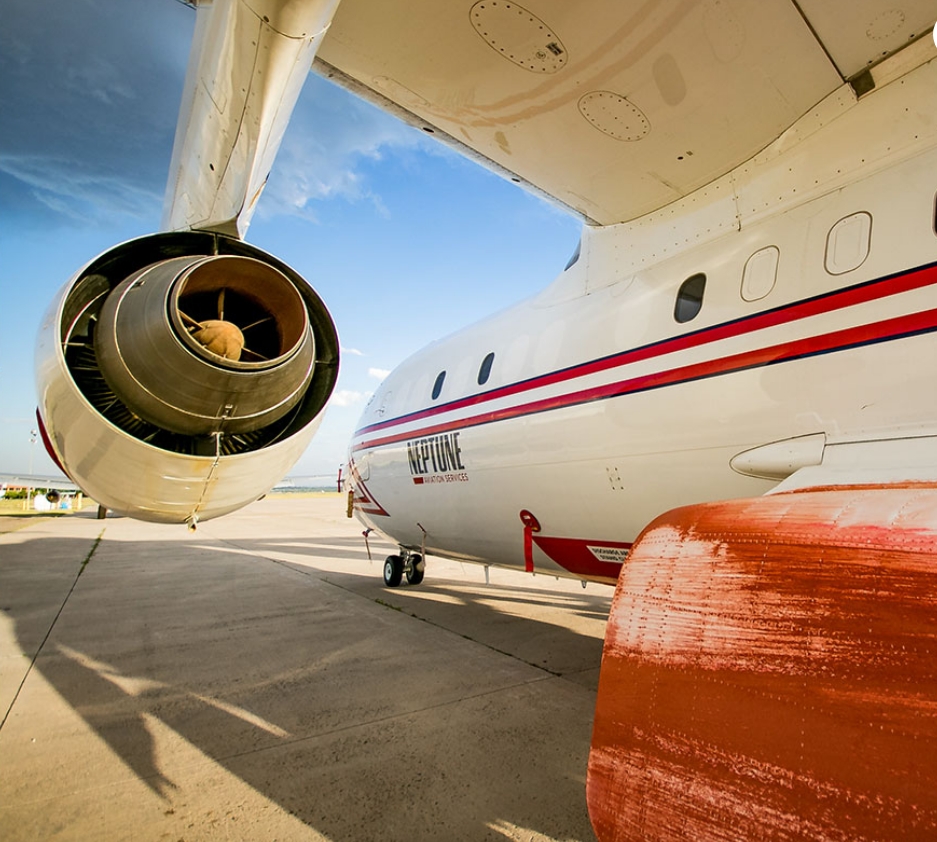
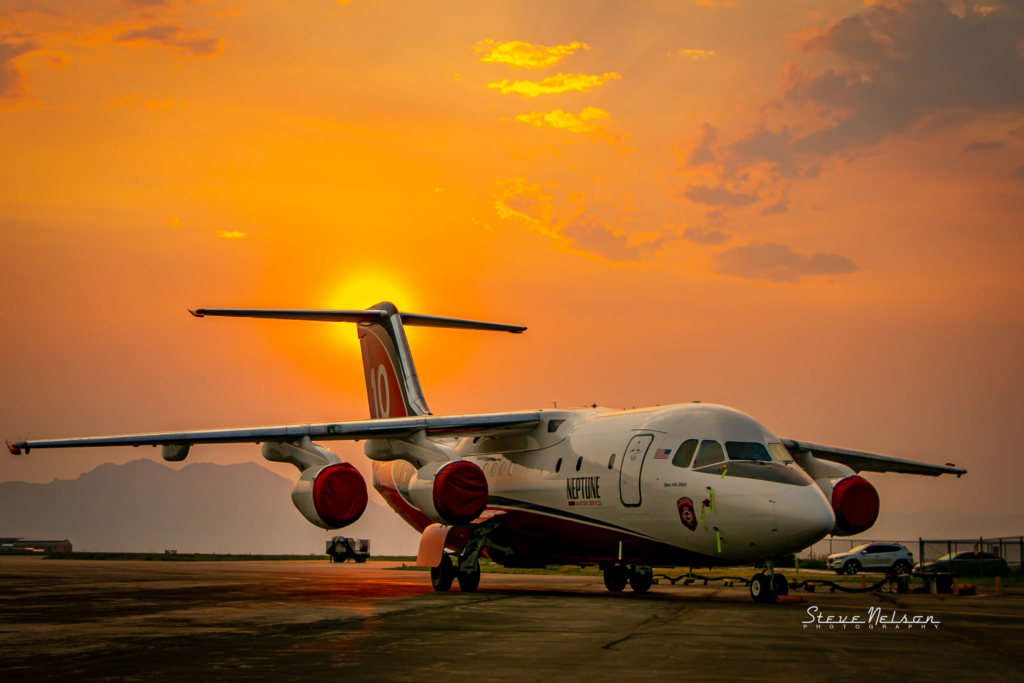
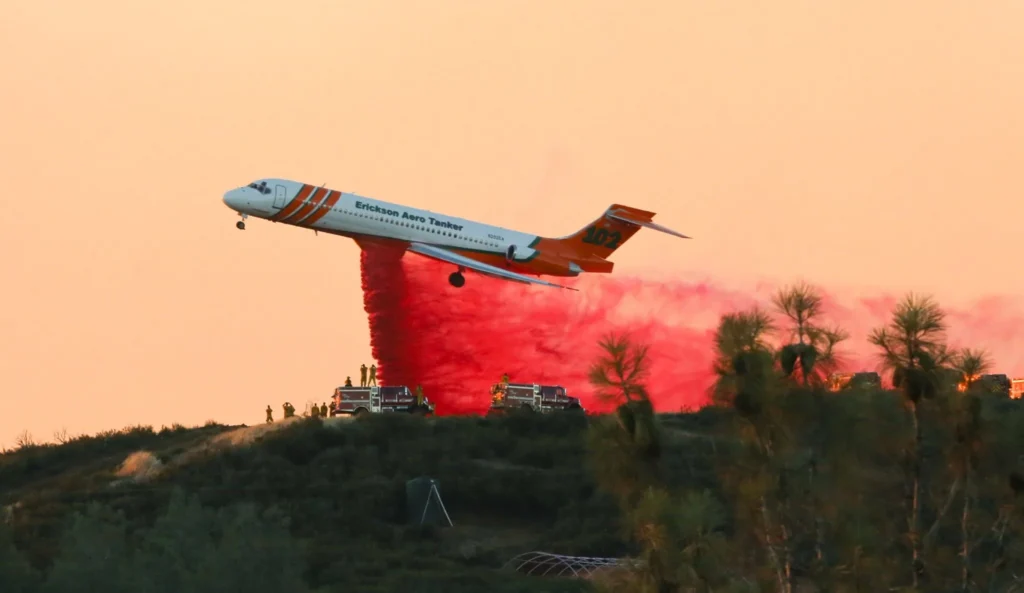
The investigation involved a BAe 146 operated by Neptune Aviation Services and an MD-87 operated by Aero Air. Both aircraft participated in a Forest Service trial of the magnesium chloride-based retardant.
The first indication of trouble came from maintenance inspections. What initially appeared to be deposits inside a retardant tank eventually led investigators to uncover damage extending well beyond the aircraft’s firefighting equipment.
A strange discovery inside the aircraft
On 16 July 2023, maintenance crews entered Neptune Aviation’s BAe 146 retardant tank after repeated problems with its liquid-level indication system. The aircraft had completed 64 drops of the new chemical.
Inside, technicians found black residue, hard crystalline deposits and a gelatinous substance resembling yoghurt. Much of the softer material washed away with water, but the crystals remained attached to components.
The problems persisted. By early August, after 107 drops, further deposits had accumulated around tank floats, switches and structural fasteners.
Aero Air’s MD-87 was showing different signs of deterioration. After just 20 loads of FR-200, inspectors found pitting on metal test samples inside its tank. In August, they discovered corrosion on two steel springs used to secure a tank ventilation door. One had fractured.
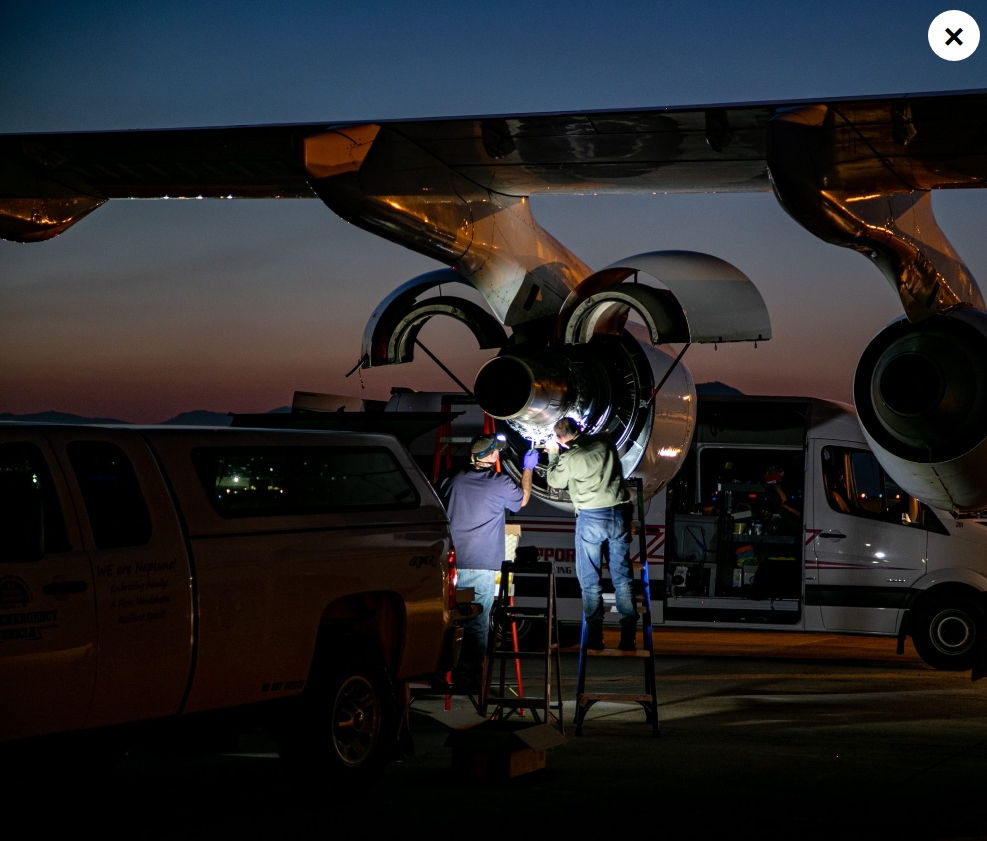
The full extent of the damage emerged during detailed inspections after the firefighting season.
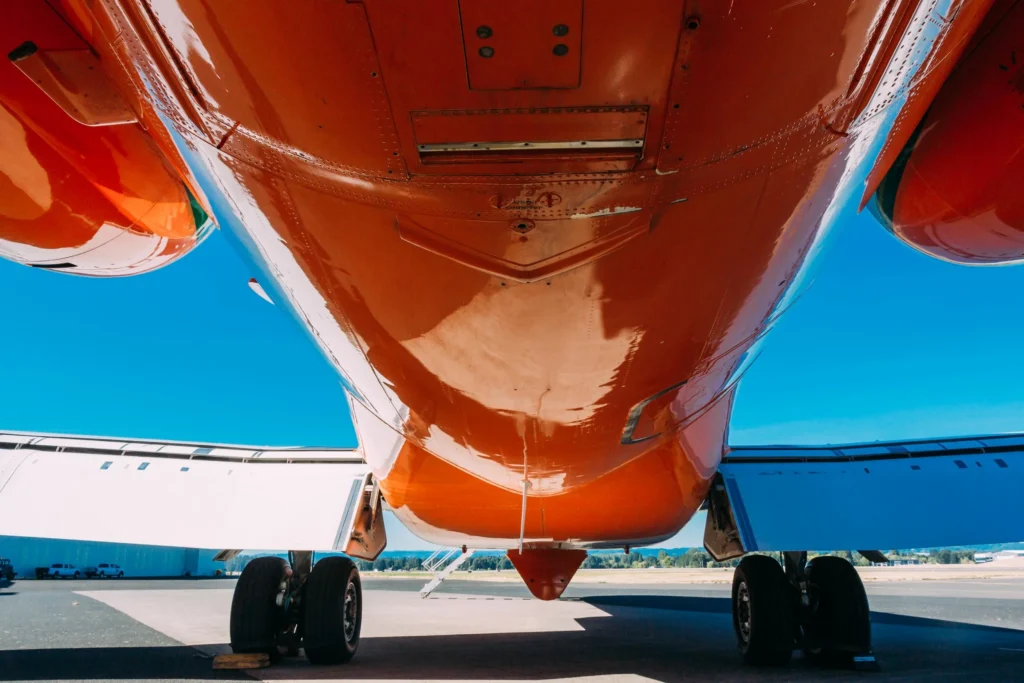
On the MD-87, corrosion had affected primary wing structure, fuselage components, landing gear assemblies, electrical connectors, control cables and engines.
One structural component near the wing root had suffered corrosion extending through more than half its thickness in an affected area. Aero Air replaced the damaged section, along with more than 90 electrical connectors and several control cables.
Engine inspections revealed further problems. Technicians rejected 61 parts or modules from one engine and 53 from another because of excessive corrosion or contamination.
The speed of deterioration was particularly concerning. Aero Air reported that corrosion found on some flap components would ordinarily take 18 to 24 months to develop.
The MD-87 had entered tanker service less than three months earlier.
Investigators found no corresponding corrosion on comparable aircraft that had not carried FR-200.
Earlier warning signs
The investigation found that concerns about similar chemicals had emerged two years earlier.
During a 2021 evaluation, another Fortress product, FR-100, produced thick deposits when it came into contact with a conventional phosphate-based retardant.
The material became gel-like when wet and clay-like when dry. Operators reported problems with tank sensors, valves, flow meters and seals, alongside corrosion of hardware and deterioration of protective coatings.
The evaluation recommended additional testing of aircraft materials and further investigation of the chemical reactions.
Despite those findings, FR-200 received full Forest Service approval in December 2022.
Its operational evaluation had been conducted using a smaller, single-engine airtanker fitted with a fibreglass tank. That meant the tests did not adequately examine how the chemical would affect the combinations of metals and structural components found in larger aircraft.
The two large airtankers subsequently carried FR-200 during the first part of the 2023 season before alternating it with a conventional phosphate-based retardant.
The NTSB found that existing qualification procedures failed to assess the corrosion risks adequately, including those associated with mixing products based on different chemicals.
How the chemical gained approval
The Forest Service had revised its qualification requirements in 2020 to encourage competition and allow alternatives to traditional phosphate-based retardants.
Fortress subsequently introduced FR-100 and FR-200, the first new products added to the agency’s approved list in more than two decades.
However, the NTSB found that laboratory testing relied heavily on small, isolated metal samples rather than complete aircraft structures.
It did not adequately assess joints, fasteners, connected metals or the effects of repeated exposure to different chemicals.
The investigation also clarified that while the Federal Aviation Administration approves aircraft for aerial firefighting operations, the Forest Service decides which retardants may be carried and released.
Investigators demand tougher testing
The Forest Service suspended approval of FR-100 and FR-200 in May 2024 and removed both from its approved list that December.
It has since commissioned additional testing covering 20 aircraft materials and assemblies designed to better represent operating conditions.
However, the NTSB warned that these measures would not resolve the underlying problem unless the qualification rules themselves were changed.
The agency issued two recommendations calling for more realistic corrosion testing, developed with aircraft operators, manufacturers and technical specialists, and for those procedures to become mandatory when approving future retardants.
The concern extends beyond the cost of replacing damaged parts.
Corrosion can weaken an aircraft’s structure and, if undetected, eventually cause structural failure.
Sign up for our newsletter and get our latest content in your inbox.



More from

November 20, 20263 min read