


Are UK summer holidays at risk? Flight data shows airlines are holding steady

3 min read
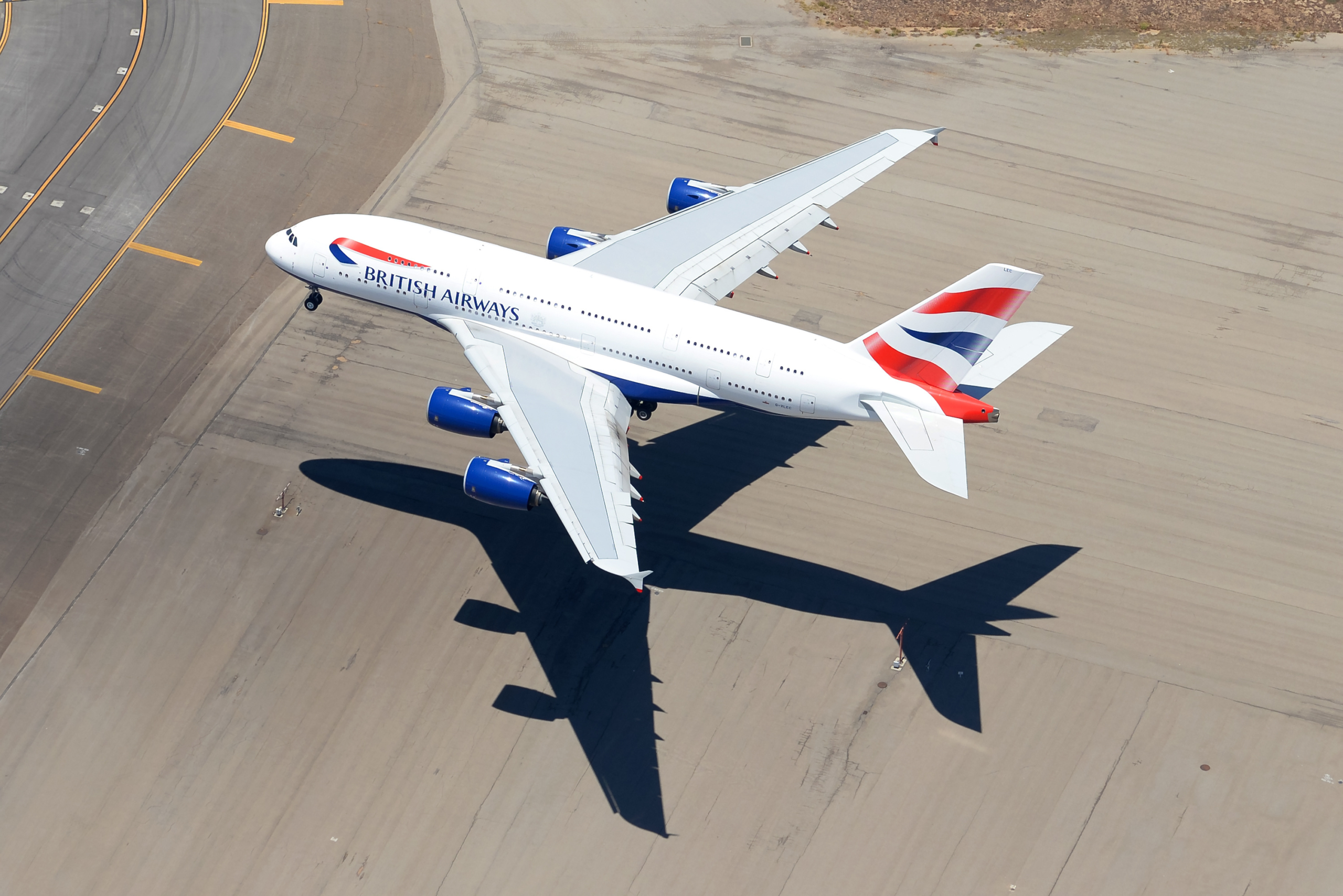
Headlines warning of flight cuts and summer holiday plans in tatters have the flying public in a panic.
In the last 24 hours, mainstream media have been dominated by reports of 13,000 flights being cut in May, a loss of two million airline seats.
However, a closer look at the underlying data shows a much brighter outlook for the summer, in the UK at least.
New data from the aviation analytics firm Cirium shows UK flight schedules largely remaining steady, despite increasing pressure from the Middle East crisis. Across the summer, fewer than 700 flights have been removed in the last week, representing just 0.25% of planned departures.
As Rory Boland, editor of consumer publication Which? Travel, told the BBC today, “The percentage of flights cancelled from the UK remains small, when you consider that the worst airlines cancel over 2% of flights less than a day before departure, even in normal times.”
UK summer flight schedules remain largely intact
Despite the alarm around airline cancellations, the latest Cirium data shows only marginal changes to flights departing from UK airports for the main summer travel period.
The figures cover one-way outbound passenger flights from the UK and are presented on a weekly basis. Across June, July and August, scheduled departures have barely moved compared with last week’s data.
| Month | This week’s scheduled flights | Last week’s scheduled flights | Weekly change | % change |
|---|---|---|---|---|
| June 2026 | 21,991 | 22,027 | -36 | -0.2% |
| July 2026 | 22,309 | 22,319 | -10 | ~0.0% |
| August 2026 | 22,372 | 22,379 | -7 | ~0.0% |
In practical terms, that means only 53 weekly flights have been removed across the three-month summer period. Scaled across the season, this equates to roughly 700 flights out of more than 280,000 scheduled UK departures.
That is a very small movement at network level. The data does not currently point to widespread airport-level cuts or a broad retreat from UK summer flying.
Even the largest reductions are modest, with Glasgow seeing the biggest weekly drop of 12 flights, while Manchester, Newcastle and London’s major airports are each trimming fewer than 10 flights per week.
| Airport | June 2026 weekly change | July 2026 weekly change | August 2026 weekly change | Total weekly change across summer months |
|---|---|---|---|---|
| Newcastle | -7 | -7 | -7 | -21 |
| Manchester | -10 | -1 | -2 | -13 |
| Glasgow | -12 | 0 | 0 | -12 |
| London Heathrow | -4 | -4 | +1 | -7 |
| London City | -6 | -1 | 0 | -7 |
| London Gatwick | -5 | -2 | 0 | -7 |
While this modest pullback at some airports will sting for passengers who are disrupted, it’s not all bad news. Year-on-year, plenty of airports have seen capacity added, and in some cases, rather a lot.
| Airport | June YoY change | July YoY change | August YoY change | Total weekly increase |
|---|---|---|---|---|
| Manchester (MAN) | +92 | +110 | +140 | +342 |
| London Stansted (STN) | +92 | +111 | +115 | +318 |
| London Luton (LTN) | +108 | +89 | +83 | +280 |
| Birmingham (BHX) | +30 | +83 | +91 | +204 |
| Edinburgh (EDI) | +56 | +39 | +39 | +134 |
The biggest increases are concentrated at low-cost and leisure-focused airports, suggesting airlines are continuing to expand capacity in high-demand segments despite rising fuel costs.
So are UK summer holidays safe from flight cancellations?
While the data today suggests UK summer schedules remain largely intact, that doesn’t mean that disruption is off the table.
Behind the scenes, pressure continues to build. Oil supplies through the Strait of Hormuz are still not flowing easily, and as the largest importer of jet fuel in Europe, the UK is particularly exposed. At present, there are no shortages of fuel, but that could change should Middle East supply remain constrained.
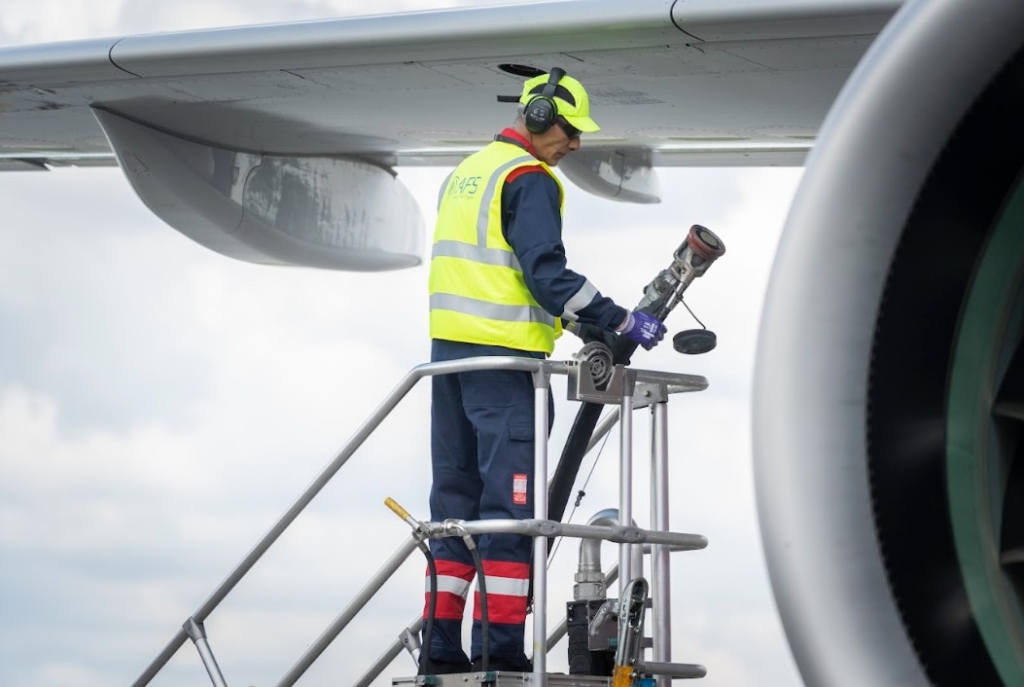
Against this backdrop, the UK government has relaxed its ‘use it or lose it’ rule around airport slots. Airlines can now cancel summer flights in advance, without fearing the loss of their place at the airport for next season.
“It is better for them to cancel flights well in advance so that passengers are less inconvenienced than a last-minute change of plan,” says Paul Charles, Founder and CEO of The PC Agency. “As the Iran conflict continues, there will need to be many more cancellations as the jet fuel supply is squeezed.”
For now, the UK’s airlines appear to be in a holding pattern, keen to capitalise on summer demand but wary of uncertainty around fuel supply. For now, summer holidays are solid, but everything could change in the coming weeks.
Featured image: Thiago Trevisan / stock.adobe.com


