


India advances ASPJ pods for Su-30MKI fleet as Super Sukhoi upgrade gathers pace

4 min read
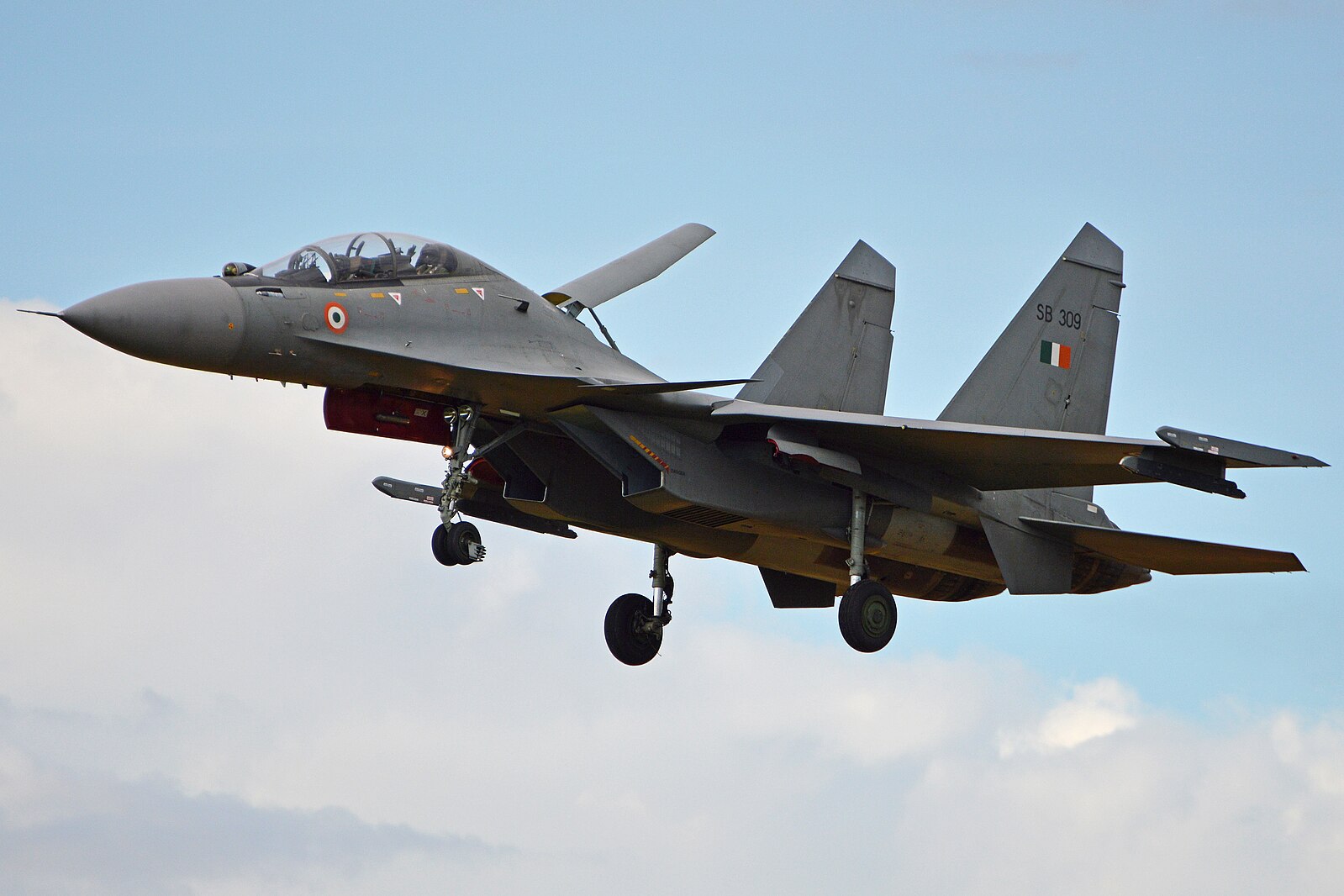
India’s push to equip the Su-30MKI fleet with indigenous electronic warfare systems is gathering momentum, with domestic industry and DRDO-backed programmes moving closer to flight evaluation and eventual procurement under the Indian Air Force’s Super Sukhoi upgrade plan.
The effort centres on new Aircraft Self Protection Jammer (ASPJ) pods designed to improve the survivability of the IAF’s frontline fighter fleet against modern radar-guided missiles, airborne intercept radars and advanced surface-to-air defence systems.
The Ministry of Defence had issued a Request for Information last year for 100 ASPJ pod sets for the Su-30MKI fleet, along with associated equipment, with deliveries planned within 36 months.
The proposed pods are intended to jam and spoof enemy airborne and ground-based radars once integrated onto the aircraft.
The requirement is now entering a more active phase as Indian companies position their systems for trials, integration work and eventual induction.
India operates around 272 Su-30MKI fighters, making the type the backbone of the IAF’s combat fleet. The aircraft already carries the BrahMos air-launched cruise missile and performs long-range air dominance and strike missions.
But the growing threat posed by networked air defence systems and long-range radar-guided weapons has increased the importance of advanced electronic warfare capability.
DRFM and AESA jammer pods to boost Su-30MKI electronic warfare
The new ASPJ pods are expected to rely heavily on Digital Radio Frequency Memory (DRFM) and Active Electronically Scanned Array (AESA) technologies, giving the aircraft a far more sophisticated electronic attack capability than legacy noise jammers.
Instead of simply flooding enemy radars with electronic noise, DRFM systems intercept hostile radar signals, digitally modify them and retransmit manipulated returns back to the threat radar. This allows the jammer to create false targets, distort tracking information and confuse missile seekers.
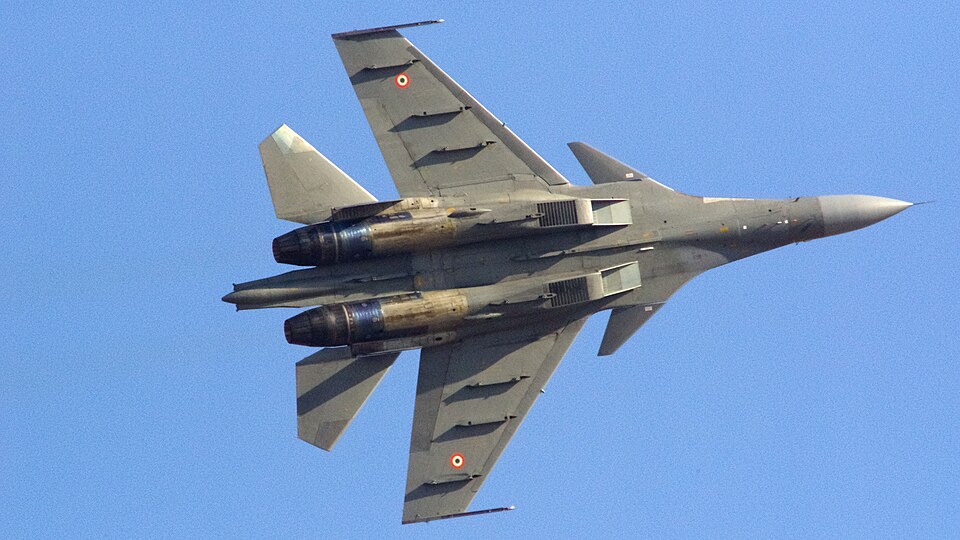
The systems are also expected to use Gallium Nitride and Gallium Arsenide-based AESA transmitters capable of rapid beam steering, higher power density and simultaneous engagement of multiple threats.
One DRDO-developed ASPJ system already undergoing flight testing uses AESA-based Active Transmit Receive Units and has been designed for the Tejas programme as well as the Su-30MKI fleet.
The indigenous pod is intended to protect aircraft against acquisition radars, fire-control radars, anti-aircraft artillery systems and airborne multimode radars.
The requirement for wide-area threat coverage is especially important for the Su-30MKI because the aircraft is expected to operate deep inside contested airspace against layered air defence networks.
Data Patterns and DRDO advance indigenous Su-30MKI jammer pods
The programme is expected to involve DRDO laboratories, Bharat Electronics Limited (BEL), Defence Avionics Research Establishment (DARE) and a growing number of private-sector firms working in airborne electronic warfare.
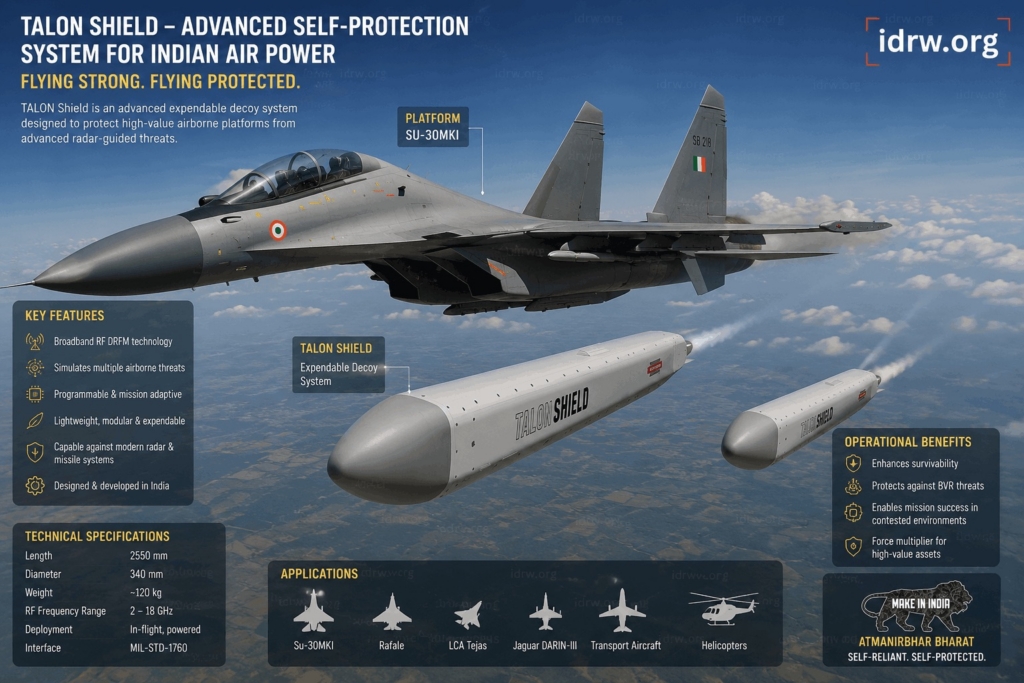
Among the companies emerging prominently is Chennai-based Data Patterns, which is developing the TALON SHIELD ASPJ pod for the Su-30MKI fleet.
The company recently disclosed that the system has completed ground integration activity and is approaching airborne trials onboard a Su-30MKI fighter.
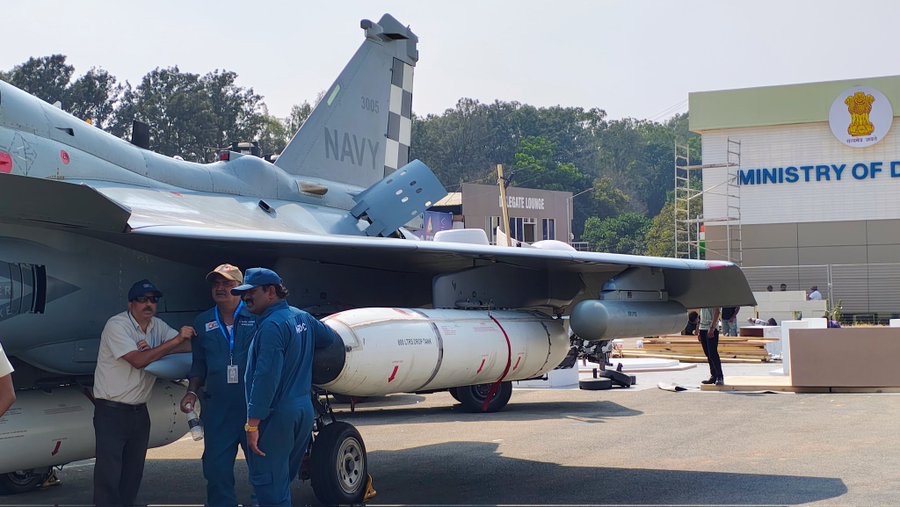
According to programme details, the pod uses AESA-based electronic warfare architecture and DRFM techniques to jam hostile radars and missile seekers.
The system is intended to replace the older and heavier Russian-origin SAP-518 jammer pods currently used on sections of the Su-30MKI fleet.
Data Patterns expects flight evaluation and certification work to take between 18 months and two years, with the IAF reportedly allocating a Su-30MKI aircraft for the test campaign.
If successful, the programme could become one of the first large-scale operational deployments of an indigenous privately developed airborne electronic warfare pod on an Indian frontline combat aircraft.
The structure of the earlier RFI also made clear that the MoD wants substantial domestic participation.
Vendors were asked to specify indigenous content levels, software development capability, manufacturing infrastructure and industrial licensing status.
Why India wants indigenous ASPJ pods for the Su-30MKI
While advanced American and Israeli airborne electronic warfare systems are available internationally, integrating them onto the Su-30MKI would likely involve significant technical and operational complications.
The Su-30MKI uses a heavily customised Russian-origin avionics architecture developed specifically for India. Integrating Western jammer systems would require extensive interface work involving mission computers, radar warning receivers, power systems and operational software.
There are also long-term operational considerations. The IAF has increasingly sought sovereign control over mission software, threat libraries and electronic warfare updates. Imported systems often come with restrictions linked to software access, upgrades and source-code control.
An indigenous ASPJ architecture gives the IAF greater flexibility to rapidly modify threat databases and electronic attack techniques as regional threats evolve.
The programme also aligns with the broader push for self-reliance in defence manufacturing and reduced dependence on imported mission-critical systems.
The original procurement process itself was restricted to Indian vendors and Indian OEMs under the Buy Indian category.
Creating the ‘Super Sukhoi’ for India
The ASPJ programme is emerging as one of the key elements of the Super Sukhoi upgrade, which aims to keep the Su-30MKI combat relevant well into the next decade.
The broader upgrade package is expected to include a new indigenous AESA radar, upgraded mission computers, modern cockpit displays, advanced weapons integration and a fully networked electronic warfare suite.
Together, these systems are intended to improve the aircraft’s ability to survive and fight inside electronically contested environments while extending the operational life of the fleet by nearly two decades.
Featured image: Alan Wilson / Wikimedia


