How high do commercial planes fly, and why?

3 min read
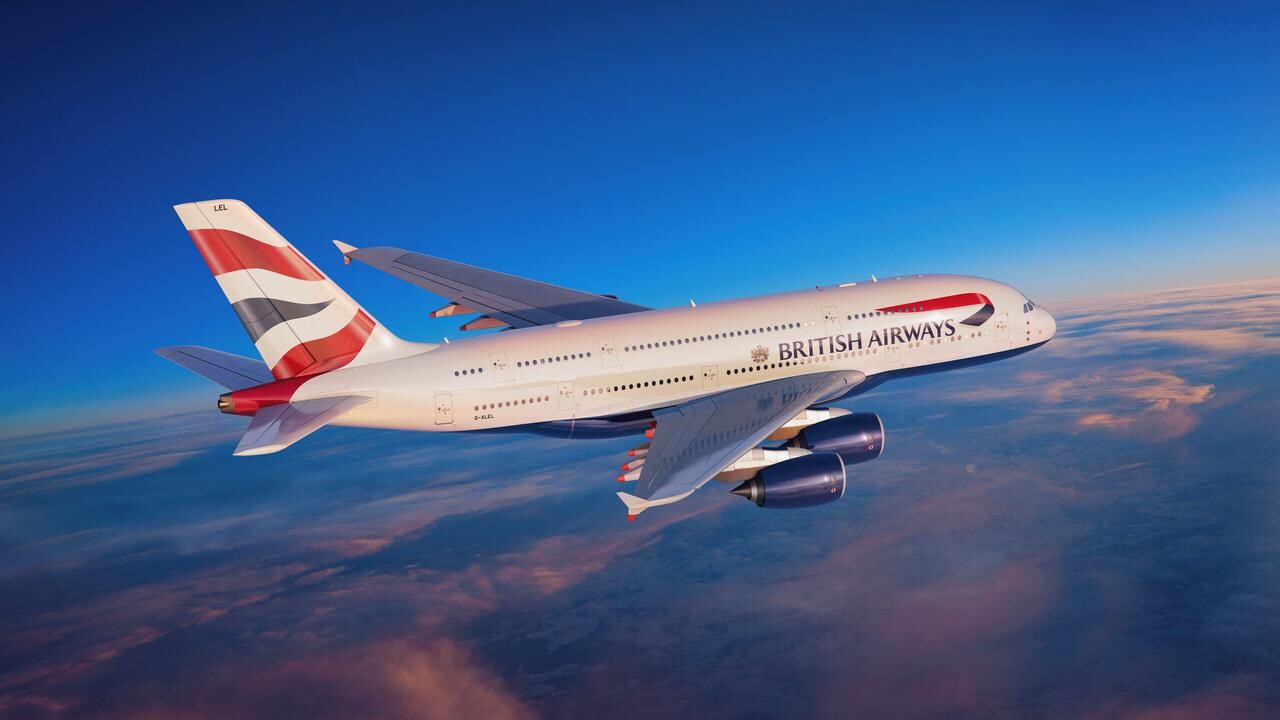
Looking down from the window seat of an airliner, it’s hard to guess how high up you really are. Most of the time the answer is between 35,000 and 39,000 feet, or around seven miles above the ground. That’s become the standard cruising altitude for passenger airliners.
So why there? Why not stay lower, or head even higher?
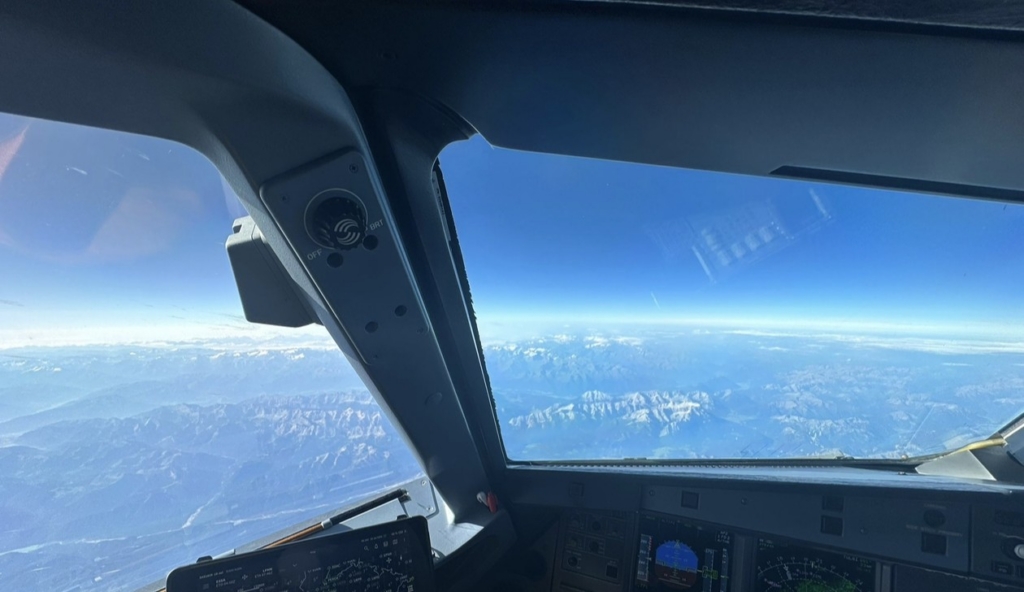
The simple answer is that around 35,000 feet is where an airliner works at its best. The air is much thinner than it is closer to the ground, which means there’s less drag slowing the aircraft down.
With less resistance to push through, the engines don’t have to work as hard, so they burn less fuel. For airlines, that makes a huge difference. Saving even a small amount of fuel on every flight quickly adds up across hundreds of aircraft flying every day.
Why don’t commercial aircraft fly higher?
As an aircraft climbs, the air keeps getting thinner. But while that reduces drag, it also creates new problems.
The wings have less air to generate lift, and the engines have less oxygen available to produce thrust. Eventually, you reach a point where the aircraft is close to its limits.
There’s only a small gap between flying too slowly to stay in the air and flying too fast for the conditions. Pilots don’t want to spend long in that part of the flight envelope, which is one reason commercial aircraft don’t simply keep climbing.
Every aircraft also has a certified maximum altitude. A Boeing 737 can climb to about 41,000 feet, and an Airbus A320 to 39,000 feet, while larger long-haul aircraft such as the Boeing 787 Dreamliner and Airbus A350 can go a little higher.
Even then, they won’t necessarily fly at their maximum height. The ideal cruising level depends on the aircraft’s weight, the weather and the route being flown. It’s common for long-haul flights to start at a lower altitude while the aircraft is heavy with fuel before climbing higher later in the journey as it becomes lighter.
How cabin pressurisation keeps passengers comfortable
At cruising altitude, the air temperature outside plummets to around -57°C. That cold, and at those altitudes, there isn’t enough oxygen for people to breathe, which is why aircraft cabins are pressurised.

The cabin isn’t filled with outside air. Instead, the aircraft pumps in compressed air from the engines and keeps the pressure at a level that feels more like being on a mountain than at cruising altitude. In most airliners, it’s similar to standing somewhere between 6,000 and 8,000 feet above sea level.
How does flying higher help aircraft avoid weather?
Flying high has another advantage in that it avoids much of the weather. Poor weather is found lower down, so cruising well above them usually means a smoother journey.
Of course, there are exceptions. Thunderstorms can tower far higher than an airliner can fly, so crews simply steer around them rather than trying to climb over the top.
How do business jets and military aircraft compare?
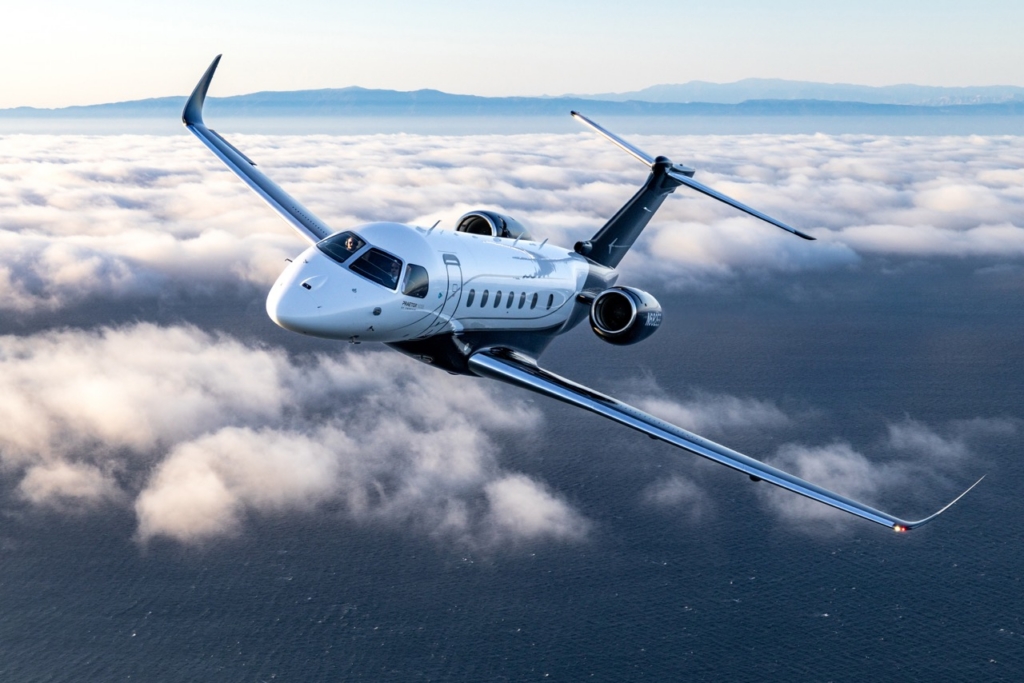
Not every aircraft flies at the same height. For example, business jets often cruise above the airliners, sometimes reaching 45,000 or even 50,000 feet. Because they’re smaller and lighter, they can take advantage of thinner air and often fly above the heaviest commercial traffic.
Military aircraft are different again. Large transport aircraft tend to fly at similar heights to passenger jets, but specialist aircraft can operate much higher. The U-2 spy plane, for instance, actually spends much of its time above 70,000 feet, while fighter jets can briefly climb to even more extreme altitudes if the mission requires it.
The sweet spot for commercial aviation
For commercial aviation, there really isn’t much to be gained from chasing ever greater heights. Around 35,000 feet has proved to be the sweet spot, offering the right balance between fuel economy, aircraft performance, passenger comfort, and safety. It’s not the highest an airliner can fly, but it’s usually the smartest place to be.
Sign up for our newsletter and get our latest content in your inbox.


More from

October 17, 20265 min read

October 17, 20264 min read