How much extra fuel does an airliner need to carry in case something goes wrong?

3 min read
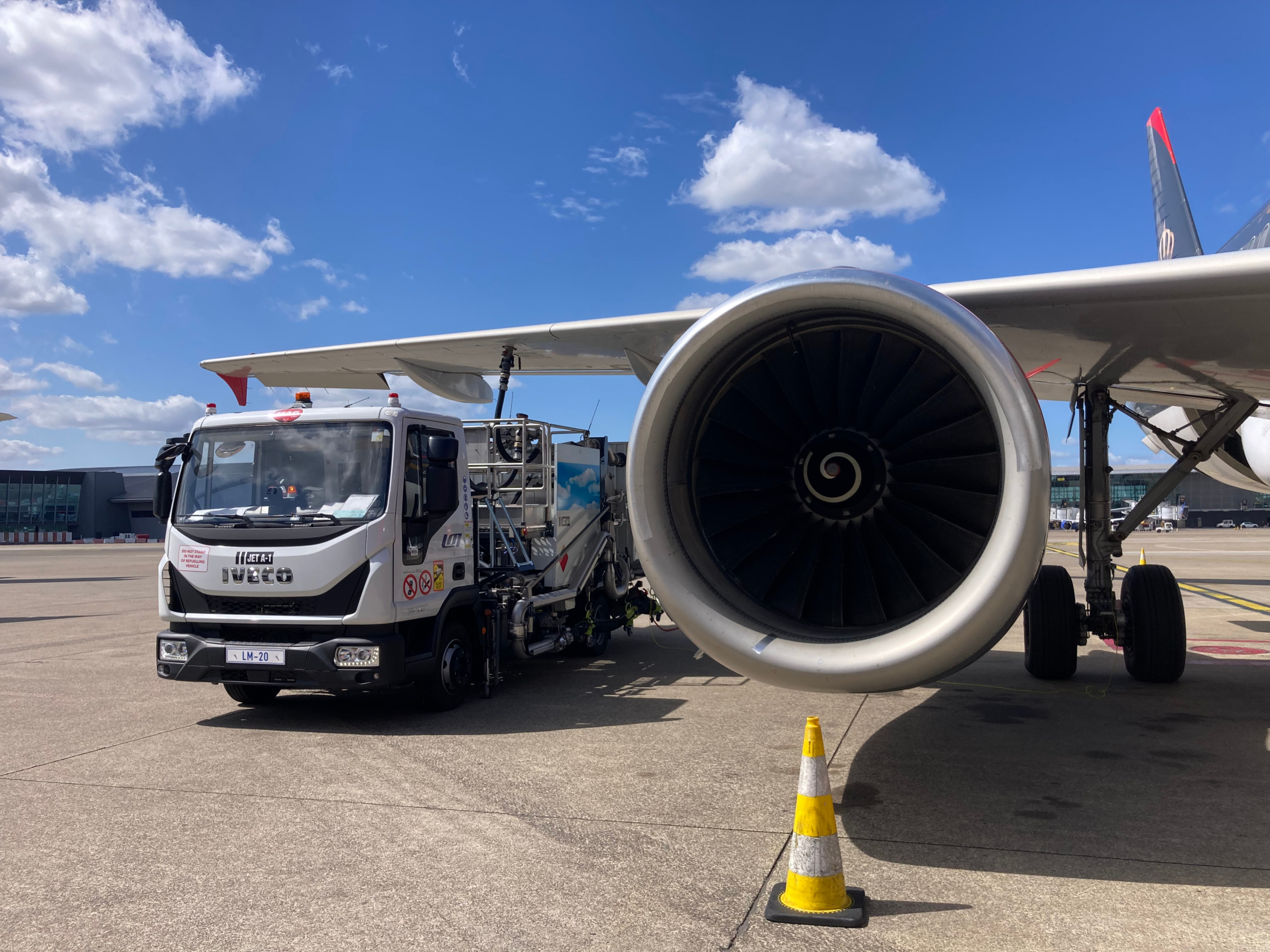
Airliners aren’t just topped up with enough fuel for the journey ahead. Instead, every commercial flight leaves the gate with a carefully calculated fuel load designed not only to reach its destination, but also to cope safely with the unexpected.
Weather can deteriorate, air traffic control can impose delays, or a runway can suddenly become unavailable. That’s why airlines build in several layers of protection.
Fuel planning is a balancing act
Fuel planning is a compromise between safety and efficiency. An airliner may burn around 4 percent of the extra fuel’s weight for every hour it is carried.
Too little fuel leaves no margin if circumstances change, while carrying too much increases weight, operating costs, carbon emissions and fuel burn.
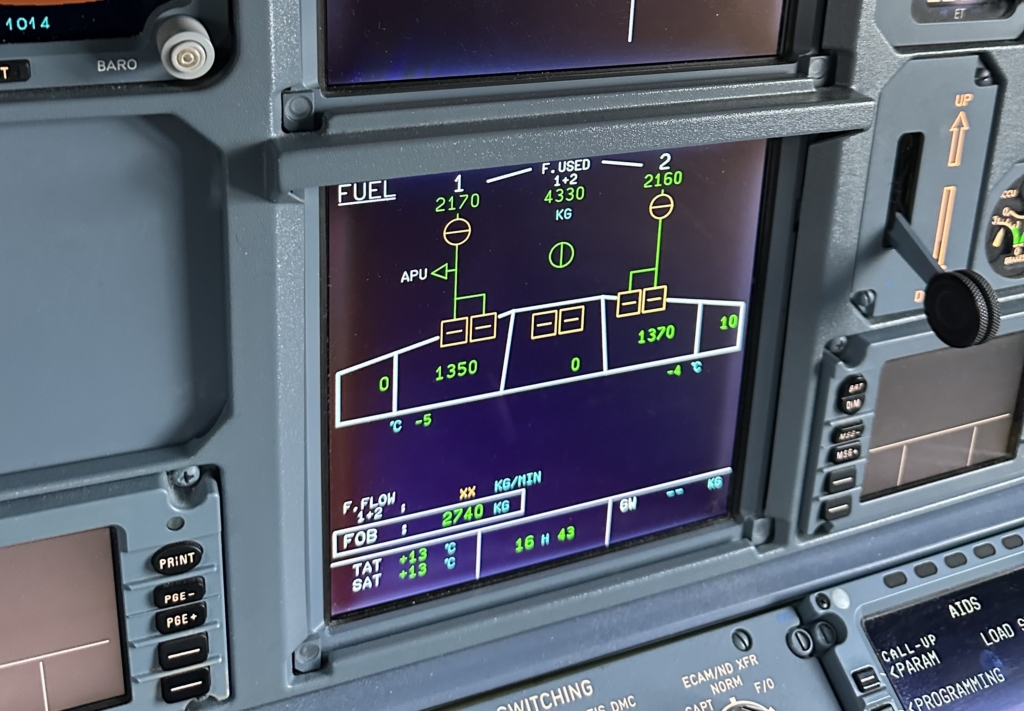
Before every flight, flight planners and pilots calculate the required fuel based on the route, forecast weather, expected winds, air traffic restrictions and the availability of suitable diversion airports.
The aim is to carry enough fuel to meet regulatory requirements without transporting extra unnecessary weight.
Every fuel load is made up of different layers
An aircraft’s fuel load consists of several separate allowances rather than one single figure.
The calculation begins with taxi fuel, covering engine start, pushback, taxiing and any delays before take-off. Next comes trip fuel, which is expected to get the aircraft from take-off to landing under normal conditions.
Finally, to account for small changes during the flight, planners add contingency fuel, which is generally 3-5 percent of the trip fuel. This provides a buffer for stronger-than-forecast headwinds, weather deviations or route changes instructed by air traffic control.
Additionally, if the aircraft cannot land at its destination, it must also carry alternate fuel. This means it can fly safely to a nominated alternate airport if a missed approach occurs.
Why is final reserve fuel never meant to be used?
Even after reaching the alternate airport, aircraft still have to keep a final fuel reserve in hand. For turbine-engine aircraft including jets and turboprops, that’s usually enough for 30 minutes of holding at 1,500ft above the airport. Piston-engine aircraft, on the other hand, carry 45 minutes’ worth of extra fuel because of technical factors including engine reliability and performance.
Sometimes pilots will also add extra fuel if they think the standard calculation doesn’t provide enough flexibility. That could be because there are few suitable airports nearby if a diversion becomes necessary, the weather is marginal, or during line training.

Sometimes airlines even load more fuel because it’s cheaper to buy at the departure airport than at the destination, reducing overall costs. This practice is known as fuel tankering.
Add all of those amounts together and you get the aircraft’s “block fuel” – that is, the total amount on board before the engines are started.
What does ‘minimum fuel’ actually mean?
The phrase “minimum fuel” is often misunderstood. Despite how it sounds, it isn’t an emergency call. It’s simply where pilots tell air traffic control that the aircraft has little flexibility left and that any further delays will be a serious problem.
If the crew risk using their final reserve fuel, they’ll declare a fuel emergency, giving the aircraft priority to land. Thankfully, this is rare and usually happens only after several factors combine, such as bad weather, lengthy holding or repeated missed approaches.
Sometimes the problem is carrying too much fuel
Long-haul aircraft often take off carrying well over 100 tonnes of fuel. If a technical problem means they have to turn back soon after departure, they may be too heavy to land safely.
Many Airbus and Boeing widebody aircraft can dump fuel to reduce their weight before landing. Others don’t have that capability, so they have to stay in the air until they’ve burned enough fuel to land within their weight limit.
Expecting the unexpected
Flight planning software does a highly accurate job of predicting how much fuel a flight will need. But weather changes, delays happen, emergencies arise, and airports can suddenly become unavailable.
That’s why airliners almost always land with some extra fuel still in the tanks. It’s a built-in safety margin that gives crews the time and flexibility to deal safely with the unexpected.