


Why airlines use holding patterns and how they are designed

3 min read
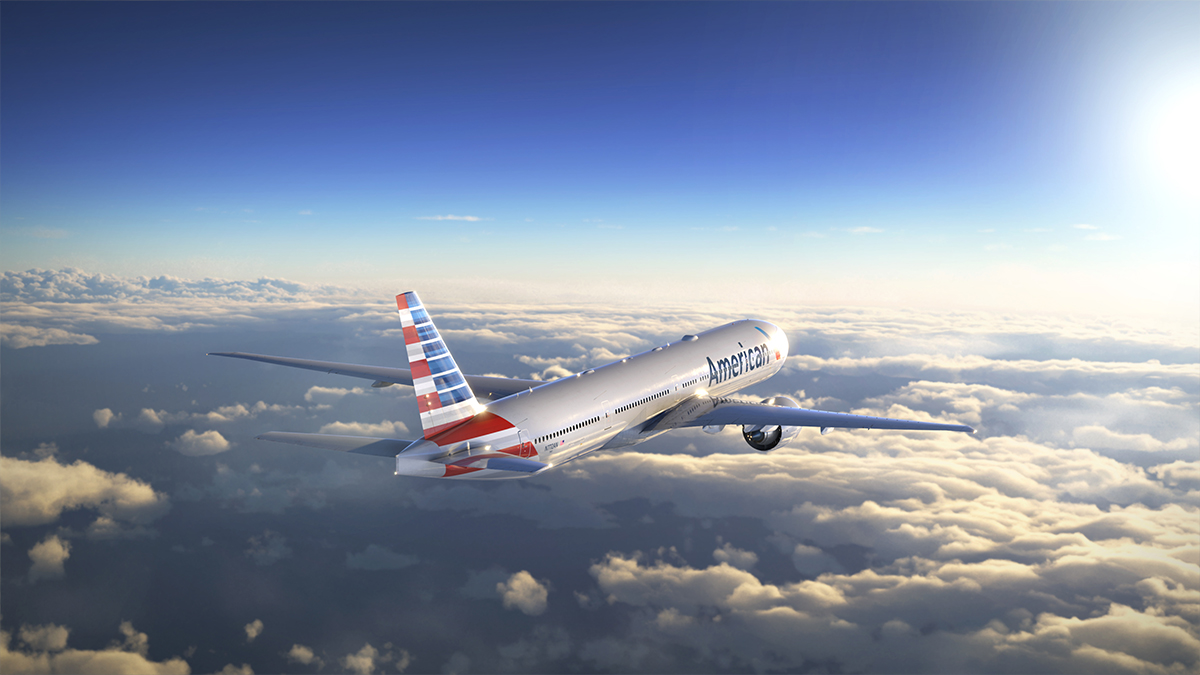
Holding patterns keep aircraft in a defined block of airspace, most commonly during the approach phase at busy airports. It usually happens when bad weather reduces landing rates, traffic peaks build up, or an incident on the runway limits capacity. In all cases, holding gives air traffic controllers the breathing space to sequence arrivals without rushing decisions.
Why aircraft are asked to “hold”
Airports can only handle so many incoming aircraft at a time. When more are arriving than they can safely manage, some are temporarily held at designated points in the sky until air traffic control can space them out and bring them in.
Holding isn’t only something you see when airports are busy. It can also be useful when things don’t go to plan.
If an aircraft has a problem shortly after take-off, like an engine failure, and can’t continue its planned departure route, it will usually keep flying straight ahead for a short distance, often around 20 nautical miles, before turning into a holding pattern.
That pause gives the crew space to work through procedures, stabilise the situation, and decide what’s next.
Holding can also be built into missed approach procedures. If a landing has to be abandoned, the aircraft may enter a holding pattern to stay separated from other traffic while the crew either lines up for another attempt or chooses to divert elsewhere.
How is a holding pattern structured?
Although it can look like simple looping on radar, a holding pattern is tightly structured. Aircraft fly a racetrack-shaped circuit made up of straight legs and 180-degree turns, anchored to a holding fix. These fixes are often based on navigation aids such as VOR (VHF Omnidirectional Range) or NDB beacons, which provide accurate positioning even without visual references.
Pilots are well trained in instrument flying to manually join and fly holds, but generally aircraft will use Flight Management Systems that can fly the pattern with very high precision, easing the workload in the cockpit.
With holding patterns, efficiency is king. Aircraft fly at a designated “holding speed” – that is, the minimum speed to fly that keeps drag and fuel burn to a minimum. For a medium-sized jet, this is usually around 210-230 knots.
Crews plan for holding in advance, including how much fuel they have and how long they can safely stay airborne.
How long is each leg of the hold?
The timing in a holding pattern is fairly standard, but it can be adjusted if needed. Below 14,000 feet, each straight leg is usually flown for about one minute, while above that it’s typically extended to around one and a half minutes.
In some situations, pilots may request longer legs, such as two minutes, to reduce the amount of turning and help save fuel.
The role of pilots and controllers
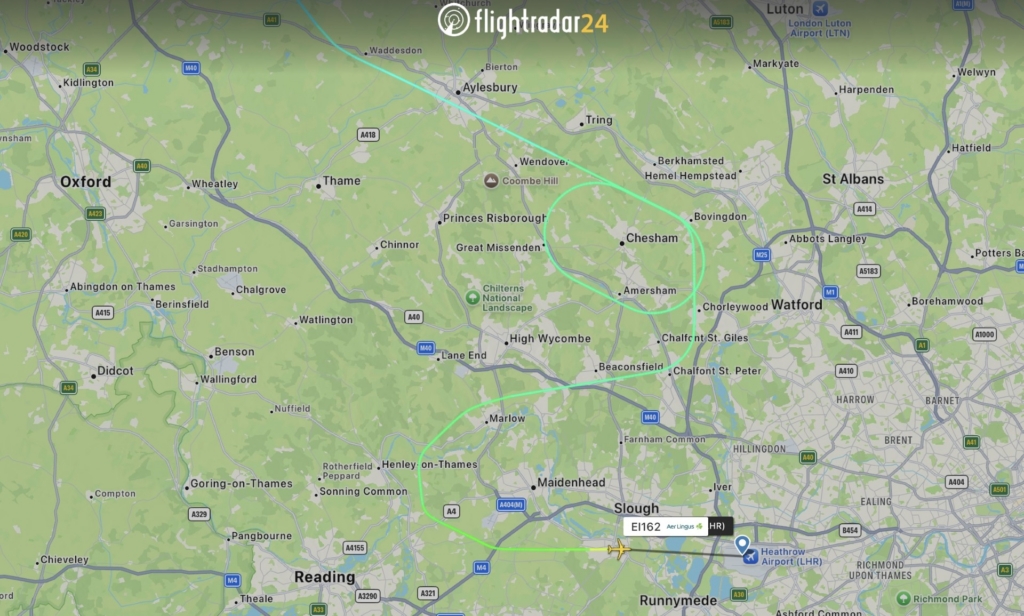
Air traffic control also plays an important role in managing holds. At busy airports, there are usually several holding stacks (at Heathrow for example there are four: LAM, BIG, OCK and BNN) which are used to distribute traffic efficiently before landing.
ATC will often advise arriving aircraft of expected delay times before assigning them to one of these holds, helping flight crews plan fuel and approach strategy.
Sometimes pilots are instructed to hold from their current position while en-route, usually because of unexpected disruptions or sudden traffic build-up. These holds are less structured than standard patterns, but still tightly managed by ATC to keep everything flowing.
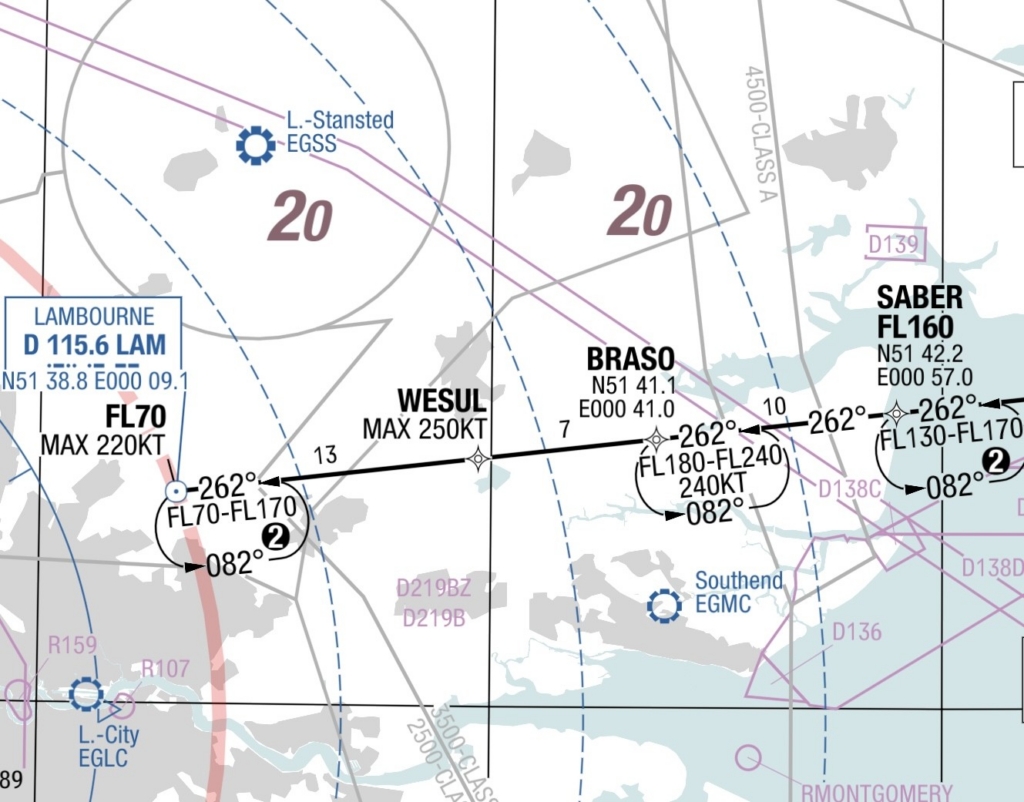
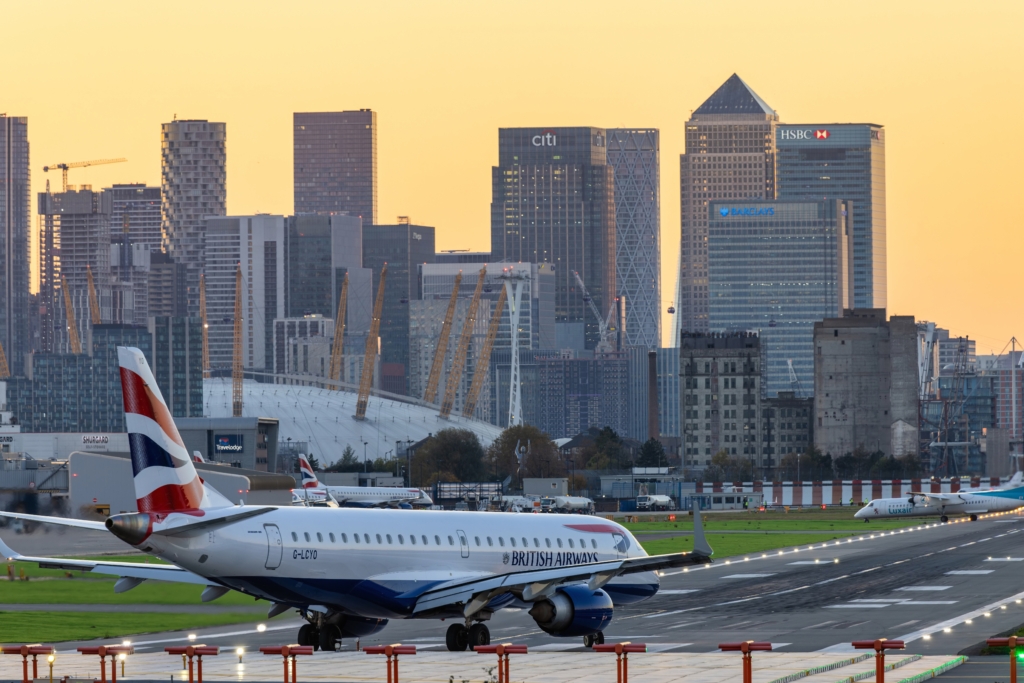
Other systems also help reduce congestion. At airports like London City or Dublin, a method called Point Merge is used. This is where aircraft fly around a curved arc and are then “spliced” into the final approach at different points. It achieves a similar goal to holding but with less circling.
So the next time your flight starts turning instead of heading straight for the runway, it’s not wandering or off track. It’s simply slotting into a system that keeps everything moving safely and in the right order.
Featured image: American Airlines


