Norway expands zero-emission aviation trials with Electra EL9 test flights
3 min read
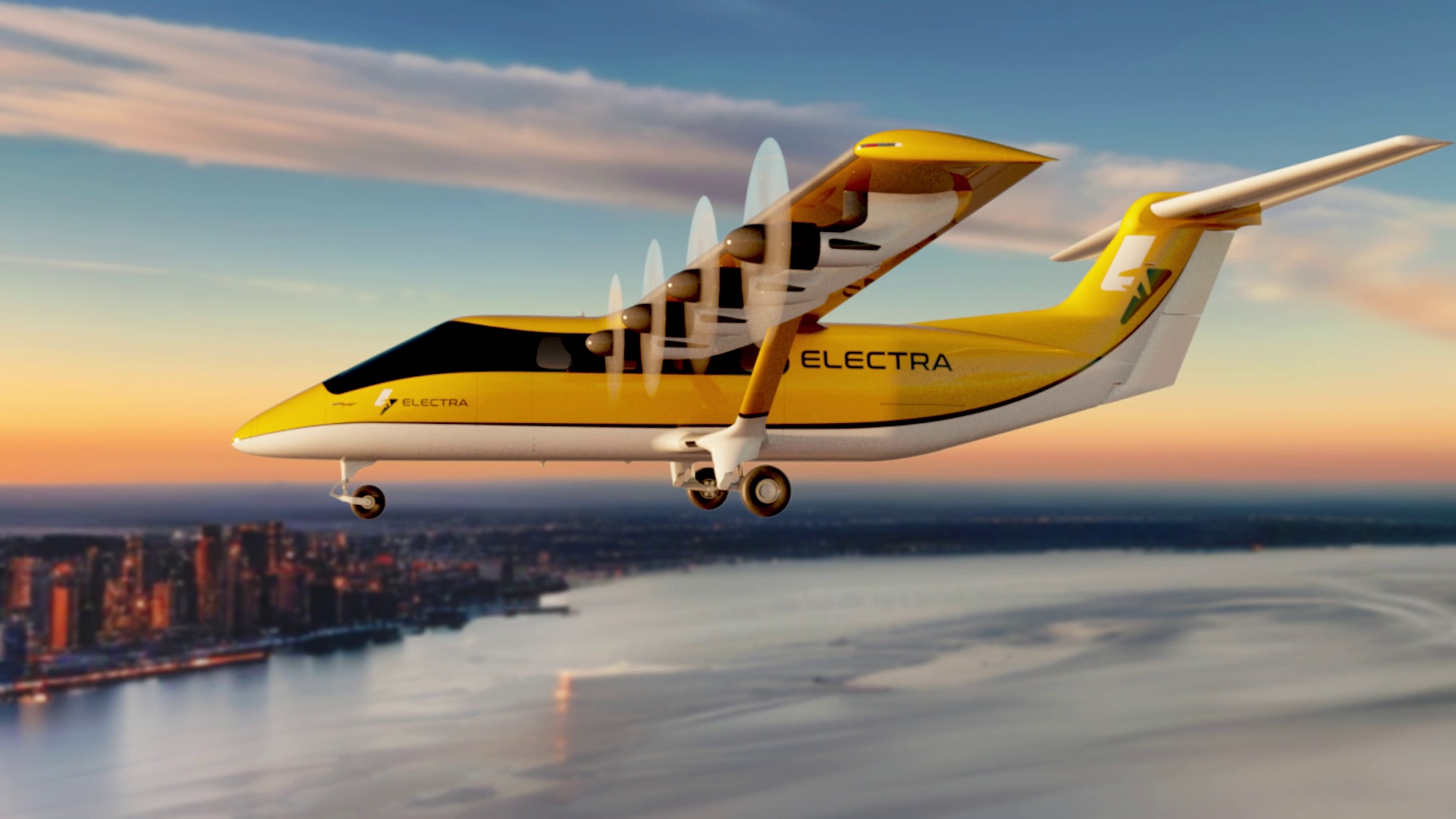
Norway is taking another step forward in its push to commercialise zero and low-emission aviation. It has launched a new international test arena project in collaboration with Bristow Group and Electra.
The agreement, signed on Tuesday, 21 April at Trondheim Airport, Vaernes, brings together Houston-headquartered Bristow, hybrid-electric aircraft developer Electra, the Norwegian airport operator Avinor and the civil aviation authority (CAA Norway).
The four organisations will partner to conduct test flights of a hybrid-electric Ultra Short aircraft across Norwegian airspace. The test flight programme will begin mid-2027.
Electra EL9 hybrid-electric aircraft to lead Norway test flight programme
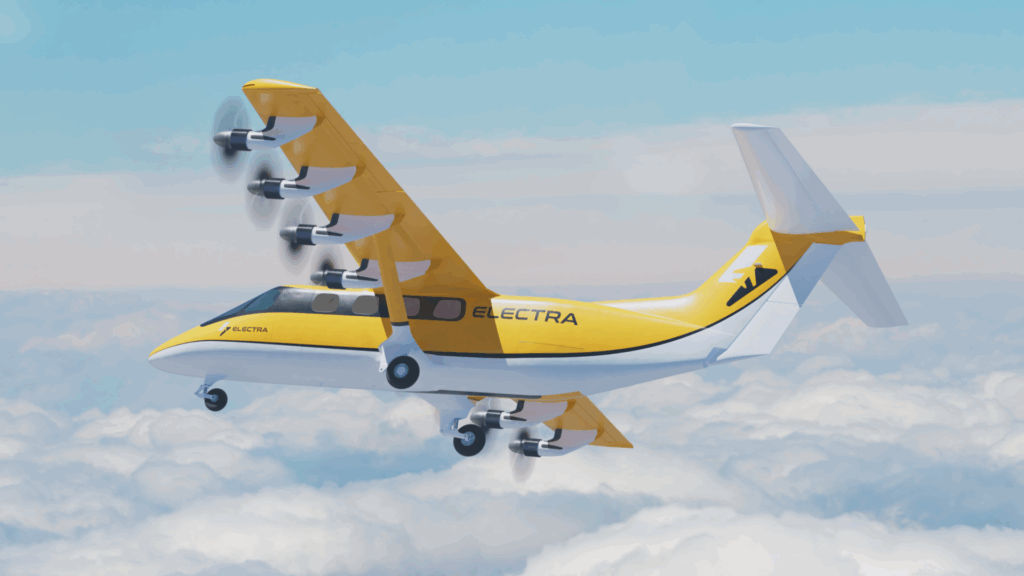
At the heart of the programme is Electra’s EL9. The nine-passenger hybrid-electric aircraft can operate from landing strips as short as 50 metres – roughly the length of a football pitch and will target the 80-800km regional aviation market.

The EL9 targets geographically challenging terrain, where surface transport is slow and frustrating, offering faster, lower-emission connections.
Norway to test hybrid-electric aircraft across regional and remote routes
Testing will progress across three phases. Initial operations will take place at smaller airports throughout northern Norway. Trials at novel landing sites, such as parking lots and drone pads, will follow, with the third phase feeding operations into a major Norwegian hub airport. The partners have yet to confirm test locations.
Demonstration flights will provide insight into emissions reductions, novel operational concepts and the scalability of regional air mobility services.
The regulator sandbox model, already established through Norway’s first international test project, will allow CAA Norway to evaluate the operational and safety frameworks needed to support this class of aircraft commercially.

Norway was first established as an international test arena for zero- and low-emission aviation in April 2024 through a collaboration with Avinor and the CAA Norway.
In March 2025, Bristow and US aircraft manufacturer BETA Technologies signed a formal agreement to conduct test flights. These demonstration flights were cargo flights without passengers, conducted using BETA’s ALIA CX300 conventional take-off and landing (eCTOL) aircraft flown by Bristow Norway.
Speaking at the time, Stepanek said: “This regulatory sandbox evaluation project exemplifies our philosophy of crawl, walk, run for early adoption of new aviation technologies and solidifies the commitment to our vision to be a leader in innovative and sustainable aviation.”
This initial sandbox project saw charging infrastructure installed at both Stavanger and Bergen last year.
Norway positions itself as global test arena for zero-emission aviation
Norwegian Transport Minister Jon-Ivar Nygard underlined that the test arena was “an important instrument in preparing aviation for new technologies.”
He also said that to support this infrastructure, the government must provide clear frameworks and long-term predictability.
“In a long and sparsely populated country like Norway, where aviation is essential for regional mobility and accessibility, it is particularly important to gain knowledge about how new solutions can be introduced safely and responsibly when the technology is mature.”
Bristow Executive Vice President and Chief Transformation Officer, Dave Stepanek, said the company’s operational heritage would be critical to translating the aircraft’s capabilities into real-world performance validation.
Meanwhile, Dinaa Siegel, Electra Vice President of Commercial Programmes, pointed to the partnership’s broad scope of spanning operations, infrastructure, and regulation, as essential to demonstrating the aircraft at both established airfields and unconventional landing sites.
The broader significance of the test programme Bristow and Electra’s project represents a deliberate expansion of scope beyond Norway’s first international test initiative, moving from route-specific trials to a more systemic examination of operational, infrastructural and regulatory readiness.
For the global electric aviation sector, Norway’s structured sandbox approach – backed by government, regulator and industry – is increasingly being watched as a model for de-risking novel aircraft entry into commercial service.
Featured image: Electra