


IndiGo trims international network as cost pressures mount

4 min read
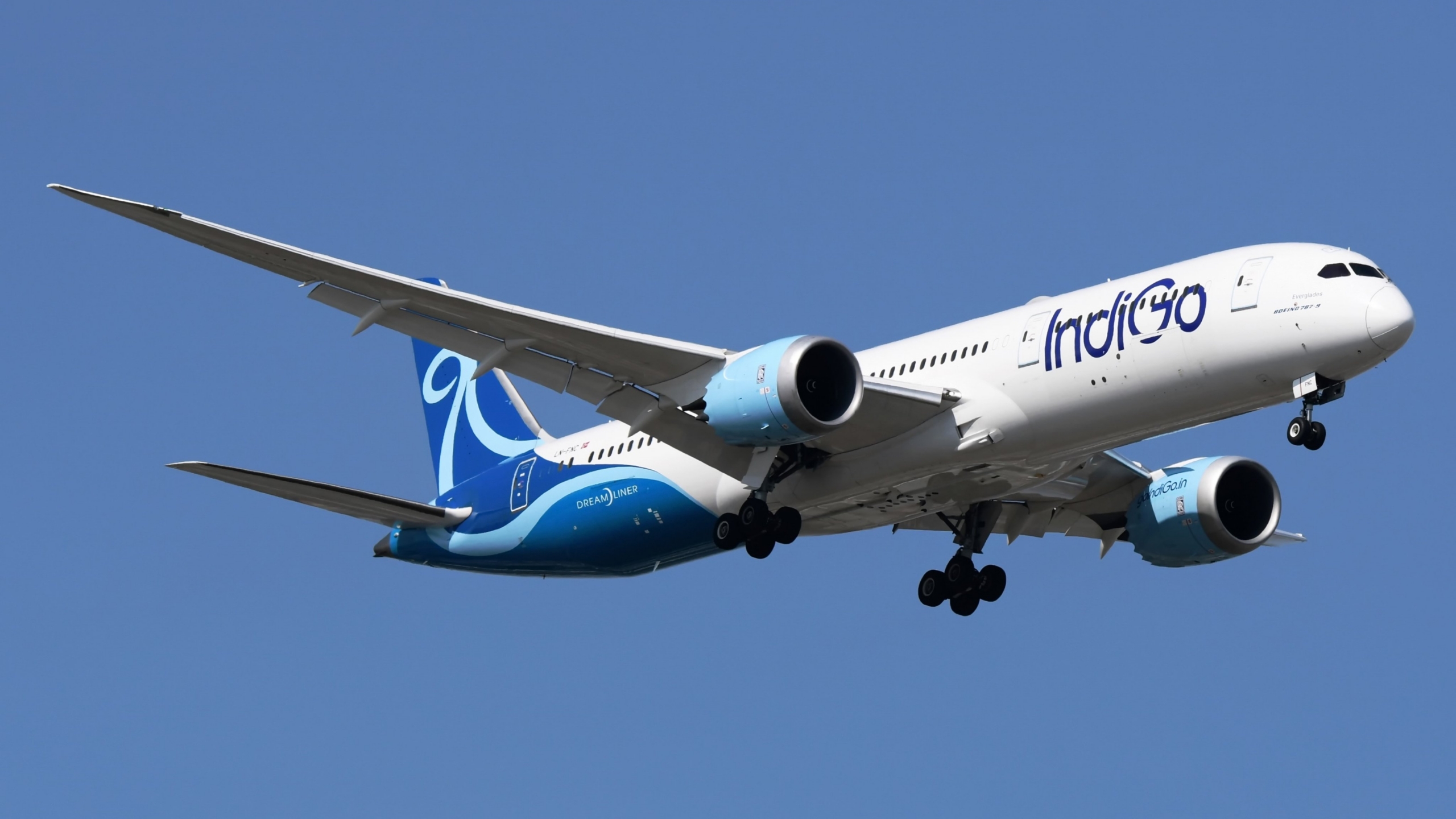
IndiGo is temporarily suspending services to six international destinations and discontinuing its Manchester route as the airline grapples with rising operating costs, longer flight times caused by airspace restrictions and weaker demand.
India’s leading low-cost carrier (LCC), which controls roughly 65% of the country’s domestic market, said services to Langkawi, Krabi, Ho Chi Minh City, Hong Kong and Shanghai will be suspended from 1 July through to the end of September, while flights to Siem Reap will pause from 3 July.
Bookings for all affected routes are expected to resume from 1 October, although IndiGo said services could restart earlier if operating conditions improve.
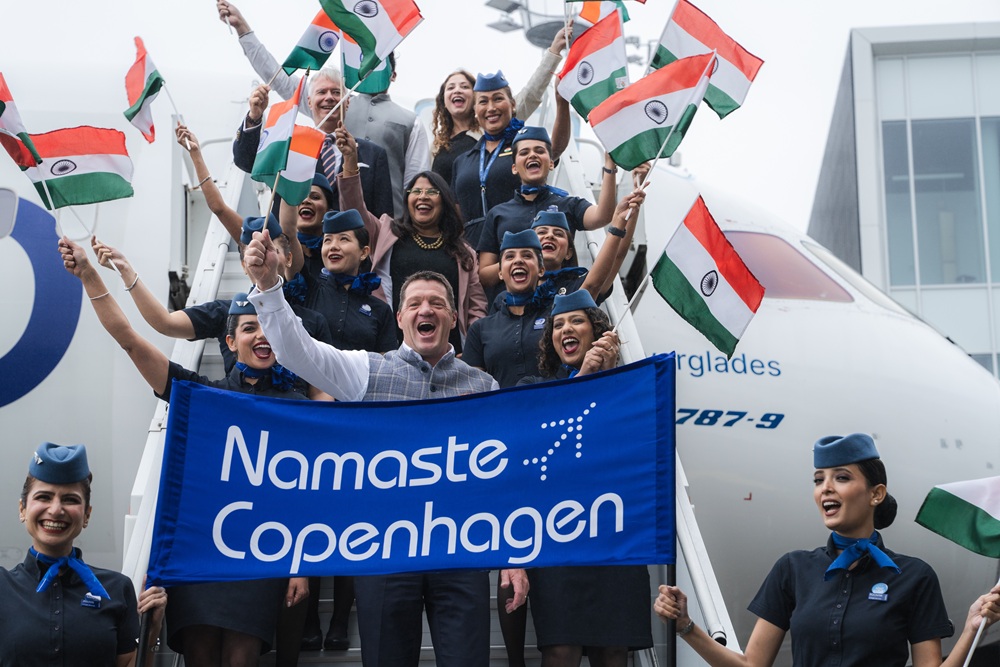
IndiGo axes Manchester route ‘temporarily’ and hands back a 787
Separately, the carrier confirmed it will discontinue flights to Manchester from 31 August 2026, less than two years after launching the route as part of its long-haul expansion strategy.
The move will also see IndiGo return one of the six Boeing 787-9 aircraft it currently operates under damp lease agreements with Norse Atlantic Airways.
Despite the reductions, IndiGo said it would continue operating more than 1,800 international flights per week and maintain all remaining long-haul services.
Airspace restrictions and costs impact IndiGo’s long-haul expansion
IndiGo said ongoing international airspace constraints had significantly increased flight times, with the knock-on effect on fuel burn at a time of high oil prices, and operating costs across parts of its network, particularly on westbound long-haul services.
The airline also pointed to foreign exchange volatility and broader geopolitical instability in the Middle East as factors impacting its operation.
Abhijit Dasgupta, IndiGo’s Senior Vice President for Network Planning and Revenue Management, said the carrier had seen strong demand on its Manchester route but described the economics of operating the service under current conditions as unsustainable.

“We inducted these wide-body aircraft on a short-term basis to fast-track our connectivity to high-potential long-haul destinations such as Manchester and witnessed very encouraging demand response,” he said.
“It is, therefore, unfortunate that longer flying times due to airspace constraints, coupled with dramatically escalating costs, compelled us to take the decision to temporarily discontinue our India – Manchester services. We would like to thank our customers, trade partners in India and in the UK, and Manchester Airport for their amazing support.”
Dasgupta said the Manchester discontinuation was temporary and that it was looking to start serving the route again “at the earliest viable opportunity”.
IndiGo, he added, was “exploring innovative solutions to continue our collaboration with Norse Atlantic Airways”.
The Manchester route formed part of IndiGo’s wider push into Europe ahead of the arrival of its own Airbus A350 fleet later this decade.
The airline had leased six Boeing 787-9s from Norse Atlantic beginning in 2025 as a stopgap measure before it could deploy its own Airbus widebodies across its network.
Norse Atlantic to redeploy aircraft to Thailand network
Norse Atlantic confirmed it had been notified of the early return of one aircraft, which will be redelivered at the end of August.
The airline said the aircraft would instead be deployed on its winter Thailand operations from Europe.
Norse Atlantic chief executive Eivind Roald said the carrier still viewed its partnership with IndiGo positively despite the reduction in flying.

“With the additional aircraft, we look forward to deploying extra capacity on our successful and profitable Thailand routes,” said Roald.
“We also continue to strengthen our strong partnership with IndiGo and have jointly initiated a strategic collaboration project to assess new and deeper cooperation.”
Network adjustment reflects broader industry pressures
The temporary network reductions come as airlines across Asia continue to deal with operational complications linked to restricted airspace over parts of Russia and the Middle East.
For Indian carriers in particular, the rerouting of Europe-bound flights has added substantial flying time and fuel burn compared with some international competitors.
IndiGo said it would continue monitoring market conditions and was ready to restore affected services as soon as it was commercially viable.
The carrier has faced additional headwinds in recent months, including its CEO stepping down. Pieter Elbers confirmed his resignation with immediate effect on Tuesday, 9 March.
An aviation industry veteran, Elbers previously spent 30 years with KLM, including 12 years as its chief executive, before taking the helm at IndiGo in 2022. The reasons for his abrupt departure were cited as “personal”.
Featured image: Copenhagen Airport
Sign up for our newsletter and get our latest content in your inbox.


More from

October 25, 20266 min read

October 25, 20265 min read


