Ukraine’s Fire Point aims to double Russia’s Geran drone production with 100,000 FP-1/2s

5 min read
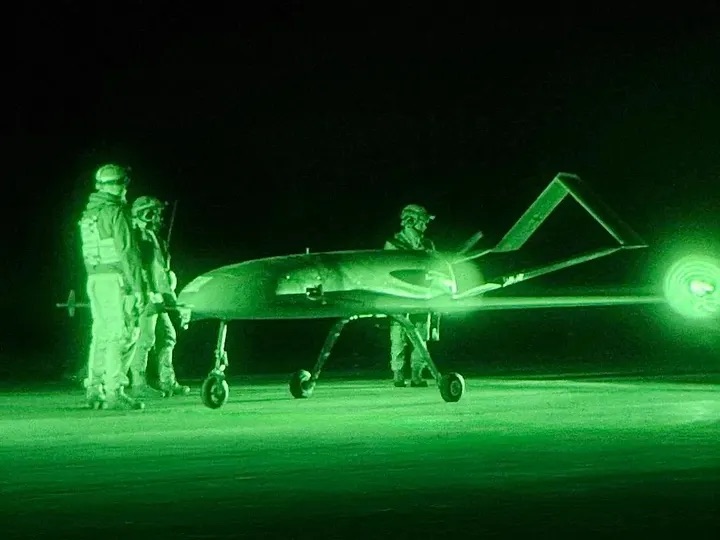
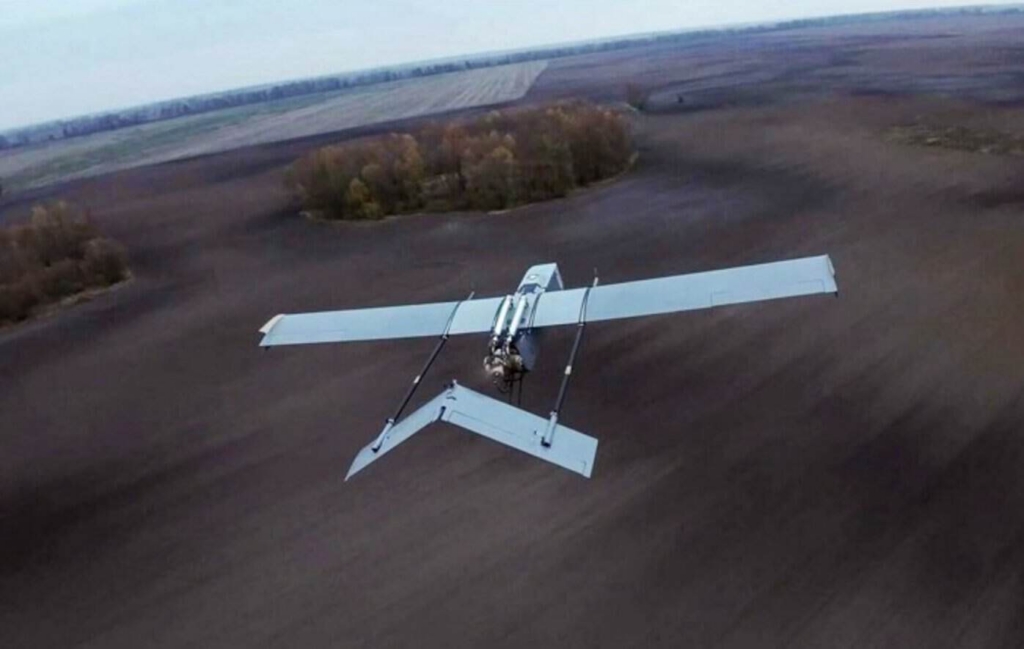
Yesterday, Ukraine’s prominent drone manufacturer claimed it plans to produce over 100,000 FP-1/-2 type one-way attack drones.
At this stage in the war, it appears Ukrainian drones have significant navigation, targeting, and communication advantages thanks to Starlink, intelligence sharing, and other capabilities.
Fire Point’s target of over 100,000 FP-1/2 kamikaze drones
Fire Point stated that it is “systematically expanding its capabilities: from 200 FP-1 systems in 2023 to a planned 100,000+ units in 2026.”
Production is deterrence.
— Fire Point (@FirePointUA) July 23, 2026
Fire Point is systematically expanding its capabilities: from 200 FP-1 systems in 2023 to a planned 100,000+ units in 2026. This growth is the result of continuous work – scaling production, shortening manufacturing cycles, and transitioning to larger… pic.twitter.com/Llzv8MRT3C
It adds, “This growth is the result of continuous work – scaling production, shortening manufacturing cycles, and transitioning to larger production runs.”
The company noted that its FP-1/-2s drones now account for the largest share of strikes deep behind enemy lines. It asserted that Ukraine’s defence industry is not just holding the line, it is growing.
The announcement ended with “What comes next will be greater in scale, faster and more technologically advanced.”
If these numbers are realized, it could help cement Ukraine’s growing qualitative and quantitative advantage in the one-way attack drone segment over Russia.
For now, Russia retains advantages in ballistic missiles, fighter jets, and manpower. Overall, its advantages have been narrowing with Ukraine pulling ahead in some sectors.
Get the latest aerospace defence news here on AGN.
Ukraine’s apparent drone production advantage
Noted OSINT account Clément Molin posted, “With the Ukrainian company @FirePointUA expecting to produce 100 000 FP-1/2 this year, this is twice as much as Russian Geran production.”
Ukraine's 🇺🇦 mid-range strike campaign against Russian 🇷🇺 logistics continues, with more than 1 350 strikes on trucks and vehicles since early may
— Clément Molin (@clement_molin) July 23, 2026
Railways, air-defense systems and energy infrastructure is also being hit on a daily basis.
🧵THREAD🧵1/16 ⬇️ pic.twitter.com/0aZc4z9WhX
He added that Russia is only mass-producing its Geran (Russified Shahed-type drone) in one factory and that it has very few interceptors.
Having a single production site enables Russia to produce the drones more efficiently, but also makes a powerful target and single point of failure.
Ukraine is now mass-producing a range of long-range drones and missiles, including reportedly 200 FP-5 Flamingo heavy cruise missiles monthly.
It's Flamingo time 🦩🦩🦩
— Fire Point (@FirePointUA) July 24, 2026
In Kirov, an FP-5 "Flamingo" missile struck the AVITEK machine-building enterprise, which is part of the VKO Almaz-Antey concern.
The enterprise specializes in the production of aviation components, guided surface-to-air missiles, target missiles,… pic.twitter.com/iwPIhoBwYf
It is unclear what type of Russian interceptors Clément was referring to, but in the context it could be the lower-end quad-copter interceptors (like Ukraine’s Wild Hornets STING) used to down low and slow-flying drones.
Russia has followed Ukraine in developing these low-cost interceptors, but appears to be struggling to scale them to the degree Ukraine has. AGN recently reported Russia is using Su-57s and A-50Us to hunt drones.
In June 2026, Vitaly posted an updated bar chart that shows the number of drones claimed to have been intercepted by Ukraine and Russia monthly.
While it is expected that belligerents during war will exaggerate their kills, publicly claimed figures can still be valuable as indicating trends. And the trend shows Ukraine pulling well ahead of Russia in mid 2026.
June Drone competition
— Vitaly (@M0nstas) June 30, 2026
Russia intercepted 11617 Ukrainian drones.
Ukraine reported 5749 Russian. https://t.co/IK5Mo71dMd pic.twitter.com/TSySGxUKTx
The bar chart shows Russia having a 2x-4x advantage over Ukraine in much of 2024 and 2025, but then flipping in mid-2026. Vitaly wrote for the month of June, “Russia intercepted 11617 Ukrainian drones. Ukraine reported 5749 Russian.”
Full range of Ukraine’s drone arsenal is far from clear
The FP-1/-2 is not the only medium/long range one-way attack drone in Ukrainian service. The Antonov AN-196 Liutyi is another similar drone performing a similar mission set. However, there are no reliable production estimates.
A new day. But not for russia's fleet.
— Fire Point (@FirePointUA) July 14, 2026
⚓️5 oil tankers
⚓️5 cargo ships
⚓️1 tugboat
Hit by Ukraine's Defense Forces in a single night.
Russia's "shadow fleet" continues to lose its ability to sustain military logistics and oil exports.
The Tankercide continues 💚 pic.twitter.com/8R42gfJlOO
There are a myriad of other Ukrainian and European strike drones and missiles in use, for which the full extent is unclear. Perhaps the best open-source guide to Ukraine’s one-way attack drones is by independent naval analyst H I Shutton.
The UK is in the process of delivering 120,000 drones of various sizes and capabilities and, in so doing, developing its own battle-proven drone defence base.
Germany’s Helsing HX-2 strike drones are known to be used by Ukraine in large quantities, among many other drones from many countries.
Today, Russian forces posted the first images of a destroyed Dutch-produced Ruta Block 1 low-cost cruise missile. This is the first confirmation of the type in Ukrainian service.
Senior Research Fellow Fabian Hoffmann noted of the Ruta missile, “whether or not you think it was the right call, the Dutch government has been extremely effective at keeping deliveries of these missiles, and especially their scale, quiet for a very long time.”
He added they have been provided to Ukraine since at least 2025.
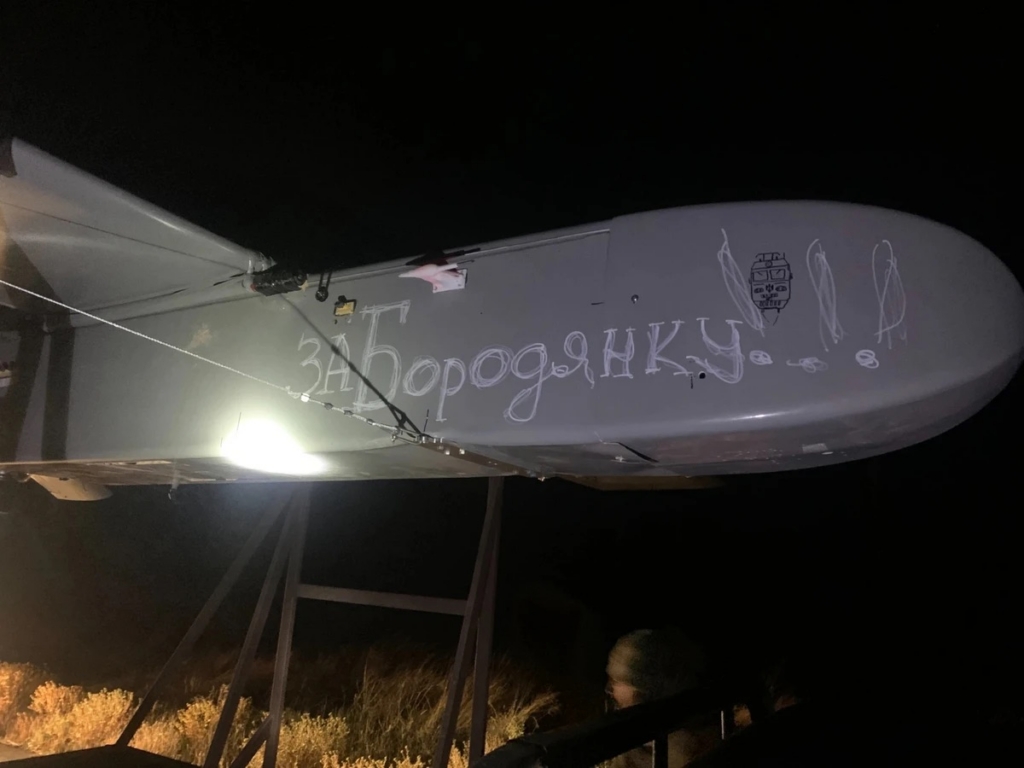
Featured Image: 14th UAS Regiment