


Jeppesen ends paper charts after decades of cockpit use

2 min read

Jeppesen has ended its long-running printed paper chart service, as the navigational information company continues to digitise the pilot flight bag.
Jeppesen shifts from chart binders to electronic flight bags
The service ceased on 31 October, bringing to a close the company’s commercial printing of the navigation charts that has been a familiar feature of flight decks for decades.
However, Jeppesen said that pilots and operators can continue to use printed material, and would still be able to print their own charts.
The decision comes amid the widespread adoption of electronic flight bags (EFBs), from tech logs to performance charts.

What is behind the change and what does it mean for pilots?
The cost and administrative hassle of producing and distributing paper publications, alongside the additional weight of carrying these items on board an aircraft through increased fuel burn, is behind the change.
Jeppesen said in its announcement of an end to printed pilot documents that most airline operations have already moved to digital charts.
The decision will therefore only affect a relatively small group of pilots, particularly those in general aviation where printed material remains the primary means of interacting with navigational information.
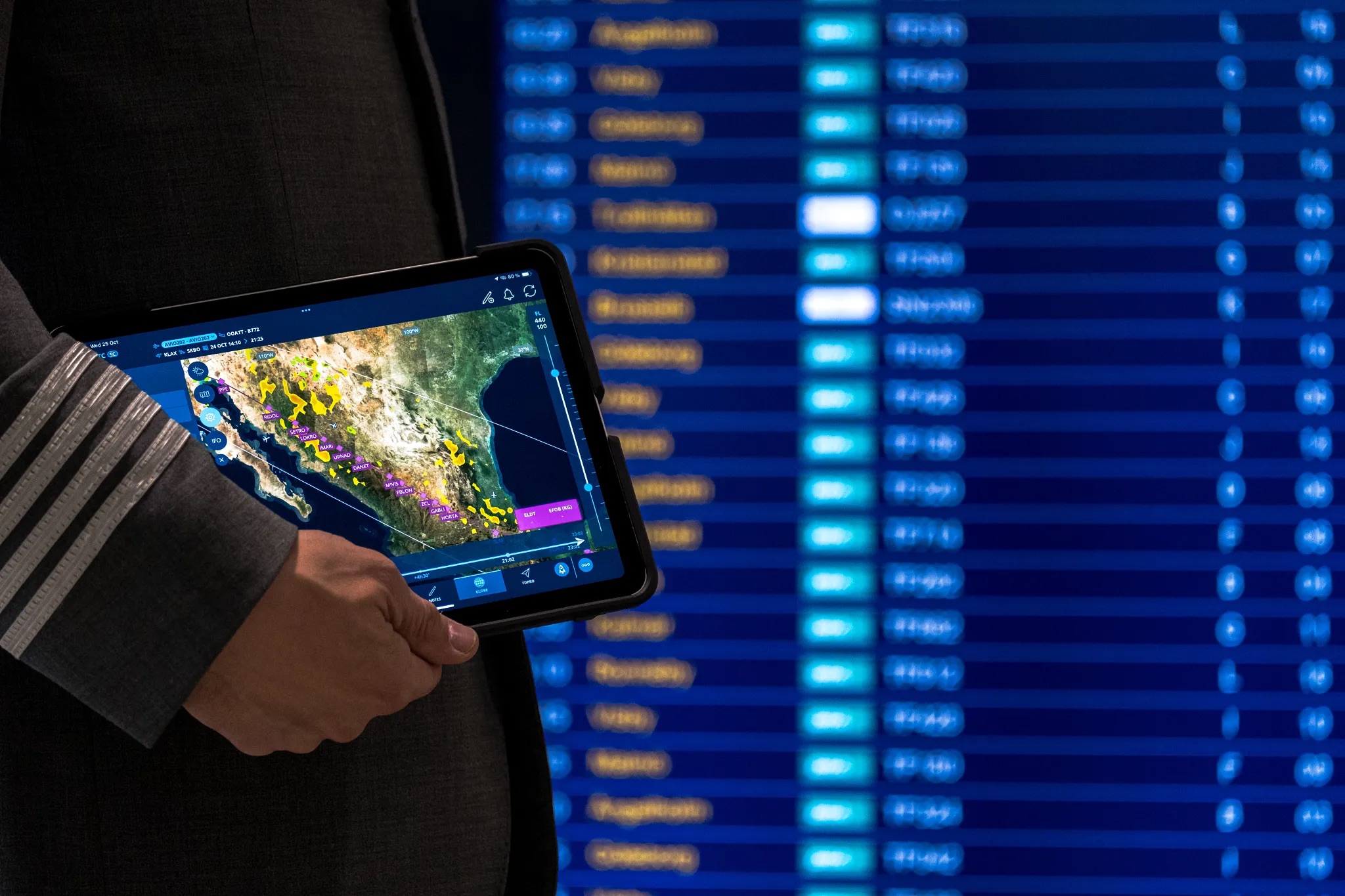
In an airline setting, pilots use digital software and iPads to access everything from performance calculations to live weather and moving maps.
What is Jeppesen’s advice to those who still want to use paper charts?
Since 1 November 2026, all remaining paper chart subscriptions have been terminated, and Jeppesen said a credit will be issued for any unused subscription period beyond that date.
The company is encouraging remaining paper-chart users to use their digital products instead, and has offered support and discounts to help with the transition.
The Jeppesen portfolio includes ground-based services and airborne applications, including ForeFlight on the Web and ForeFlight Mobile.
Customers can use several applications to print the charts they need, such as ForeFlight Mobile, which enables printing or exporting airport diagrams and approach plates.
End of an era for pilot charts
The announcement brings to a close an important chapter in the history of flight navigation.
Jeppesen has become a byword for navigational charts and the majority of pilots operating today will have trained using the paper versions of the charts, even if they now use digital versions in a commercial setting.
Private jet charter Globe Air has called Jeppesen a “cornerstone of modern aviation navigation” with their traditional printed charts being used for both pre-flight planning and in-flight navigation.
The transition away from paper charts is being underpinned by advances in digital flight-deck technology.
Jeppesen ForeFlight recently announced version 5.3 of its FliteDeck Pro software, adding an Enroute Profile View that combines terrain, weather and flight-plan altitude information in a vertical cross-section along the aircraft’s route, building on earlier enhancements such as graphical NOTAMs.
Sign up for our newsletter and get our latest content in your inbox.


More from

November 5, 20265 min read


