


SNC quits US Navy trainer contest, leaving Textron’s M-346N in pole position

3 min read
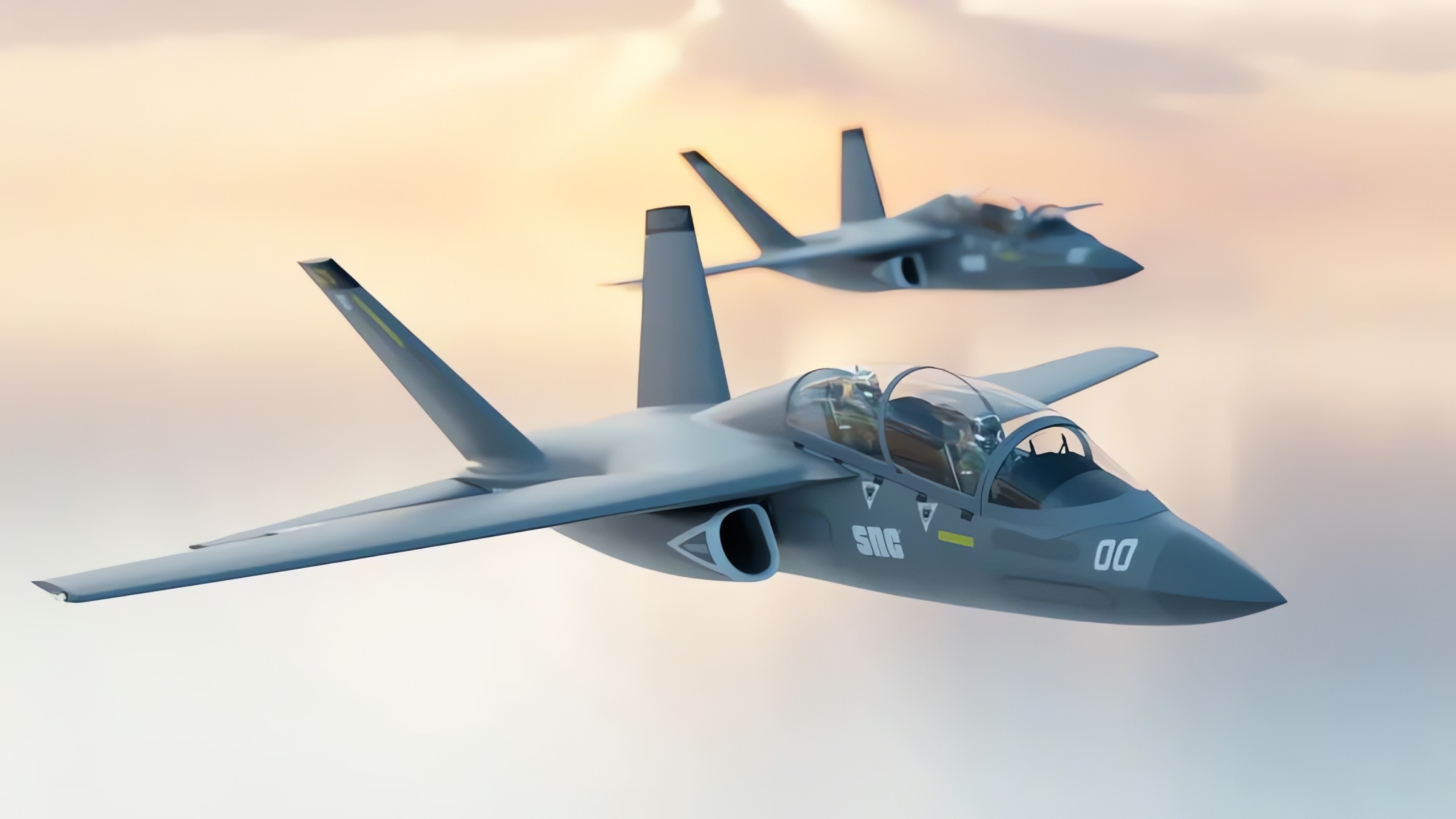
Sierra Nevada Corporation (SNC) has withdrawn from the US Navy’s Undergraduate Jet Training System (UJTS) competition, leaving Textron Aviation as the only known remaining major bidder to replace the service’s ageing T-45 Goshawk trainers.
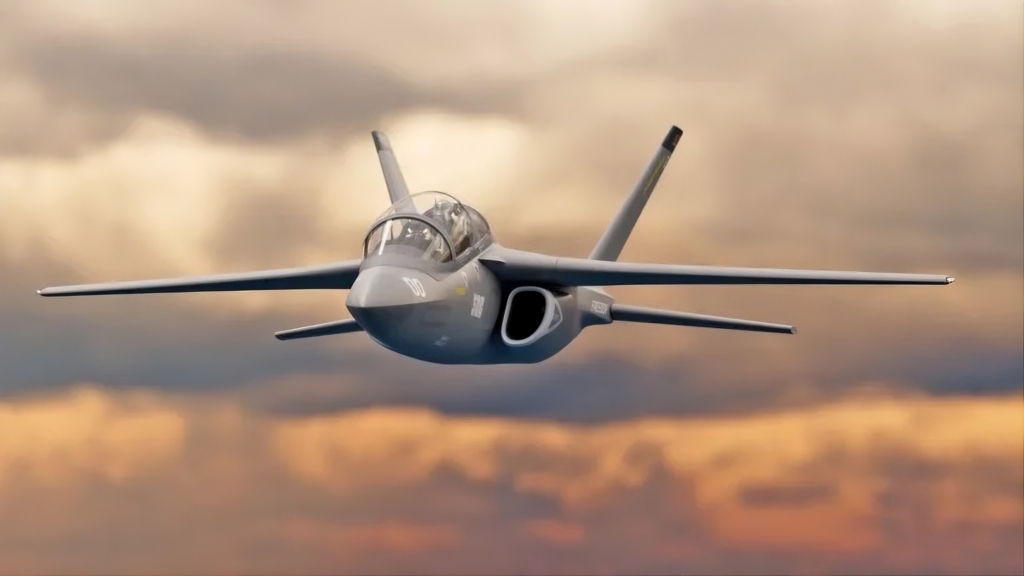
SNC was offering its clean-sheet Freedom Trainer for UJTS, a program to provide new jet training aircraft, simulators and digital training tools for future Navy and Marine Corps aviators.
Its departure puts Textron’s Leonardo-based Beechcraft M-346N in a commanding position, although the Navy has yet to select a winner.
SNC pulls its Freedom Trainer out of the competition
Despite the Freedom Trainer looking good on paper, it seems SNC could not reconcile its offer with the requirements of the contract, and has become the third company to drop out of the race in the last six months.
In an email to Breaking Defense, SNC stated:
“With great respect for the Navy and PMA-273, SNC could not responsibly bid the UJTS program under the current contract structure.”
SNC added that it would remain “committed to naval jet training and stand ready to re-engage if the approach is revisited.”
Beofre the summer, four major companies had declared an interest in supplying the navy with its next jet trainer – Boeing, Lockheed Martin, SNC and Textron. The crowd has now shrunk to a single credible competitor.
In April, Lockheed Martin dropped out of the competition. It was offering the TF-50N variant of the KAI T-50 trainer.
And then in June, Boeing likewise withdrew from the programme. Boeing was offering a variant of its incoming T-7A Red Hawk trainer.
SNC designed the Freedom Trainer specifically for the Navy, developing a clean-sheet aircraft intended to meet the full range of UJTS training requirements. It had teamed with Northrop Grumman and General Atomics to develop the aircraft, and although Northrop dropped out in September, SNC had planned to continue with GA as a partner.
Textron’s M-346N emerges as the front-runner
With its departure, Textron’s M-346N appears to already be the de facto winner, barring a surprise entrant. Textron is now the sole credible bidder.
Stavatti Aerospace also says it submitted a proposal, and there may be other companies in the mix that have not been publicly declared. Nevertheless, Textron remains the final declared prime in the running.
The Navy is targeting the first Low-Rate Initial Production (LRIP) of seven aircraft to be delivered in 2032, with Full-Rate Production (FRP) to start in 2035.
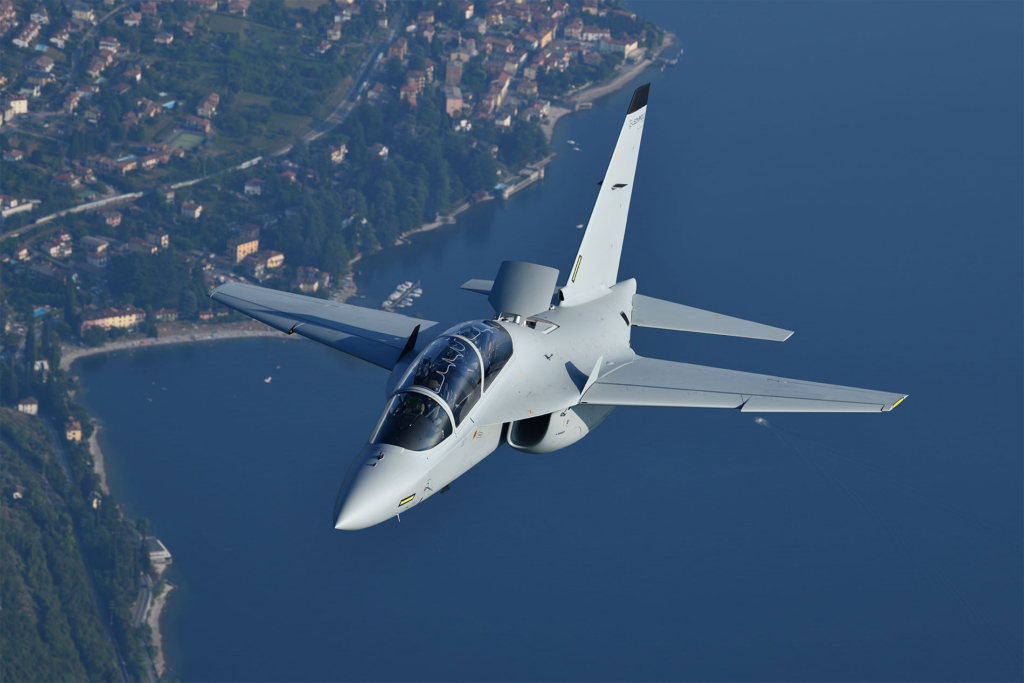
The Beechcraft M-346N is a proposed variant of the Leonardo M-346 which would be specifically adapted for the US Navy. Built in Italy, the M-346 is used in both training and combat and has been selected by numerous nations for their air forces.
In July 2026, Leonardo reported more than 170 aircraft ordered across the M-346 family and over 170,000 flight hours accumulated by the fleet.
The US Navy UJTS programme
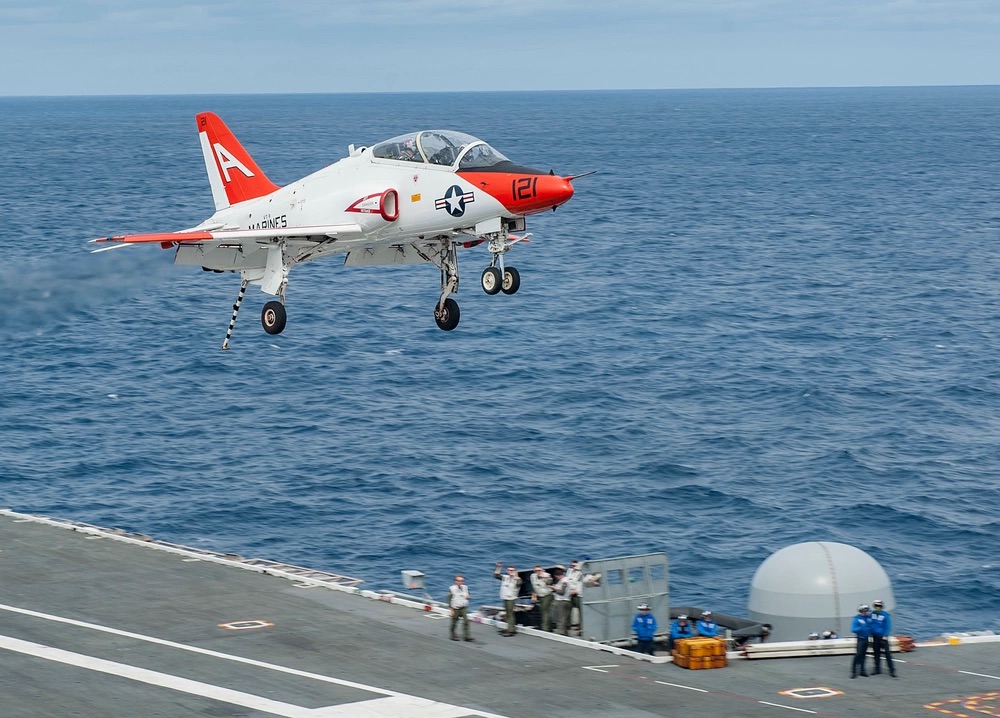
The UJTS programme is an effort to replace the ageing McDonnell Douglas T-45 Goshawk fleet, with the service expected to order up to 216 advanced jet trainers, along with simulators and digital training tools.
The Goshawk entered service with the Navy in the early 1990s and is used to train pilots for both the Navy and Marine Corps. It is a highly modified variant of the British BAE Hawk trainer.
The Navy is expected to announce a winner for the UJTS programme sometime between July and the end of September 2027, with the decision pushed back somewhat from March 2027.
Perhaps the most important change in Navy requirements for the trainer is the former requirement that it be able to support field carrier landing practice (FCLP) to touch down.
The Navy now intends to simulate a carrier landing on an airfield runway. In an RFP issued in March, the Navy stated, “The UJTS air vehicle will only be required to conduct Field Carrier Landing Practice (FCLP) to wave off.”
Sign up for our newsletter and get our latest content in your inbox.


More from


November 5, 20262 min read

November 5, 20265 min read


