


How spy planes collect intelligence without being detected

6 min read
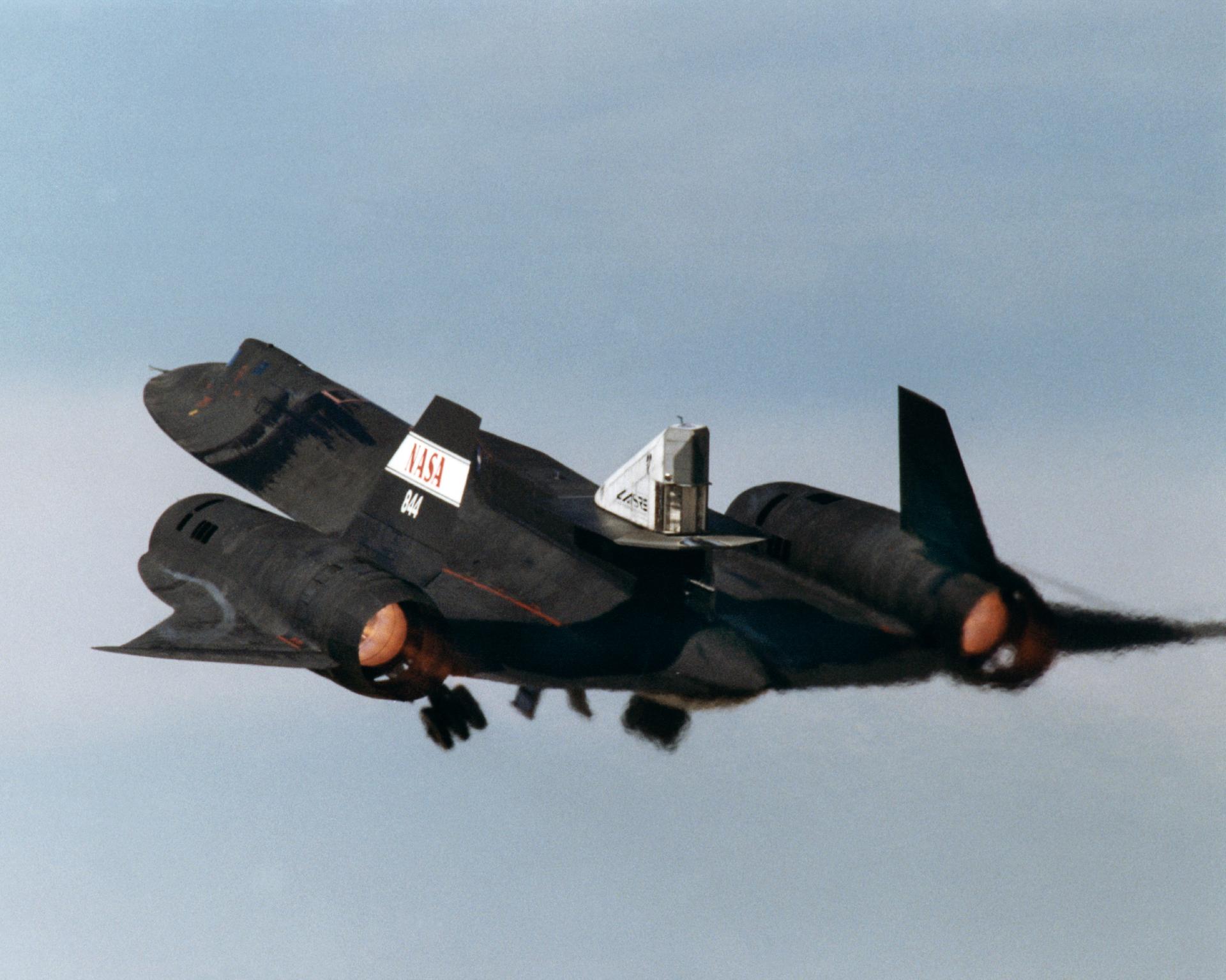

When asking how spy planes manage to collect intelligence without being detected, the answer, most of the time, is that they don’t. But not being detected and not being intercepted are two very different things. Some ‘spy planes’ are designed to operate undetected; others are not.
The category of ‘spy plane’ or reconnaissance aircraft is extremely broad. It can include everything from the famous high-Mach SR-71 Blackbird to E-7 Wedgetail AWACS to extremely secretive RQ-180s to even the F-35 fighter jet.
Most spy planes are veritable beacons
In some cases, spy aircraft are the exact opposite of stealthy or difficult-to-detect aircraft. Aircraft like the E-3A Sentry, A-50U Mainstay, and the E-7 Wedgetail constantly beam powerful radio frequency (RF) energy across the sky to track aircraft, ships, and other targets or objects of interest.
To modern long-range enemy radars, these beams light up the aircraft like the proverbial Christmas tree, even without considering the aircraft’s massive radar cross-section (RCS). Modern AWACS also have passive detection capabilities, although their RCS remains.
Reconnaissance aircraft actively emit to detect enemy aircraft. They are not trying to hide: their job is to illuminate the battlespace and provide information to friendly forces.
| Technique | How it works | Example |
| Low observability | Reduces radar and other detectable signatures | RQ-170, B-21 |
| Passive sensing | Collects information without transmitting radar signals | F-35, SIGINT aircraft (e.g., RC-135) |
| Emissions control | Restricts or manages electronic transmissions | B-21, F-35 |
| High altitude and speed | Reduces the ability of hostile forces to intercept the aircraft | U-2, SR-71, black box Locheed ‘SR-72’ |
| Stand-off collection | Collects intelligence without entering defended airspace | RC-135, satellites |
AWACS aircraft are extremely detectable, almost by definition. This likely contributed to Ukraine shooting down two of Russia’s rare A-50Us and featured in wider debates surrounding the US Air Force announcing it would abandon efforts to purchase the E-7 Wedgetail.
The USAF has since reversed its position on the E-7, but the inherent vulnerability remains. For these aircraft to remain viable, they have to be operated deep behind the lines, out of range of enemy air defences and where they can be effectively protected.
During peacetime, these aircraft are extensively operated in allied and international airspace to monitor hotspots, such as Kaliningrad and the Black Sea. In a hot war, these flights would likely be more challenging and may require aircraft to operate further from contested airspace.
Flying higher and faster
In the early Cold War, the United States Air Force looked to altitude and speed to protect its spy aircraft. The famous Lockheed U-2 Dragon Lady was designed to fly at altitudes of around 70,000 feet, out of range of Soviet air defence.
But Soviet air defences quickly developed, and Gary Powers’ U-2 was shot down by the Soviets in 1960. The Air Force was already aware of the U-2’s vulnerability, and programmes that would later give rise to the SR-71 were already underway.
The SR-71 did have some RCS-reduction features, but it was not a stealth aircraft and was not intended to remain undetected by Soviet air defence.
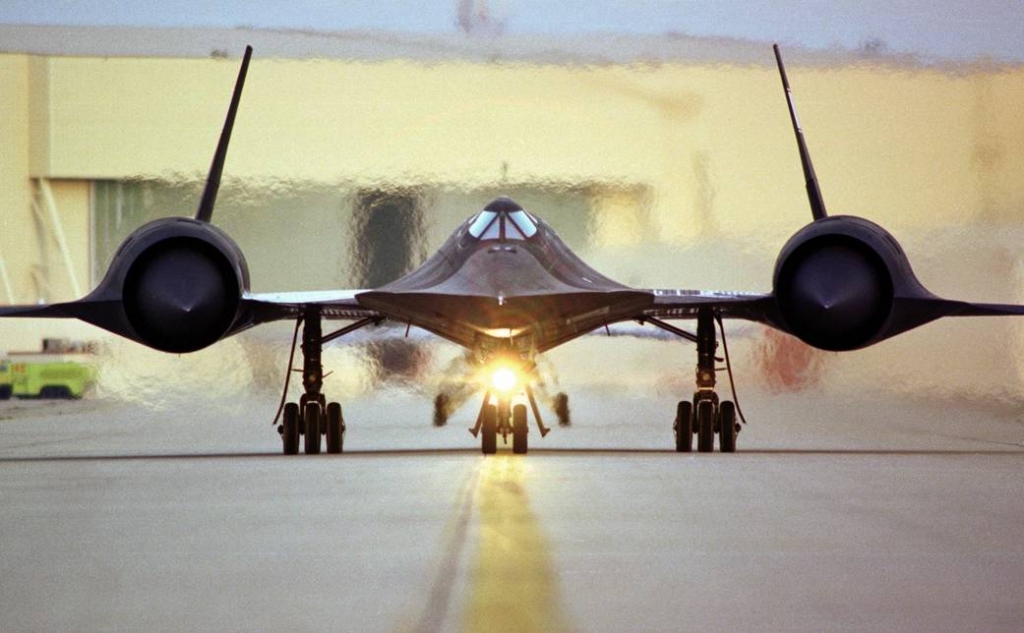
Instead, it relied on speed (Mach 3+ in dashes) and altitude (80,000+ feet) to evade air defence. Famously, its pilots have claimed it outran numerous Soviet and other enemy interceptor missiles over its career and was never shot down.
Separately, 2026 has seen credible speculation that NASA is gearing up to use a formerly retired SR-71 airframe as a testbed for new high-Mach technologies, likely engines.
Together with an overall race to develop hypersonic systems, Skunk Works’ reported SR-72 development effort, and Hermeus’s stated ambitions, the future of spy aircraft may include a return to high-Mach.
Operating outside of enemy airspace
An important dimension often left out of the conversation about the controversial retirement of the SR-71 is that much of the work of spy aircraft moved outside of enemy airspace.
Violating a nation’s airspace is considered a hostile act and carries political consequences. In some circumstances, repeated or deliberate violations may be viewed as highly escalatory.
Since the SR-71 debuted, a range of systems have emerged to fill much of the role without violating airspace. These include satellites operating far beyond a nation’s airspace and longer-range information collection capabilities such as SIGINT.
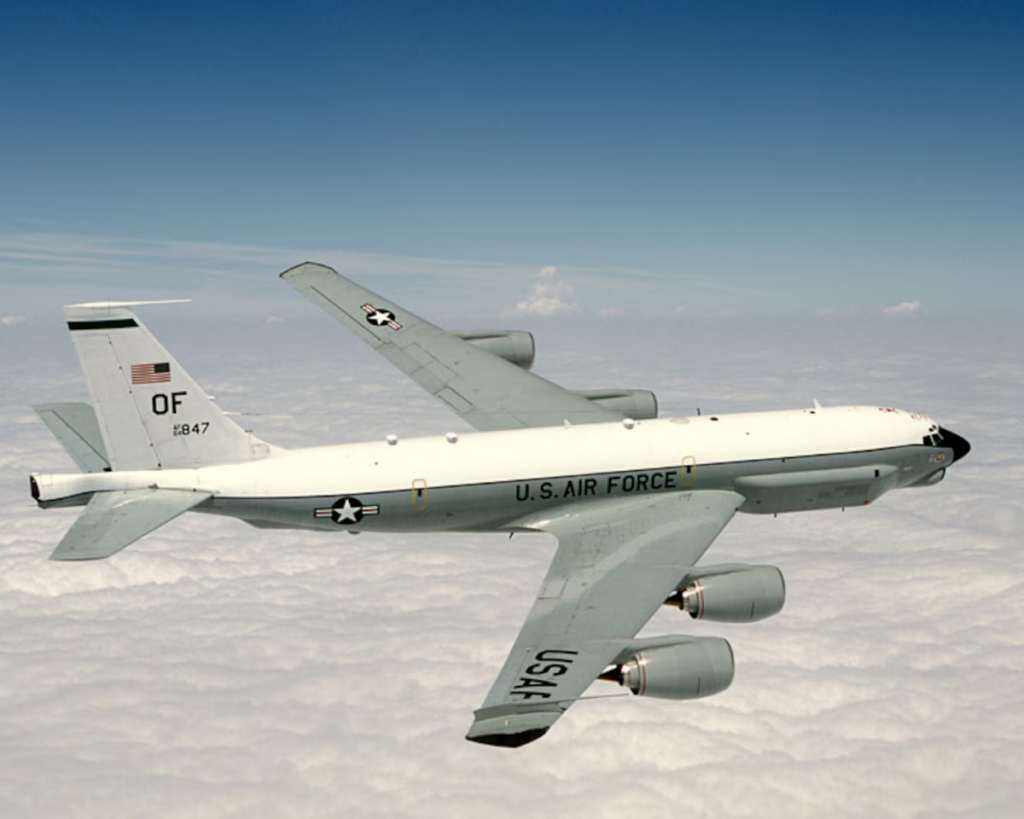
This is not to say that the need to overfly enemy airspace is gone. In practice, countries like the US typically fly uncrewed systems like the MQ-9 Reaper and RQ-170 Sentinel over enemy and contested airspace.
Drones are seen as less escalatory, and their loss carries far less political risk. Some of these systems (e.g., MQ-9) have been routinely detected and shot down by Iranians and Houthis in recent years.
Modern combat aircraft as spy aircraft
Perhaps one of the most significant aspects of modern 5th- and upcoming 6th-generation combat is the extent to which they blur Cold War-era fighter, bomber, reconnaissance, attack, and other categories.
The F-35A, as a multirole fighter, doesn’t just mean it takes on fighter jet attack and air superiority roles, but it is increasingly moving into the reconnaissance domain as well. It is, at least in part, a spy plane by some definitions.
The F-35A is designed to be stealthy and use a range of passive and active sensors. It can be the quarterback, quietly sensing its environment and passing that information to other platforms (e.g., Typhoons, F-15s) to engage.
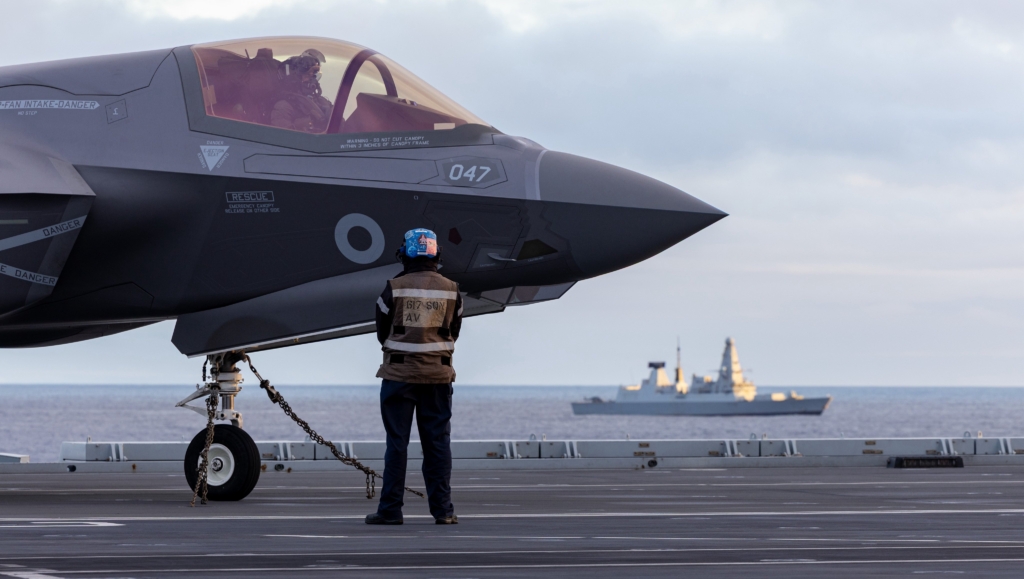
Ongoing Block 4 upgrades are set to significantly expand the F-35A’s capabilities in these domains. It is also receiving a new active AN/APG-85 AESA radar that can be used for missions from improved detection to increased jamming and electronic warfare.
Northrop Grumman’s incoming B-21 Raider is expected to take this concept further. It will be much more than a stealth bomber; the USAF expects it to be a stealthy scout and sensor in its own right, eventually flying with loyal wingman drones.
These aircraft operate in a complex network of systems, which makes them increasingly difficult to discuss in isolation.
Actual stealth spy planes
Perhaps the best examples of a dedicated spy airplane are the secretive RQ-170 (confirmed to exist) and the RQ-180 (strongly believed to exist).
As these flying wing drones are secretive, it is difficult to say much about them. That said, it is clear they use many of the same stealth (low-observable) characteristics found on the B-2 Spirit bomber and subsequent stealth fighters.

As stated above, emitting is, generally speaking, a sure-fire way to be detected. These aircraft are likely to combine low-observable airframe designs with sophisticated electronic warfare systems, passive electro-optical sensors, and carefully managed radio-frequency emissions.
Stealth does not make an aircraft literally invisible, but it can significantly reduce the distances at which hostile systems can detect, identify, and track it.
Finally, spy or reconnaissance aircraft are generally some of the most secretive of all military aircraft programmes. If the USAF or other major air forces operate types of classified military aircraft undisclosed to the public, chances are high that they are in this broad category.
Sign up for our newsletter and get our latest content in your inbox.