Six reasons NASA’s SR-71 Blackbird #844 could be its best bet for a comeback

3 min read
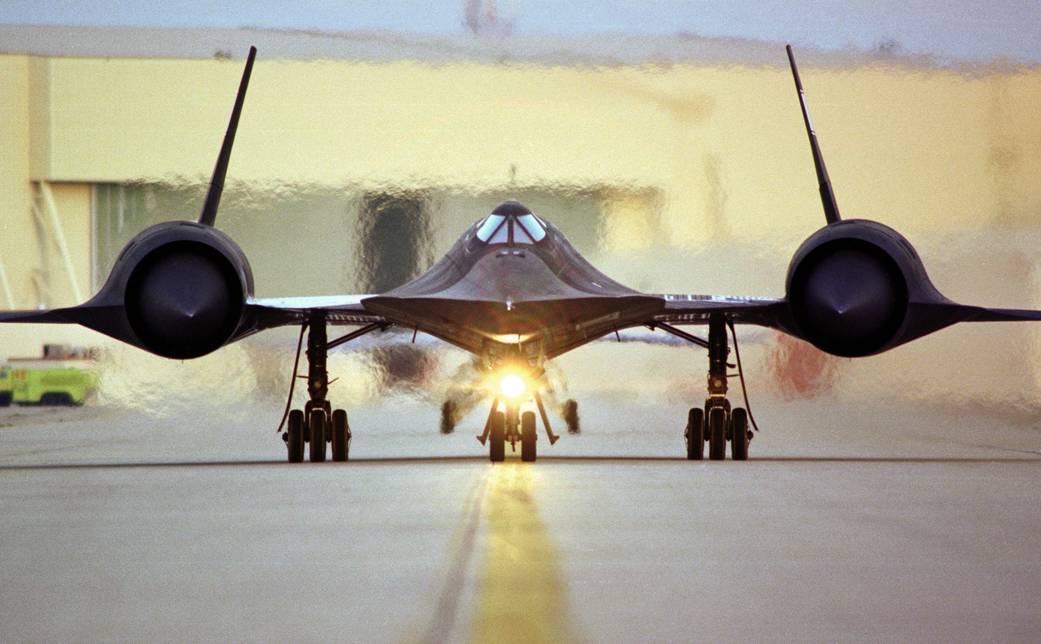
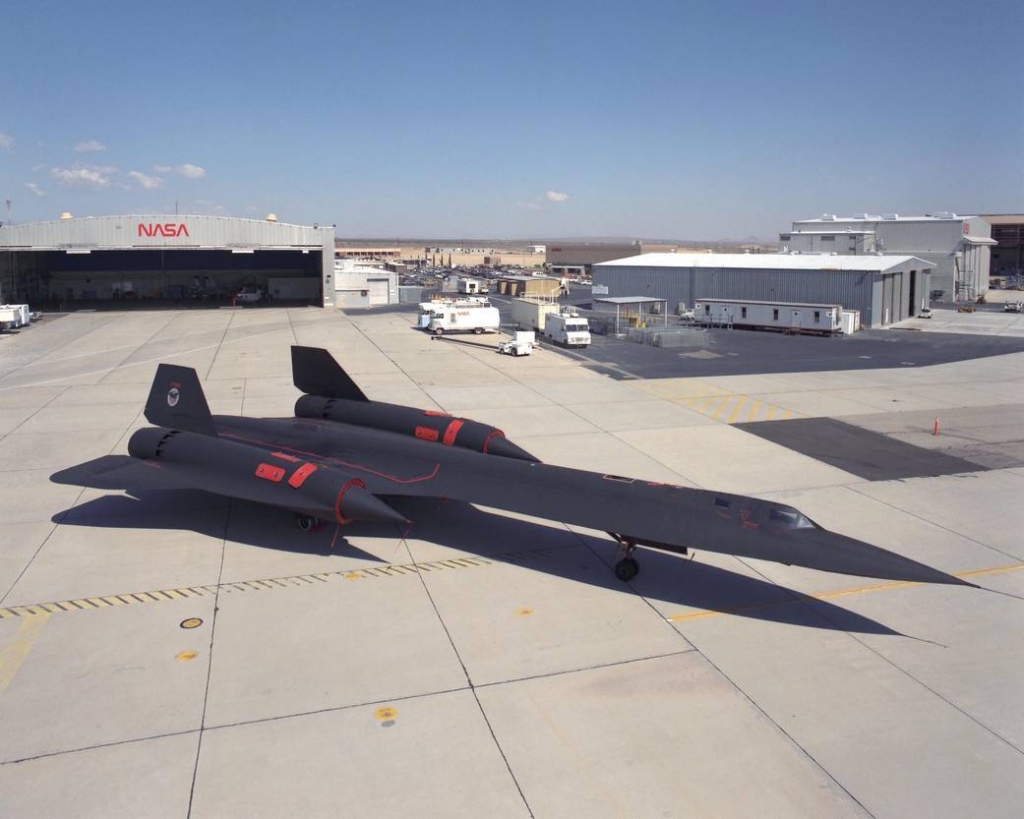
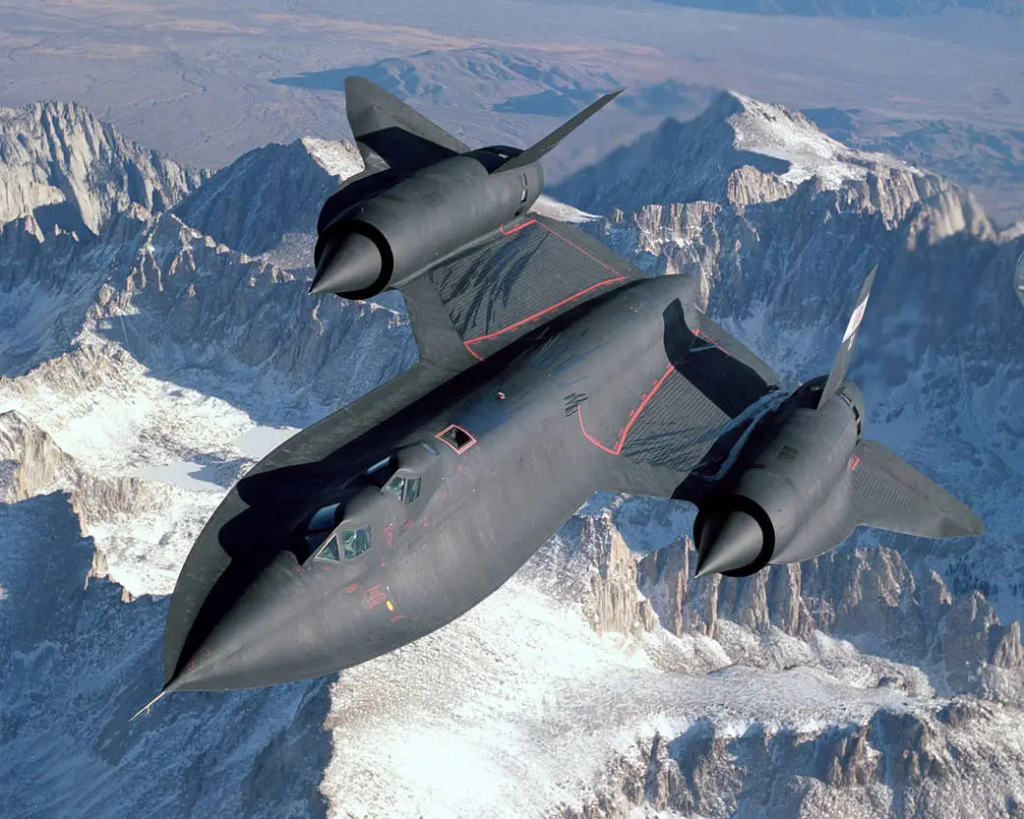
For years, NASA’s SR-71 Blackbird stood outside Armstrong Flight Research Center, its long, black fuselage a reminder of an era when flight research routinely ventured beyond Mach 3.
Now its parking spot is empty, and the aircraft that made the Blackbird’s final flight is at the centre of an intriguing possibility: could it fly again?
Aviation Week reports that NASA moved ship #844 into the former space shuttle hangar at Edwards Air Force Base and approached former SR-71 personnel about a return-to-flight project. NASA has not confirmed such a program or explained the aircraft’s removal.
If a revival is taking shape, however, #844 brings considerably more to the project than its unmistakable silhouette. Beneath that black skin lies the history of a purpose-built flying laboratory.
1. NASA already strengthened #844 for heavy experiments
Putting experimental hardware on the back of an aircraft capable of Mach 3 takes more than finding somewhere to bolt it down.
For the Linear Aerospike SR-71 Experiment, or LASRE, NASA reinforced #844’s fuselage and installed dedicated attachment points. The modified structure used a safety factor of 2.25, against the aircraft’s normal 1.5.
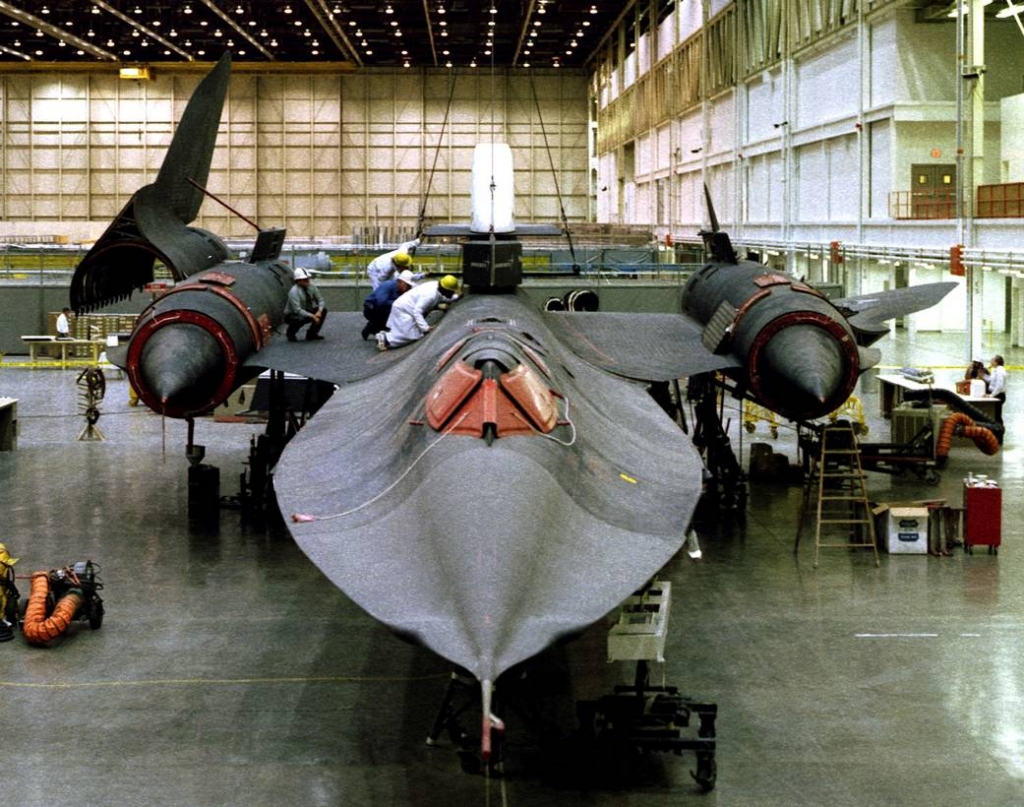
Those documented modifications offer engineers a starting point for assessing new payloads.
2. Its J58 engines received special attention
Dragging a large experiment through the sound barrier demanded extra muscle.
Pratt & Whitney selected two particularly strong J58 engines and a spare. Adjustments to rotor speed and turbine temperature delivered a predicted average thrust increase of about 5% across the Mach range.
That performance heritage is useful, although it says nothing about the engines’ condition today.
3. It was equipped to bring the science home
Speed alone does not make a research aircraft useful. Engineers need to know what happened along the way.
NASA equipped #844 to record experimental data and transmit it to the ground. Its research program also documented temperatures, structural loads, airflow and handling characteristics.
That archive could inform a revival, even if much of the onboard equipment requires replacement.
4. It proved it could carry an extraordinary load
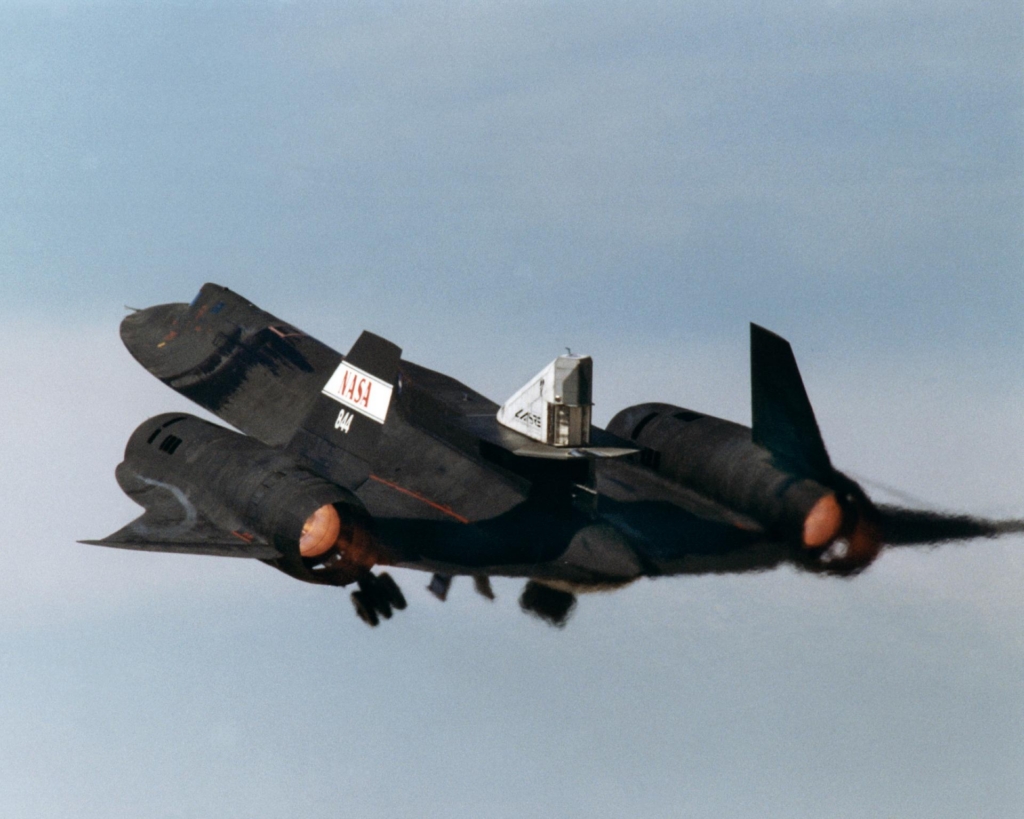
The LASRE installation looked like something borrowed from another aircraft and left on the Blackbird’s back.
Weighing roughly seven tons, it carried a small lifting-body model incorporating a linear aerospike rocket engine, part of research supporting the proposed X-33 space vehicle. Ship #844 became a flying test stand for an ambitious propulsion concept.
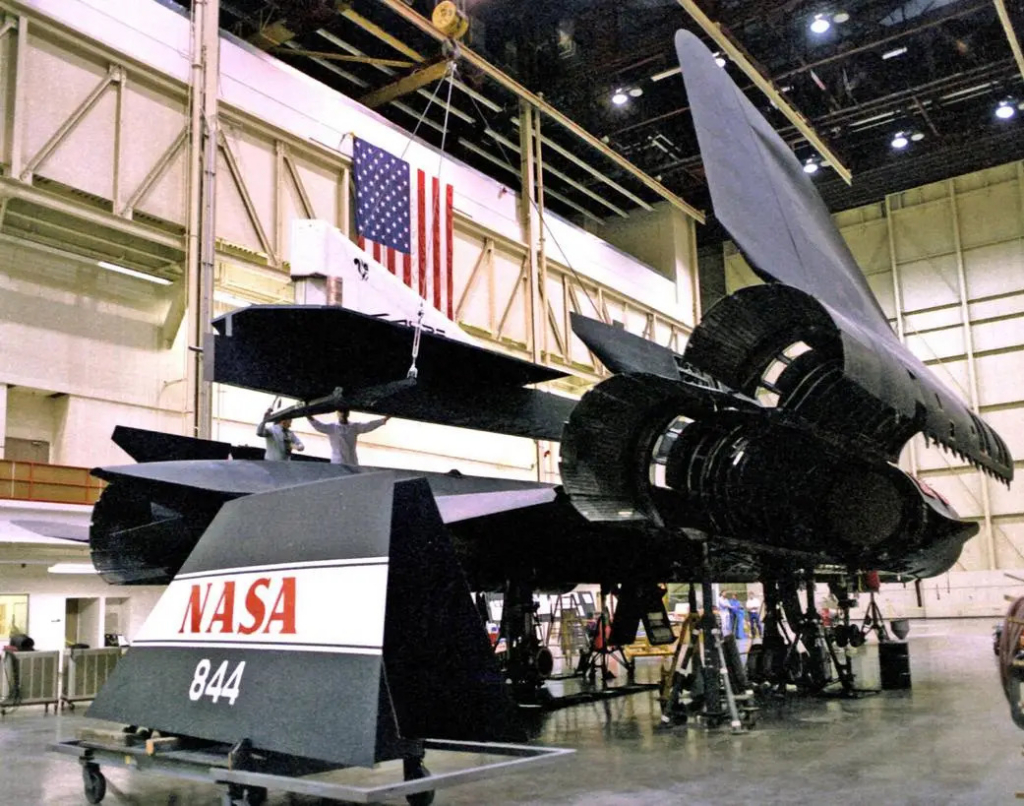
The rocket engine was never hot-fired in flight. However, after the model was removed, NASA flew four research missions in 1999 to examine stability and handling with the remaining 41-foot fixture at around Mach 3. That gives any future team actual flight experience to study.
5. It was the last Blackbird to leave the runway
On October 9, 1999, #844 flew at the Edwards air show, closing the flying chapter of the entire Blackbird family.
NASA initially placed its remaining SR-71s in flyable storage, a status that lasted until 2002. That gives #844 a relatively late operational baseline, although nearly three decades have since passed.
Its farewell also offers a useful reminder of the machinery behind the legend: a fuel leak prevented another planned appearance the following day.
6. It is already where NASA would need it
Before engineers can revive a museum aircraft, they must first get it into a workshop.
Ship #844 remained at Armstrong, within Edwards, rather than being shipped to a distant collection. Its reported journey into the former shuttle hangar therefore avoided the immediate complication of transporting a Blackbird across the country.
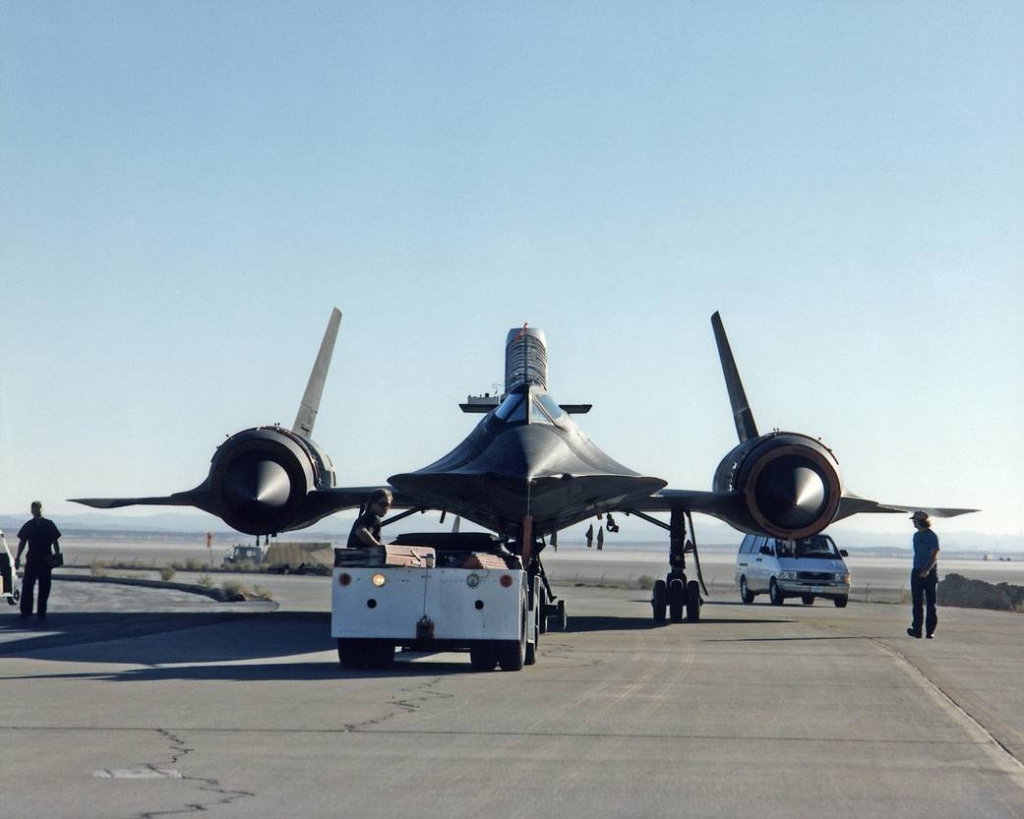
None of these advantages makes restoration straightforward. Former program staff have raised concerns about ageing engines, missing ground equipment and a depleted supply of spare parts.
But if NASA intends to put a Blackbird back into the sky, #844 comes with something valuable: the engineering record of an aircraft that had already traded reconnaissance missions for experiments at the edge of its flight envelope.
Sign up for our newsletter and get our latest content in your inbox.


More from


October 17, 20264 min read