Boeing 737 MAX 10 certification: Which airlines will receive the first aircraft?

6 min read
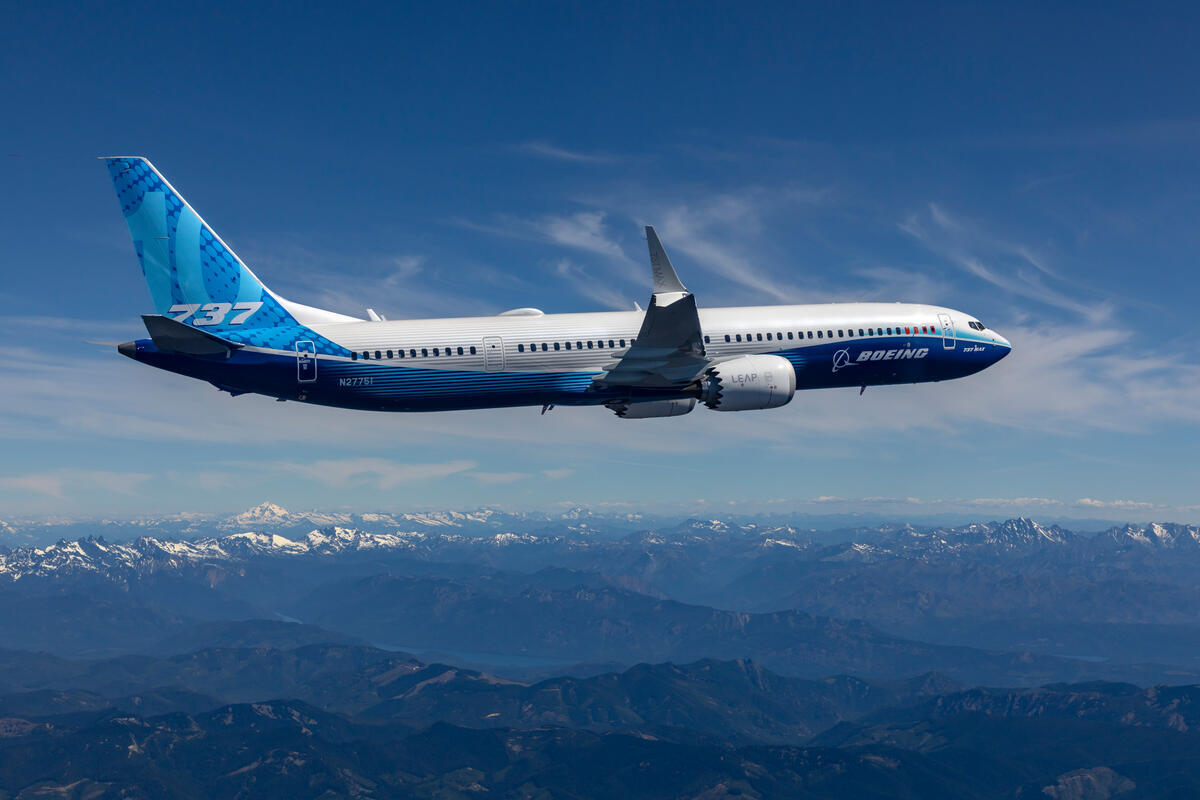
WestJet, Ryanair, Alaska Airlines, Delta Air Lines and United Airlines are preparing for Boeing’s largest 737 MAX. With certification now achieved, the race for the first deliveries is now expected to gather pace.
Boeing’s long-delayed 737 MAX 10 reached a major milestone on 20 October when the US Federal Aviation Administration (FAA) granted certification. Attention is now turning to which airlines will receive the first aircraft and how the largest member of the MAX family will reshape their fleets.
WestJet currently looks like the strongest contender for the first delivery. Aircraft lessor Aviation Capital Group (ACG) confirmed that its first MAX 10 is scheduled to go to the Canadian airline. Ryanair is also targeting aircraft in early 2027, while Alaska Airlines, United Airlines, and Delta expect deliveries during the year.
However, a planned first delivery is different from a confirmed launch operator. Until Boeing or the airline verifies the first handover and entry into commercial service, that distinction remains important.
WestJet: Leading candidate for the first Boeing 737 MAX 10 delivery
WestJet has one of the strongest officially supported claims to an early MAX 10 delivery. ACG confirmed on 20 October that its first aircraft of the type is scheduled to be delivered to the Canadian carrier.
ACG has 63 MAX 10s on order, making it an important customer for Boeing. Its announcement provides a clear indication of WestJet’s position in the delivery queue, although it does not establish the precise handover date.
WestJet is targeting entry into service in the first quarter of 2027, putting it near the front of the expected schedule.
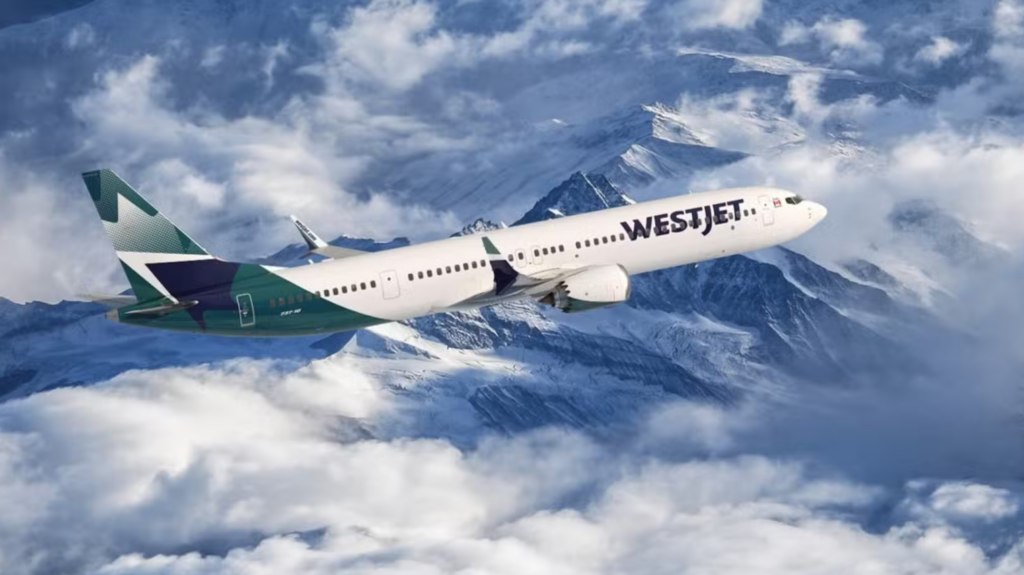
The MAX 10 offers the airline additional seating capacity on busy domestic and international routes without requiring a move to a larger, twin-aisle aircraft.
More seats can reduce costs per passenger when demand is strong, while commonality with WestJet’s existing 737 MAX fleet should simplify pilot training, maintenance, and day-to-day operations.
These advantages make WestJet a logical early recipient. Nevertheless, the airline should be described as the frontrunner rather than a confirmed launch operator until the first delivery and service entry are officially verified.
Ryanair: A potential early European operator
Ryanair could also be among the first airlines to introduce the MAX 10. Chief executive Michael O’Leary told media outlets on 20 October that the airline expects to receive 16 aircraft in early 2027.
The Irish low-cost carrier has ordered up to 300 MAX 10s, comprising 150 firm orders and 150 options. The aircraft is central to its longer-term expansion strategy.

With capacity for up to approximately 230 passengers, depending on configuration, the MAX 10 can carry more people per departure than smaller 737 variants.
For Ryanair, that means the potential to spread operating costs across more seats while maintaining its single-aisle, high-utilisation business model.
The airline has previously said the MAX 10 will offer 21% more seats, burn 20% less fuel and be 50% quieter than its 737 Next Generation aircraft. Those benefits support its strategy of keeping fares competitive while expanding capacity on popular European routes.
Ryanair’s expected early-2027 deliveries could make it one of Europe’s first MAX 10 operators. However, its delivery forecast does not establish that it will receive the first aircraft worldwide.
Alaska Airlines: More seats and lie-flat premium cabins
Alaska Airlines expects its first MAX 10 delivery in the second quarter of 2027, placing it behind the earliest anticipated WestJet and Ryanair arrivals.
The aircraft is nevertheless a significant part of Alaska’s fleet strategy. Alaska Air Group has made substantial commitments to the MAX family, including a major order for additional MAX 10s.
What distinguishes Alaska is its premium-cabin plan. The airline intends to equip at least 25 MAX 10s with its new Aurora lie-flat suites, featuring 12 suites per aircraft. This will bring lie-flat seating to Alaska’s 737 fleet for the first time.

The larger aircraft will allow Alaska to combine increased capacity with a more differentiated passenger experience, particularly on premium transcontinental routes. More economy seats can support volume, while lie-flat suites provide an opportunity to attract higher-paying customers.
Fuel efficiency and the operating advantages of a single-aisle aircraft should also make the MAX 10 attractive on high-demand domestic services. Alaska’s approach demonstrates that the aircraft is not simply about fitting in more seats: it can also support a more premium cabin strategy.
Delta Air Lines: A major fleet-renewal programme
Delta has 100 firm MAX 10 orders and expects deliveries to begin in 2027, although a precise first-delivery quarter has not been established publicly.
The airline plans to use the aircraft across major hubs, including Atlanta, Boston, Detroit, Los Angeles, Minneapolis–St. Paul, New York and Seattle. This gives the MAX 10 a potentially broad role on high-volume domestic routes.
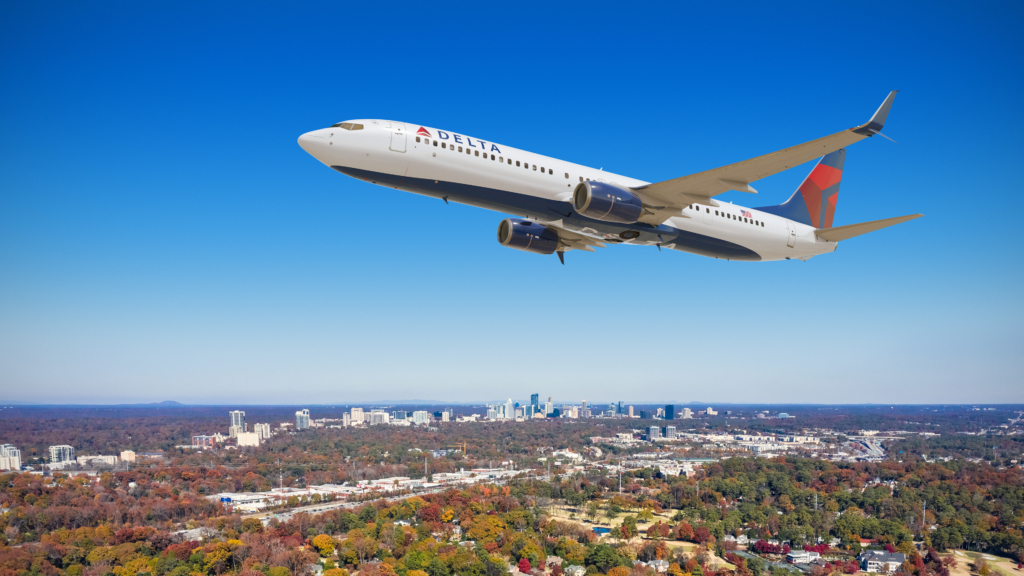
Delta expects the aircraft to help replace older jets while adding capacity and improving fuel efficiency. Its planned cabin will feature a substantial premium offering, with nearly one-third of seats designated as premium seating. In-flight entertainment, seat power and high-speed satellite Wi-Fi are also part of the planned onboard experience.
For Delta, the MAX 10 represents both fleet renewal and an opportunity to increase capacity without compromising its focus on premium revenue.
Its substantial order makes it one of Boeing’s most important customers, even if its initial delivery timing is less specific than WestJet’s or Alaska’s.
United Airlines: Another customer to watch
United is another major MAX 10 customer, with a substantial order book supporting its future narrowbody fleet.
The aircraft offers United an opportunity to add seats on busy domestic routes while replacing older aircraft with a more fuel-efficient type. Its larger capacity is particularly useful where demand is strong enough to justify more seats, but a widebody aircraft would be unnecessary.
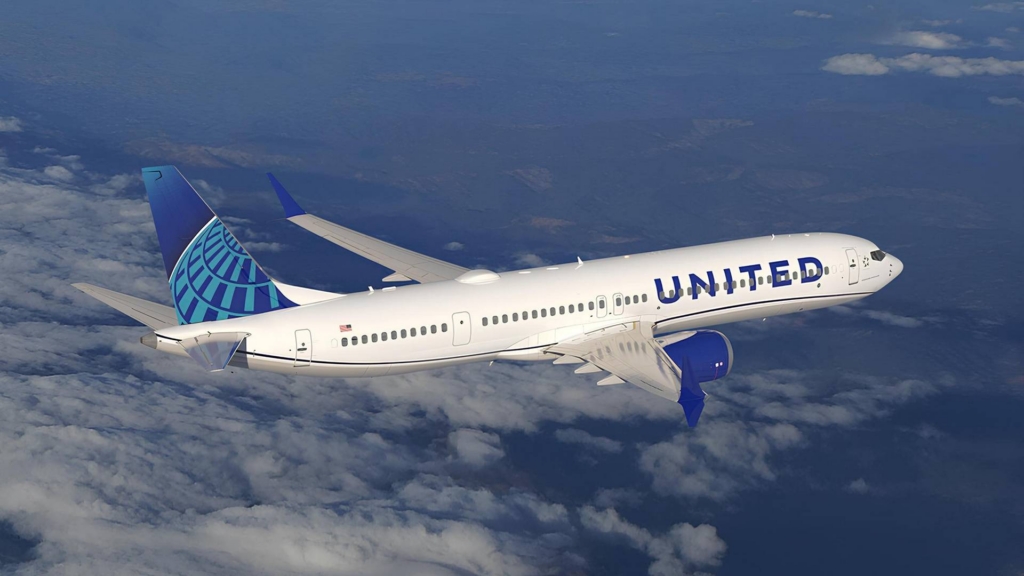
United’s position in the delivery race will depend on Boeing’s production schedule and the airline’s fleet requirements. Without a verified first-delivery date placing it ahead of other customers, United is best viewed as an important operator to watch rather than a leading candidate for the first aircraft.
Boeing 737 MAX 10 delivery timeline: Which airline will receive the first aircraft?
These are airline expectations, not guaranteed delivery dates. Certification is a major milestone, but production readiness, aircraft acceptance and applicable regulatory approvals will also affect the schedule.
Verdict: WestJet leads, but confirmation matters
WestJet is currently the strongest candidate for the first MAX 10 delivery, supported by ACG’s direct confirmation and its Q1 2027 entry-into-service target. Ryanair is also positioned for an early arrival, with 16 aircraft expected in early 2027.
Alaska has a clearer second-quarter target, while Delta and United remain significant customers with delivery schedules that may evolve as production ramps up.

The FAA’s certification marks a turning point for Boeing’s long-delayed aircraft. The next test is turning approval into dependable deliveries. For airlines, the MAX 10 promises a valuable combination of additional capacity, improved efficiency and more flexible cabin configurations.
Until Boeing or an airline confirms the first delivery and commercial entry into service, however, WestJet should be considered the frontrunner, but not definitively declared the launch operator.
Sign up for our newsletter and get our latest content in your inbox.


More from


October 17, 20264 min read