


Airbus forecasts need for 2.4 million additional aviation workers by 2045

4 min read
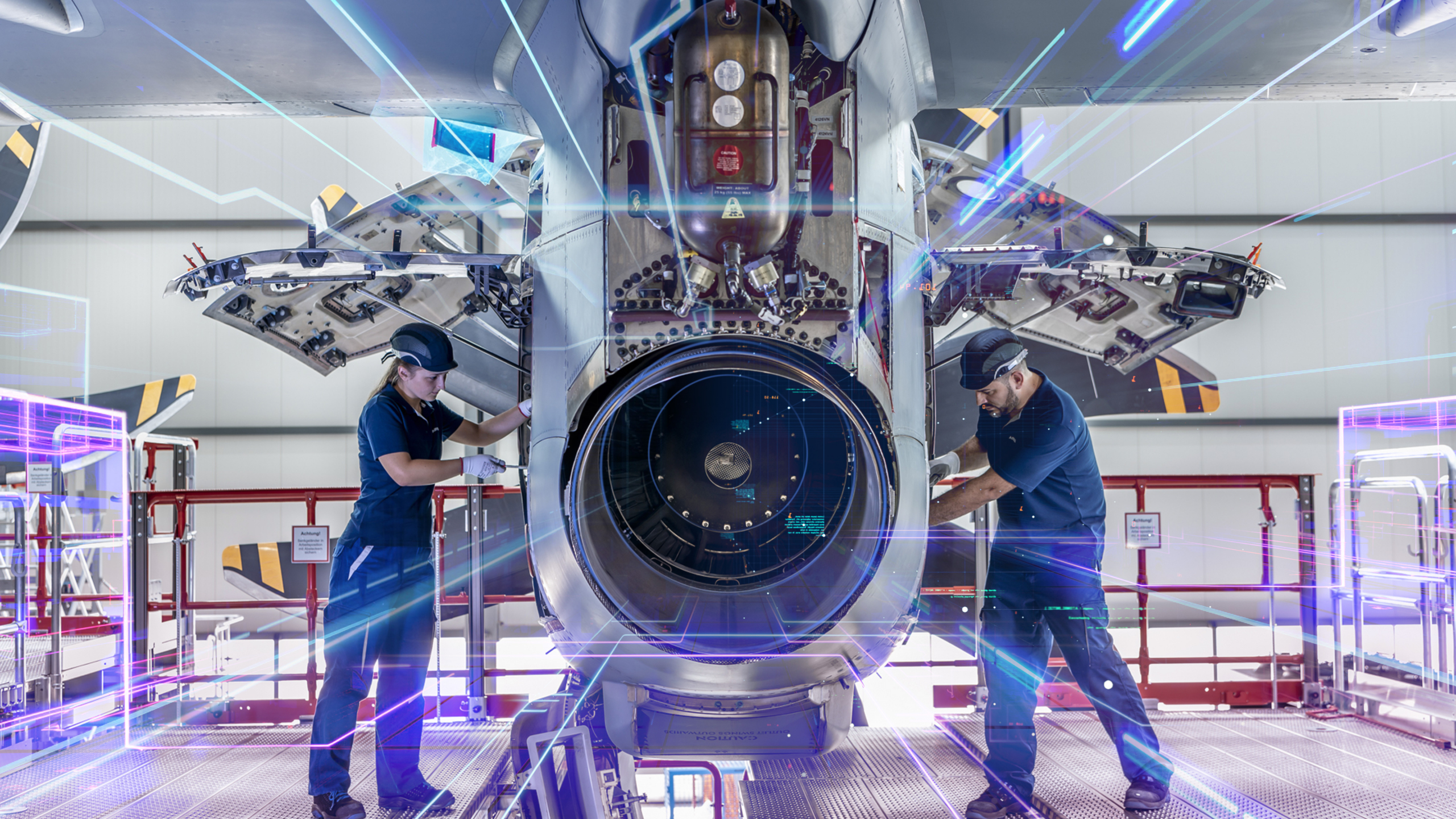
As demand for air travel continues to grow, Airbus forecasts the global services market will reach $422 billion – and this is expected to drive a surge in demand for skilled workers.
European aircraft manufacturer Airbus said on Wednesday that demand for aviation services will double between 2026 and 2045. The services market is projected to reach $422 billion in 2045 (up from $209 billion today). This represents a compound annual growth rate (CAGR) of 3.8%.
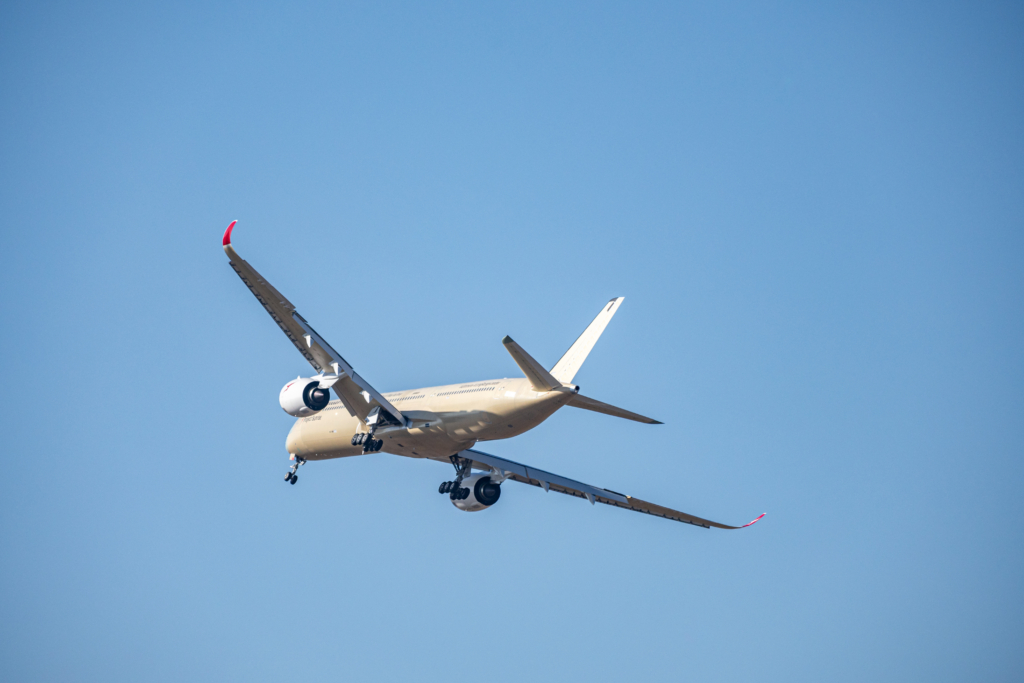
The workforce requirement is expected to hit 2.44 million over the same period. This will comprise 730,000 maintenance technicians, 660,000 pilots, and 1.05 million cabin crew, according to Airbus.
Airbus forecasts a doubling in passenger and fleet numbers
Airbus projects that global passenger traffic will double over the next two decades, with an additional 1.4 billion people travelling by air. By 2045, around 10 billion passengers are expected to take to the skies annually.
The manufacturer also estimates that the global fleet will expand by 45,550 aircraft over the same period. This will underpin the demand for maintenance, technical support, training and digital services.
Aviation services play a critical role throughout an aircraft’s lifecycle, from entry-into-service to end-of-life retirement and recycling, according to Airbus. They also contribute to improving the passenger experience through connected cabins, modernised interiors and greater flight reliability.

“We need to get ready,” said Cristina Aguilar Grieder, SVP Customer Services Commercial Aircraft at Airbus, highlighting the scale of the industry’s upcoming fleet transition.
She noted that more than 18,000 aircraft are due for retirement and recycling over the next 20 years. Airbus, she said, is therefore expanding its role as an integral services partner to support partners.
“By integrating predictive operations, fleet modernisation and advanced digital solutions, we are helping airlines ensure fleet availability, reliability, safety and long-term operational excellence,” she continued.
Maintenance to account for largest share of services market
Airbus has identified six key service segments expected to drive growth over the next 20 years.
- Off-wing maintenance: $217 bn by 2045, with a 3.7% CAGR.
- Maintenance operations support: $104 bn, with a 4.3% CAGR.
- On-wing maintenance: $ 36 bn, with a 2.8% CAGR
- Digital & connectivity: $27 bn, with a 5.3% CAGR
- Modifications and upgrades: $21 bn, with a 2.6% CAGR
- Training: $17 bn, with a 3.1% CAGR
The doubling in off-wing maintenance value will be driven by more frequent shop visits as the global fleet expands and ages. Material supply is expected to account for a significant share of the market, reflecting demand for parts support and repairs. Meanwhile, on-wing maintenance, ranging from light inspections to extensive checks, will also grow in line with global fleet expansion.
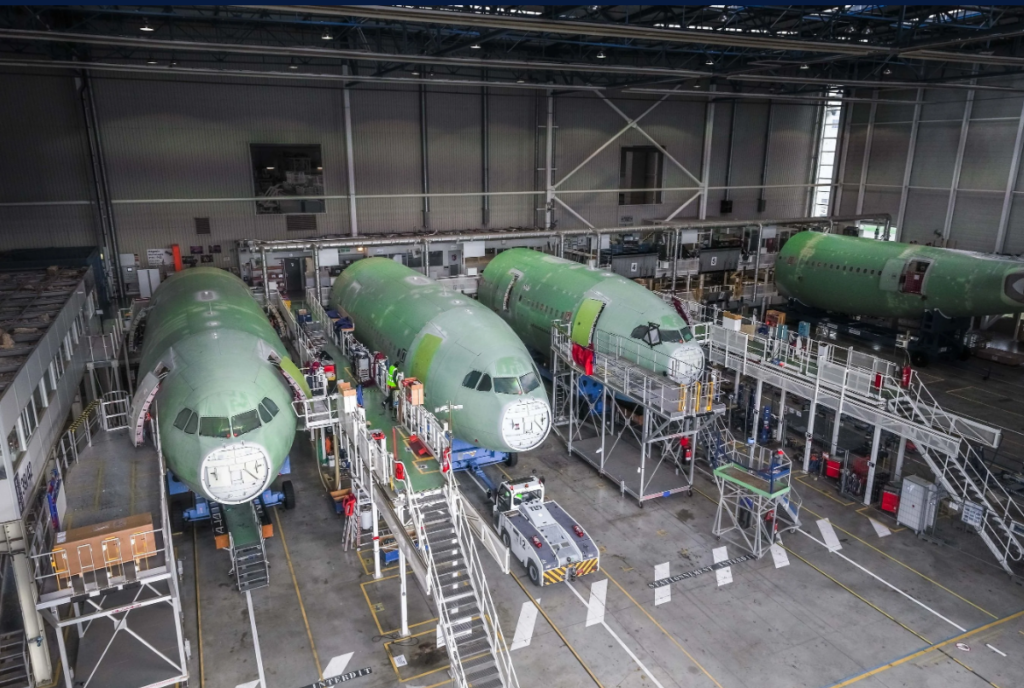
Identified as a separate service cluster, maintenance operations support includes inventory provision, engineering support and the timely supply of quality materials to ensure continued airworthiness and aircraft reliability.
Digital services emerge as fastest-growing segment
As the fastest-growing segment, digital and connectivity growth is expected to triple over the next two decades.
For airlines, digitalisation and real-time connectivity can improve operational efficiency by predicting maintenance needs and anticipating flight disruptions. The integration of artificial intelligence (AI) and machine learning could help airlines reduce disruption-related costs by up to 30%, Airbus said. The potential savings could represent $24 billion by 2045.
For passengers, connectivity can deliver fewer cancellations, high-speed WiFi and a smoother travel experience.
Upgrades and recycling to create new opportunities
Aircraft modifications and upgrades will also contribute to the expanding services market. These include cabin retrofits, system upgrades and the integration of modern technologies into existing aircraft.
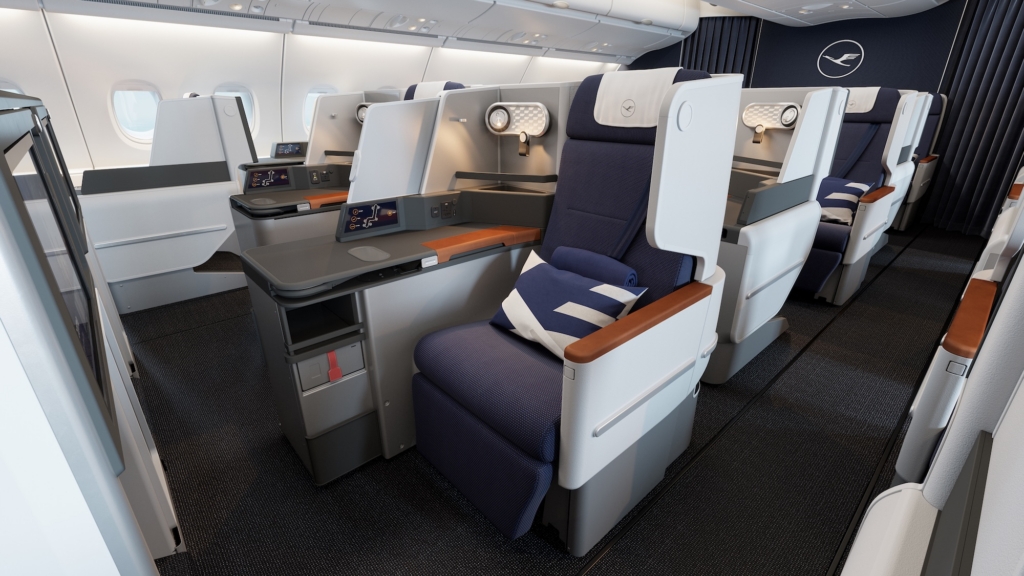
Cabin improvements will help airlines adapt existing fleets to evolving passenger expectations, including growing demand for premiumisation. System upgrades will help enable older aircraft to keep pace with modern standards and evolving operational and technological requirements.
With over 18,400 aircraft retiring by 2045, aircraft dismantling and recycling is expected to create further opportunities. This includes the market for certified Used Serviceable Materials (USM). This market could reach a cumulative value of $60 billion, offering a safe, reliable and cost-effective alternative to purchasing new parts.
Skills investment critical for future growth
Meeting the projected demand for 2.4 million additional aviation professionals will undoubtedly require major investment in recruitment, training and workforce retention.
This includes investment in Virtual Reality (VR) and AI platforms to deliver flexible, immersive learning and support workers in increasingly digital and technically demanding roles.
Airbus forecasts that Europe and the Commonwealth of Independent States (CIS), alongside North America and China, will remain the largest services markets by total demand.
However, Asia Pacific, China and South Asia are expected to record the fastest growth, pointing to the increasingly important role these markets will play in shaping the industry’s future growth and services needs.
Sign up for our newsletter and get our latest content in your inbox.




More from


October 13, 202612 min read


