


Swedish Gripen pilot authorized to shoot down Russian missile over Poland: Here’s why he didn’t

4 min read
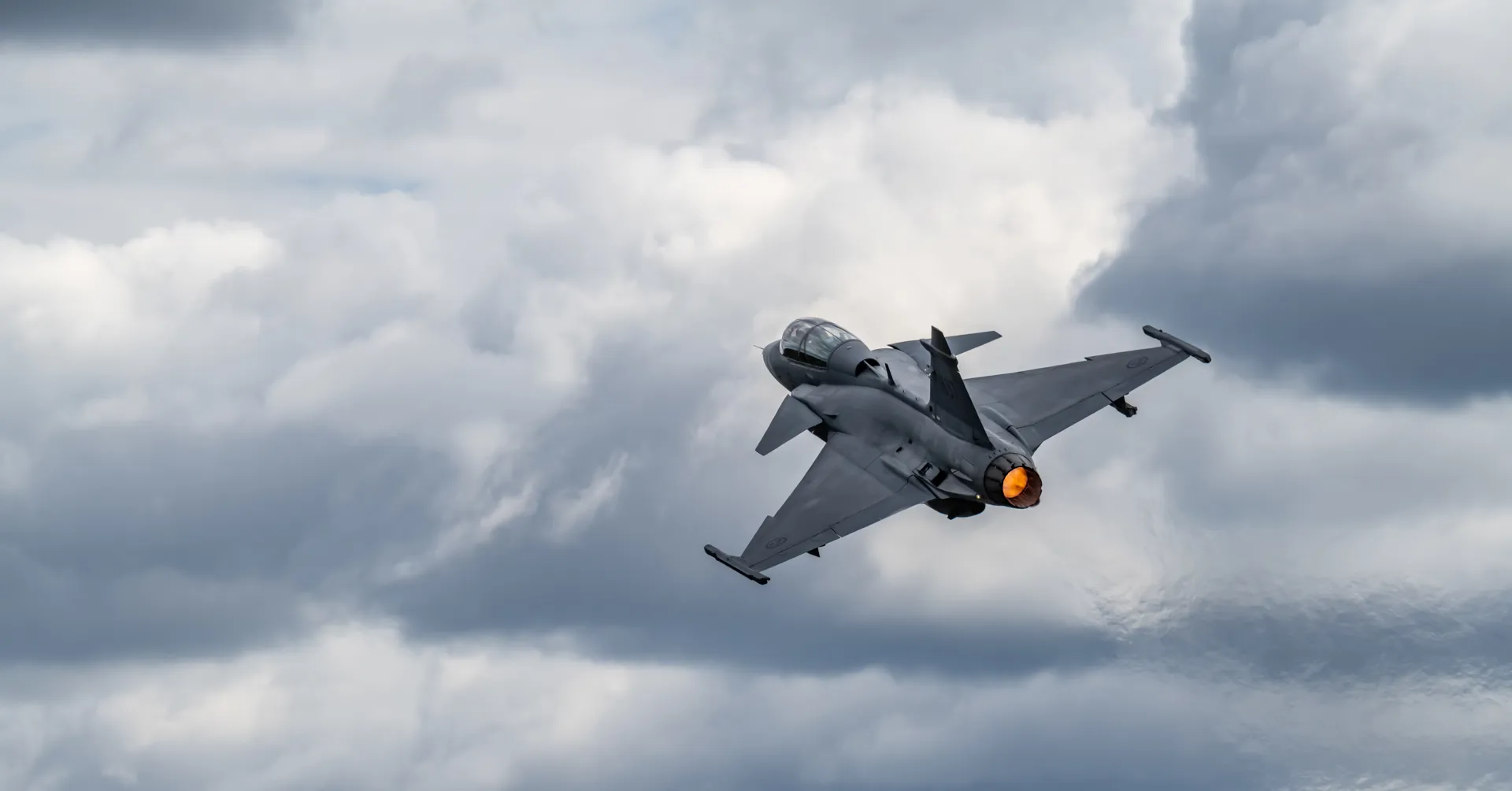

A Swedish Gripen fighter pilot was authorized to shoot down a suspected Russian cruise missile over Poland on 20 November – but didn’t fire because severe weather prevented him from positively identifying the target, according to a senior Polish military commander.
The pilot was attempting to intercept what was believed to be a Russian Kh-101 cruise missile during a major overnight attack on Ukraine.
Although NATO had granted conditional authorization to use weapons, the pilot could not confirm the object’s identity visually or through the aircraft’s electro-optical systems.
The details were disclosed by Lieutenant General Ireneusz Nowak, operational commander of the Polish Armed Forces, during a press conference.
The incident occurred as three airborne objects entered Polish territory during Russian missile and drone strikes on Ukraine. Polish authorities confirmed that nobody was injured and no damage to critical infrastructure had been reported.
Why the Gripen pilot did not fire
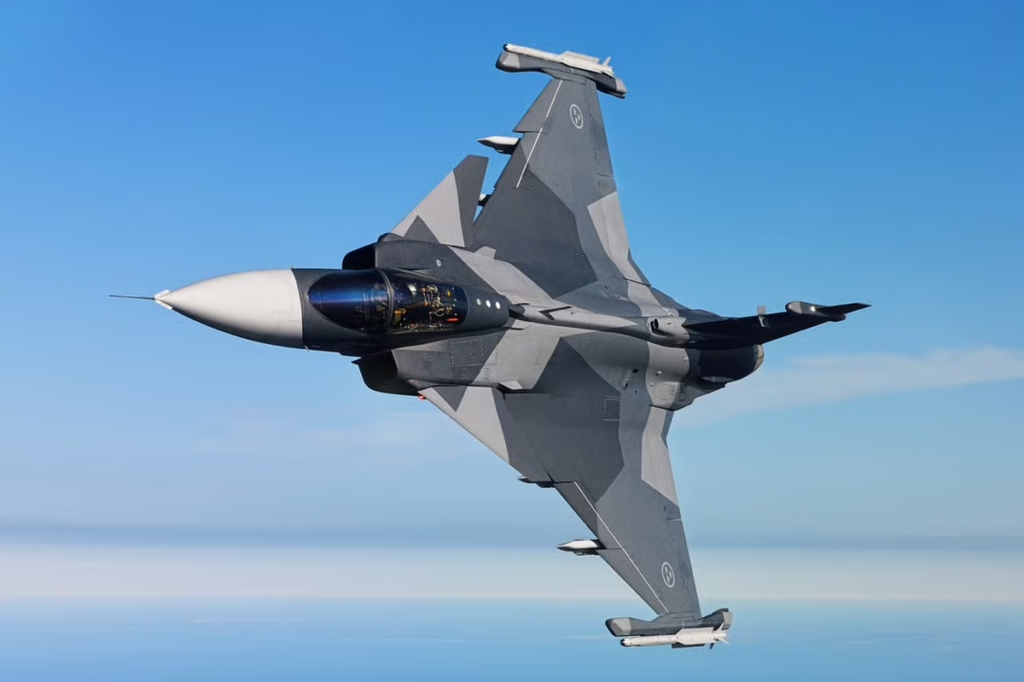
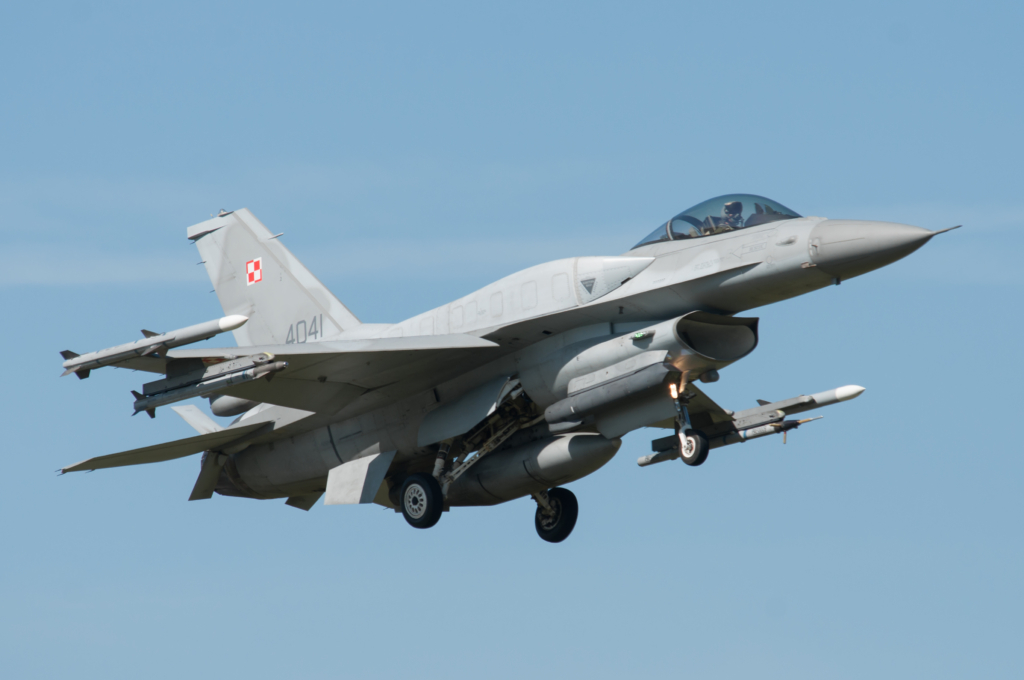
Two Swedish JAS 39 Gripen fighters were scrambled alongside Polish F-16s as NATO monitored several potential threats approaching Polish airspace.
The aircraft were operating under NATO’s Combined Air Operations Centre in Uedem, Germany, which issued conditional authorisation to engage identified threats.
The authorization allowed pilots to use weapons once the necessary conditions had been met, without seeking separate permission for each engagement.
According to Nowak, the Swedish pilot approached an object believed to be a Kh-101 cruise missile but could ot establish its identity because of exceptionally difficult weather conditions.
The pilot was unable to obtain the necessary confirmation using either visual observation or the Gripen’s electro-optical sensors and therefore did not fire.
Modern fighter aircraft use radar and other sensors to detect and track airborne objects. However, detecting a target does not necessarily establish its identity.
Radar can provide information about an object’s position, speed and direction, while optical and infrared sensors can help determine what it is. Poor visibility, cloud and precipitation can make that identification more difficult.
The Polish commander’s account did not indicate any technical malfunction involving the Gripen. The reported difficulty was identifying the target under the prevailing weather conditions.
Poland’s Defence Minister Władysław Kosiniak-Kamysz also addressed the broader considerations involved in engaging airborne threats.
“The decision is made by pilots and commanders after analysing the circumstances and the threat to the civilian population,” he said at the press conference on 20 November.
Swedish pilots tracked several targets
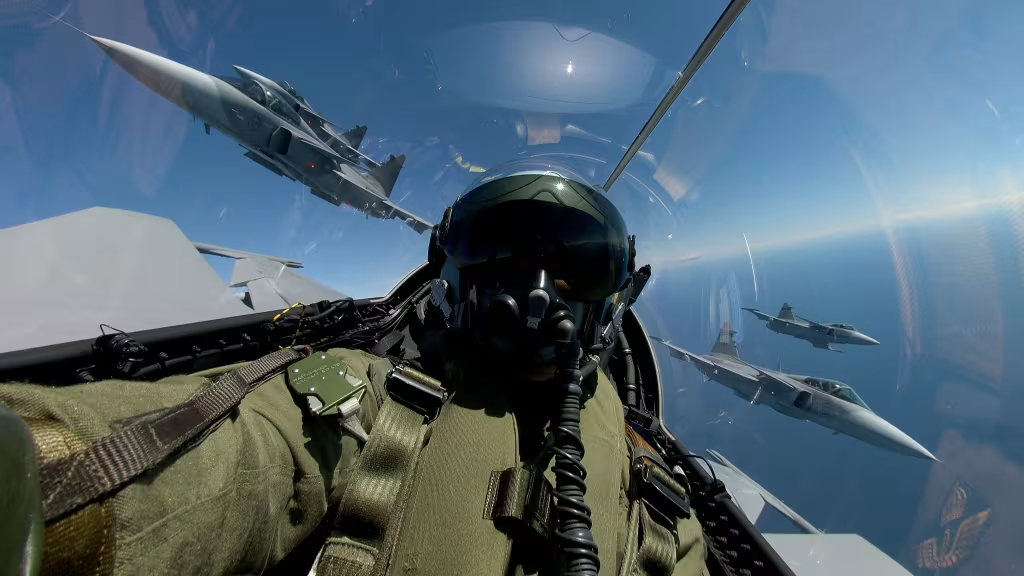
The Swedish Air Force confirmed that its Gripen fighters tracked several targets over Polish territory during an operation lasting several hours.
Deputy Air Force Chief Niclas Magnusson said Swedish pilots had operated in extremely difficult weather and visibility conditions.
“Last night, our pilots demonstrated Sweden’s ability to act, allied unity and the importance of our participation in the collective defence of Europe,” Magnusson said in a statement translated from Swedish.
“Together with our Polish allies, we scrambled quickly to defend our shared airspace.”
The operation required aerial refuelling in darkness and the servicing and preparation of Swedish fighters at a forward operating base in Poland.
Polish F-16s, a Saab airborne early-warning aircraft and a Dutch aerial refuelling aircraft also participated.
The Swedish Air Force did not identify the objects tracked by its pilots or report that any weapons had been fired.
Three objects entered Polish territory
The Polish Ministry of Defence said Russian long-range aircraft had launched Kinzhal and Kh-101 missiles, along with large numbers of jet-powered and conventional drones, during the attack on Ukraine.
Polish military authorities monitored 11 potentially threatening airborne objects, according to Nowak. Three entered Polish territory.
Debris or wreckage was located near Mołodycz, Rudnik nad Sanem and Nowy Lipowiec in southeastern Poland.
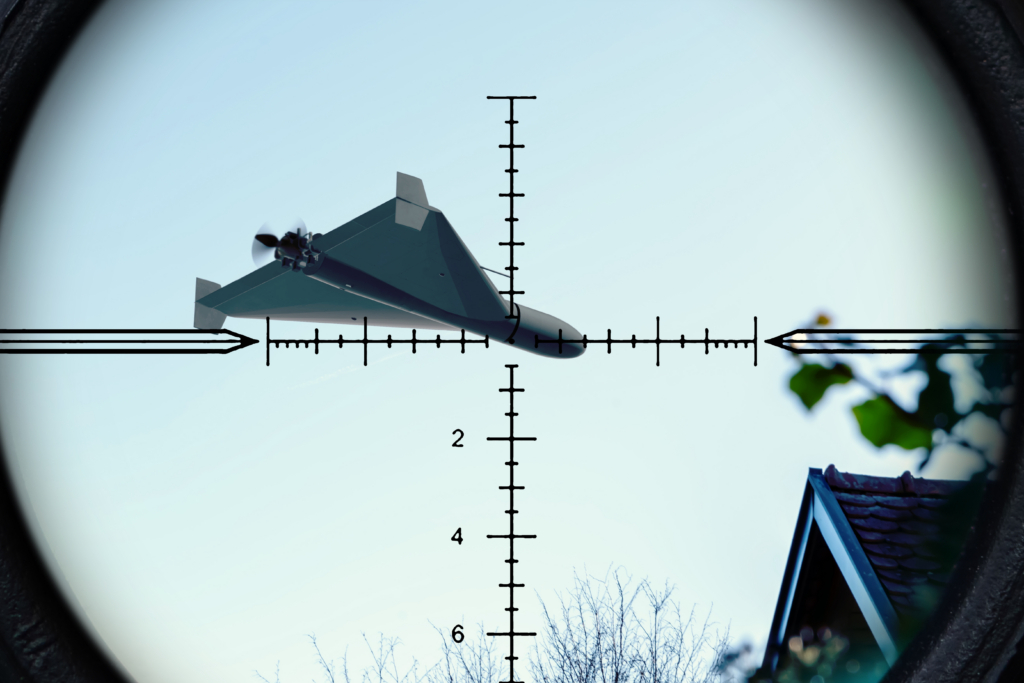
Kosiniak-Kamysz confirmed that a Kh-101 cruise missile was found at Nowy Lipowiec. The other objects were provisionally assessed as another missile and a jet-powered drone.
He described the Russian attack as one of the largest since the beginning of the full-scale invasion of Ukraine.
“The most important information is that, as a result of the actions of the Russian Federation on Ukrainian territory, which affected Polish territory, no one was harmed in the Republic of Poland,” the minister said, according to an English translation of the ministry’s statement.
“We also have no reports of damage to critical infrastructure.”
Poland activated Patriot air defence systems around Rzeszow-Jasionka Airport and Swidnik, along with Poprad and Pilica plus ground-based systems.
Helicopters and three Territorial Defence Forces brigades were also involved in the response.
Poland seeks more NATO support
Kosiniak-Kamysz described the incursions as another Russian provocation and questioned their timing.
The incident coincided with COALITION 26.2, a multinational military exercise at Nowa Dęba involving members of the Coalition of the Willing supporting Ukraine.
“In my opinion, the date is not accidental,” he said.
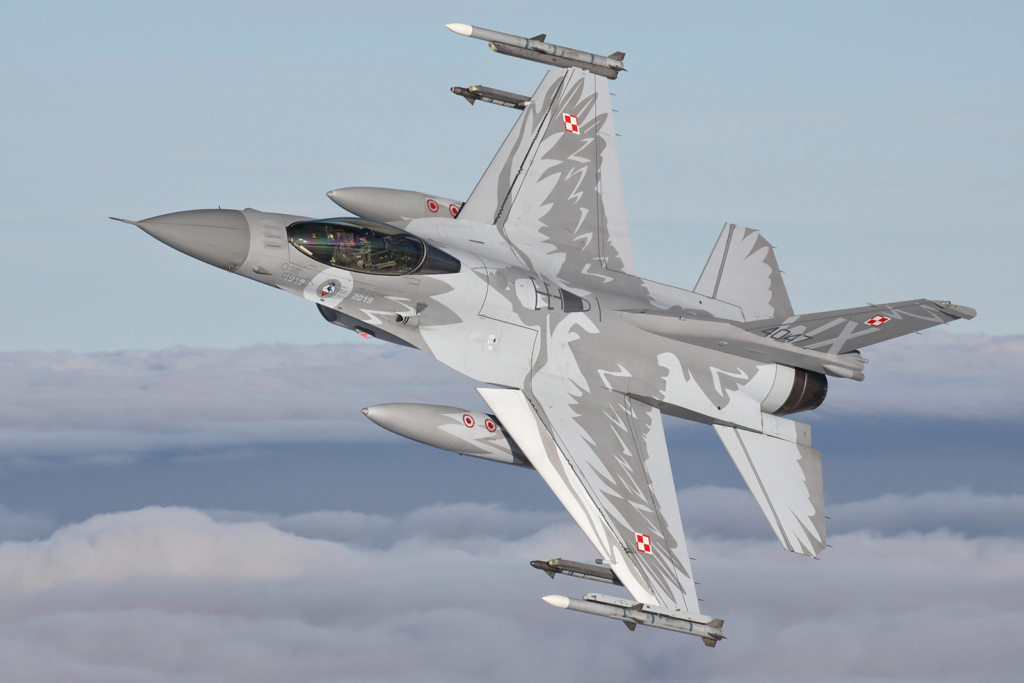
The minister announced plans to request additional NATO forces and resources for Operation Eastern Sentry, launched in 2025 to strengthen the alliance’s eastern defences.
Sweden has been contributing Gripen fighters to NATO’s air defence operations since October. The aircraft are primarily based in Sweden during the two-month deployment but can also operate from a forward base in Poland.
The mission includes protecting southeastern Poland’s logistics hub, which supports military and civilian assistance to Ukraine.
Sign up for our newsletter and get our latest content in your inbox.