


NASA’s SR-71 disappears from display as agency teases new X-plane

3 min read
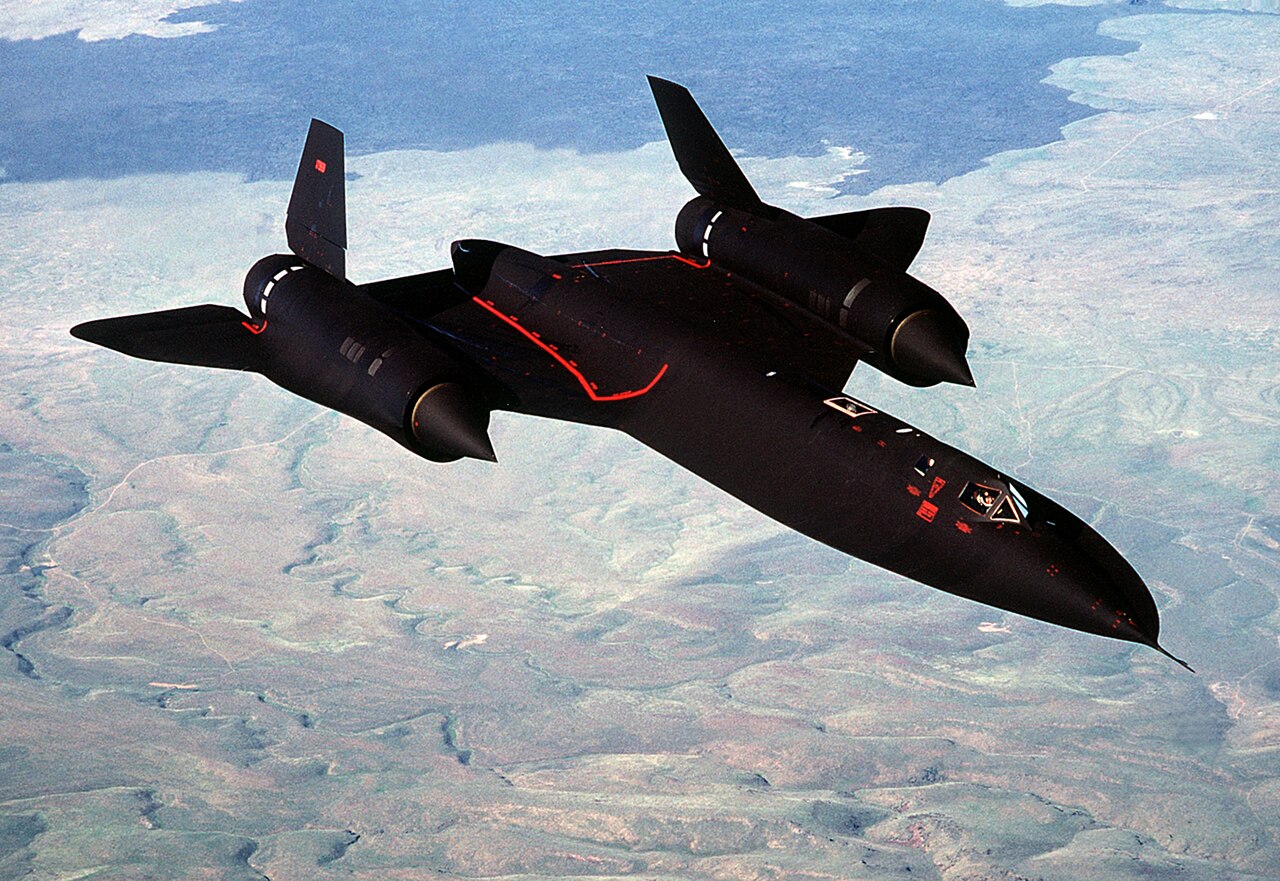
Last week, NASA Administrator Jared Isaacman left a teaser image of the partial silhouette of an aircraft that bears a striking resemblance to the Lockheed SR-71 Blackbird. Now, a new article by Aviation Week notes that a former NASA SR-71 has disappeared from its display.
Disappearance of the display ex-NASA SR-71
Aviation Week’s defence editor, Steve Trimble, wrote last week that several months before NASA dropped a hint about the launch of a Blackbird-like X-Plane project, “the agency quietly removed a Lockheed SR-71A from public display at the Neil Armstrong Flight Research Center” at Edwards Air Force Base.
The removal was found thanks to satellite imagery. This aircraft is tail number 844 that originally flew for the US Air Force registered as 61-7980. It was the last SR-71 to be produced and was the last to take to the skies in 1999. It has been retired for 26 years.
Aviation Week surmised, based on the available data, that it has been moved to a hangar for an inspection. It says that the disappearance of the aircraft plus the teaser NASA presentation (discussed below) raises the possibility of it returning to flight.
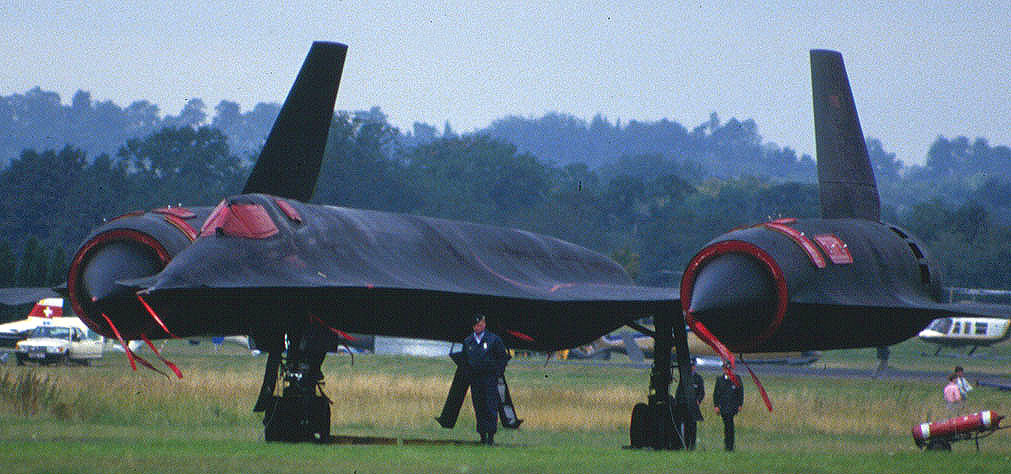
It should be stressed that this doesn’t necessarily mean that the SR-71 programme is being revived. It’s possible that a flying SR-71 will function as a testbed to develop a new generation of high-altitude, high-Mach aircraft.
Famously, it is claimed that the Blackbird outran thousands of missiles fired at it over the course of its career, with none ever being shot down. The aircraft flew at Mach 3+ at an altitude of around 80,000 feet.
NASA’s teaser image and presentation
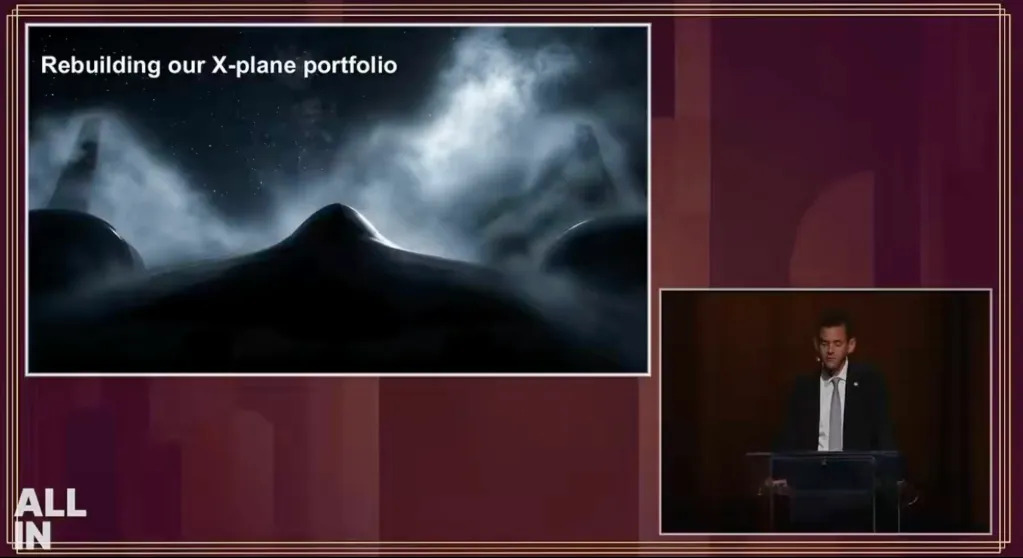
At the recent All-In Summit, NASA dropped an image with the silhouette captioned “Rebuilding out X-plane portfolio.”
During the speech, NASA’s Isaacman pushed back on a direct link to the SR-71 but said that NASA was getting “back in the business of flying high and fast again.” He added that it will exceed previous records.
According to The War Zone, Isaacman said, “In the service of the first A [aeronautics] in NASA, we are rebuilding our X-plane fleet. The X-59 is researching quiet supersonic flight, but it’s just the beginning.” The X-59 (or QueSST) is the long-nosed aircraft designed to help lower the sonic boom on future supersonic commercial aircraft.
Much speculation has been made over the obscured aircraft shown in the accompanying image, and its potential similarity to the SR-71. When asked about it at the press conference, Isaacman replied, “You sure that’s a Blackbird?”
The military aviation industry has focused on subsonic stealth platforms for decades. However, some in the industry still think there is a role for high-Mach aircraft.
Headlines about hypersonic programmes in the US, Russia, China, Australia, and elsewhere are mostly concerned with missiles, but the development of hypersonic aircraft never fully went away.
Known high-Mach programmes
It is unclear what programmes are being pursued, but it’s worth noting that Lockheed Martin unveiled its spiritual successor, the SR-72 Son of Blackbird, years ago.
The programme has since gone dark, although some analysts believe it remains ongoing by Lockheed and that it had an appearance in the 2022 movie, Top Gun: Maverick.
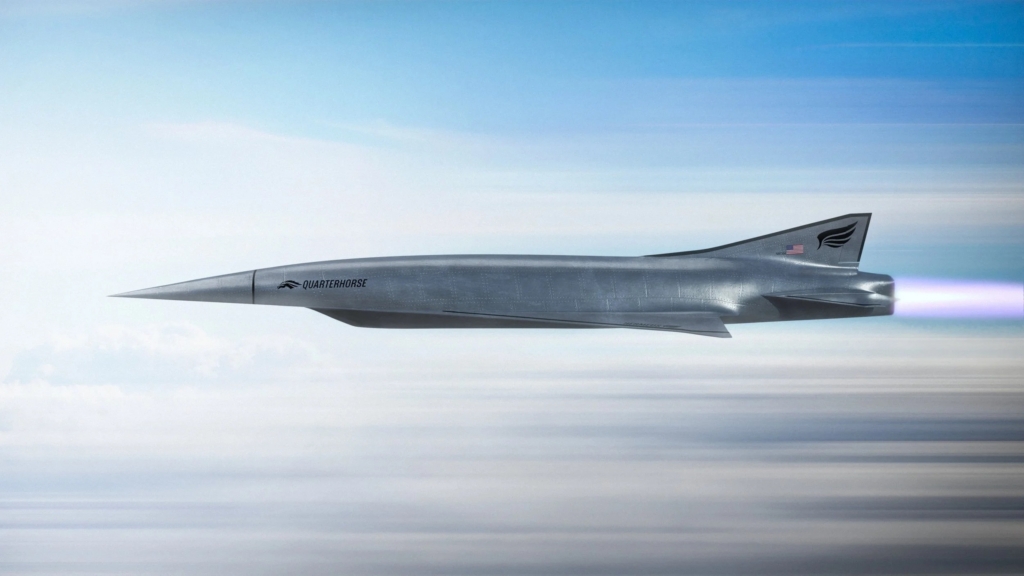
The start-up company, Hermeus, is also working to build a high-supersonic Collaborative Combat Aircraft (CCA), Quarterhorse. It has the ambition to eventually develop hypersonic CCAs.
There are also startups, like Australia’s Hypersonix Launch Systems, which have secured investment from the British MoD and NASA to develop its reusable Spartan scramjet and various aircraft. One example is the eight-metre-long hydrogen-fuelled ISR aircraft called VISR.
One thing these programmes have in common is that they are uncrewed, and it is entirely possible that a new generation of high-Mach, high-altitude aircraft will similarly be pilotless.
Sign up for our newsletter and get our latest content in your inbox.


More from

September 27, 20263 min read

September 26, 20263 min read


September 25, 20264 min read


September 25, 20264 min read

September 24, 20262 min read


