Why is RAF Fairford a target? The UK base behind US bomber missions

3 min read
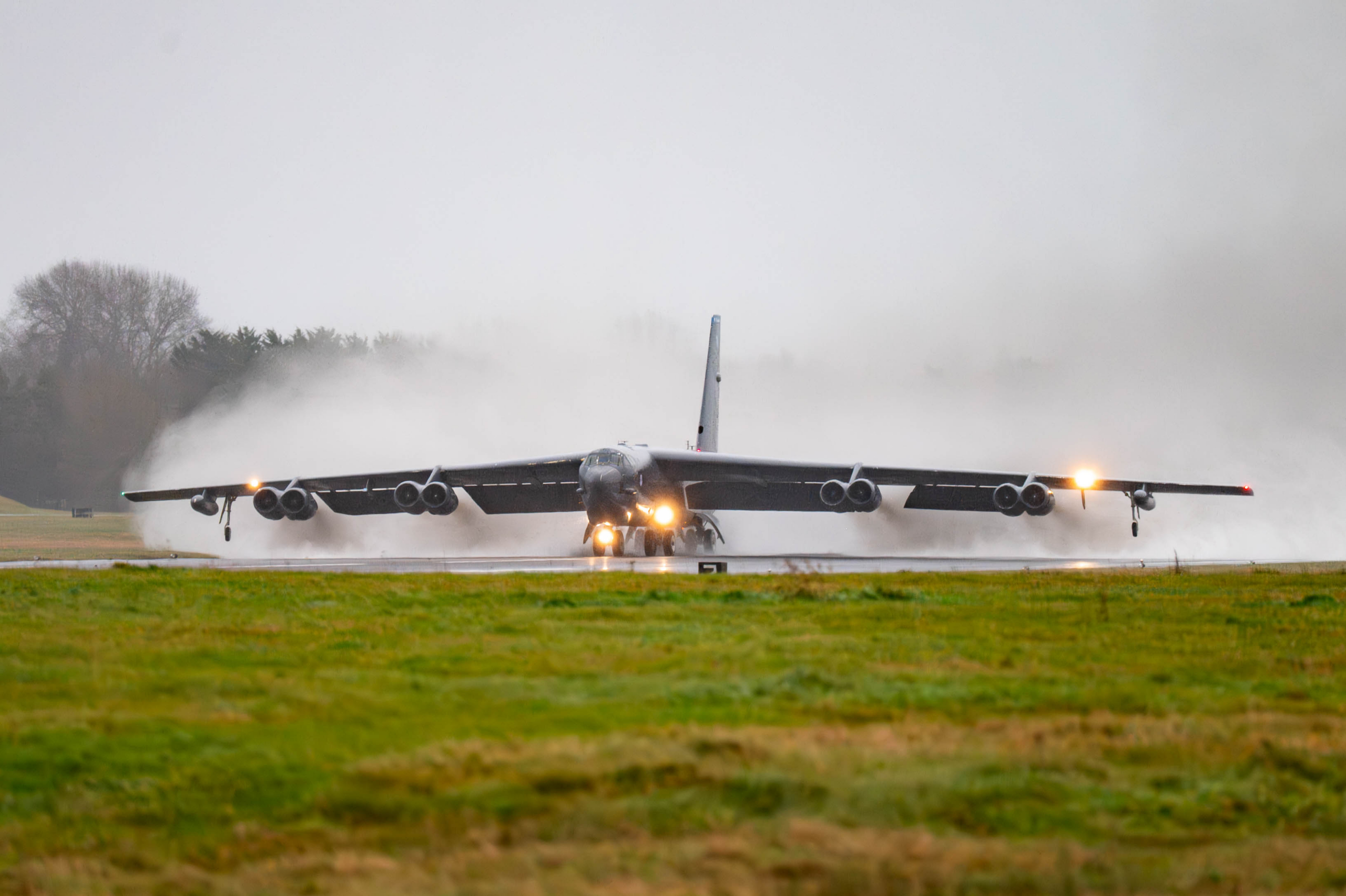
For an airfield thousands of miles from the Middle East, in the heart of the British countryside, RAF Fairford has played a conspicuous part in the US air campaign against Iran. Its runways and parking areas have supported some of America’s largest combat aircraft, carrying heavy weapons loads on long-range missions.
That role has come under renewed scrutiny after five men were arrested near the Gloucestershire base early on September 27, prompting a counterterrorism investigation and the evacuation of nearby homes.
According to the Metropolitan Police, armed officers responded to reports of three suspicious vehicles apparently travelling toward the airfield. The men were arrested on suspicion of explosives offences and preparing a terrorist act.
Investigators are examining a possible Iranian connection, according to ITV’s reporting, although police have not publicly confirmed responsibility or motive. What is already clear is why Fairford attracts attention: it provides a European operating base for America’s heavy bombers.
Why do US bombers use RAF Fairford?
Despite its RAF designation, Fairford supports US Air Force operations. It is home to the 501st Combat Support Wing headquarters and the 420th Air Base Squadron, which supports arriving aircraft, personnel and equipment.
The US military’s installation guide describes Fairford as US Air Forces in Europe’s only bomber forward operating location. Its purpose is to receive deployed forces and sustain their flying operations.
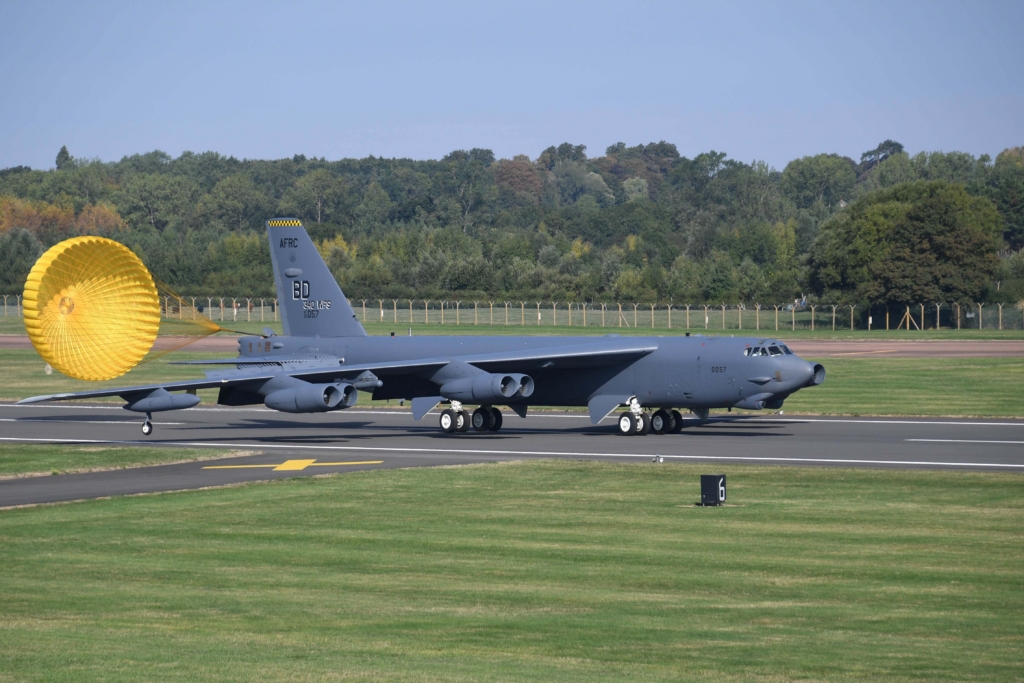
That requires considerably more than somewhere to land. Heavy bombers need suitable pavement, extensive parking, fuel, maintenance support and the personnel to prepare them for repeated missions.
In a USAF account of an earlier deployment, Fairford’s site director highlighted its ability to accommodate B-52s and its aircraft parking positions equipped with hydrant refuelling, helping shorten turnaround times.
For defence enthusiasts, Fairford is also known as the home of the Royal International Air Tattoo (RIAT); its 2026 show was cancelled due to the high levels of US activity at the base.
Which bombers are at RAF Fairford?
One of the most prominent aircraft participating in Iran strikes has been the iconic B-1B Lancer (Bone), a supersonic heavy bomber, easily spotted thanks to its variable-swept wings, long nose and four engines.
Aviation Week reported on September 27 that around 12 B-1Bs remained at Fairford as a contingency force for further escalation in the Middle East.
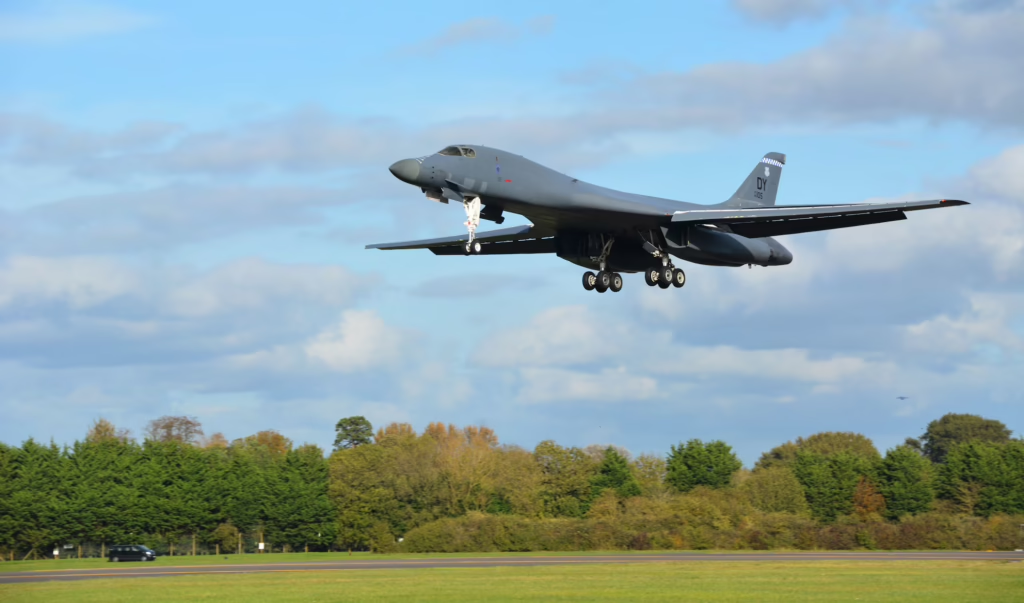
The B-1B combines speed with a significant weapons capacity. USAF specifications list a payload of 75,000 pounds, or approximately 34 tonnes. That allows a single aircraft to carry a substantial load of weapons over long distances, fast.
Earlier this year, B-52H Stratofortresses joined the B-1Bs at Fairford as the US expanded its bomber deployment for operations against Iran. The eight-engine B-52 carries up to 70,000 pounds of weapons and brings a different combination of endurance and armament options. However, it’s understood that most, if not all, of the B-52s have now returned to the States.
What makes RAF Fairford strategically important?
Fairford’s value is all about combining a space that can cope with those aircraft with an established support base outside the continental US.
Operating from Europe places bombers closer to Middle Eastern missions than their American home stations. Although long-range aircraft can undertake intercontinental sorties, forward deployment can reduce transit demands and provide a location to refuel, maintain and rearm between flights.
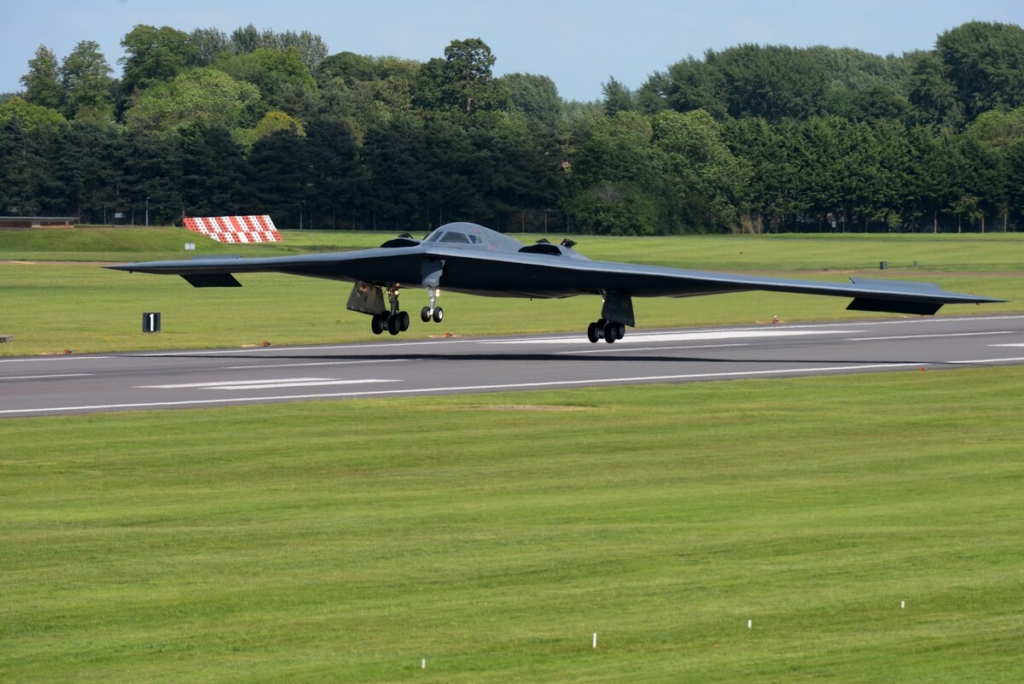
Fairford also supports missions beyond the current conflict. Previous Bomber Task Force deployments have used the base for training and integration with European allies, exercising the infrastructure needed to receive US reinforcements.
Has the incident affected RAF Fairford flights?
As of the morning of September 28, the public statements reviewed did not establish whether bomber sorties had been cancelled or delayed.
The USAF said its personnel remained vigilant but declined to discuss specific force-protection measures. Police confirmed that Army bomb-disposal specialists were examining the vehicles near the base. No aircraft damage had been publicly confirmed.
Whether Fairford was the intended target remains part of the investigation. Its importance to American bomber operations, however, extends well beyond the events outside its perimeter.
Sign up for our newsletter and get our latest content in your inbox.


More from


October 17, 20264 min read