Dassault says AI algorithms are ready for future Rafale fighter upgrades

3 min read
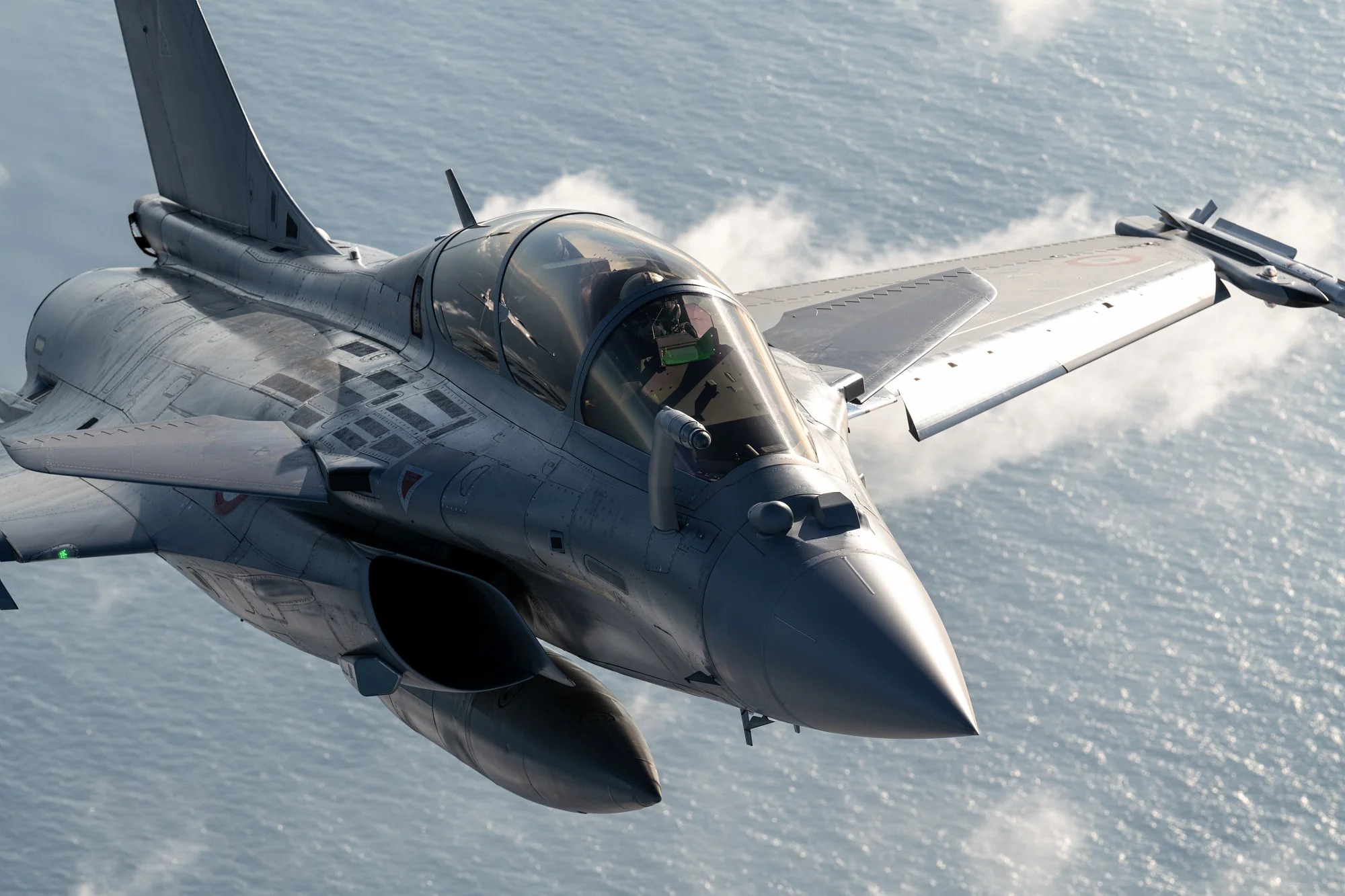
France’s Dassault has announced that the first two AI algorithms are mature enough to begin upgrading its Rafale fighter jet. France’s immediate priority is upgrading the Rafale to the F5 “Super Rafale” standard.
The Rafale F5 is set to be a significant leap in capability over the F4 standard and is designed from the outset as a collaborative combat aircraft.
Dassault tests AI algorithms on its Rafale fighter jet
Dassault announced yesterday that it has flight-tested “two new sovereign AI algorithms” on its flagship Rafale fighter jet. One of the AI algorithms was developed by Rafale’s engineers, and the second was developed in collaboration with the French contractor Thales and its corAIx subsidiary.
The effort is part of a broader Dassault initiative to integrate controlled and supervised AI in the cockpit of the fighters serving the pilot.
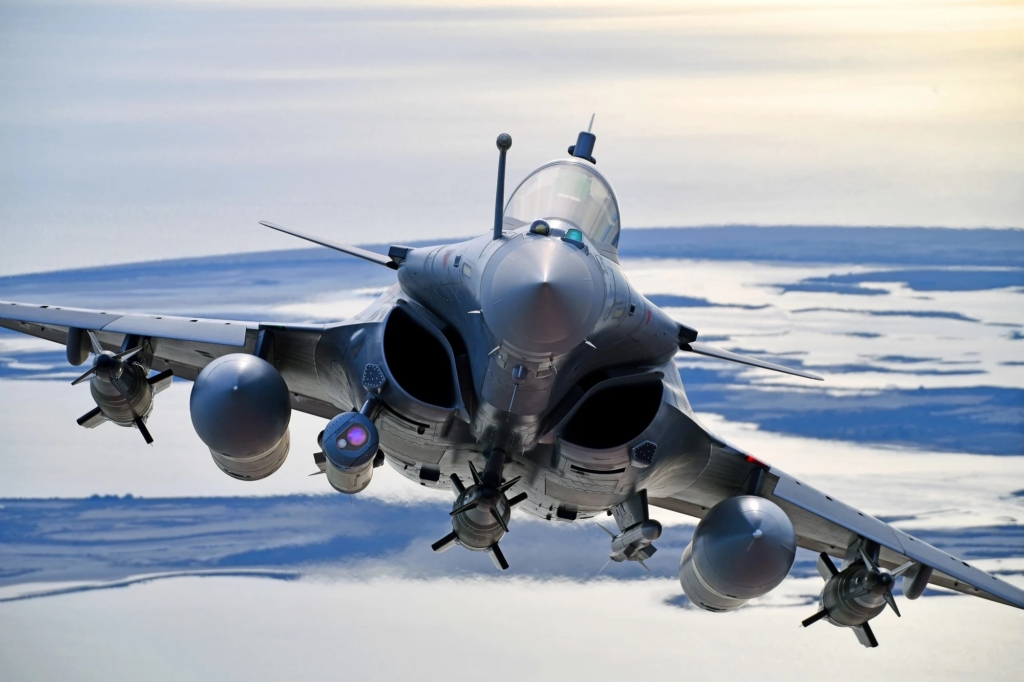
Dassault says that its AI technology has reached the level of maturity “that makes it eligible for future Rafale upgrades.” It added, “The in-flight testing of these functions once again demonstrates Dassault Aviation’s expertise in integrating AI into combat systems.”
Plan for MUM-T Rafale F5 by 2030
The integration of AI algorithms is at the heart of France’s efforts to keep the Rafale relevant for decades to come.
AGN reported in January that Dassault was investing $200 million in Harmattan AI to accelerate the integration of controlled autonomy and artificial intelligence technologies into the aircraft.
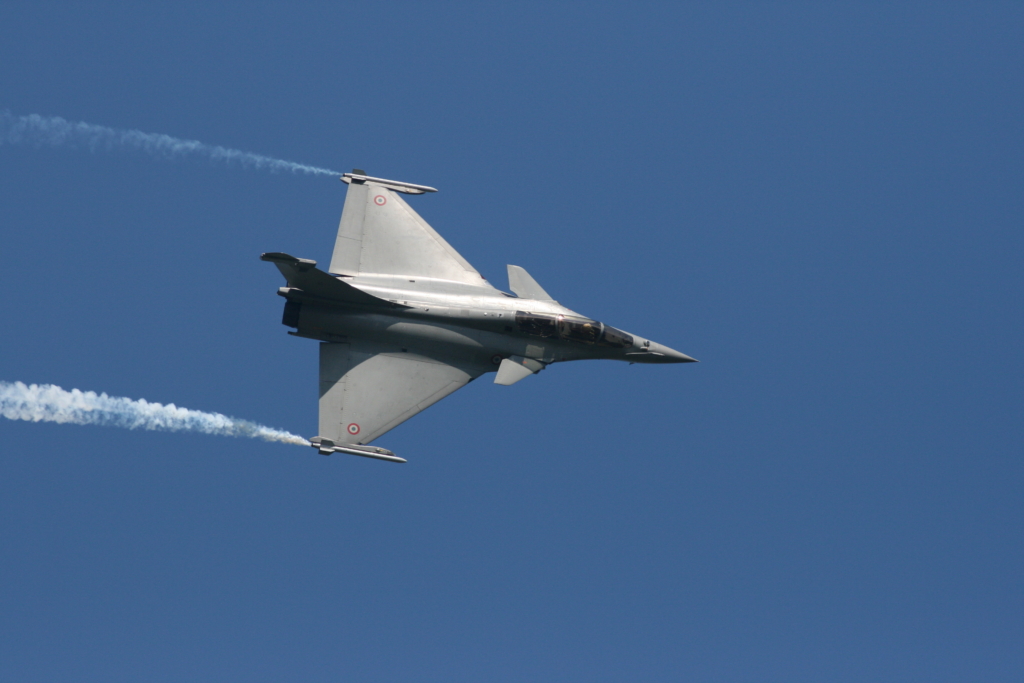
It is also a stepping stone to developing the upcoming Rafale F5, which will feature manned-unmanned teaming (MUM-T). The DGA (French Defense Procurement Agency) is currently targeting the F5 to enter service between 2033-2035.
In July 2026, Dassault and Harmattan AI successfully flew a collaborative engagement involving a Rafale F4 and an unmanned system. That system was equipped with the NAMIB payload, a new electronic warfare device jointly developed by both companies.
Super Rafale: the immediate Plan B following FCAS collapse
In June, Germany officially terminated its programme to develop the FCAS 6th-generation fighter jet with France’s Dassault. Prior to the cancelation, Dassault had suggested it was capable of going it alone and developing a fighter without Germany.
In the months since, it appears that Dassault and the French government have moved to a national (or French-led) trajectory rather than a full multinational effort.
Any new fighter will be decades away, and so the immediate focus is on the Rafale F5 (sometimes called the Super Rafale). Safran is working on developing a more powerful version of the M88 T-REX engine, aiming for around +20-25% increase in thrust.
The F5 will also come with an upgraded Thales RBE2-XG radar, fibre-optic architecture, teaming capabilities, and much greater computing power for AI.
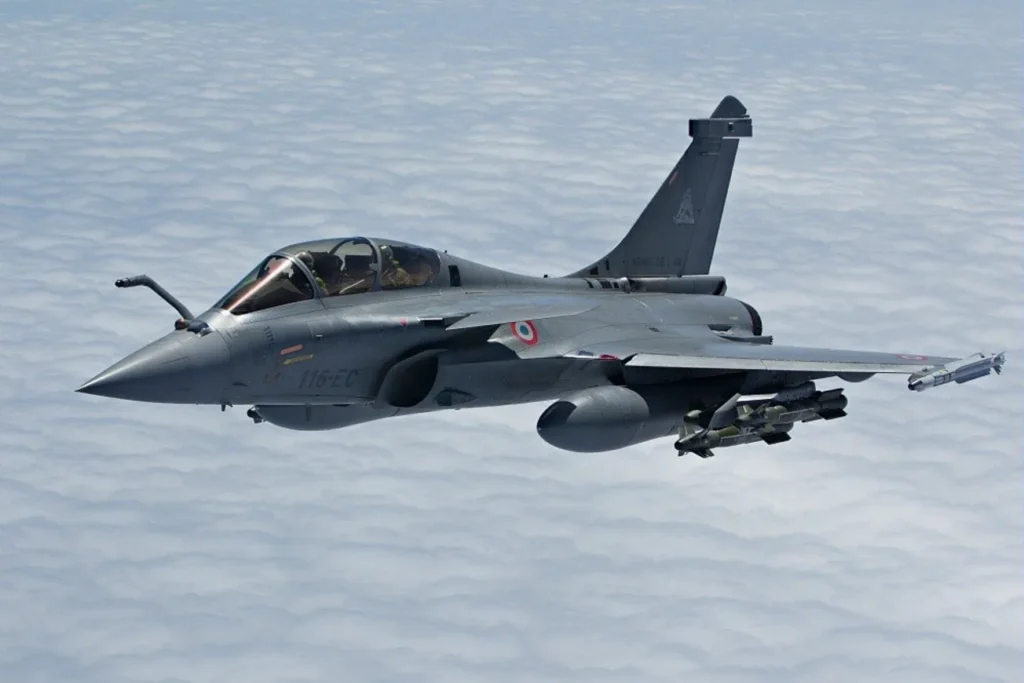
Dassault CEO Trappier has described the Super Rafale as the near-term “Plan B” while adding that France has the ability to develop a new jet. Some French Rafale deliveries have even been deferred in an effort to free up resources to develop the variant.
The Dassault 2026 half-year report states, “For France, the 1st half of 2026 was marked by: the delivery of 2 Rafale, with 43 remaining to be delivered, the request from the French State to postpone the delivery of 20 Rafale from 2031-2032 to 2033-2034.”
There are reports that Dassault plans to fly a next-generation demonstrator in the early 2030s.
Sign up for our newsletter and get our latest content in your inbox.


More from


October 13, 20263 min read

October 13, 202612 min read
October 13, 202612 min read