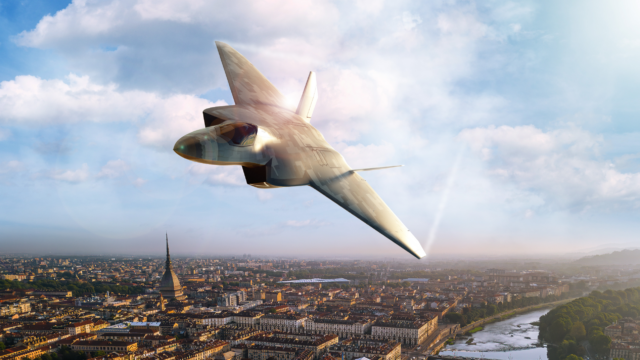
FCAS collapses as Germany and France fail to overcome Airbus-Dassault rift

4 min read
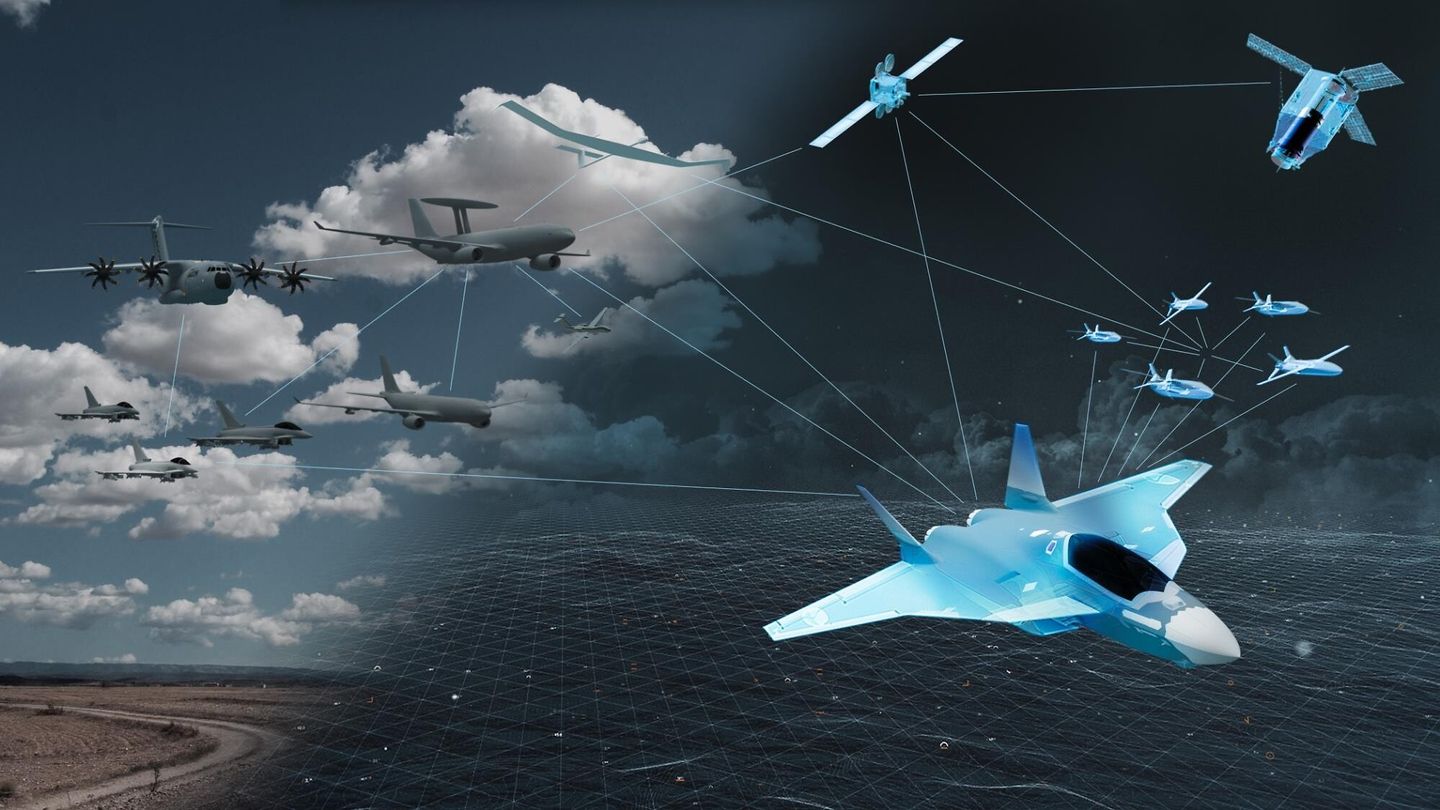
Germany has confirmed that it will not develop the Future Combat Air System (FCAS) with France. The announcement is no surprise, and AGN has previously reported that it was expected.
This comes after years of disagreements and speculation that the Franco-German-led effort to develop the 6th-generation fighter jet would collapse.
Germany to announce FCAS end at Berlin Air Show
Yesterday, Der Spiegel announced that French President Emmanuel Macron and German Chancellor Friedrich Merz had reached an agreement to end the programme. Spain is also theoretically an equal partner, but it is often sidelined in discussions.
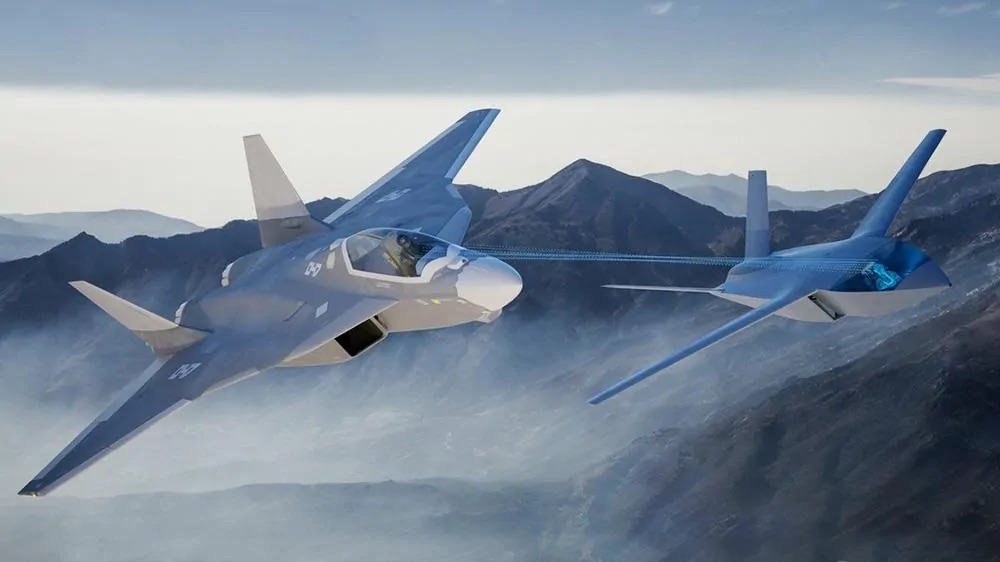
The development was also announced by French outlets, like La Tribune, with each citing unnamed government sources.
La Tribune writes, “German Chancellor Friedrich Merz is expected to announce on Wednesday at the opening of the Berlin Air Show.”
Germany is currently in the midst of a massive military buildup and is rapidly modernizing its forces. According to reporting by La Tribune, Macron wanted to continue to find a way to keep the project alive.

The fallout is yet to be fully understood, although it raises the likelihood that Germany will purchase more F-35s in the interim as a bridge. Reuters reported in February 2026 that Germany was considering doubling its F-35 purchase (to 70) in the event FCAS failed.
Get the latest aerospace defence news here on AGN.
Merz believes Airbus & Dassault are “irreconcilable”
It is understood that the highest levels of French and German leadership wanted FCAS to work and invested in finding ways to overcome the differences. The differences were led by the primary industry participants: France’s Dassault and Germany’s Airbus.

In the end, it was reported that trust between the two companies had collapsed, and little or no cooperative work had been done developing the jet for over a year. The programme was unable to progress beyond phase 1B (technological development).
Germany’s Hartpunkt reports, “Dassault had demanded a much larger share of the New Generation Fighter (NGF) project, which would have relegated Airbus to a secondary role.”
However, Merz took the decision to pull the plug, believing that fielding a next-generation jet is now a matter of “absolute urgency.” It was deemed that Airbus and Dassault are irreconcilable, and the programme is only delaying Germany’s efforts to acquire a next-generation fighter.

The question is what France and Germany will do now. France’s Dassault has previously said it would go it alone and develop a next-generation fighter (as it did with the Rafale).
Without German participation, it is unclear if France can realistically produce a true 6th-generation fighter and whether the aircraft would be closer to a 5th- or 5th+-generation fighter.
Germany’s options: GCAP, Saab, or Spain
With FCAS dead, Germany can now begin serious discussions about alternatives. The three most prominent options are joining the rival Anglo-Japanese-Italian GCAP/Tempest programme, building a new aircraft with Sweden’s Saab, or working with Spain.
The FCAS is dead. Long live the GCAP!
— The Europeans (@TheEuropeansHQ) June 8, 2026
🇫🇷 France and 🇩🇪 Germany have reportedly decided to halt development of the Future Combat Air System after years of delays and industrial disputes.
Counterintuitively, this may not be bad news for European strategic autonomy.
With FCAS… https://t.co/wdJFr9ZNSM pic.twitter.com/ptpsaPlZow
Each option has considerable issues. For GCAP, the programme is already advanced, the workshare agreements are done, and the demonstrator is under construction.
This will make it difficult to accommodate such a large industrial partner like Germany, while Japan is also very sensitive to any delays in the programme.
It is possible Germany could accept a lower share of work in the manned jet itself, but contribute to the combat cloud, contribute to engine design, loyal wingman drones, funding, etc. It’s also unclear if GCAP will meet Germany’s requirements, and Germany would unlikely be a core partner.
The other option is to develop a new aircraft with Saab. German industry has spoken highly of working with Saab. However, there is believed to be enough demand for the two next-generation European jets, and Sweden is a smaller country.

Producing next-generation fighter jets is enough to strain any country’s (other than the US and China) aerospace industry to the limit. GCAP is already straining the UK’s finances.
Hartpunkt reports, “This leaves the national development of a fighter jet with Spain, presumably the fastest option, as it would require less coordination.” It’s also unclear if Germany could lead a joint effort with both Spain and Sweden.
Featured Image: Airbus
Sign up for our newsletter and get our latest content in your inbox.


More from


October 13, 202612 min read