


India begins search for 150 advanced trainers as IAF prepares for next generation of fighters

6 min read
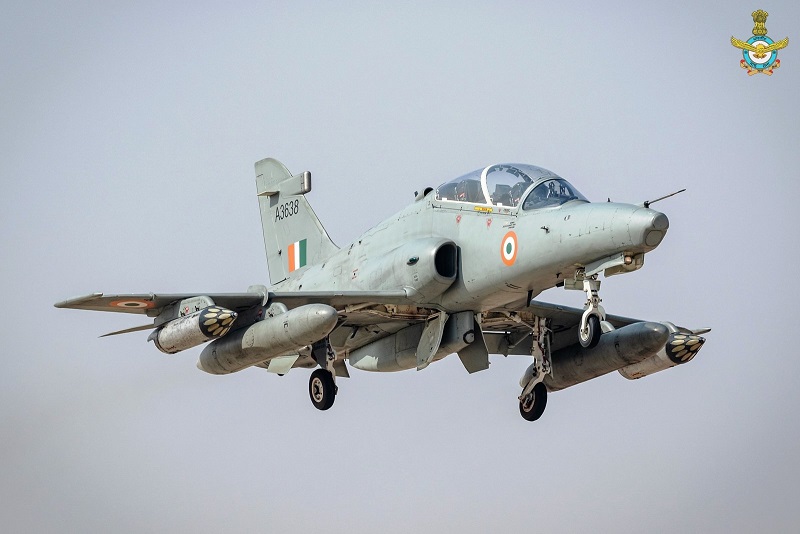
The Indian Air Force has begun the process of replacing its Hawk Mk-132 advanced jet trainers (AJTs), seeking about 150 aircraft to train fighter pilots for an increasingly sophisticated combat environment.
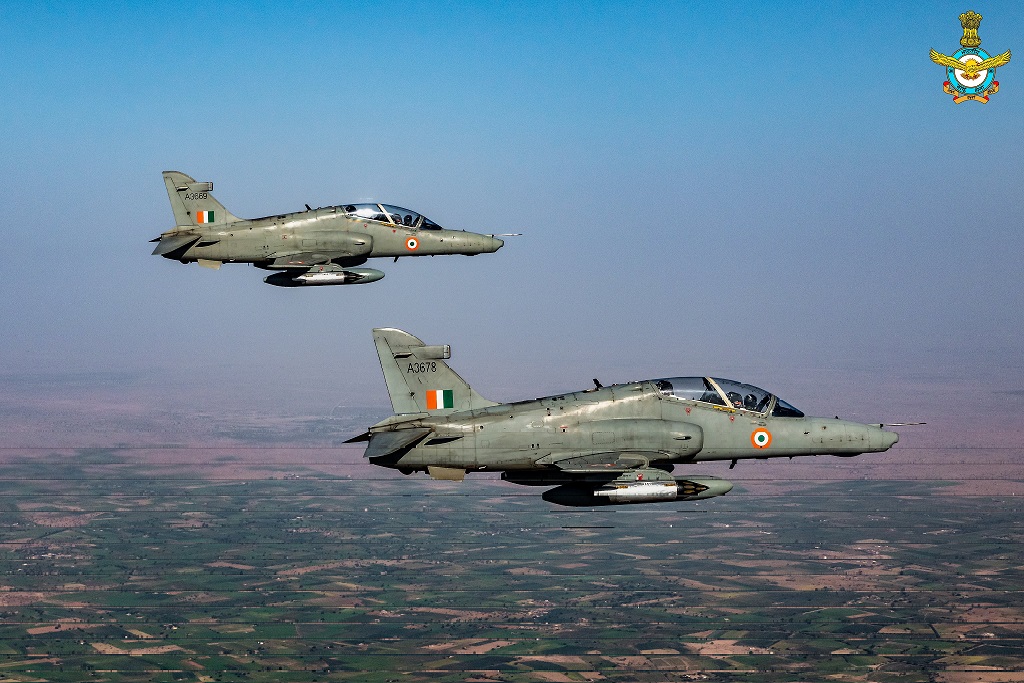
The requirement is for Stage-III (F) trainers, the final aircraft in the IAF’s flying-training pipeline before pilots move to operational fighters.
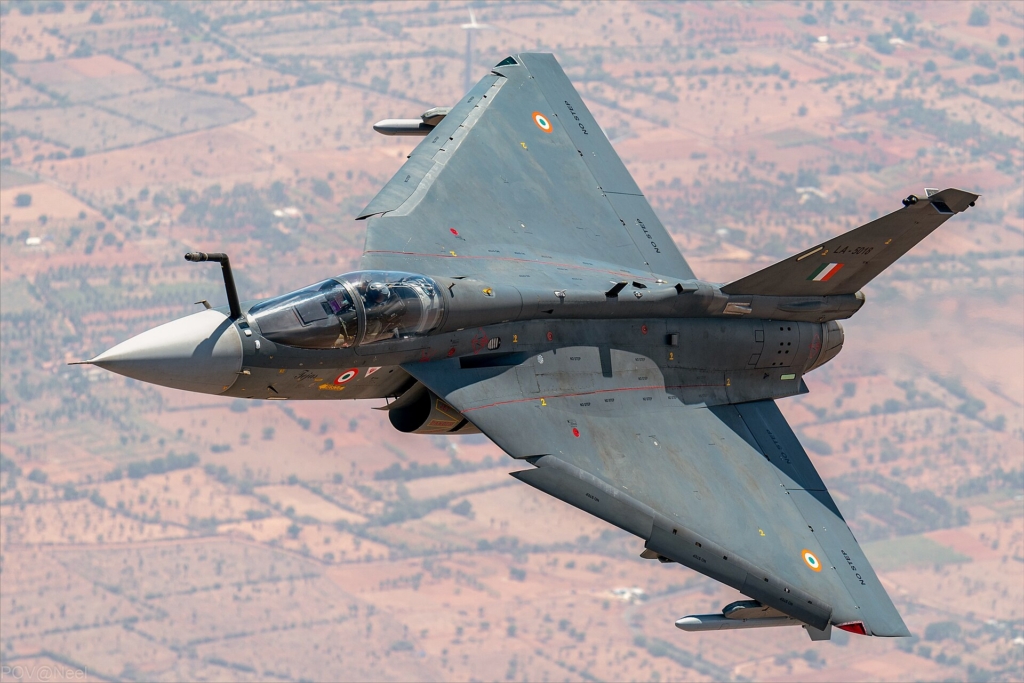
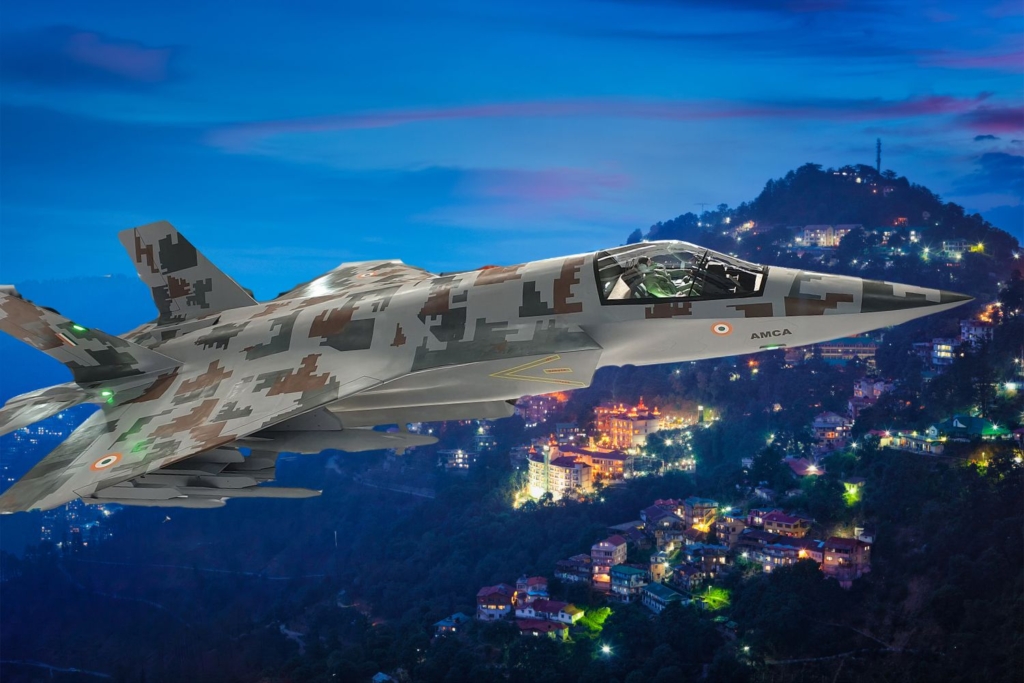
The new aircraft will have to bridge the gap between training and frontline operations, preparing pilots for systems such as airborne radar, electronic warfare, advanced weapons and networked combat before they transition to aircraft including the Rafale, Tejas and, eventually, the Advanced Medium Combat Aircraft (AMCA).
The IAF’s Request for Information (RFI) has been issued to Indian and overseas manufacturers, with responses due by 5 October. Trials will be conducted in India on a no-cost, no-commitment basis.
The programme is still some way from a contract. The RFI is intended to establish what aircraft are available, what manufacturers can offer in terms of technology transfer and local production, and how quickly they can deliver.
The formal Request for Proposal is tentatively planned for December 2027, followed by trials and evaluation. Deliveries are expected to be completed within 60 months of the contract taking effect.
That timetable means the successor is unlikely to enter IAF service before the mid-2030s.
Why the Indian Air Force needs a Hawk Mk-132 replacement
The Hawk Mk-132 has occupied the IAF’s advanced training slot since 2008. India contracted for 106 aircraft in two batches, with the first 66-aircraft deal signed in 2004 and a further 40 aircraft contracted from Hindustan Aeronautics Ltd (HAL) in 2010.
The Hawk became particularly important because it gave the IAF a dedicated platform between intermediate training and frontline fighters. Before its introduction, pilots faced a more abrupt transition from older trainers to high-performance combat aircraft.
That history is part of why the new requirement is significant.
A recent analysis by retired Air Vice Marshal Arjun Subramaniam, published by the Observer Research Foundation, traced repeated gaps in India’s indigenous training system to delays in developing replacement aircraft. He argued that instability in the availability of indigenous trainers had repeatedly disrupted the IAF’s training pipeline and increased its dependence on imported platforms.
The problem has appeared at several levels.
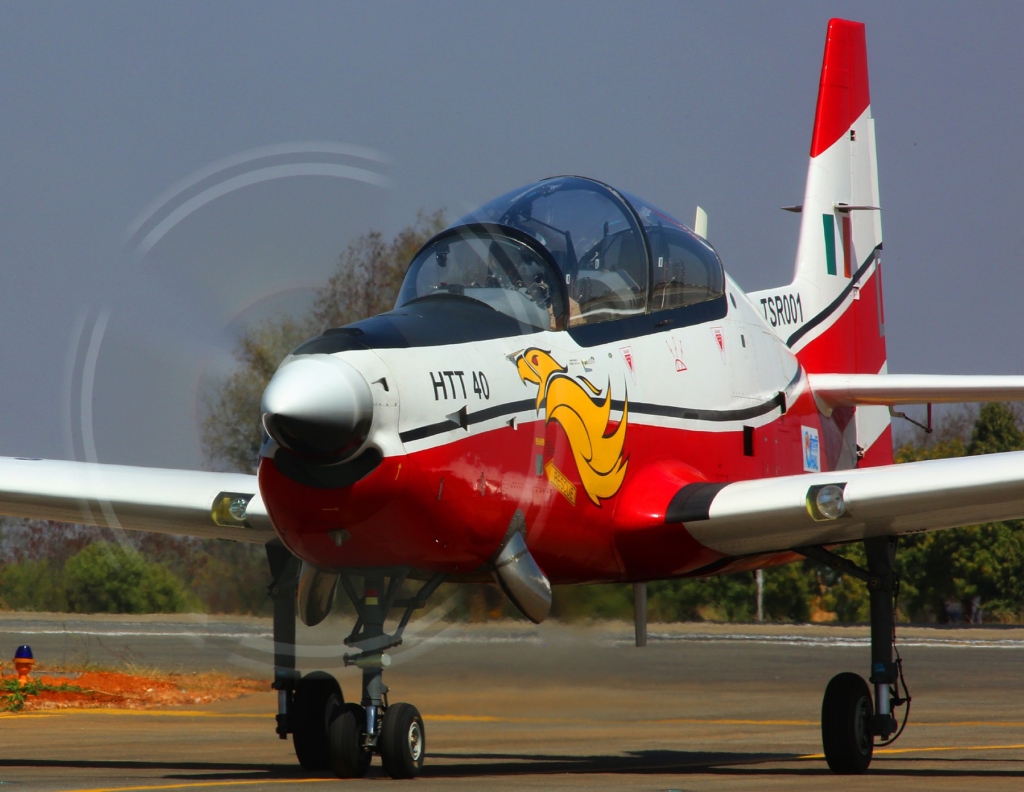
The HPT-32 was eventually grounded in 2009 after a series of engine-failure-related accidents. With no suitable indigenous basic trainer ready, the IAF turned to the Swiss Pilatus PC-7. The HTT-40 has since been developed as its indigenous replacement.
At the intermediate level, the HJT-36, originally known as Sitara and later renamed Yashas, has had an even longer development history. Subramaniam notes that the programme had accumulated more than INR40 billion ($420 million) in development expenditure while its intended role changed as the IAF’s training structure evolved.
For the IAF, the lesson is straightforward: replacing the Hawk cannot become another prolonged development cycle.
Key requirements for the IAF’s next advanced jet trainer
The RFI points to a significant change in what the IAF expects an advanced trainer to do.
The aircraft is required to have fly-by-wire controls, a glass cockpit and configurable hands-on-throttle-and-stick controls. Navigation must integrate India’s NavIC satellite navigation system with GPS and GLONASS.
The aircraft must also have zero-zero ejection seats and be designed to resist departures from controlled flight, with an automatic recovery capability if the pilot releases the controls.
The more interesting requirements concern simulation.
The IAF wants embedded virtual avionics and an embedded electronic warfare suite, allowing trainees to experience systems and threats without every training scenario requiring dedicated operational equipment. The aircraft must also be capable of simulating missile seeker heads during flight.
The trainer is expected to connect through a secure data link to a 360-degree full-motion dome simulator and scenario generator as part of a Live-Virtual-Constructive training environment. Holographic debriefing is also specified.
The intention is to make the aircraft itself part of a wider training system rather than simply a jet on which pilots practise flying.
Operational requirements are similarly demanding. The IAF wants hot refuelling and rearming in less than 30 minutes, an engine change in under an hour, AI-based predictive maintenance and an open architecture that allows future hardware and software upgrades from sources other than the original manufacturer.
How India’s trainer search fits into the global Hawk replacement market
India’s search also comes as the global advanced-trainer market begins to move into a new replacement cycle. Britain has just started its own programme to find a successor to the Royal Air Force’s Hawk fleet, covering both the Hawk T1 operated by the Red Arrows and the newer Hawk T2 used for advanced pilot training.
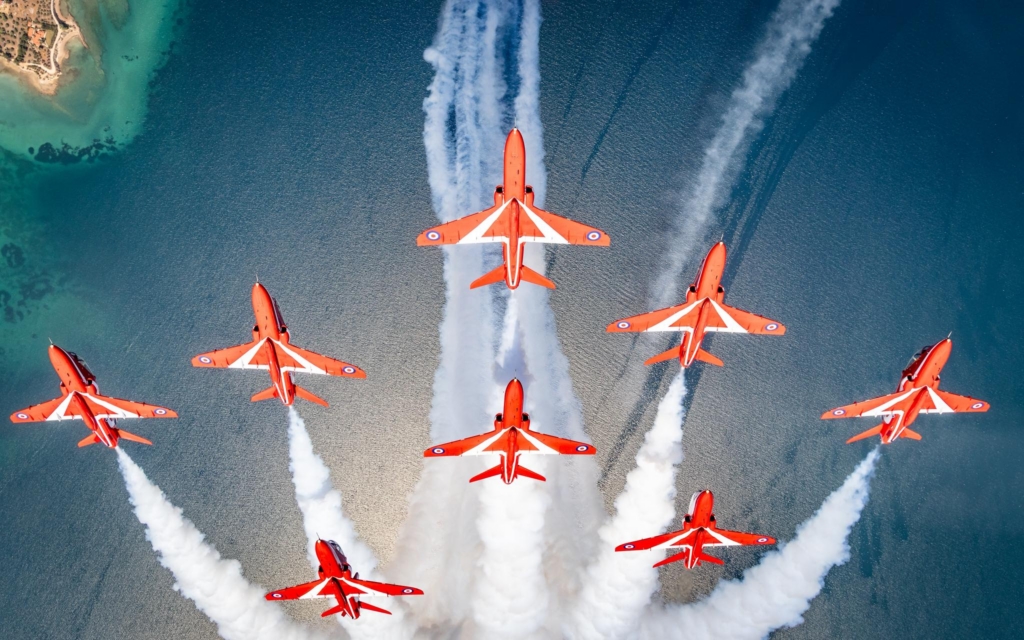
The UK requirement has also highlighted how manufacturers are no longer selling a trainer simply as a lower-cost jet for learning to fly. The emphasis is increasingly on embedded simulation, digital systems, weapons training, connectivity and the ability to replicate the environment of a modern combat aircraft. That is closely aligned with what the IAF is now asking for.
Leading contenders in India’s advanced jet trainer competition
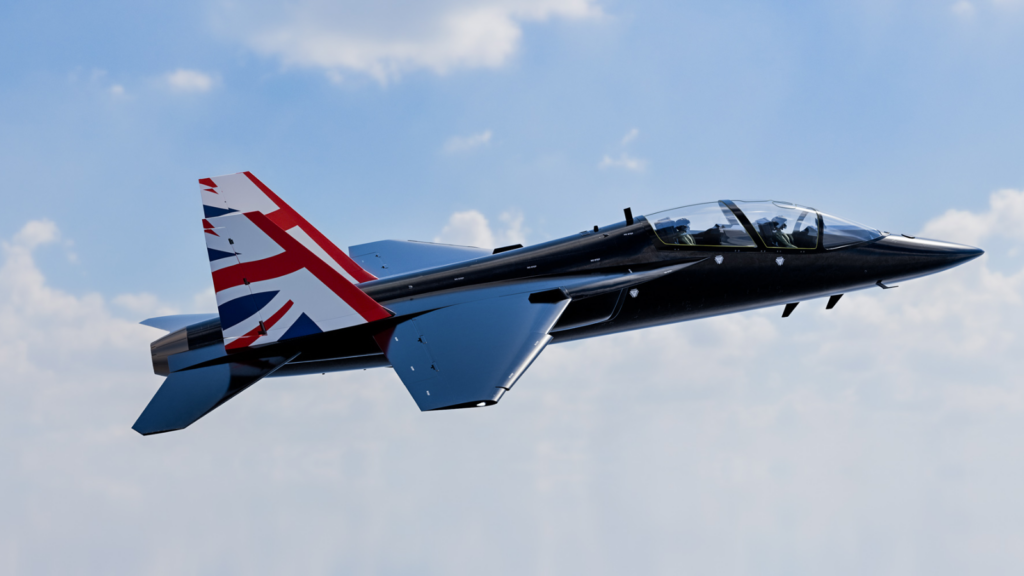
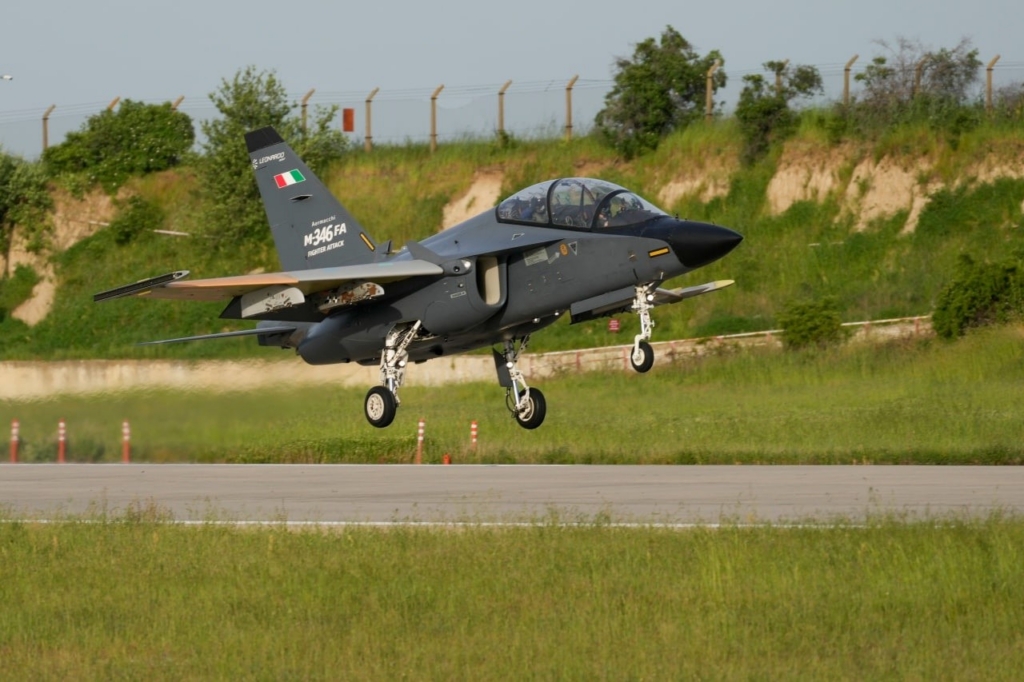
Leonardo’s M-346 Master and KAI’s T-50 family are already established advanced jet trainers, while the Boeing-Saab T-7 Red Hawk represents a newer generation of aircraft designed around a digital training environment.
The T-7 is particularly interesting because Boeing and Saab are already developing it for the US Air Force, while the aircraft has also emerged as a contender in Britain’s own Hawk replacement effort. In the UK programme, BAE Systems, Boeing and Saab are working on an industrial proposition that could see the T-7 adapted for British requirements.
That gives the IAF something useful to watch as its own competition develops. The aircraft India eventually selects will not be competing in a vacuum; manufacturers are simultaneously trying to establish their next-generation trainer families across several markets.
The Boeing-Saab T-7 Red Hawk is a newer entrant to the advanced trainer market. Its position in the Indian competition will depend on whether the aircraft and its industrial proposition can be aligned with the IAF’s requirements and timetable.

India’s principal indigenous proposal is HAL’s HLFT-42, which the company has presented as a purpose-built advanced trainer. The aircraft was displayed as a concept at Aero India 2023, but remains at an earlier stage of development than the established foreign platforms.
The IAF’s procurement model could be as important as the aircraft themselves. The service has specified “Buy (Indian) or better” as the preferred category and wants manufacturers to set out the scope and depth of technology transfer.
That places the emphasis on what can be built and supported in India, rather than simply which aircraft performs best in flight trials.
Why the IAF needs 150 new advanced jet trainers
The proposed 150 aircraft also needs to be viewed against the IAF’s wider modernisation programme.
The force currently has 29 fighter squadrons against an authorised strength of 42.5, while it is preparing to absorb additional Tejas Mk-1As and Rafales and eventually the Tejas Mk-2 and AMCA.

The requirement is therefore not simply about replacing the aircraft that have been training pilots for almost two decades. It is about building enough training capacity for the fighter force the IAF expects to operate in the future.
The IAF’s three-stage training structure is designed to progressively move a pilot from basic flying to stream-specific training and finally to operational-level preparation.
The progression of a rookie pilot is from the PC-7 Mk II through the Kiran Mk-II to the Hawk Mk-132, with Stage III focused on high-speed manoeuvres, tactical combat and advanced instrument flying.
The replacement aircraft will have to fit into that pipeline while preparing pilots for a very different cockpit from the one many Hawk graduates entered nearly two decades ago.


