How vulnerable are airports to rogue drones?

3 min read
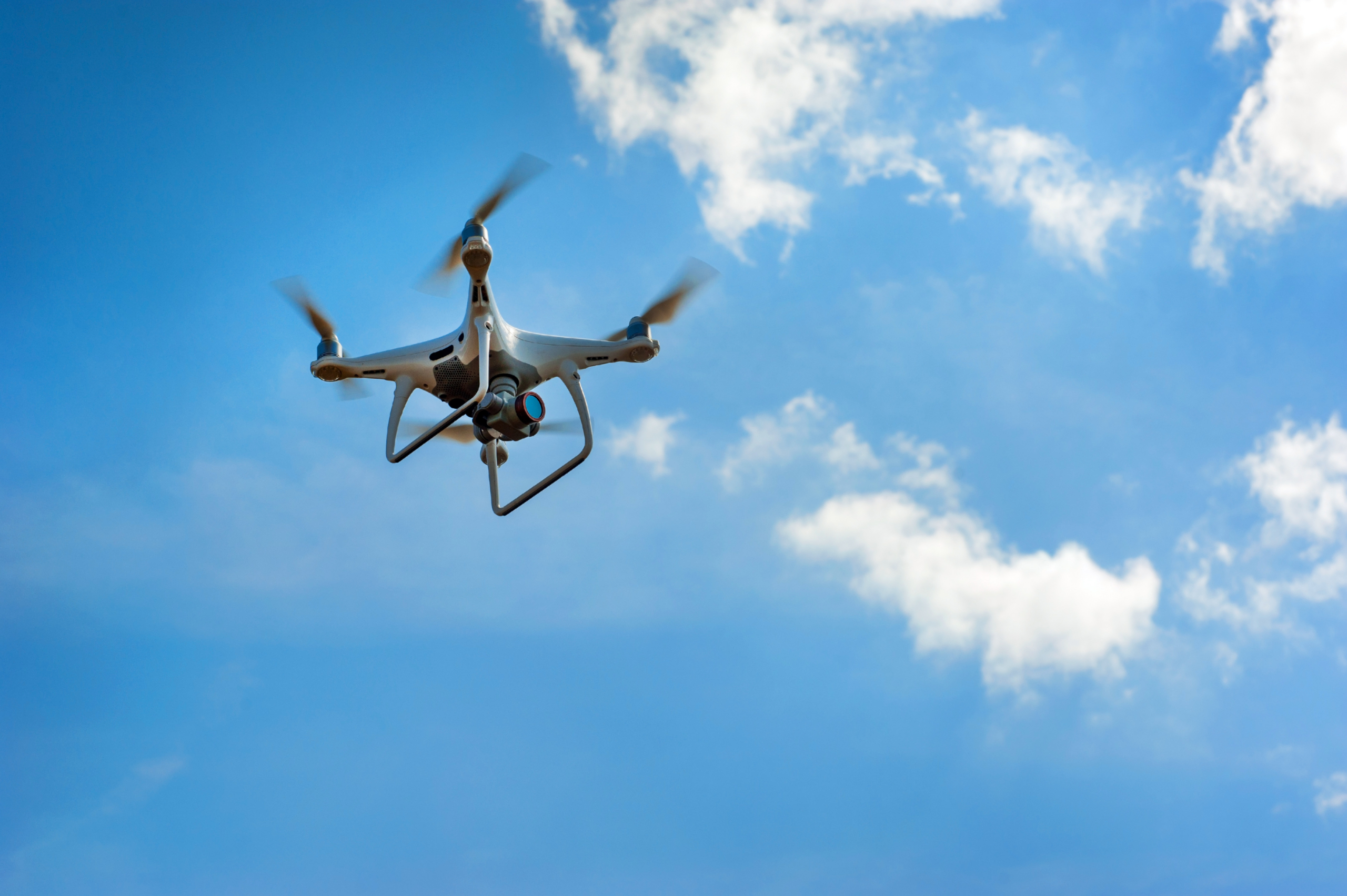
A recent incident at Brussels Airport has shown just how quickly an unauthorised drone can disrupt normal flight operations.
On 11 September, flights at Brussels Airport were temporarily suspended after a drone was reported nearby. Belgian air navigation service provider Skeyes activated its drone procedures, with runway operations stopped for 30 minutes after the last sighting.
There was no reported collision, but the incident shows why airports have to take drone sightings seriously, especially when they happen close to runways or aircraft.
What happens when a drone is reported at an airport?
The first step is to establish what has been seen and where the drone actually is.
A report might come from a pilot, air traffic controller, airport employee or member of the public. Airport teams and air traffic controllers then assess the situation and decide whether flight operations need to be restricted.
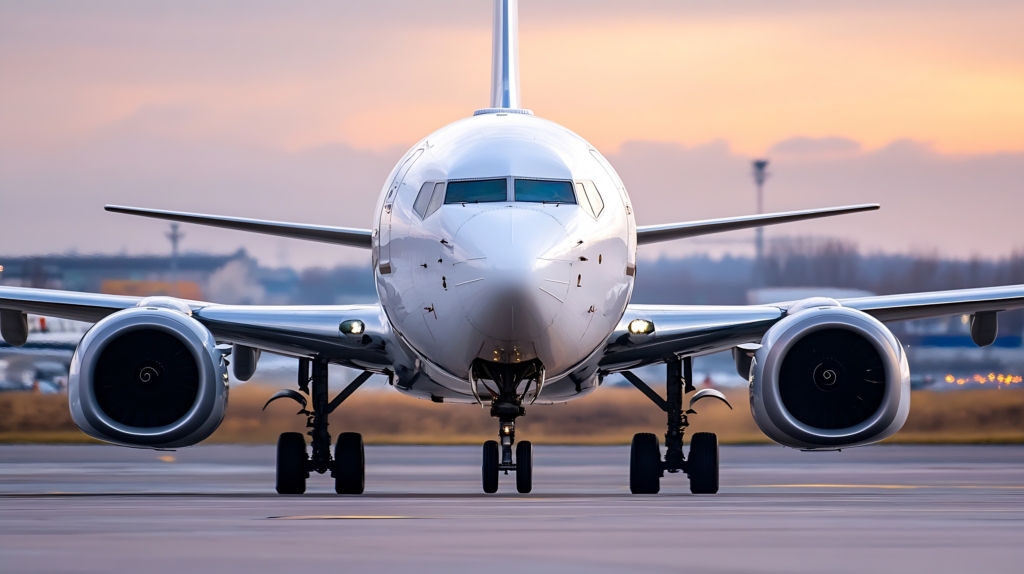
Depending on the location of the drone, aircraft may be held, departures delayed or runway operations temporarily stopped.
At Brussels, there is a clear process for dealing with drone sightings. Runway traffic is stopped for a set period after the last sighting while Skeyes and air traffic control check that it is safe to resume flights, even when the drone is only around briefly.
How do airports detect drones?
Finding a drone is not always straightforward. Airports are busy places, with aircraft, vehicles, birds and other objects moving around the airfield and surrounding airspace.
Airports can use a combination of radar, radio-frequency sensors and cameras to detect and track drones. These systems help operators establish where a drone is and whether it is still in the area.
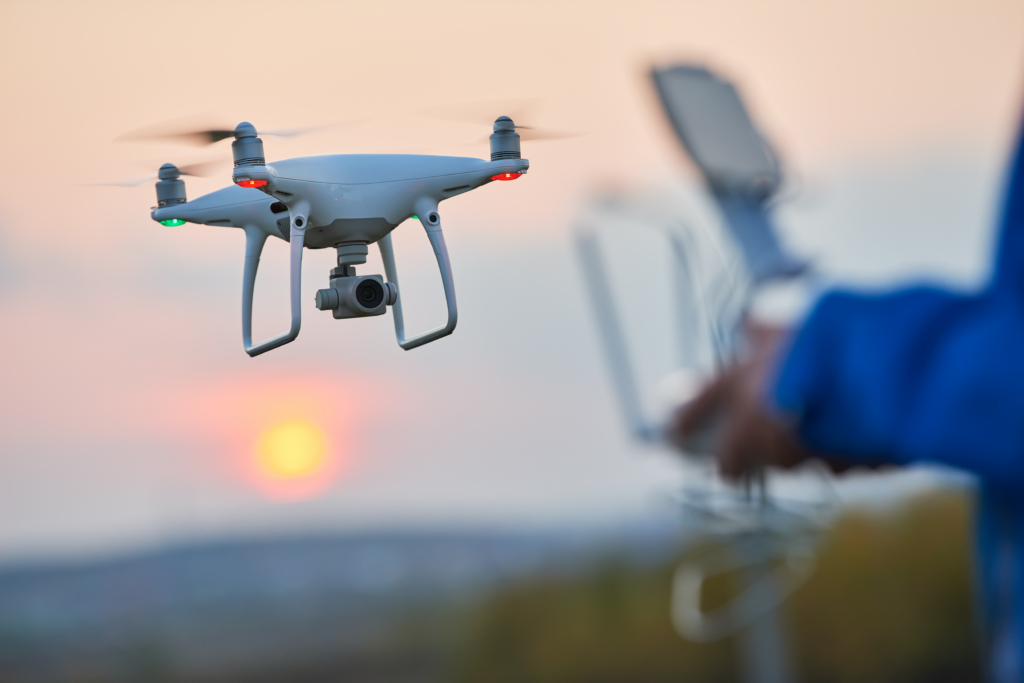
Prevention is also important. Most UK airports have a Flight Restriction Zone (FRZ), meaning drones cannot be flown there without permission. The zone typically extends several kilometres around the airport, with extra protection around runways that can stretch up to 5km from the runway ends and reach 2,000ft above the ground.
Breaking these rules can have serious consequences, including fines, the suspension of a drone operator’s registration or certificate, or even prison.
Why are drones difficult to spot?
The scale of the risk is clear from UK Airprox Board records. At least seven drone encounters involving aircraft around London Heathrow Airport alone were recorded in its 2025 reports, including several where pilots reported the drone passing within 100ft of their aircraft.
However,spotting a drone does not mean authorities can simply bring it down. Any attempt to disable a drone has to take into account what could happen if it falls onto a runway, an aircraft or a populated area.
Some counter-drone systems can also affect other equipment, meaning they have to be used carefully.
This leaves airports with a difficult job. They need to protect aircraft while avoiding a response that could create another safety problem.

Not every drone sighting is an attack, either. A drone could be accidentally flown into restricted airspace or be operated by someone unaware of the risks.
From an airport’s perspective, however, the immediate priority is always to keep aircraft and passengers safe.
How much disruption can one drone cause?
The biggest risk may also not be a drone hitting an aircraft, but the disruption caused by the mere possibility of a collision.
A single sighting can lead to aircraft being held or diverted while airport and air traffic teams work out whether it is safe to continue. At a major airport, those delays can quickly affect flight schedules, aircraft movements and passengers. The costs can be huge in both time and money, and unfortunately the Brussels incident is a good example of how a relatively small unmanned aircraft can create a much larger problem.
What does the future hold for airport security around drones?
As drones become more accessible and more capable, airports will need to keep improving how they detect and respond to unauthorised flights.
The real challenge is knowing when one poses a genuine risk, acting quickly when it does and getting normal flights moving again once the airspace is safe.
Sign up for our newsletter and get our latest content in your inbox.


More from


October 17, 20264 min read