


Wizz Air bets on downturn to accelerate its pan-European expansion
3 min read
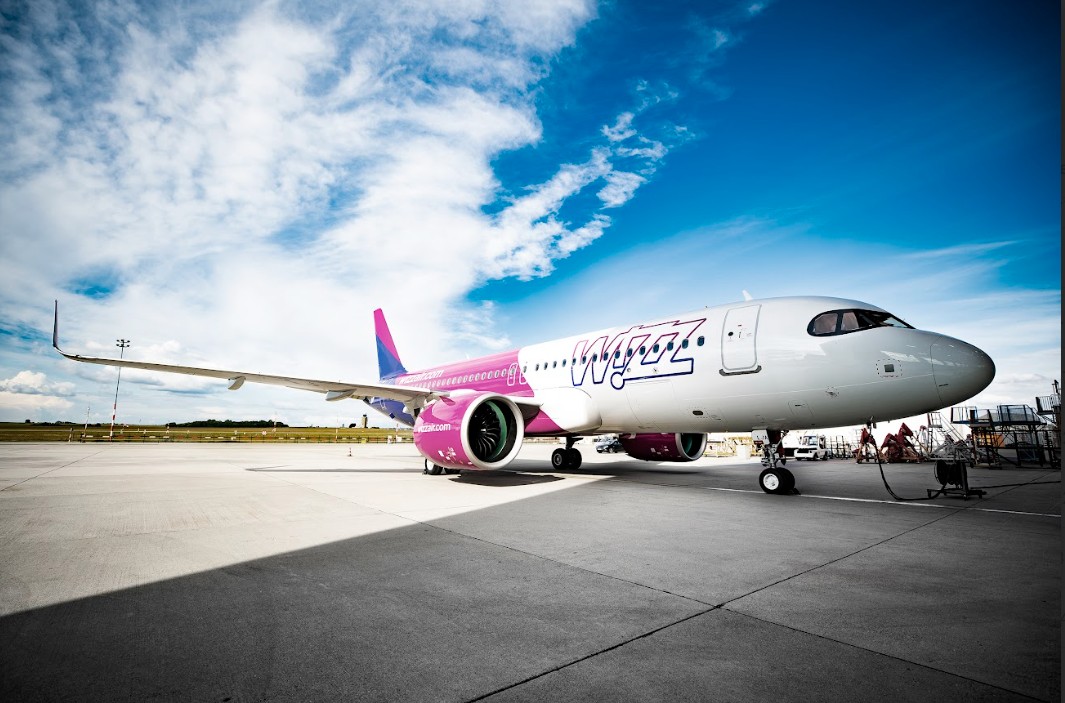
Never let a good crisis go to waste, goes the saying, and for Wizz Air that is certainly the case as it seeks to grow as competitors shrink amid the industry’s latest downturn.
Chief executive József Váradi said the retreat of rival airlines in Europe was opening up markets for the low-cost carrier to expand.
“When it’s a bad time for the industry, you have to take a different pace, and you have to take a different avenue than the rest of the guys,” Váradi said at Routes World 2026 in Frankfurt. “This is the time to act.”
Wizz Air’s plan for growth despite the headwinds
The airline expects to grow by around 20% in 2026, Váradi said, despite high fuel prices and geopolitical disruption.
Wizz has moderated its winter growth plan from an initial 30% to 20%, but is still expanding while much of the wider industry contracts in the face of those challenges.
Váradi said that capacity cuts by other airlines were creating opportunities for Wizz to fill gaps in the market.
“We are trying to fill the void, fill these gaps created by others,” he said, describing the company as well suited to “organically consolidate” markets by adding its own capacity when rivals shrink or exit.
He ruled out acquisitions as a central part of that approach, saying mergers and acquisitions were “counterintuitive” to Wizz’s ultra-low-cost-carrier focus on simplicity and efficiency.
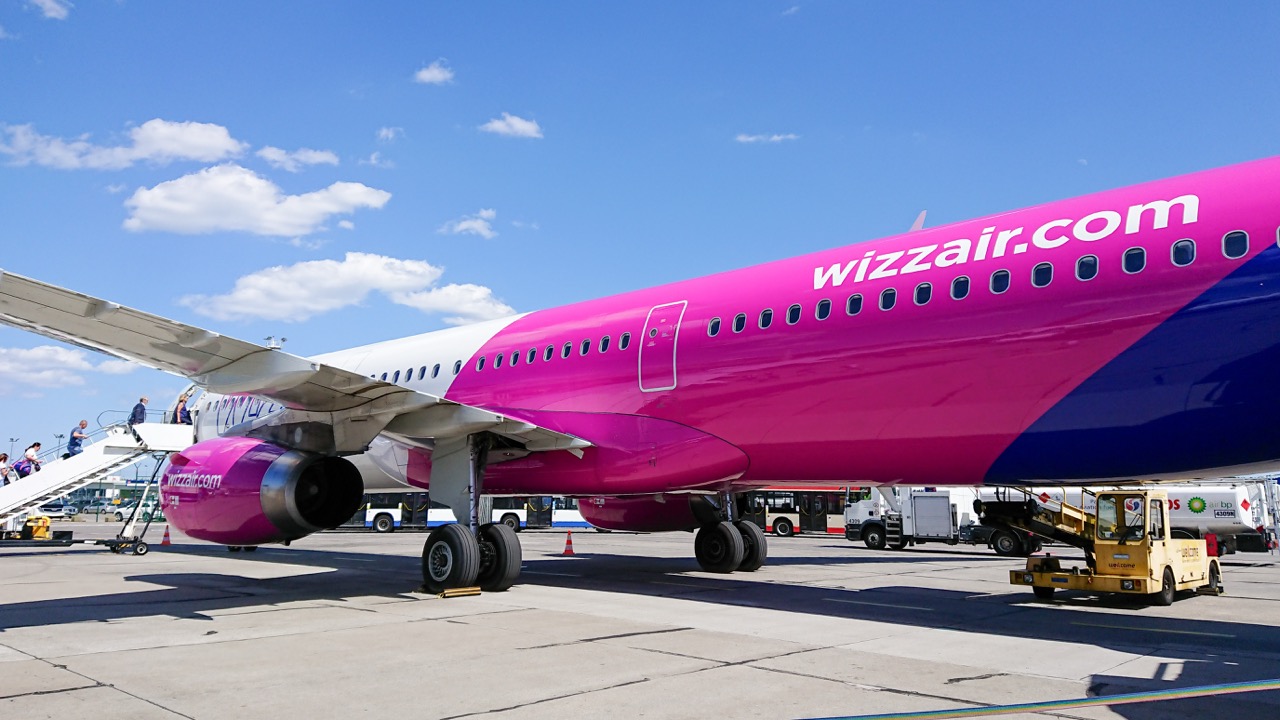
Looking beyond eastern Europe
The growth push comes as Wizz is seeking to become more pan-European than it has been in the past.
While Central and Eastern Europe remains its core market, Váradi said the airline was intent on broadening its reach.
“Central East Europe is only 10 percent of the total European airline market,” he said. “You are not going to survive in the long run with only being focused on 10 percent” of the market.
Italy, Spain and the UK are key to that strategy. Váradi described the UK as Wizz’s first move beyond its Central and Eastern European base, Italy as the second, and Spain as the next.
He said the airline was seeking to build on its experience in Italy, where it has established operating bases, and replicate that approach in Spain.
The shift westward, he stressed, does not mean abandoning Wizz’s established markets.
Low-cost-carriers pick up slack where legacy airlines retreat
The airline has a 27% market share in Central and Eastern Europe, according to Váradi, and intends to strengthen that position while adding capacity elsewhere.
He pointed to new bases and network growth in the region, alongside increasing demand from a rising middle class and more outbound leisure travel.
Váradi said Wizz’s expansion was the latest chapter in the expansion of low-cost airlines across the continent.
“The entire growth is coming from low-cost carriers,” he said, arguing that legacy airlines were not adding capacity at the same pace and would face declining market share.
Hedging offers clarity on fuel costs in the short term
Fuel economics are central to his confidence. Váradi said Wizz was 85% hedged for the next six months at $800 per metric tonne, compared with a market price of about $1,500, and 50% hedged for summer 2027 at $900.
He also cited the fuel efficiency of the airline’s Airbus Neo fleet as an advantage.
Váradi acknowledged that a sudden end to the Middle East conflict and a sharp fall in fuel prices could leave Wizz paying a premium on its hedges.
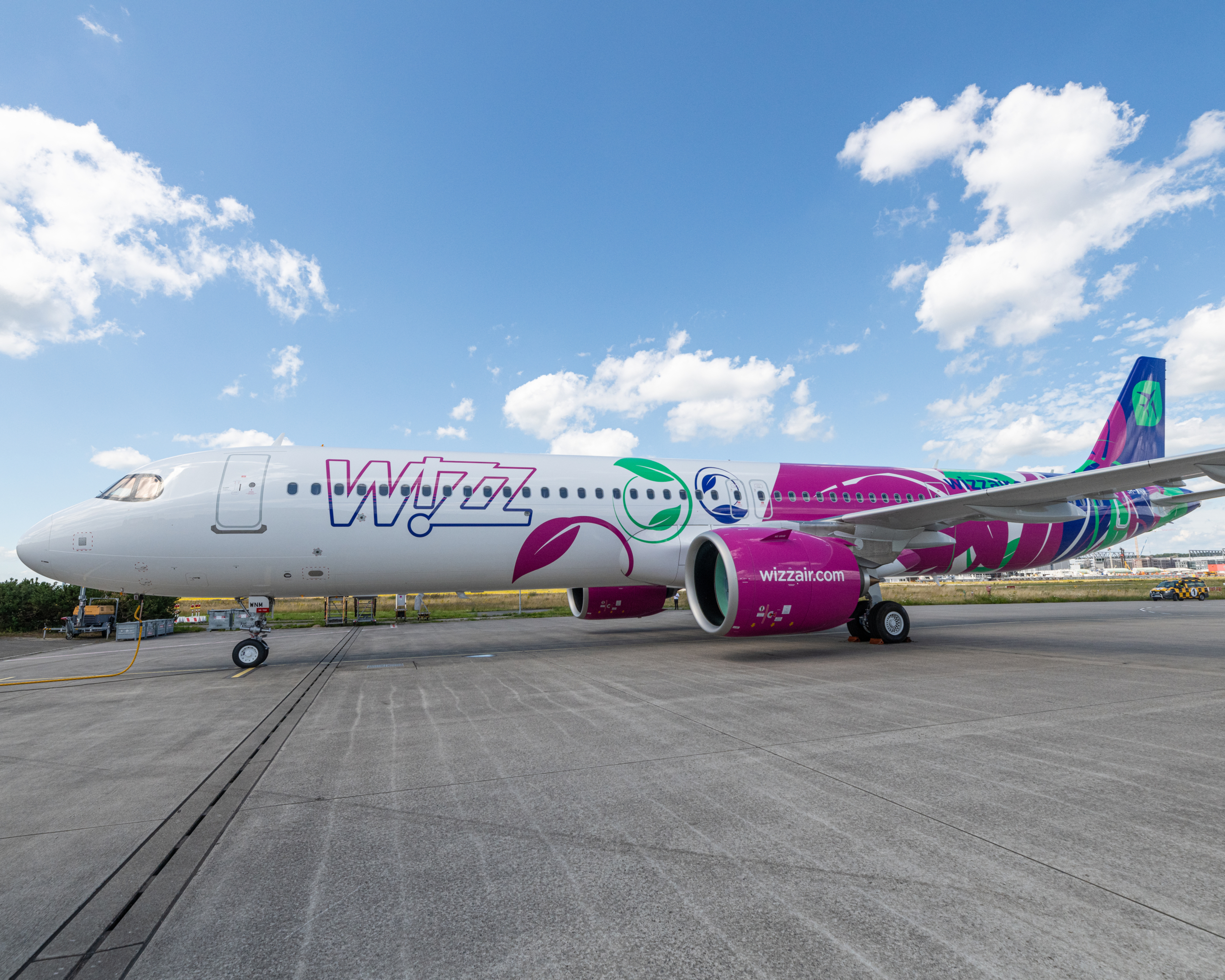
But he said the airline was prepared to keep investing while remaining selective. Airports whose existing carriers were “wobbling”, he said, were already asking Wizz whether it could step in.
“When everyone else is going to shrink and increase fares,” he said, Wizz believes it can “manoeuvre in that environment very well for further growth.”


