


Abu Dhabi growth plans remain intact as airport courts new airlines

4 min read

Abu Dhabi Airports expects strong passenger growth to continue despite recent disruption which has led to airspace closures and many carriers axing services to the region, with plans to expand capacity and even attract a broader mix of airlines, Chief Commercial Officer Carsten Nørland said.
“There’s nobody changing the plans about what is going on because it will continue,” Nørland said, describing Zayed International Airport’s growth trajectory.
Speaking during the Routes World 2026 event in Frankfurt, he said Abu Dhabi had recorded 19 consecutive quarters of growth above 10% and was already expanding faster than planned.
“We are basically growing ahead of our plan, and the plan was obviously made before this situation,” he said.
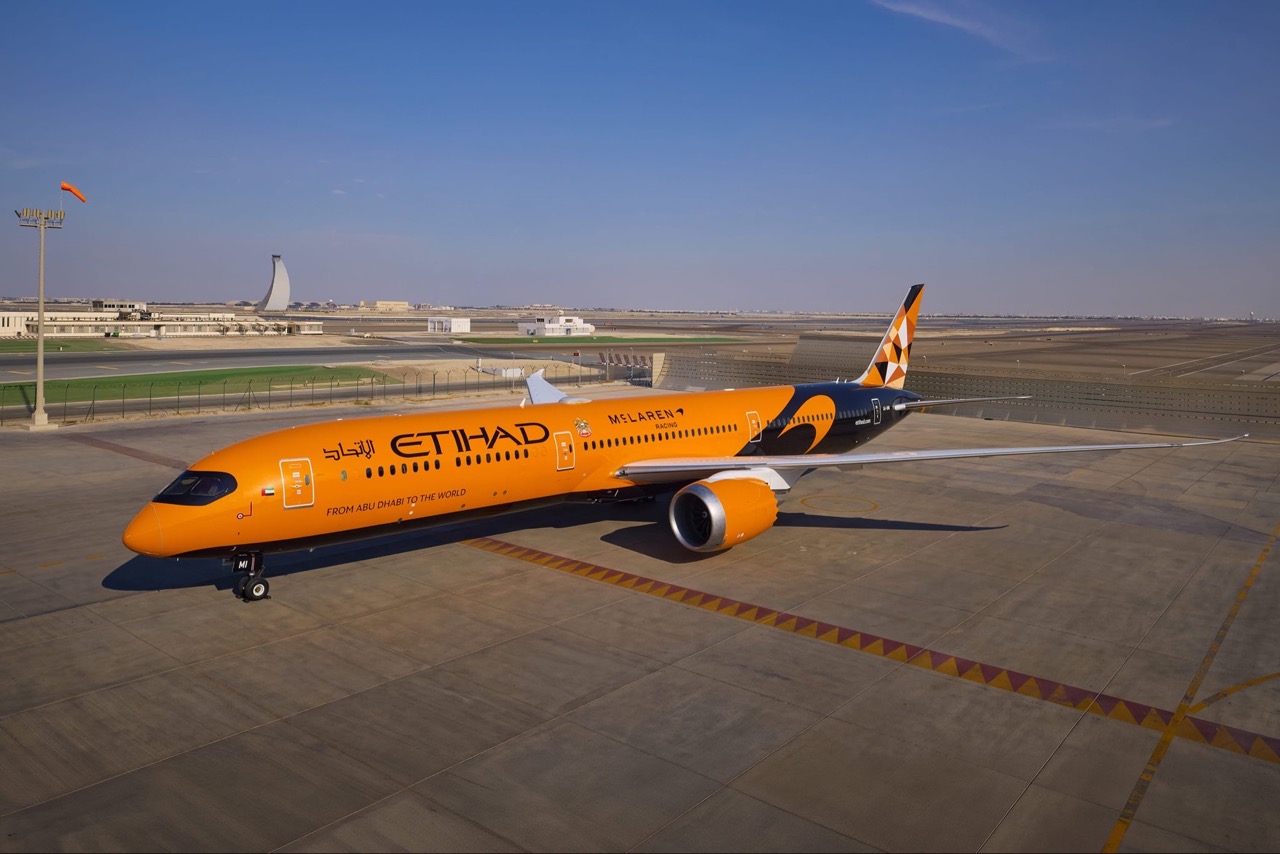
The comments come after more than a year of disruption across the Middle East aviation market. Repeated airspace closures, missile and drone attacks, and heightened security concerns linked to the regional conflict have forced airlines to reroute flights, suspend services and revise schedules.
While Abu Dhabi has avoided the prolonged traffic declines seen at some neighbouring gateways, several European and Asian carriers temporarily reduced or paused operations during periods of heightened tension, adding uncertainty to growth forecasts for the region.
Airlines return to Abu Dhabi despite the geopolitical uncertainty
Growth has been supported by Etihad, Air Arabia and carriers from India, he added, even as some airlines from Europe and China have yet to return.
Two weeks ago, Air India Express resumed services connecting Abu Dhabi with Amritsar, alongside the relaunch of direct flights to Goa.
Since 2025, the airline has launched services to Guwahati, Indore, Hyderabad, Lucknow, Navi Mumbai, and Pune.

Indeed, Abu Dhabi added 12 routes year on year by the third quarter, taking its total from 112 to 124, Nørland said.
“Last year we had 112 routes. This year, despite the situation, we have 124. So we added this year 12 new routes.”
The increase is notable given that airlines across the region have faced intermittent airspace restrictions and operational disruption since 2025, prompting several carriers to suspend flights to parts of the Middle East or reroute aircraft around conflict zones.
Last month, AUH welcomed the launch of Condor’s new daily, year-round service between Berlin and Abu Dhabi.
The new route, operated by an Airbus A320neo, is the first scheduled direct connection between the two capitals on Condor’s network.
Importantly, Condor’s codeshare partnership with Etihad Airways enables connectivity between Germany and Abu Dhabi, by providing passengers travelling from Berlin the ability to connect to destinations across Etihad’s network.
Nørland said the airport expected to welcome five new airlines by the end of the year, after around seven joined the previous year.
Passenger growth underpinned by expanding terminal
The airport is also preparing for higher passenger volumes off the back of this impressive resilience.
Its new terminal, which opened in 2023, is designed to accommodate growth beyond 40 million to 45 million passengers, with a mid-field satellite terminal in planning.
Nørland said the additional capacity was expected to be needed by 2032.
He linked the positive outlook for the airport to Abu Dhabi’s broader tourism and development ambitions, including new attractions, hotels and a so-called airport city.
“In the next five years, it will almost double,” he said of the city’s hotel capacity. “The whole system will have so much demand for more traffic into Abu Dhabi.”
Making space for foreign carriers at AUH
That demand should create room for airlines beyond the airport’s home carriers, Nørland said.
“It is important that we are focusing not only on our home-based carriers, which is of course the one that is basically making the airport a very big hub, but also making sure that the other airlines are welcome, are treated nicely, and are bringing a lot of tourists to the city.”
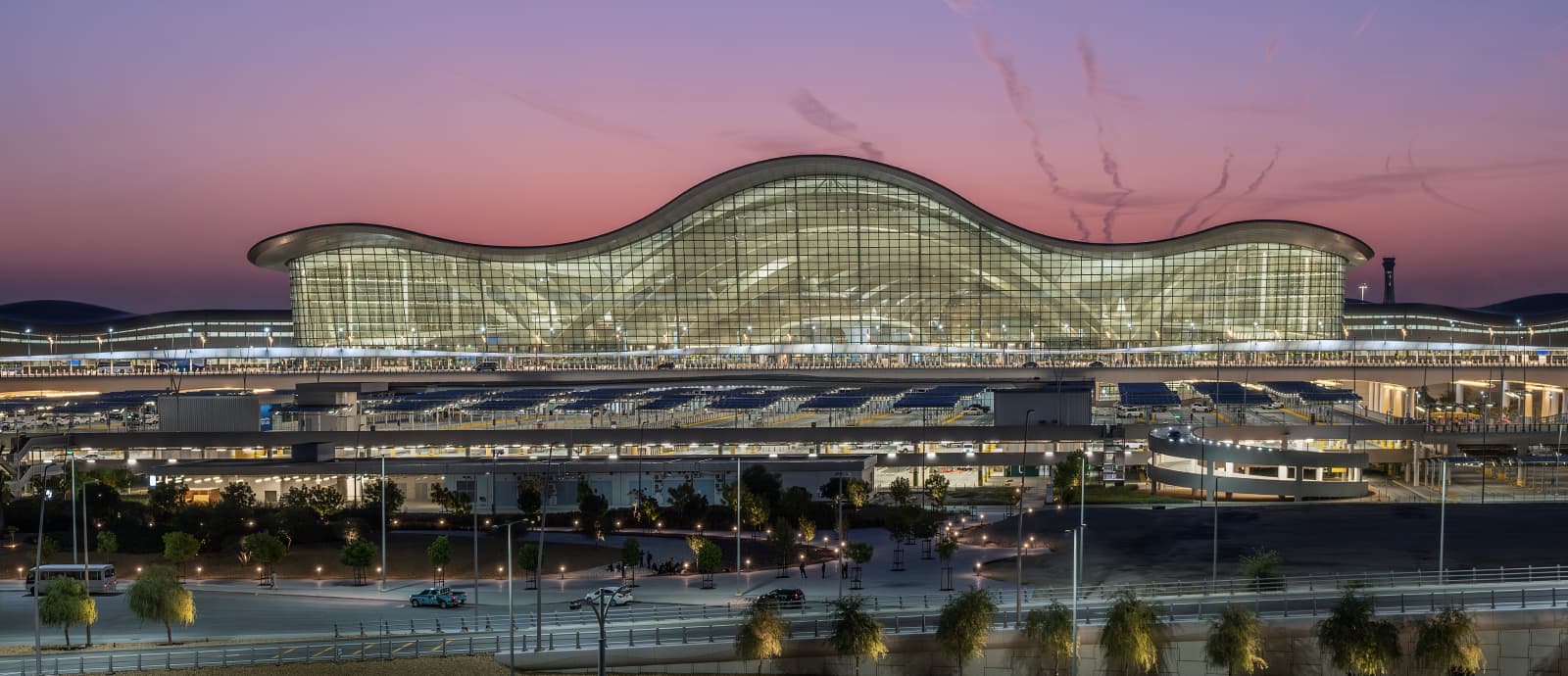
He said the airport’s role was to support the wider destination as well as its main airline hub.
Nørland also pointed to the region’s geographic position and growing cargo-related infrastructure as longer-term advantages.
“Within eight hours, you basically are connecting with 80% of the world’s population,” he said, adding that expanding warehouse and light-industrial facilities could support flows of goods between Asia, Africa and Europe, strengthening the region’s appeal as a transport hub.


