What is UPRT pilot training?

4 min read
Loss of Control In-flight (LOC-I) is still one of the leading causes of fatal accidents in commercial aviation. It can be brought about by several things, including turbulence, rapidly changing winds, poor use of automation, inadequate monitoring, system failures or wake turbulence from larger aircraft.
Whatever the cause, loss of control can lead to an aircraft “upset”, where the aircraft moves outside its normal flight limits. This could mean the nose is too high or too low, the bank angle is too steep, or the airspeed is too fast or too slow.
While these situations are rare they can develop quickly, making the ability to recognise and recover from an upset an essential skill for all pilots.
How real-world incidents changed pilot training
One example occurred in January 2017 over the Arabian Sea, when a Bombardier Challenger CL604 business jet encountered the wake turbulence of an Airbus A380 flying around 1,000ft above it. The Challenger rolled out of control and lost approximately 9,000ft before the crew regained control. Four of the six occupants were injured and the aircraft was damaged beyond economic repair.
Alongside high-profile accidents such as Air France Flight 447 in 2009, incidents like these highlighted that many flight crews were not fully prepared to manage aerodynamic upsets, particularly at high altitude.
As a result, regulators introduced mandatory Advanced Upset Prevention and Recovery Training (UPRT). Since 2019, pilots training for a Commercial Pilot Licence (CPL) or Multi-Crew Pilot Licence (MPL) have had to complete an advanced UPRT course before beginning their first type rating.
European airlines must also include upset recovery training in recurrent programmes, with the full syllabus covered every three years.
What happens during advanced UPRT?
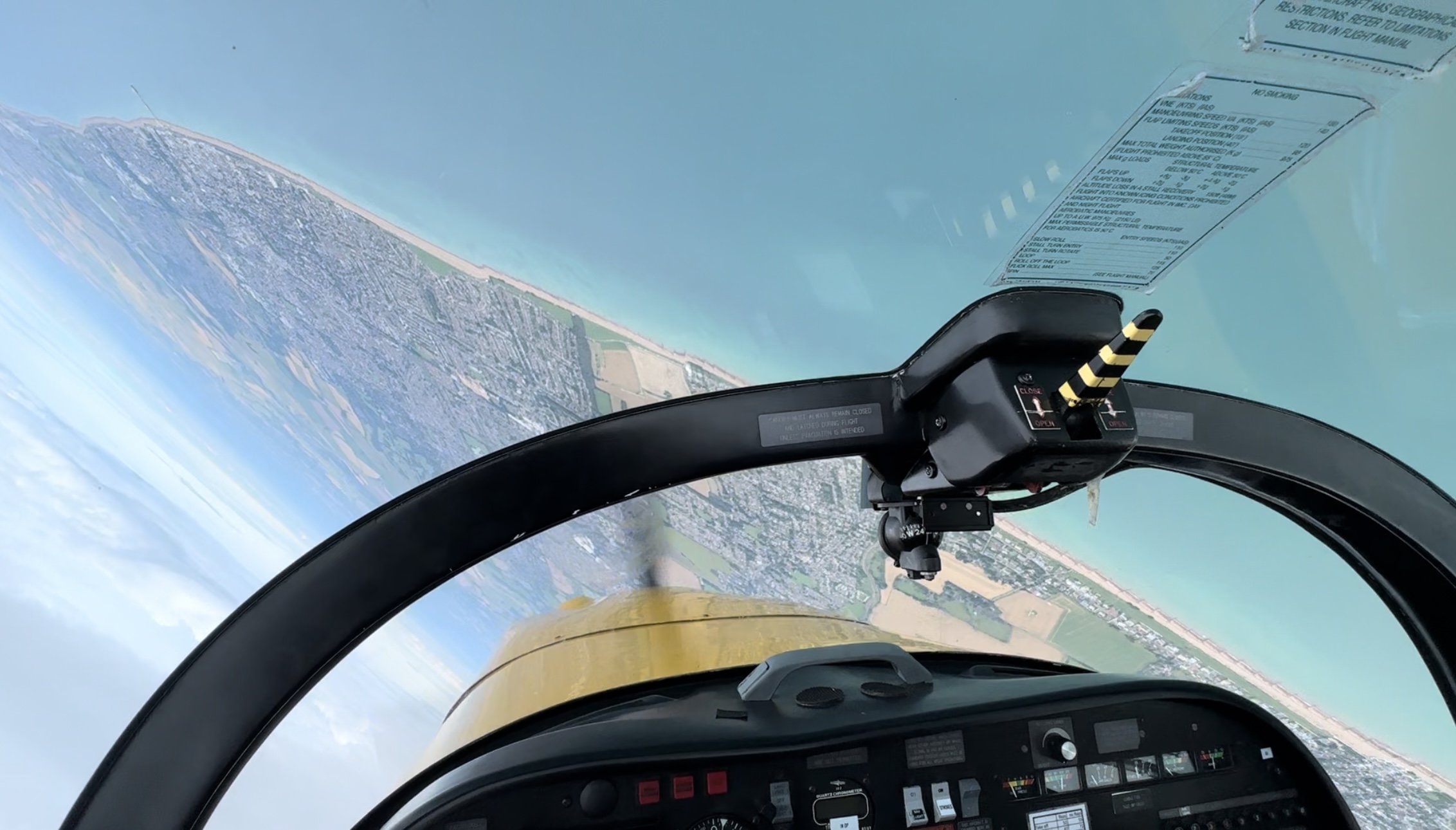
Advanced UPRT is designed to improve both upset prevention and recovery skills. A typical course lasts around a week, combining several days of classroom instruction with at least three hours of airborne training. It’s usually completed over four flights in a suitably equipped light aircraft.
The ground school element covers accident case studies, recovery techniques and the human factors that can influence pilot performance under pressure. Flying training then exposes students to a range of realistic upset scenarios, including recoveries from extreme nose-high and nose-low attitudes, unusual bank angles, spiral dives, wake turbulence encounters and flights with restricted flight controls.
As the course progresses, instructors introduce more demanding scenarios designed to create a genuine startle effect, such as an elevator trim runaway.

To make the exercise as realistic as possible, students are often asked to keep their eyes covered while the instructor manoeuvres the aircraft into an unknown attitude. Only when told to can they look up, assess the situation and carry out the appropriate recovery.
By exposing pilots to the psychological and physiological effects of unexpected upsets, the training teaches resilience that is difficult to achieve in a simulator alone.
Why aircraft training is still needed alongside simulators
Although recurrent UPRT at airlines is carried out in full-motion flight simulators, they cannot accurately reproduce the physical sensations experienced during a real aircraft upset. However, they do give a safe environment to practise procedures and allow instructors to record detailed flight data for comprehensive debriefing afterwards.
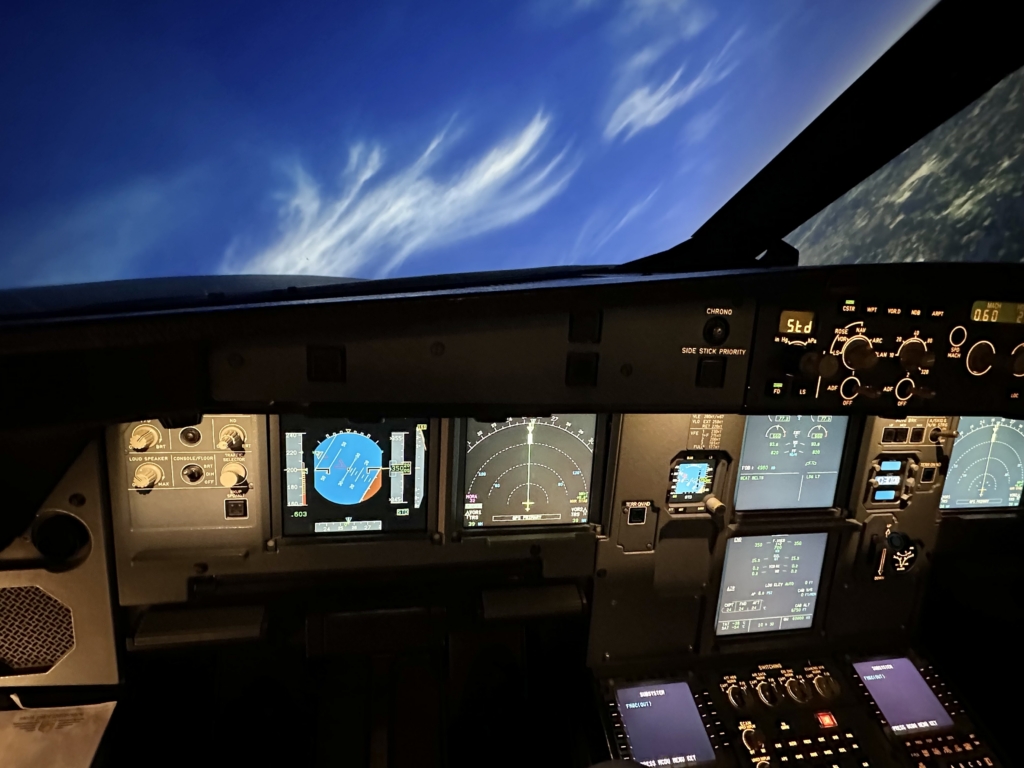
Flying the manoeuvres in a real aircraft provides pilots experience of the physical and mental demands associated with unusual attitudes. This makes airborne training an important complement to simulator-based instruction.
Where can pilots complete UPRT training in the UK?
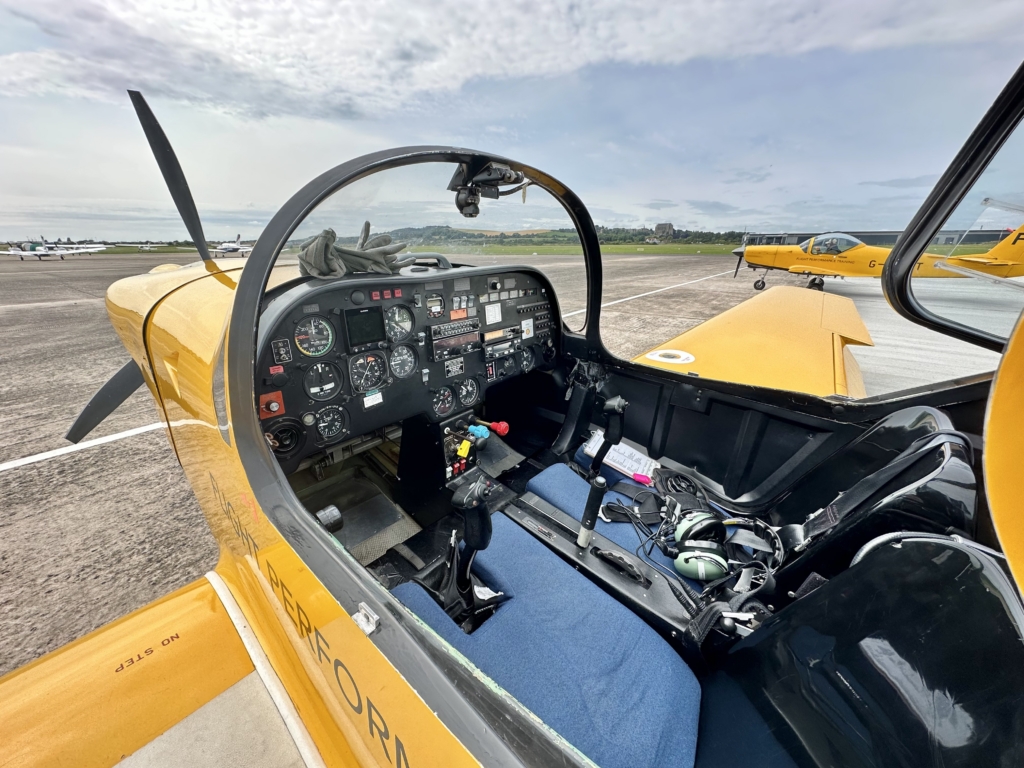
Two of the UK’s leading advanced UPRT providers are Ultimate High at Goodwood, West Sussex, and Flight Performance Training down in Shoreham-by-Sea.
Both operate the aerobatic Slingsby T-67 Firefly, a former military training aircraft whose side-by-side seating allows instructors to closely monitor a student’s handling throughout each exercise.
Why is UPRT still so relevant?
Modern fly-by-wire airliners have flight envelope protection systems that help stop pilots exceeding the aircraft’s operating limits. However, these protections are not always available if the aircraft is operating in a degraded mode after certain failures, making strong manual flying skills as important as ever.
UPRT plays a vital role in improving flight safety by giving pilots the skills and confidence to recover from unexpected situations. While it is now mandatory for professional pilots, it is also increasingly recognised as valuable training for private pilots looking to become safer and more capable aviators.
Sign up for our newsletter and get our latest content in your inbox.


More from


October 13, 202612 min read