


Thinking differently: Could neurodiverse pilots help solve the airline pilot shortage?

7 min read

Becoming a commercial airline pilot means mastering an enormous body of knowledge. Systems, procedures, meteorology, navigation, human performance and aircraft limitations must all be absorbed and applied under pressure.
But for neurodiverse pilot trainees, particularly those on the autistic spectrum, the biggest obstacles are not always the technical ones.
As the aviation industry faces a growing pilot shortage, questions are emerging about whether traditional training and recruitment pathways are unintentionally filtering out capable candidates whose strengths may actually align with the realities of modern flight decks.
The scale of the commercial pilot shortage
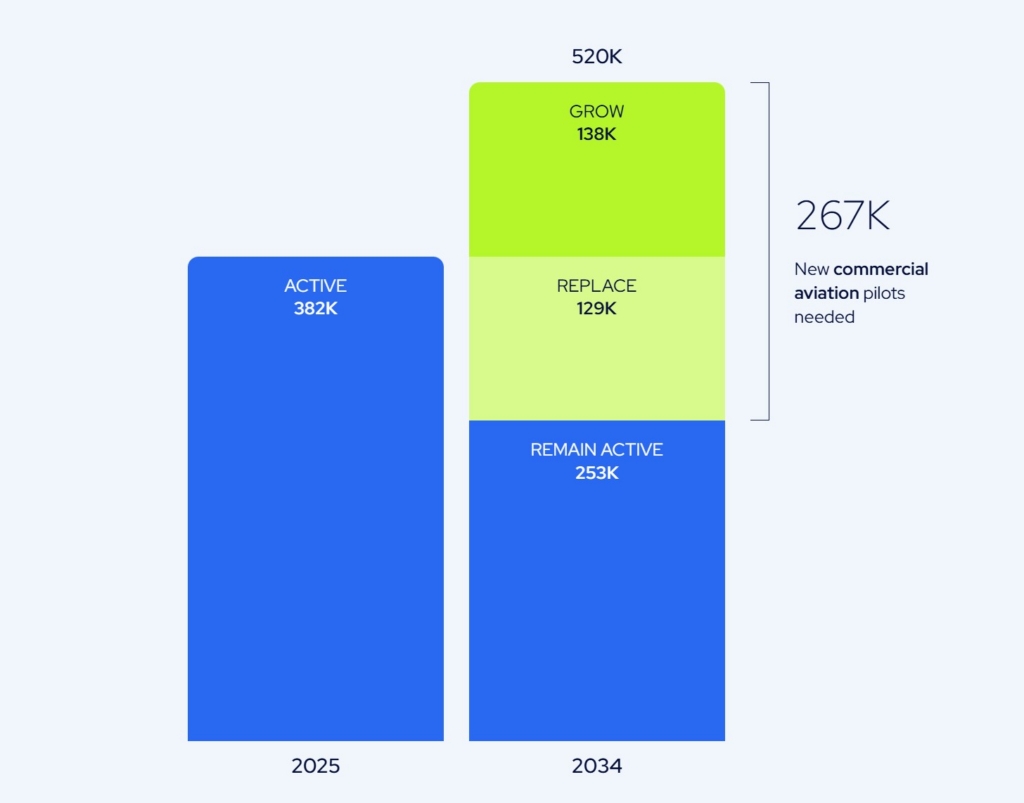
CAE’s 2025 Aviation Talent Forecast estimates that the aviation industry will need 267,000 new commercial pilots over the next decade, driven by growing travel demand, fleet expansion and a wave of retirements. Meeting that demand will be a significant challenge.
A diagnosis of autism does not legally prevent someone from becoming a commercial pilot or progressing to the rank of captain. In fact, many traits commonly associated with autism, including precision, strong memory, pattern recognition, adherence to rules and sustained focus, align closely with the operational demands of aviation.
The industry itself is built on standardisation, data and procedural discipline. Yet while those characteristics can play to the strengths of many neurodivergent individuals, traditional training and recruitment pathways do not always accommodate different learning styles.
With demand for pilots rising sharply, overlooking capable candidates because they think or communicate differently could represent a significant missed opportunity for the industry.
Why neurodiverse pilot candidates might be overlooked
According to the World Health Organization, around 1 in 100 people globally has autism spectrum disorder (ASD). Autism forms part of the broader concept of neurodiversity, which also includes ADHD, dyslexia, dyspraxia and other cognitive differences.
That represents a significant potential talent pool. Pathways to the flight deck vary widely, but failing to recognise capable candidates simply because they think or communicate differently carries a strategic risk for an industry already facing a growing pilot shortage.

The role itself is highly structured, system-intensive and driven by checklists. Yet recruitment processes have traditionally favoured candidates who are extroverted, socially fluent and intuitively communicative.
“Aviation has traditionally looked for a very narrow ‘type’ of person,” Simon Burnham, founder of Flightdeck One Tuition, told AGN. “In reality, the job rewards precision, discipline and systems thinking. If adherence to SOPs, situational awareness and threat and error management are what matter most in a multi-crew cockpit, then selection should reflect that.”
The Class 1 medical for neurodiverse pilots
A significant hurdle for some aspiring pilots with autism is the Class 1 medical certification. For certain neurodiverse applicants, the process itself becomes the barrier, not because they cannot meet the standard, but because demonstrating compliance can be more complex.
Medical assessments may involve additional scrutiny, specialist reports and longer evaluation timelines. For many candidates, navigating this bureaucratic process, while also demonstrating cognitive and social competencies in a formal medical setting, can feel daunting.

Burnham believes elements of the regulatory mindset have not kept pace with current understanding.
“The CAA’s thinking on neurodiversity is still quite old-fashioned in places,” he told AGN. “It needs updating so that standards are upheld while also being clearer and more aligned with modern medical understanding.”
Can pilots take medication with a Class 1 medical?
In principle, a neurodiverse trainee, or any applicant, may pass a Class 1 medical while taking medication, provided the drug and dosage do not affect decision-making, alertness or overall cockpit performance, according to the UK Civil Aviation Authority.
In practice, however, much depends on the specific medication and its effects. Each case is assessed individually as part of the aeromedical evaluation.
For many trainees, the uncertainty surrounding acceptable medications can itself become a source of stress. Some worry about declaring treatment, while others fear longer medical assessments or inconsistent advice during the certification process.
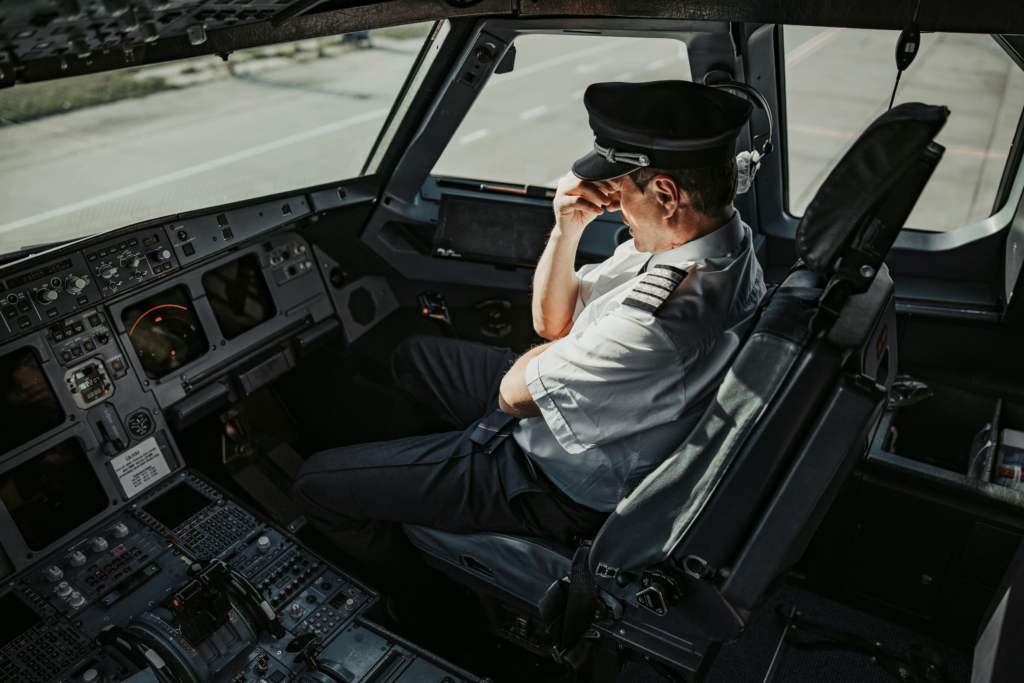
Clearer regulatory guidance, improved education for Aeromedical Examiners (AMEs) and training organisations, and a more transparent, evidence-based approach to commonly prescribed medications could help reduce that uncertainty. In turn, aspiring pilots would be better able to manage their health without feeling they are jeopardising their careers.
Challenges neurodiverse learners face in pilot training
For many neurodivergent trainees, adjusting to the training environment can become another hurdle.
Dense theory courses, differing instructor styles, compressed timelines and highly subjective feedback can feel overwhelming. For some, the stress comes less from the technical flying itself and more from navigating the learning environment around it.
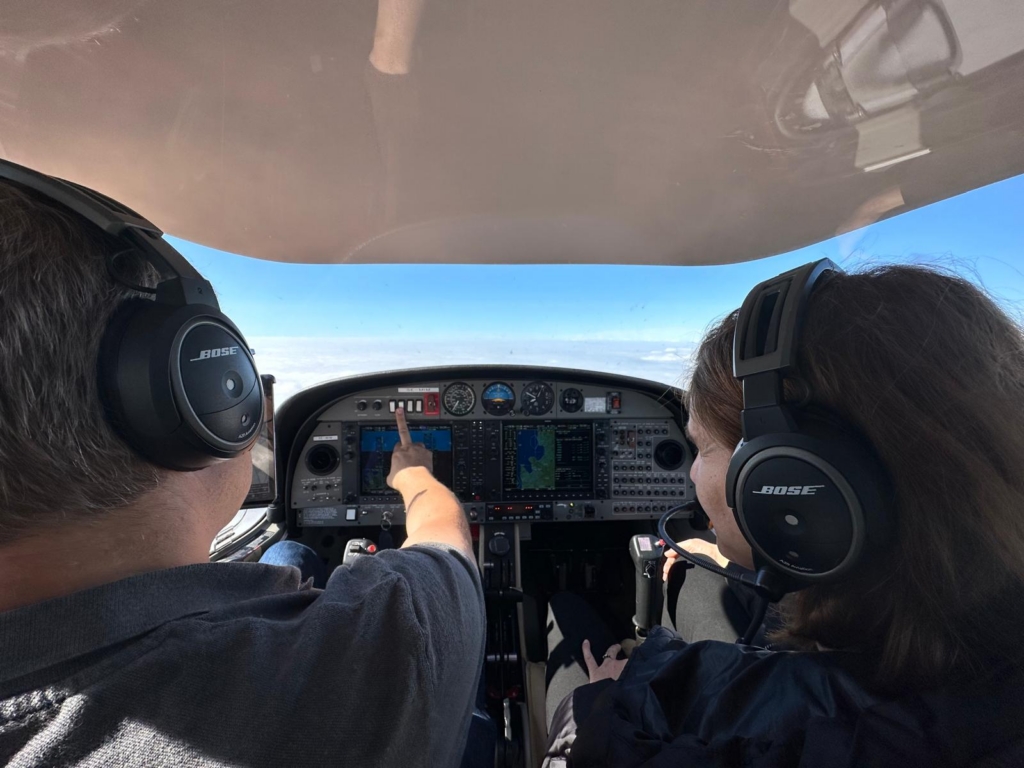
Where some trainees adapt instinctively to shifting expectations, others benefit from predictability, clearly structured lessons and explicit explanations of what is required.
“I was about to quit”
One ATPL student in his 30s told AGN he was close to a breaking point before finding a more tailored approach through Flightdeck One Tuition.
“Before I started training with neurodiversity support, I was honestly on the verge of giving up,” he said. “The ATPL exams felt overwhelming, and I kept being told maybe I just ‘wasn’t cut out for it.’
“What changed was working with an instructor who understood how my brain works and didn’t treat me like a problem to be fixed,” the pilot continued. “He explained things in a real-world way rather than just through textbook slides, and suddenly subjects that made no sense started to click.
“The biggest difference was confidence. It was about starting to believe I belonged in aviation, not just learning the material. That shift completely changed how I study and perform.
“I’ve gone from doubting myself to genuinely feeling like a future airline pilot.”
Cockpit CRM rules add further challenges for neurodiverse pilots
The social dynamics of the multi-crew cockpit can present another, more subtle challenge.
Crew Resource Management (CRM) places strong emphasis on communication, assertiveness and collaborative decision-making. Yet these skills are often taught through broad principles rather than clearly defined behaviours.
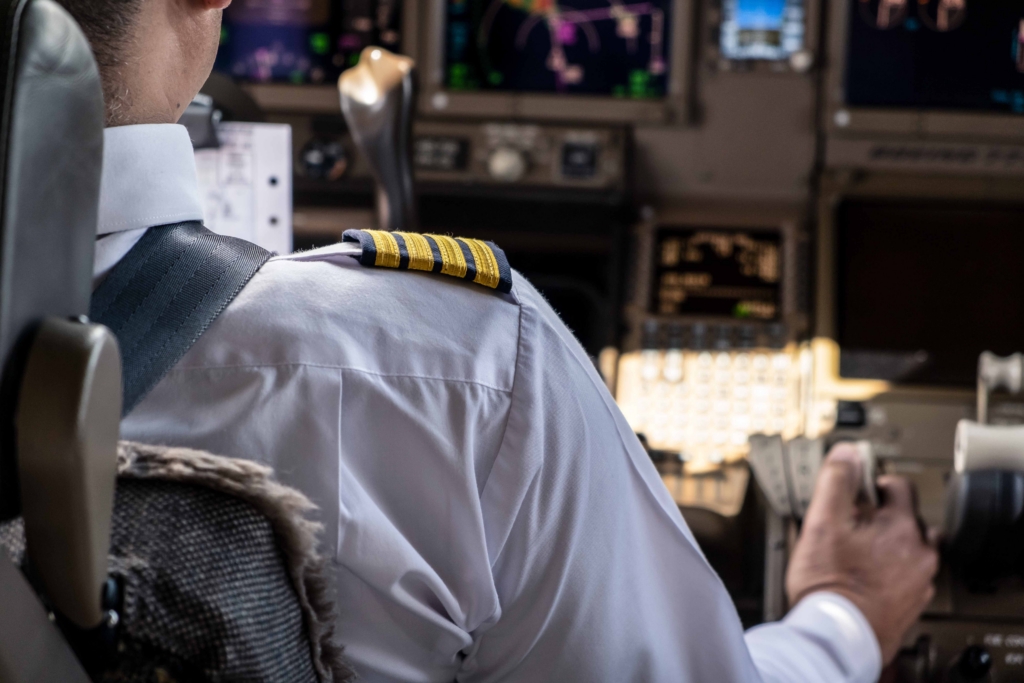
For some neurodivergent trainees, that ambiguity can make the “unwritten rules” of cockpit interaction difficult to interpret.
“A lot of neurodivergent pilots struggle with the subtle social rules of a multi-crew cockpit,” Burnham told AGN. “Applying the same clarity to interpersonal skills as to technical procedures is a logical step. Once you remove the guesswork, confidence grows very quickly.”
Technology enhancing modern pilot training
Level D full-motion simulators from providers such as CAE and FlightSafety International can now recreate aircraft behaviour with remarkable realism.
Alongside these platforms, advanced debrief tools from companies including SIMsensei and AeroCloud transform flight data into clear visual graphics. New AI-enabled platforms such as “Amelia” are also linking traditional instruction with the next generation of competency-based, evidence-driven training.
These technologies allow trainees and instructors to review key moments in detail, replaying events along a timeline and examining exactly what happened and why. The result is more objective feedback, rather than relying solely on an instructor’s interpretation.
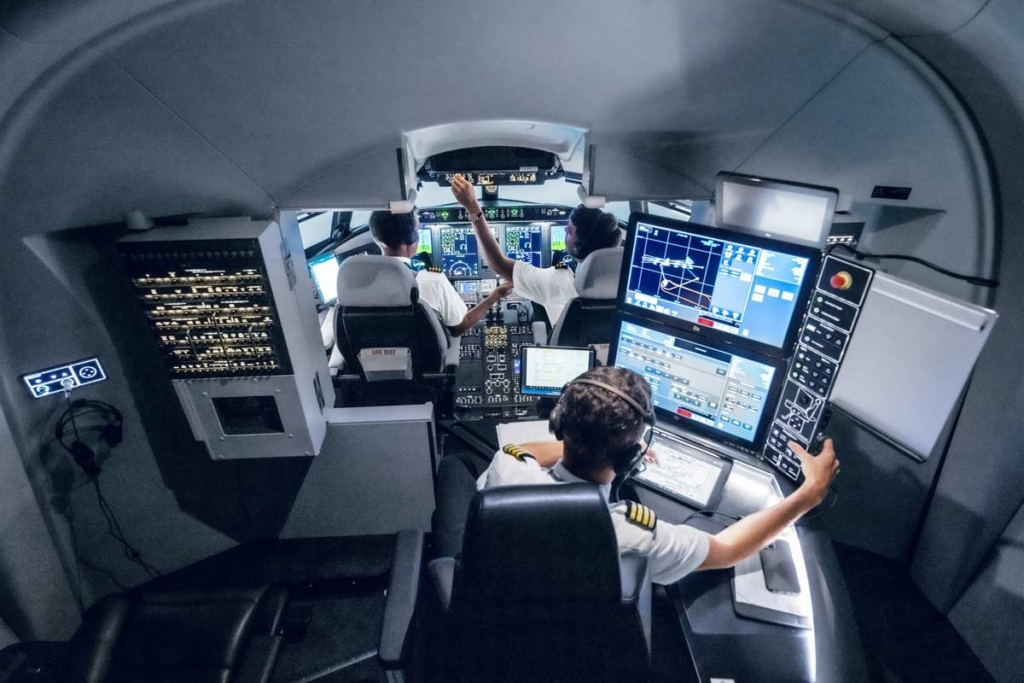
“Modern sims show exactly what happened instead of relying on vague opinions,” Burnham told AGN. “You can see where something went wrong and understand why.”
For analytically minded trainees, this level of transparency can reduce uncertainty and support measurable improvement. It also reflects a broader shift in aviation training towards real-world competency and clearer performance feedback.
Supporting neurodivergent learners in this way is not about lowering standards or offering special accommodation. Instead, it means aligning training more closely with aviation’s core principles of objectivity, structure and data-driven performance.
How airlines are evolving pilot recruitment
Pilot training standards will not, and should never, be lowered. But neither should it be assumed that every capable candidate will naturally fit into the traditional training pathway.
Airlines are beginning to recognise this. British Airways says it offers adjustments to candidates during online tests, interviews and assessment centre exercises. Virgin Atlantic also invites applicants to highlight a diagnosis early in the recruitment process so that appropriate support can be put in place from the outset. These are just two examples, with others increasingly following suit.
Beyond the airlines themselves, assessment specialists such as Symbiotics are working with UK flight schools to design aptitude tests that place greater emphasis on real pilot competencies rather than one-size-fits-all screening methods.

Taken together, these developments signal a gradual but meaningful shift towards clearer communication, practical adjustments and fairer access for neurodivergent aspiring pilots.
At 35,000 feet, what ultimately matters is competence, discipline and sound decision-making. The profile of the person delivering those qualities may be broader than the aviation industry once assumed.
Featured image: Boeing
Sign up for our newsletter and get our latest content in your inbox.


More from

October 25, 20266 min read

October 25, 20265 min read


