


Canada announces plan to purchase Saab GlobalEye AEW&C aircraft

3 min read
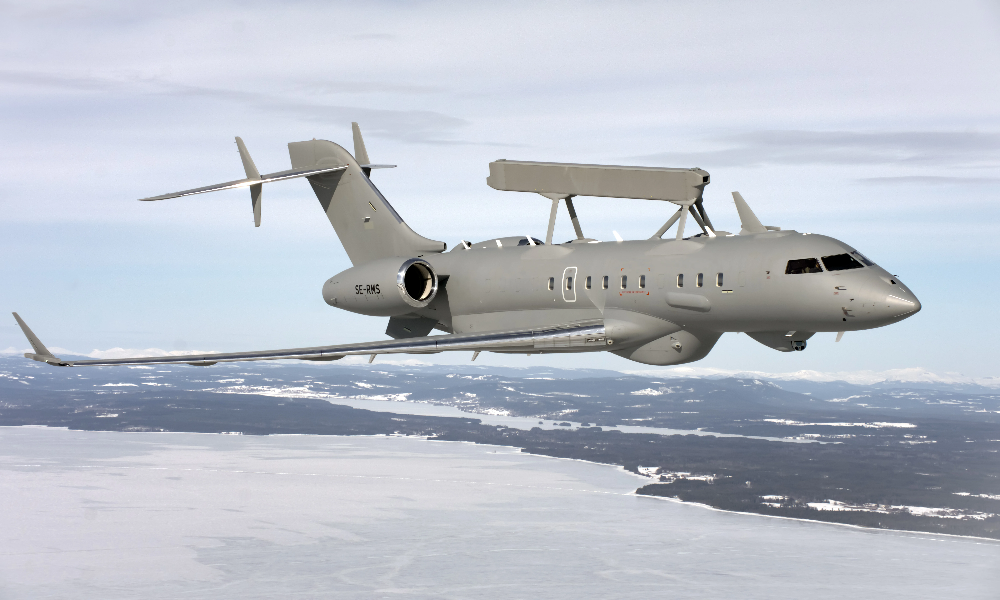
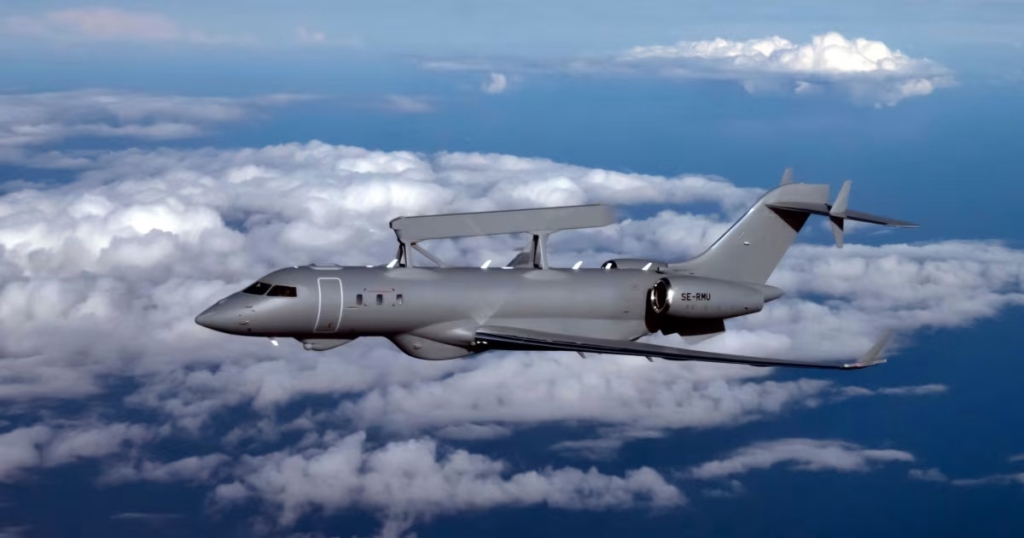
Canada has announced plans to purchase a fleet of Sweden’s Saab AEW&C GlobalEye as its future radar aircraft. The GlobalEye can track objects on land, sea, and air at a distance of up to 650 kilometres, and it is vital for Canada’s efforts to effectively monitor its Arctic north.
Canada announces it will purchase Saab GlobalEye
On Wednesday, Canadian Prime Minister Mark Carney said Canada will purchase the Saab GlobalEye (with the Erieye radar system). Saab welcomed the news but also stressed, “At this point, Saab has not signed a contract nor received an order.”
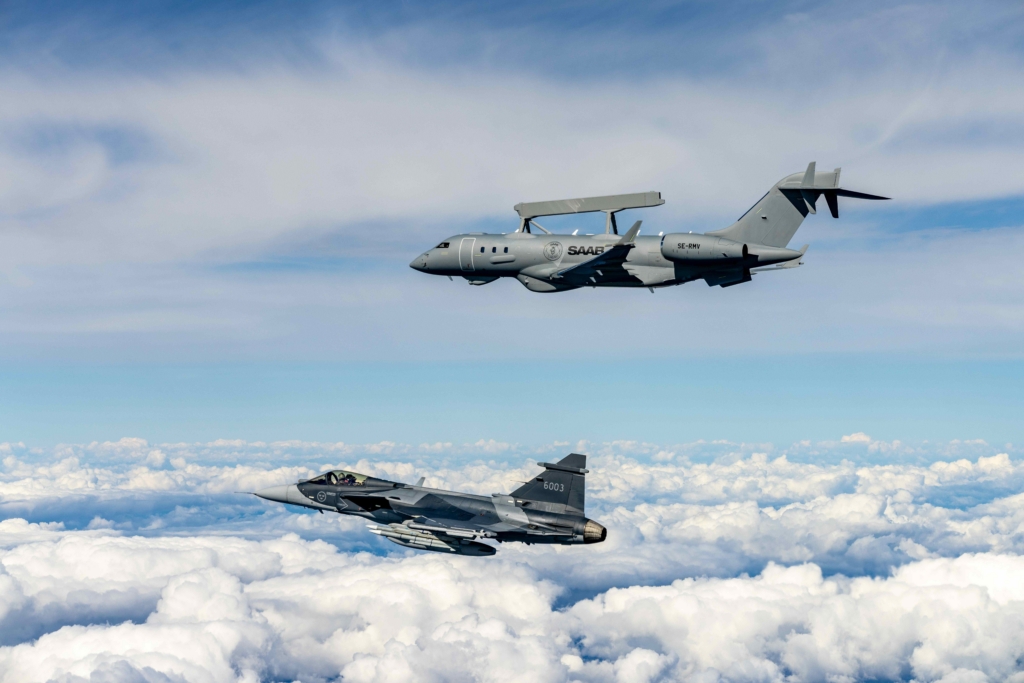
Instead, the announcement serves as a statement that Canada will enter formal negotiations and detailed discussions with Saab as the preferred supplier.
For Canada, the option is also at least partially a domestic solution, as Saab’s GlobalEye array is mounted on a Bombardier Global G6500 business jet built in Canada’s Toronto. It is also part of a wider effort between Saab and Canada to bring jobs to Canada.
There was no mention of the quantity, delivery timetable, or price tag, although Canada has previously said it wants a fleet of six AEW&Cs aircraft. They are needed to help Canada patrol its vast Arctic regions.
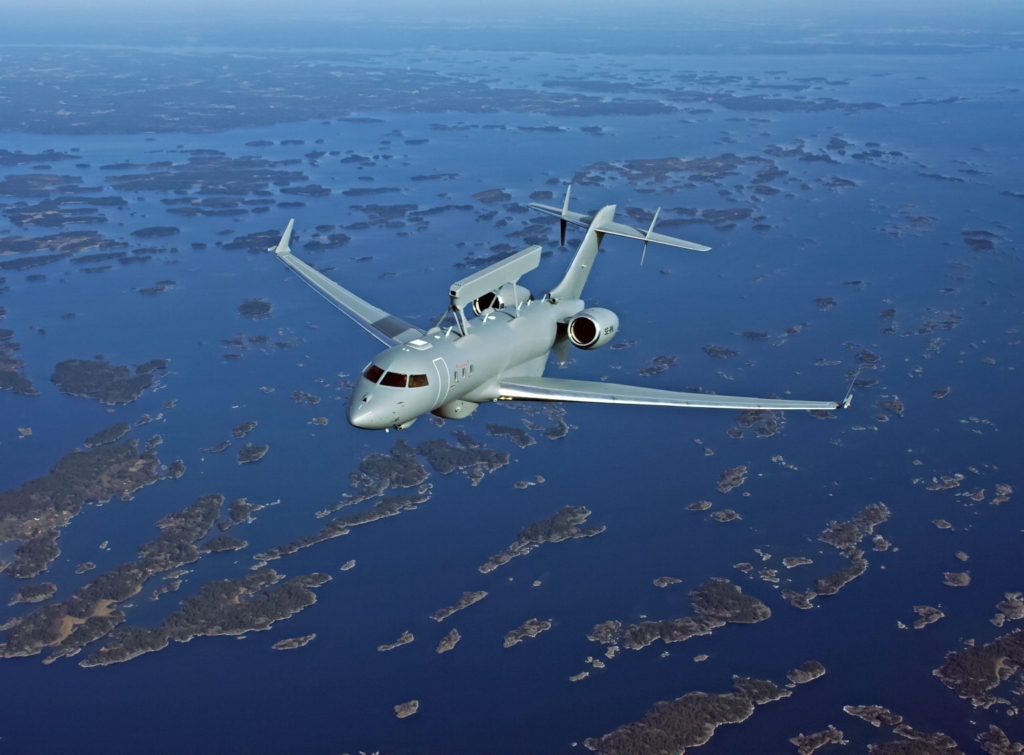
Carney said in March that Canada will work to take full responsibility for protecting its Arctic territory after relying on a partnership with the US for decades to monitor the region.
The European AEW&C answer to E-7 Wedgetail
The GlobalEye is the main European alternative to the larger and more powerful Boeing E-7 Wedgetail. The UK selected the E-7 Wedgetail, the first of which is being delivered and will enter service soon.
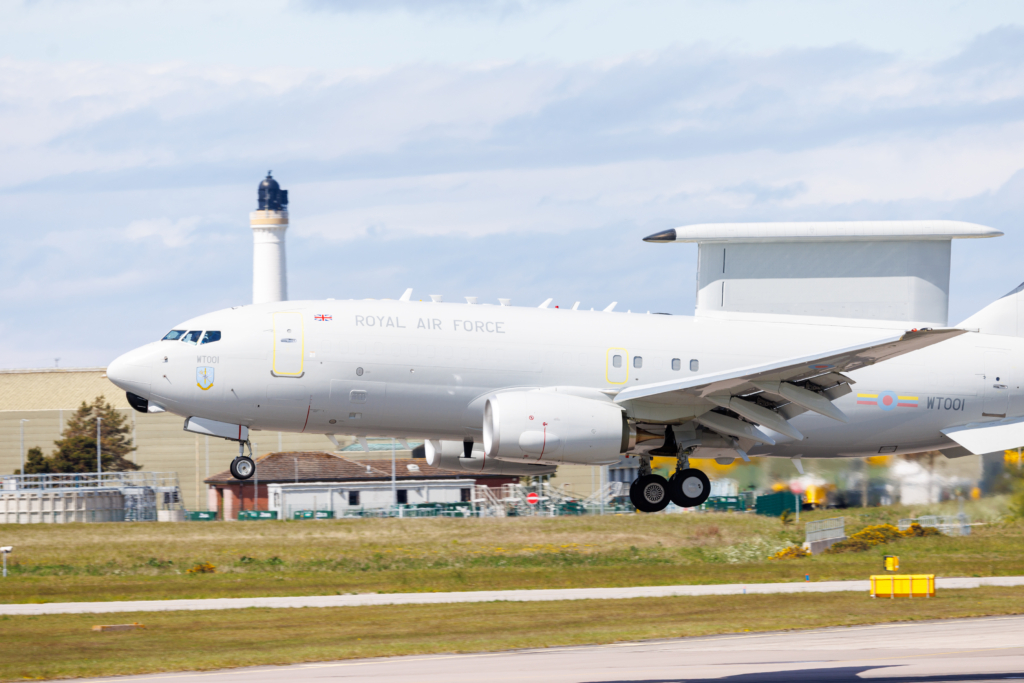
It is currently in service with the UAE and on order by France and Sweden. Denmark, Finland, Egypt, Germany, Greece, NATO, and other countries are considering purchasing it or are in negotiations.
NATO was planning to purchase the Wedgetail to replace its ageing E-3 Sentries, but that was scrapped last year after the US backed out. It is now looking for a European solution, with the GlobalEye considered the more likely choice unless Airbus unexpectedly comes up with a viable alternative.
The Wedgetail programme has been buffeted by a series of factors, including cost overruns, delays, and, perhaps more importantly, the USAF’s flip-flopping over whether to purchase them. In addition, international traction is being curtailed following the spike in geopolitical tensions of Trump’s second term.
Get the latest aerospace defence news here on AGN.
Canada’s move to reduce US imports
The geopolitical issue is particularly sensitive in Canada. Since taking office in 2025, Carney has repeatedly said Canada’s traditional relationship with the US is “over.”

In April, speaking at the Liberal Party’s national convention, CBC reported Carney said, “The days of our military sending 70 cents of every dollar to the United States are over.”
Eyes in Canada are also on the future of the F-35A programme. Canada has a programme of record for 88 F-35s, of which 16 have been ordered and paid for.
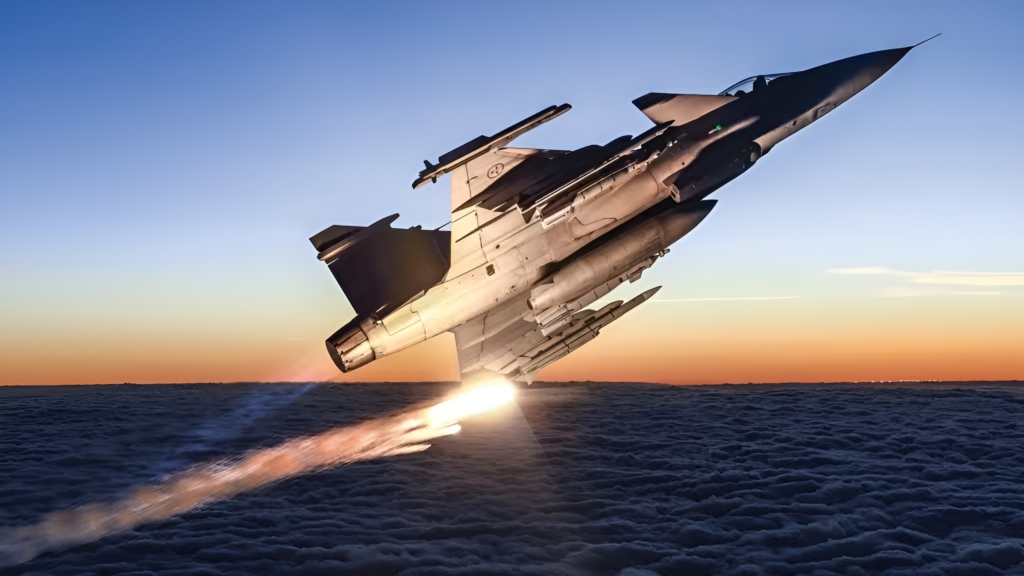
Canada is looking to deepen its relationship with Saab and is considering trimming its planned F-35 purchase and ordering some Saab Gripen Es to operate a mixed fleet.
Saab is the only contractor claiming it can somehow integrate its fighter jet into NORAD, a requirement that led the Eurofighter Consortium (Typhoon) and Dassault (Rafale) to back out, saying it was infeasible. Integrating the Gripen with NORAD also requires the cooperation of the US.
While headlines may emphasise Canada’s military shift away from the US, it is easy to be hyperbolic. Canada’s shift is better understood as “diversification” rather than a clean break.
Canada will remain deeply intertwined with the US military defence industry for decades in many sectors. There are no European analogues for many US systems.
Photo: Saab


