


How the presence of US military planes has cost Israeli authorities nearly $250m

2 min read
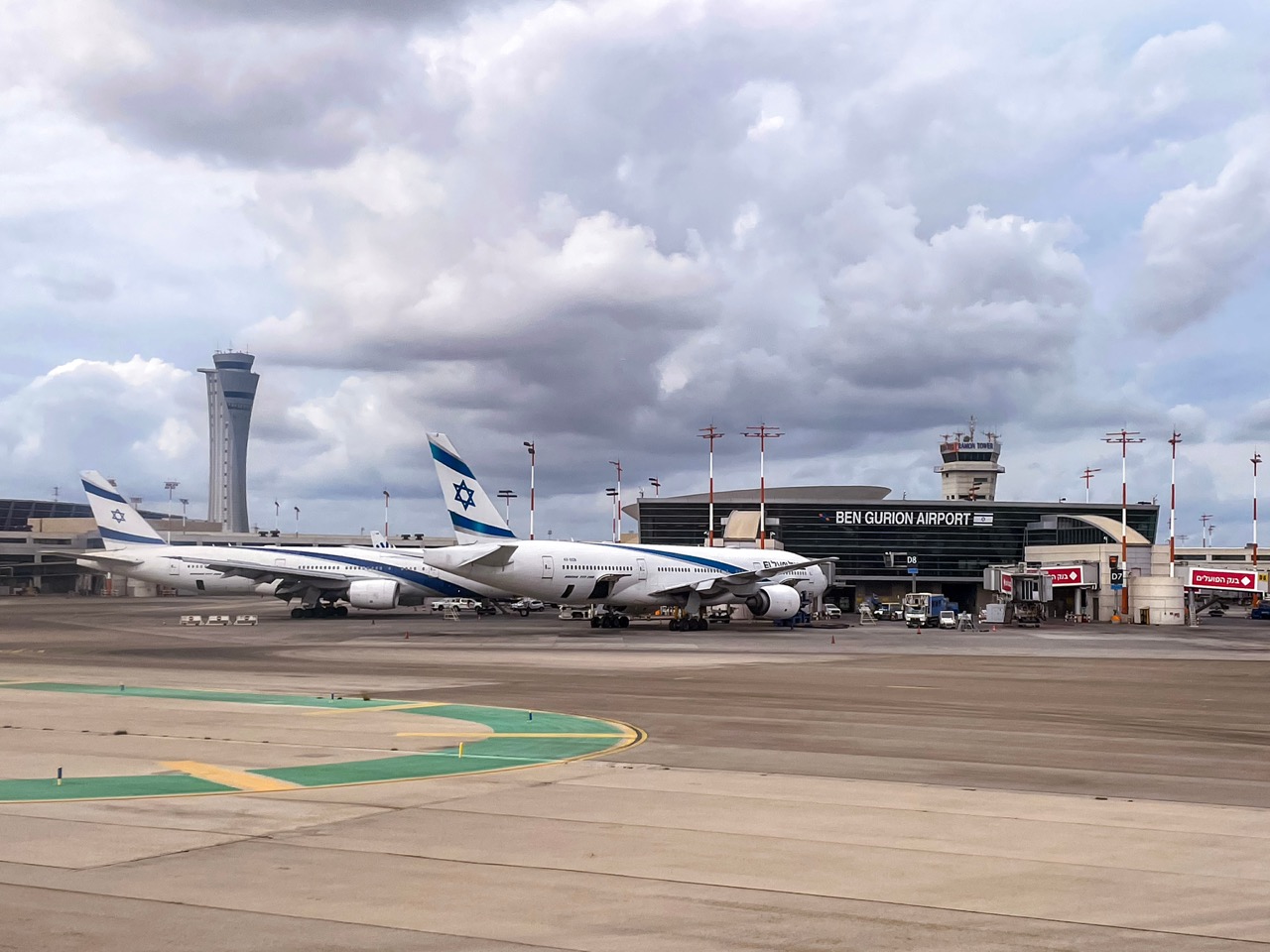
Sharon Kdemi, director general of the Israel Airports Authority, has told KAN’s Reshet Bet radio station that the presence of US military aircraft has cost Israel’s airport authority nearly $250m in losses over the past two months.
Ben Gurion International Airport is operating at 30% of its capacity
According to Kdemi, Ben Gurion Airport is currently operating at only one-third of its capacity due to the presence of US military refuelling aircraft.
Dozens of US tanker aircraft are currently stationed at Israel’s main international gateway.
“We are using one-third of the airport’s operational capacity,” Kedmi said in the report for KAN.
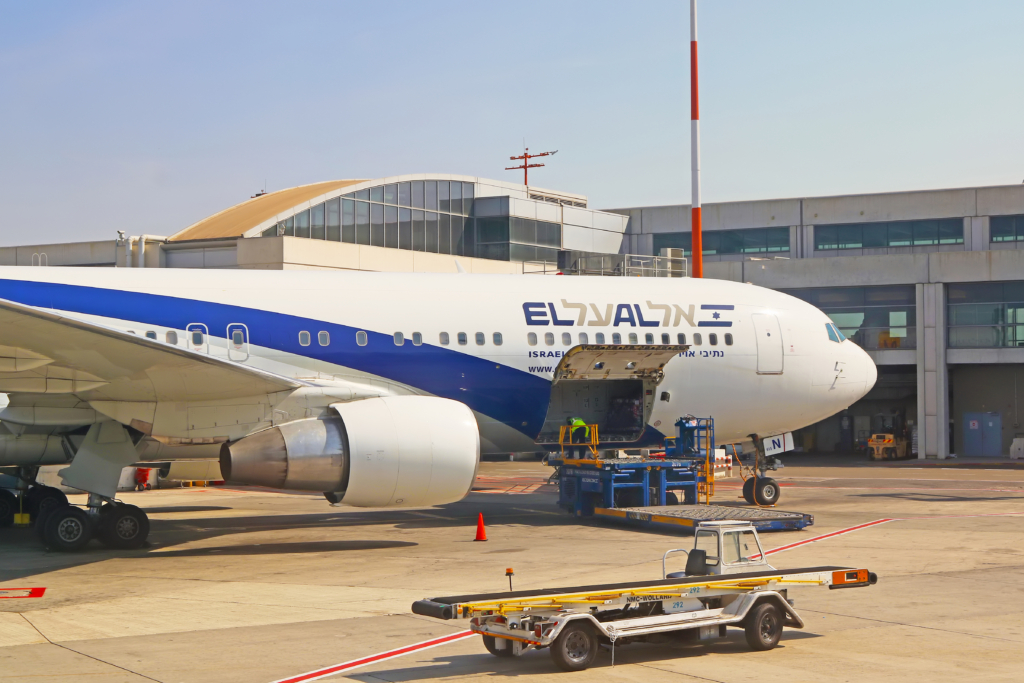
He also noted that around 70% of the airport’s operations have been restricted due to space and resource constraints imposed by American military activity. He warned that losses could extend into the billions if the situation remains unchanged.
“We are the limit of our capabilities,” he continued, explaining that additional flight cancellations can be expected in the coming days.
US military aircraft impacting civilian operations
Earlier this year, Shmuel Zakay, head of the Civil Aviation Authority, said that US military aircraft at Israel’s main international gateway were hampering civilian flights and driving up airfares while delaying the return of foreign carriers.
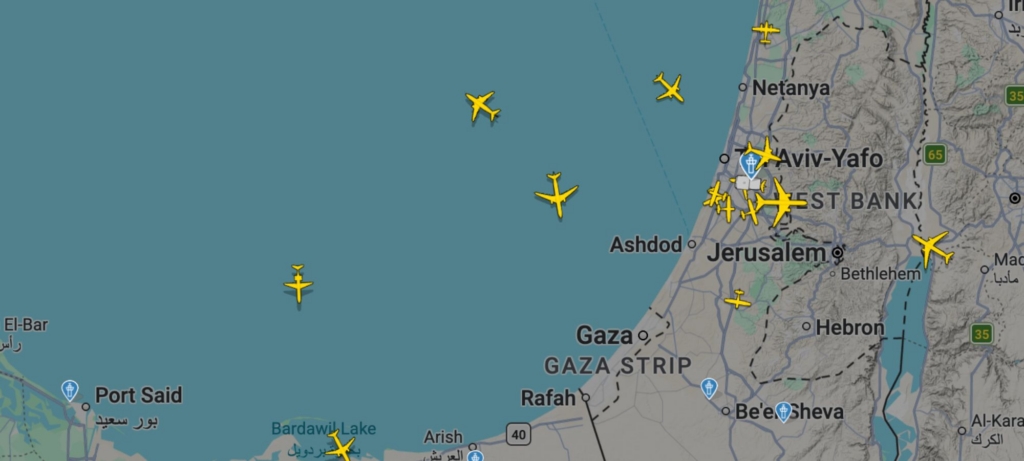
According to FlightRadar24, Ben Gurion International Airport is among the top 10 most disrupted airports globally today, with an average of more than 50% of flights delayed.
Uncertain outlook for Ben Gurion Airport
While the Israel Airport Authority had expected 18 million passengers to pass through Ben Gurion this year, current estimates suggest a lower figure of around 15 million. Foreign airlines have been unable to resume operations and are unlikely to do so in the near future.
With no clarity on when the US military presence will end, the summer outlook remains deeply uncertain for Ben Gurion Airport.
Featured image: Photo: EnginKorkmaz | stock.adobe.com


