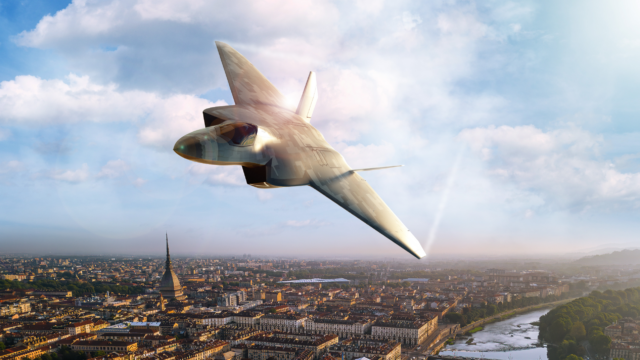
Vertical Aerospace opens Valo assembly centre with 1,000 aircraft a year in its sights

7 min read
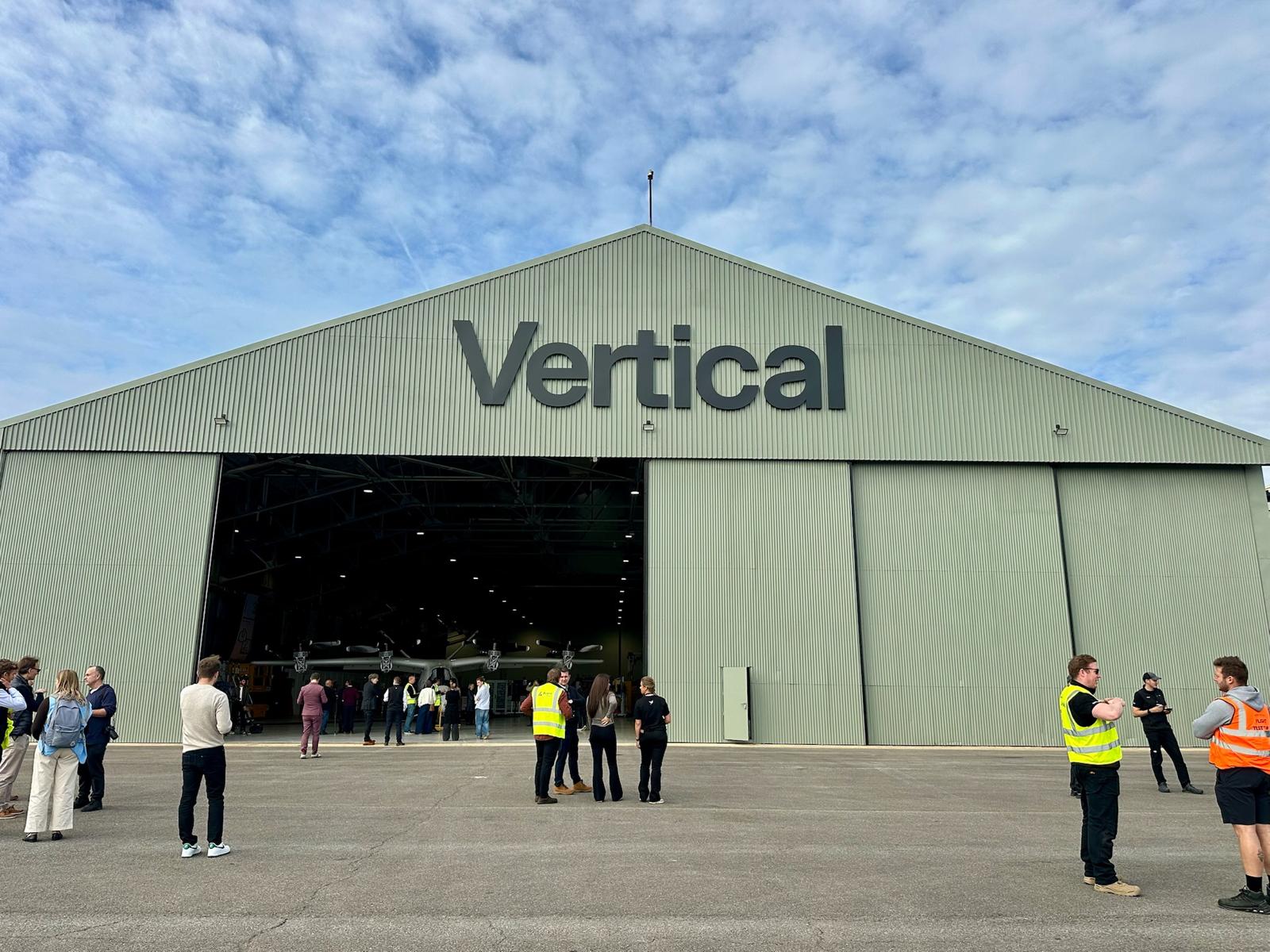
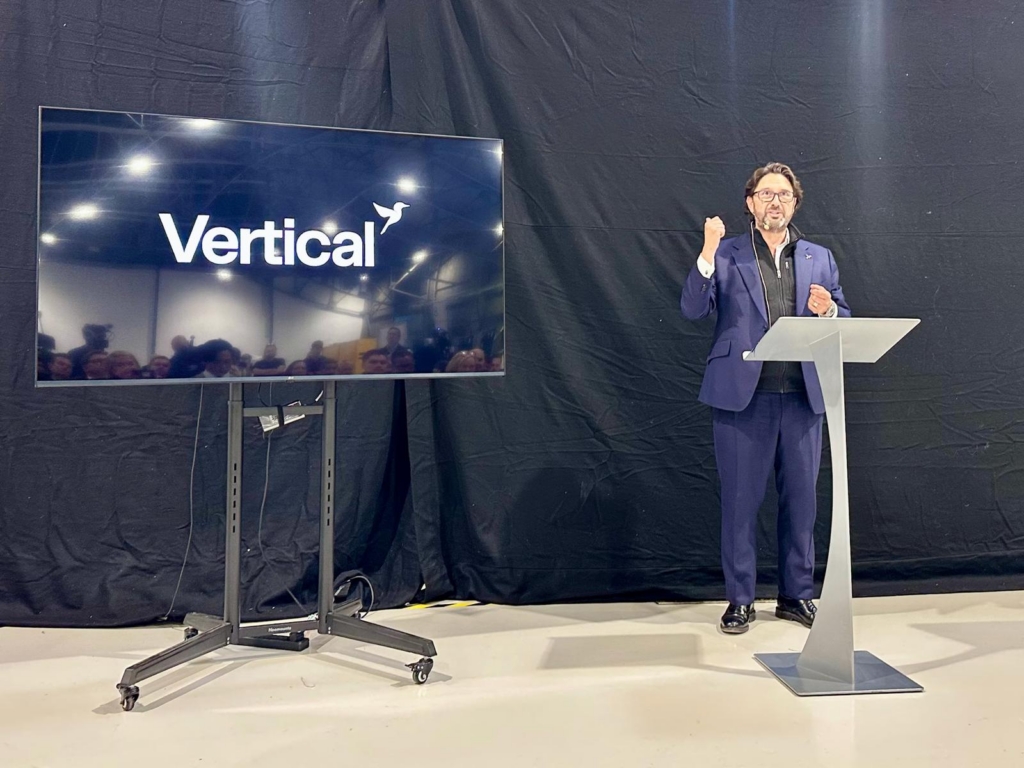
Vertical Aerospace opened its Aircraft Assembly Centre at Cotswold Airport on 24 September, giving the Bristol company a home to begin manufacturing its production eVTOL, Valo.
Visitors invited to witness the opening were treated not only to a full-scale mock-up of Valo in Vertical’s old, and much less well-equipped, hangar, but also to a full flight demonstration of the prototype VX4 in the bright Cotswold skies.
“We’re going to fly like an aircraft, and then we’re going to stop,” said Stuart Simpson, CEO of Vertical Aerospace. “We’re going to literally stop a four-tonne aircraft in mid-air, and land it like a helicopter.”
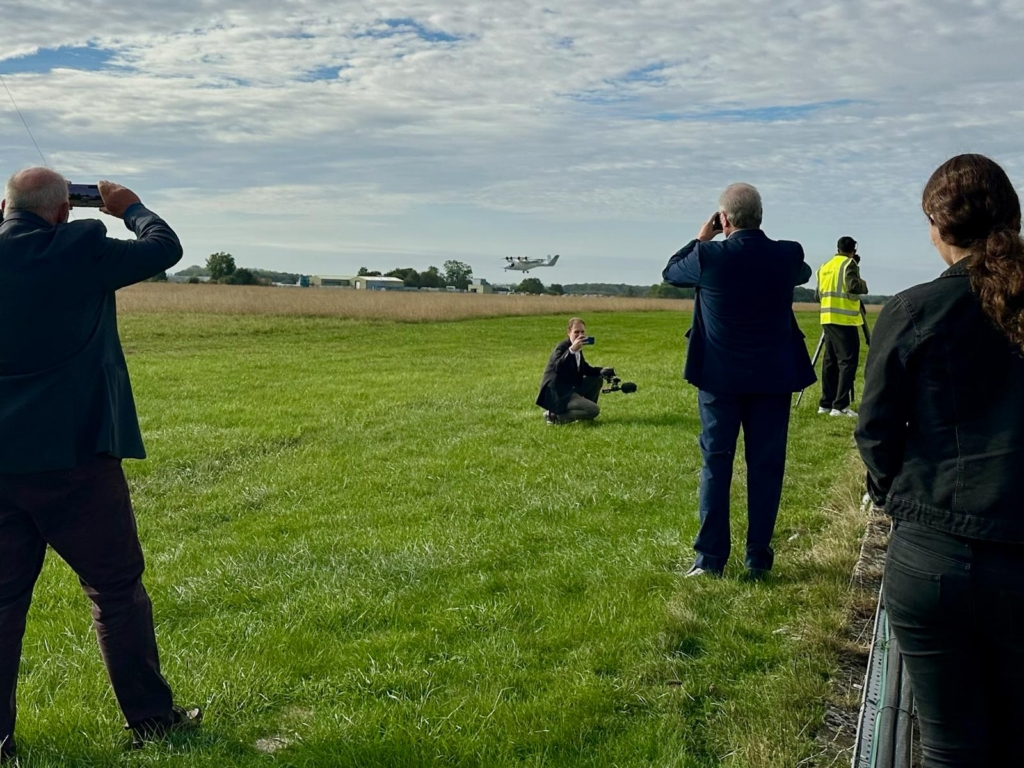
The feat was completed in front of crowds of thousands during Farnborough Airshow week, but party tricks like this never get old. As expected, the VX4 performed flawlessly, completing a stable vertical takeoff, extensive wingborne flight and a lovely 180-degree mid-air rotation before touching down on the asphalt as light as a feather.
From an initial pool of around 200 eVTOL developers pitching to get to this stage, Vertical has become only one of two companies to have achieved a full flight profile with complete transition to date. And it has mastered this art at a fraction of the cost of its next nearest rival, something Simpson was visibly proud of as he discussed the company’s achievements.
But now, the hard work begins. Having proven the design concept over hundreds of test flights, Vertical now needs to bring its production aircraft concept to fruition. Valo, revealed late last year, needs not only to be built, flown and certified, but Vertical must also forge the industrial base from which it can produce the hundreds, if not thousands, of aircraft its early supporters demand.
Home for this ambitious production line will, naturally, be Cotswold Airport. The facility has already been instrumental in getting Vertical to where it is today, and now it will play an enormous part in the future of the company that is bringing the first British-designed and built clean-sheet aircraft to market in around four decades.
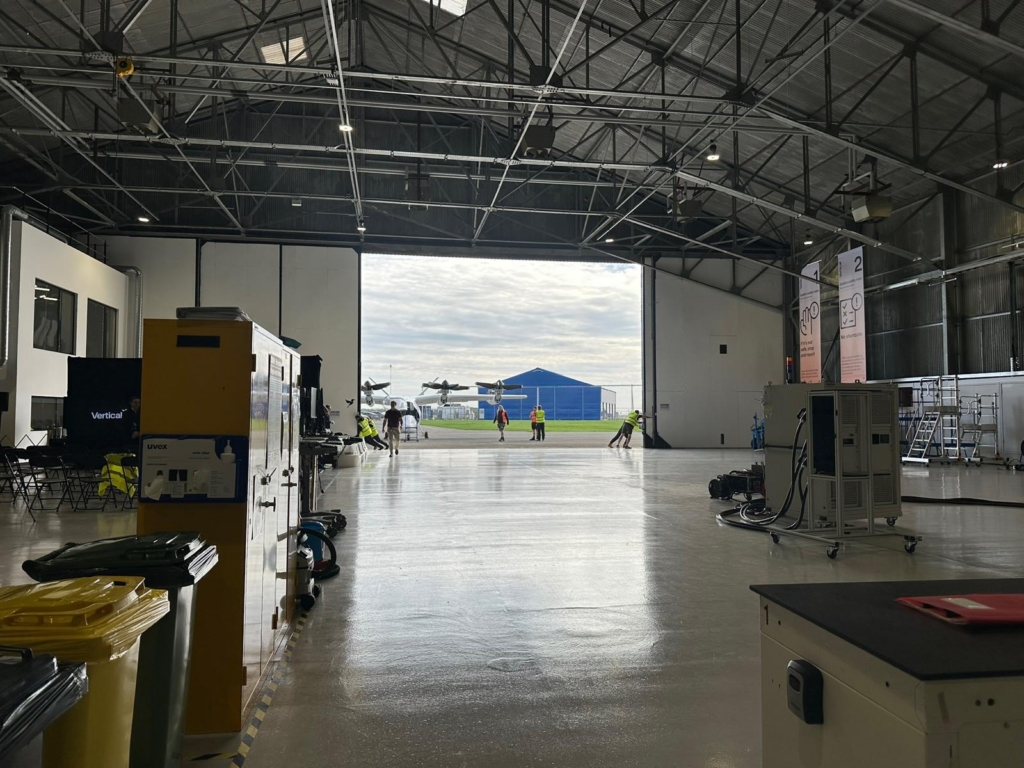
Rather than building a production hangar from scratch, Vertical has remained true to its frugal nature and converted a World War-era hangar, once home to the RAF Red Arrows, into a modern, capable facility.
“The team have done an amazing, amazing job on taking an 80-plus-year-old building used in the Second World War,” Simpson noted. “It was then the home of the Red Arrows, and they’ve refurbished it into something that we are incredibly proud to be working on.”
The investment wasn’t small, at an estimated £1.5 million, but is still a fraction of the cost of creating a new facility from the ground up. Yet, it’s clear that this has not been a shoestring exercise, but the development of a very modern, capable facility.
A new chapter for an old hangar
Inside the new centre, the signs of a working aircraft facility are already taking shape. Safety rules line the wall. Areas are marked out for different activities, and visitors are reminded that the aircraft and equipment are there to be worked on, rather than touched.
The prototype seen flying earlier returned to the hangar during the tour. Flight testing will continue here while Vertical prepares to assemble the aircraft that must satisfy the Civil Aviation Authority (CAA).
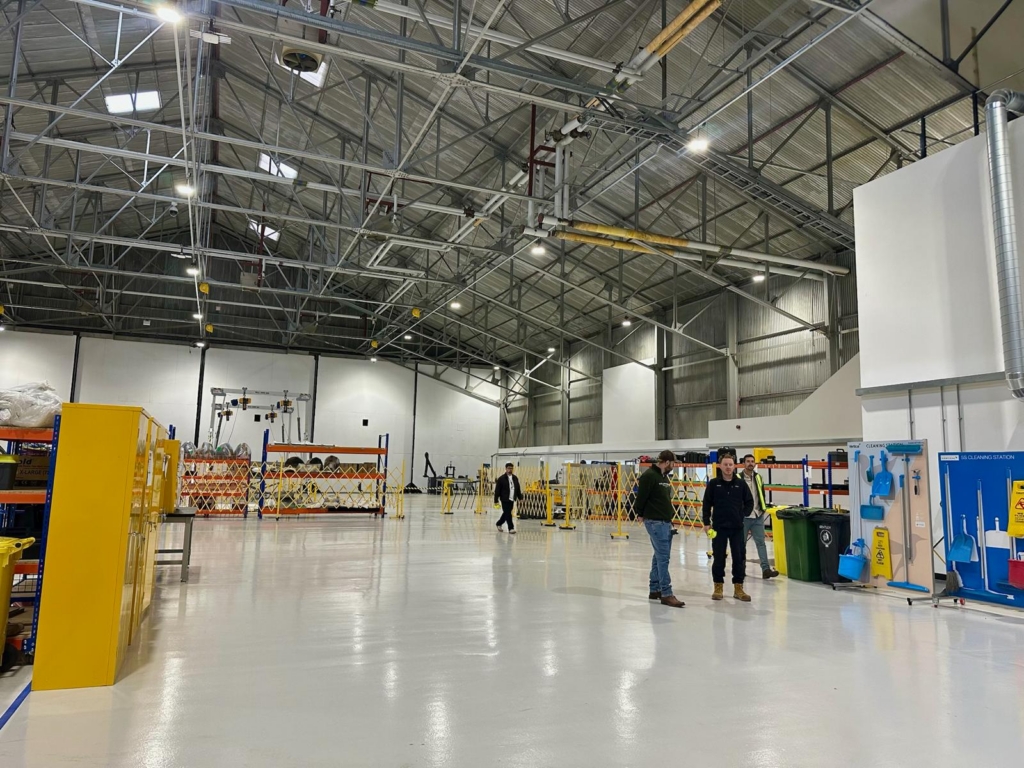
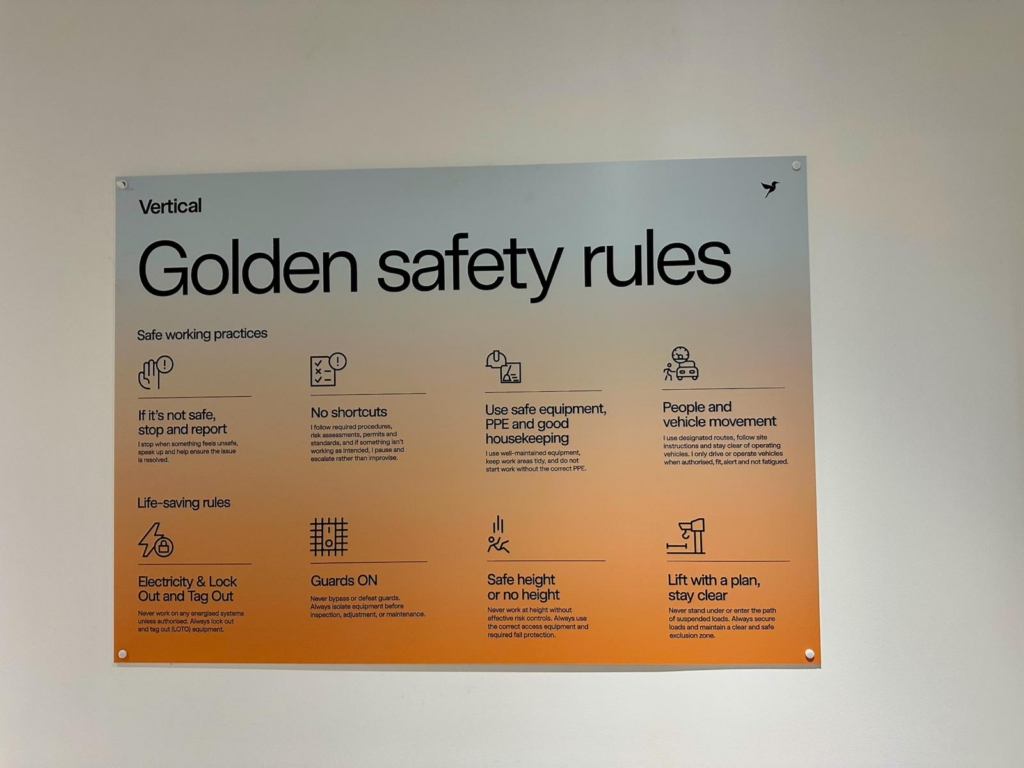
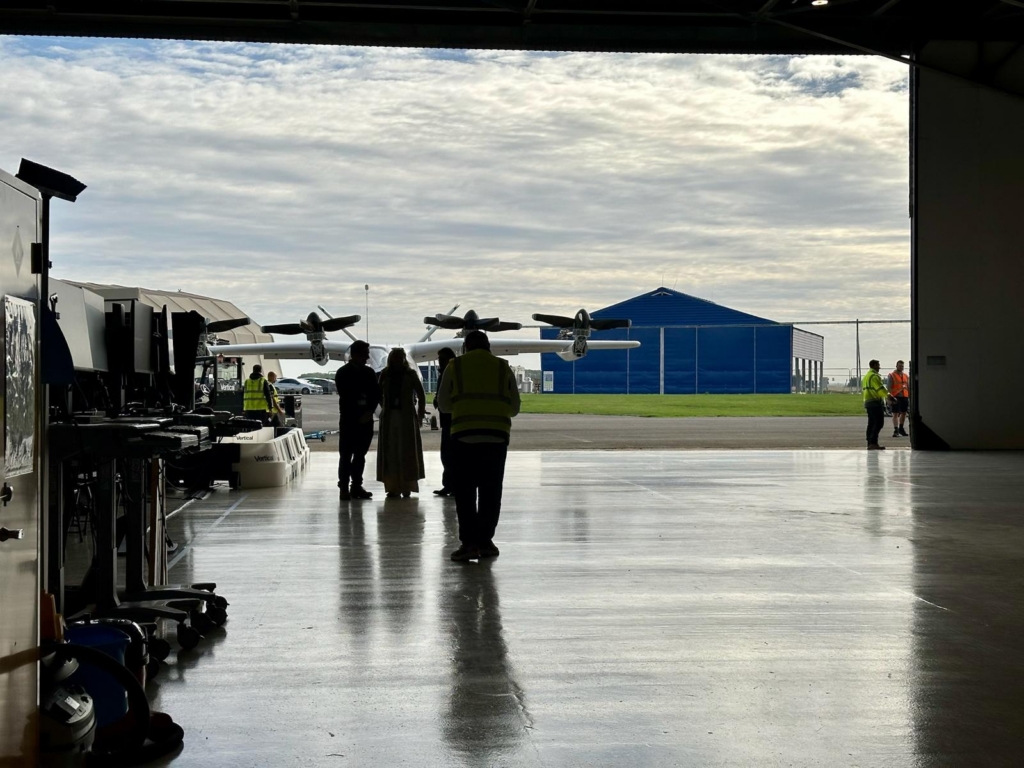
The centre adds 60,000 sq ft to Vertical’s operations at Cotswold Airport, taking its total footprint to approximately 130,000 sq ft. Bringing assembly and flight testing together means the people building the aircraft can work closely with those finding out how it behaves in the air.
“This is the moment you pivot from that to manufacturing,” Simpson said. “The next step for this company is certification, industrialisation, and that means building aircraft.”
Seven Valos to prove the design
Assembly of the first certification-conforming Valo is scheduled to begin in the fourth quarter of 2027, with its first flight planned for 2028.
Five aircraft will fly during the certification programme. Two others will remain on the ground for structural testing, where the airframe must demonstrate that it can withstand the most extreme loads it may encounter in the real-world environment.
The first build will proceed carefully. During the tour, the production team explained that Vertical will work with the CAA to establish manufacturing processes that can be repeated across subsequent aircraft.
“We will do that in slow time on its own before we start doing multiple aircraft,” the tour leader said.
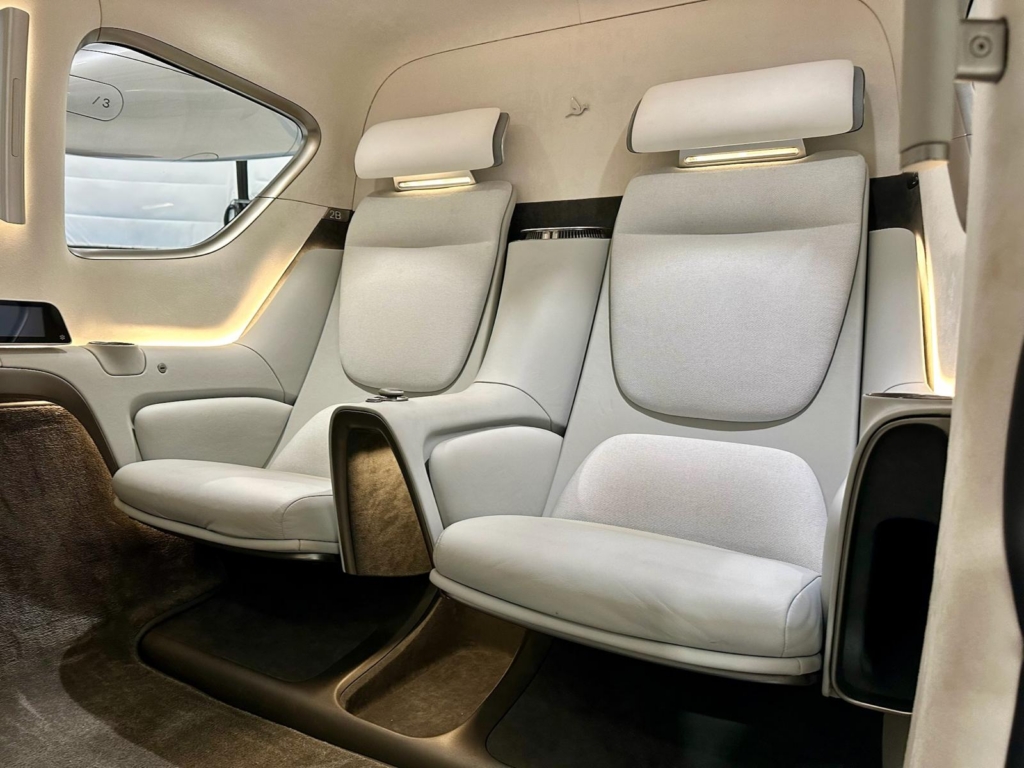
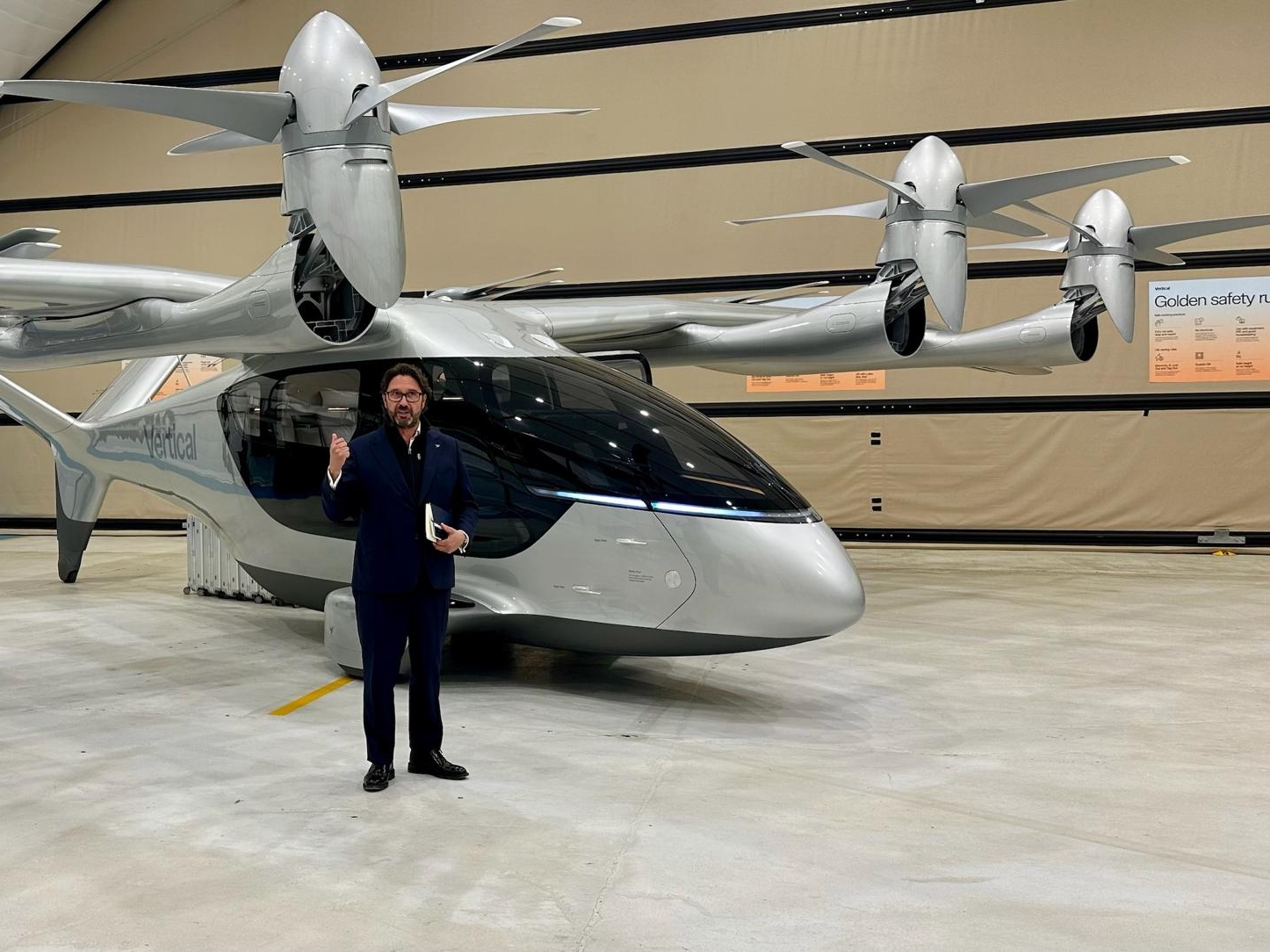
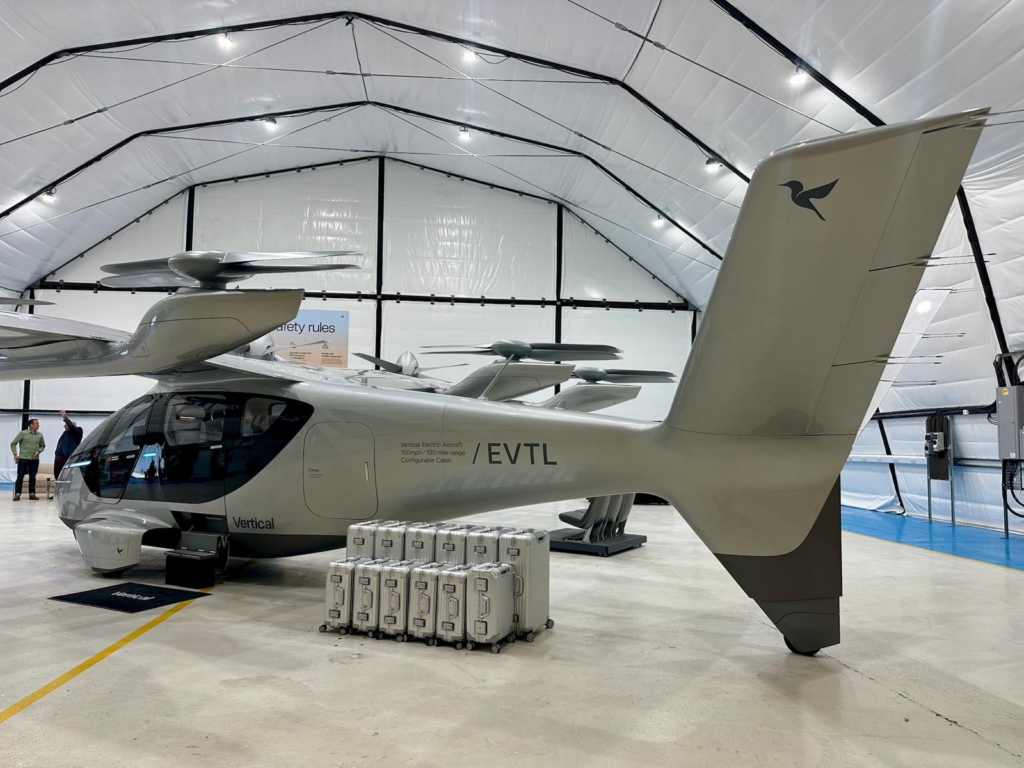
At Kemble, those processes will bring together Sonaca’s airframe structures, Evolito’s electric propulsion units, Vertical’s batteries and Honeywell’s flight-control and aircraft-management systems.
The Valo model gives a close indication of the intended result. Simpson described it as 99% representative of the final aircraft. Yet the less polished prototypes have provided some of the most valuable lessons.
What the prototype aircraft have taught Vertical
Standing beside one of the prototypes, chief test pilot Simon Davies explained why the aircraft destined for customers will look different.
At around four tonnes, the prototype has accumulated the extra weight familiar to engineers building a one-off machine. Components become heavier than expected, structures need reinforcement and opportunities to refine the design come later.
Valo will be shorter and lighter. Its wing, propeller positions and pylons, however, remain almost identical.
“If you put one wing on top of the other, you’ll see that the wing is almost exactly the same size,” Davies said.
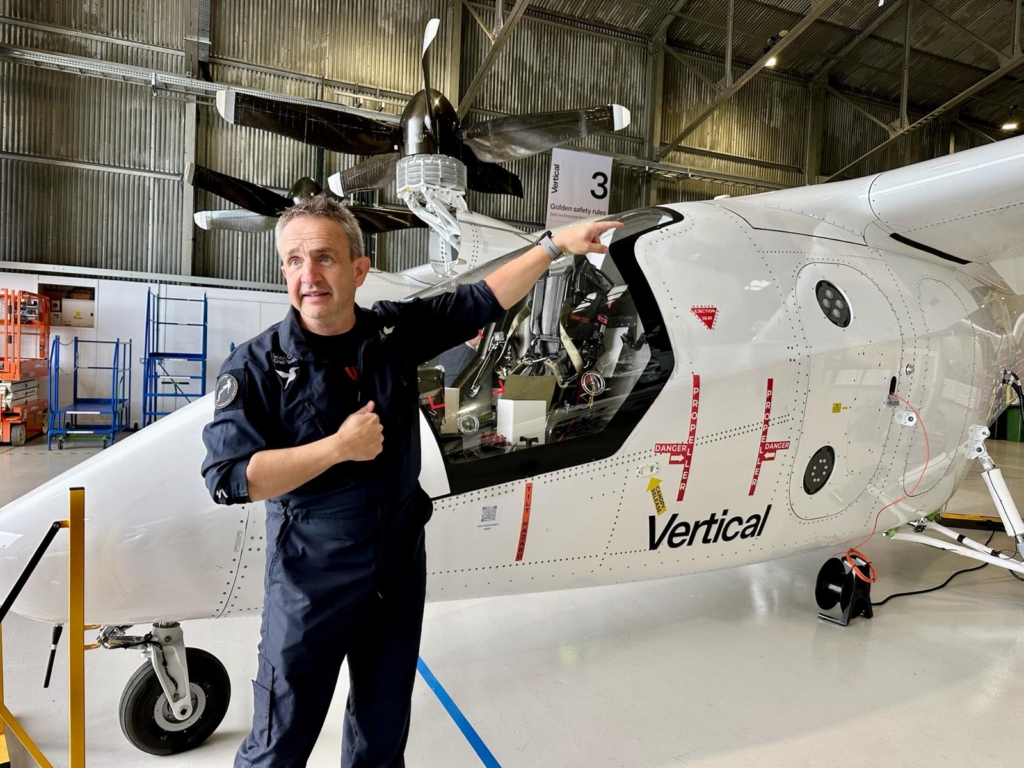
Keeping that arrangement allows Vertical to carry forward what it has learned about the interaction between the propellers, airflow and structure, behaviour that Davies said is particularly difficult to model.
Across its three prototypes, Vertical has completed nearly 120 flights. Preparations for Farnborough, where it flew on five consecutive days in July, required the team to move beyond choosing ideal conditions.
“We weren’t just cherry-picking fine weather days,” Davies said. “ We were actually coping with real-world conditions.”
One of the prototype’s more unusual features is its ejection seat. Asked about the installation, Davies said other eVTOL developers had attempted to fit one, but were unsuccessful in integrating it with the airframe.
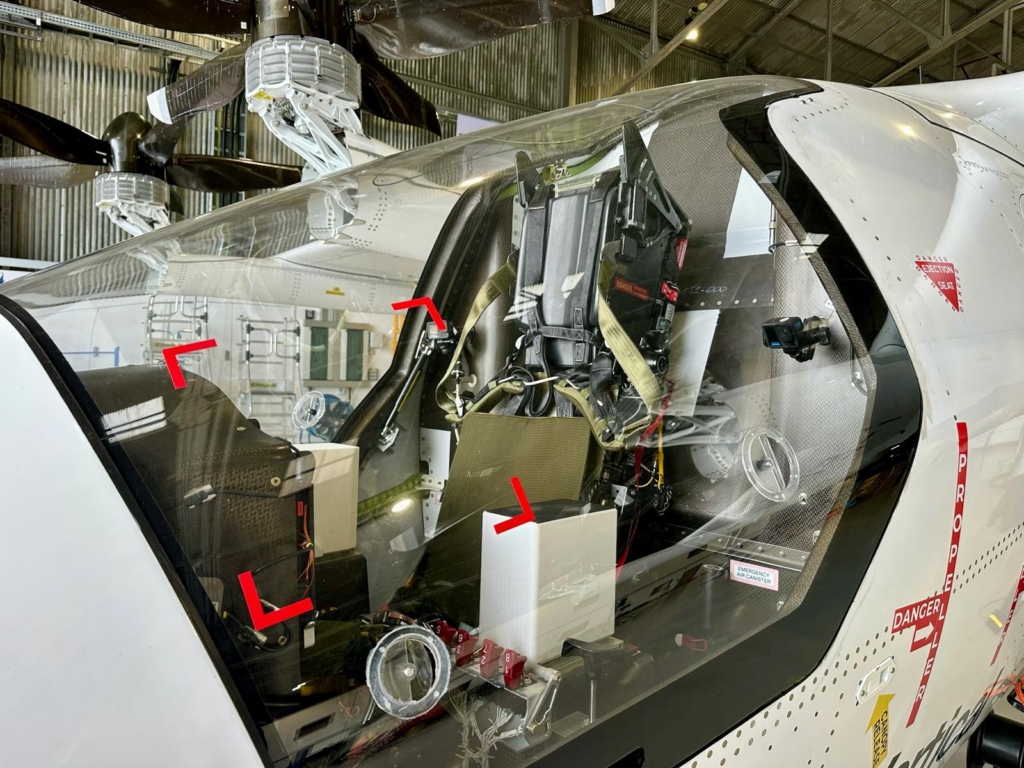
The seat helped Vertical put a pilot onboard early in the process. The company felt this was essential in gaining human feedback on vibration, ride quality and handling as the design developed.
“For us, it was really important to get pilots in early,” Davies said. “Not just for pilots, but for our customers and passengers.”
From 25 aircraft to 1,000 a year
The scale of the ambition becomes clear when Simpson describes what comes after Kemble.
Following certification, the centre is expected to assemble more than 25 aircraft annually for early customer deliveries. Simpson said a third shift could increase that to around 37. Then comes a much larger proposed facility.
“There will be a factory to build up to 1,000 aircraft a year, and a gigafactory for the battery in two separate locations,” he said.
Vertical expects to announce its full-scale production plans later this year. Its expanded Vertical Energy Centre, also due to open this year, is intended to triple battery-production capacity over time.
Funding that expansion remains part of the task. On 24 September, Vertical appointed Jefferies to explore potential financial and strategic partnerships, saying its certification programme would continue throughout the review. The move followed approximately $100 million in financing announced in August.
For a company talking about factories producing 1,000 aircraft annually, the first Valo build will be a deliberately measured undertaking. It will begin here, in a hangar that has already accommodated several generations of aviation, with one aircraft and a production team establishing how to build the next.
But the ambitions are clear; Vertical’s Valo may well look very ‘cool’, but this is an aircraft designed for real-world operations. With a hefty dose of British ingenuity, it’s something the nation can ultimately be incredibly proud of.