Watch: Hermeus achieves first supersonic flight with Quarterhorse CCA

4 min read
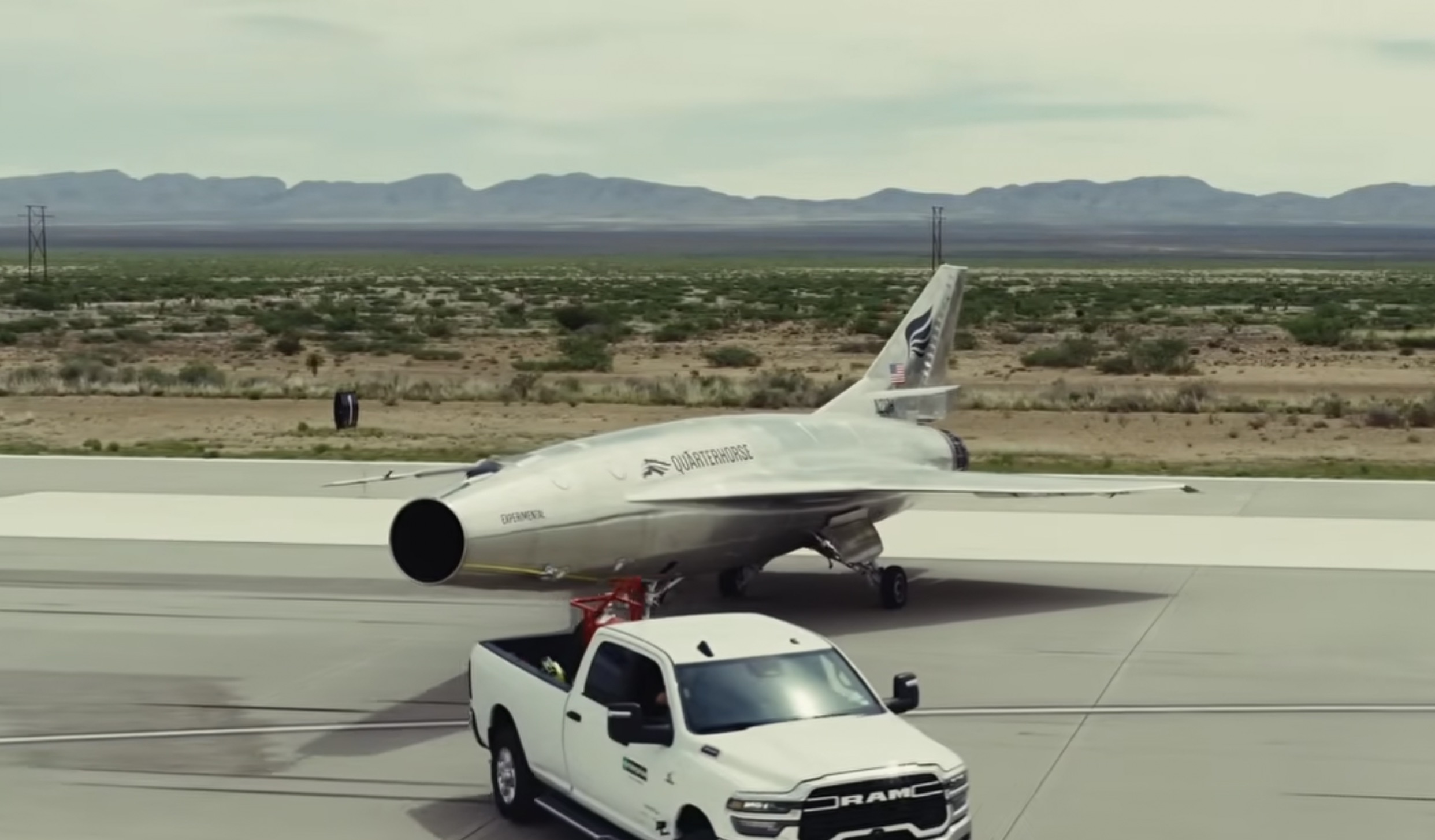
Hermeus has successfully test flown its F-16-sized Quarterhorse Mk 2.1 at supersonic speeds for the first time. The development is part of a larger US effort to introduce collaborative combat aircraft (CCAs) that are affordable and can be rapidly updated, and aligns with Hermeus’ vision that they should be the fastest aircraft in the world.
Hermeus’ Quarterhorse Mk 2.1 flies supersonic
In March 2026, AGN reported that the defence startup Hermeus had successfully subsonically test-flown its Quarterhorse Mk 2.1. Yesterday, the company announced that the Mk 2.1 had flown supersonically for the first time.
Hermeus said, “The achievement underscores Hermeus’ pace of iterative development in aviation. Quarterhorse Mk 2.1 flew supersonic less than three months after its first flight, and 364 days after the maiden flight of Hermeus’ first aircraft, Mk 1.”
During the flight, Quarterhorse reached a top speed of Mach 1.21. It was the third test flight for the unmanned aircraft at Spaceport America.
Hermeus first flew its smaller Mk 1 in May 2025, with the flights seen as validating the company’s rapid, iterative development approach. It appears yesterday’s supersonic flight was timed to be inside a year from this initial flight.
Wheels up for Quarterhorse.
— Hermeus (@hermeuscorp) April 21, 2026
On its latest flight, Mk 2.1 successfully deployed and retracted its landing gear, validating a critical system and helping the aircraft reach higher speeds.
We’re not slowing down. Stay tuned. pic.twitter.com/bnENgPhtQr
The Mk 2.3 is part of a push toward sustained high-Mach flight and eventually hypersonic (Mach 5+) flight.
Get the latest aerospace defence news here on AGN.
Emphasis on rapid CCA development
Hermeus is emphasising how fast the programme is developing. AJ Piplica, CEO and Co-founder of Hermeus, said: “Our customers at the Department of War are paying close attention to how fast this program is moving.”
Hundreds of supersonic jets have been developed by dozens of companies. Most took 5-10 years. Only a select few flew supersonic in less than 2 years. Quarterhorse Mk 2.1 is now among them. So proud of this team.
— AJ Piplica (@AJ_Piplica) May 26, 2026
It only gets harder from here, and yet I know we can go faster. https://t.co/6cHiyuyevX
The company writes, “Hermeus designs, builds, and flies aircraft in quick succession, using flight test data to improve performance and reduce risk across the program. This approach allows the company to unlock and scale new capabilities in years rather than decades.”
Air warfare is changing rapidly, driven by factors like the rise of China and its many new platforms and the rapid iteration of unmanned aircraft.
It took 20 years for the F-35 Lightning II fighter jet to go from inception to initial operational capacity, and a similar amount of time for the F-22 Raptor. The timescale is now being compressed thanks to advanced digital prototyping and other developments.
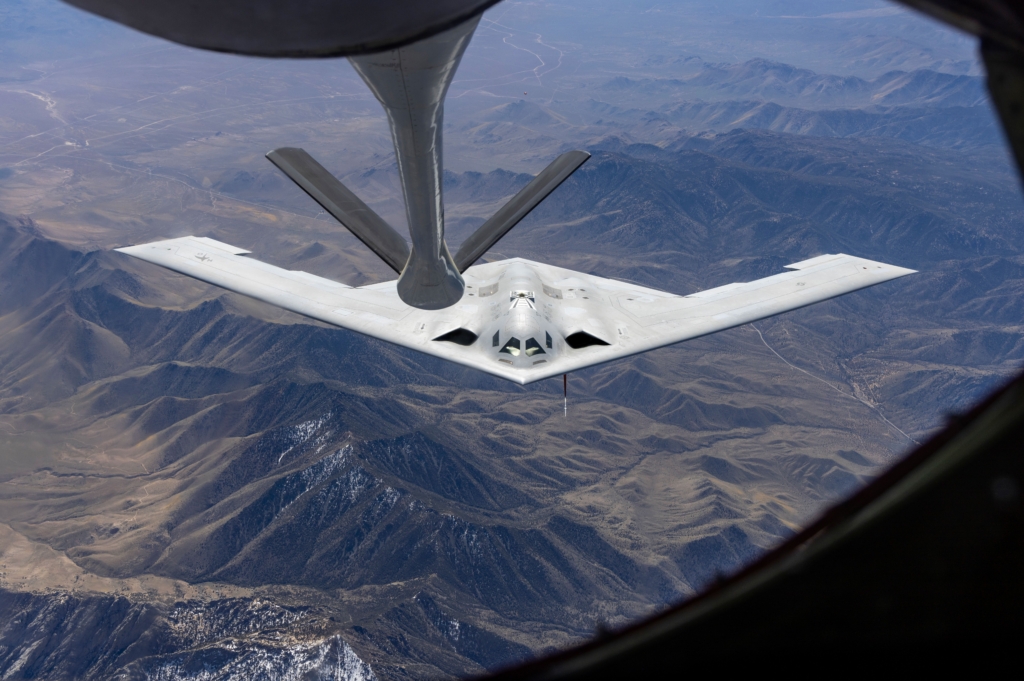
Even so, it is taking around 16 years to develop the B-21 (from inception in 2011 to in service in 2027). The Air Force is seeking to compress this more with the F-47, but it still takes many years. That said, only four years may separate the B-21’s first flight and entry into service, and two years for the F-47.
Advanced drone manufacturers like Anduril, Hermeus, General Atomics, Shield AI, and others stress how quickly they can design and build modular unmanned aircraft and progressively upgrade them over time. Hermeus says its aircraft is built on a “foundation of rapid iteration.”
CCA doctrine and requirements are still being developed
What is setting Hermeus apart from other advanced combat drone manufacturers is its emphasis on the aircraft flying supersonically and eventually, hypersonically.
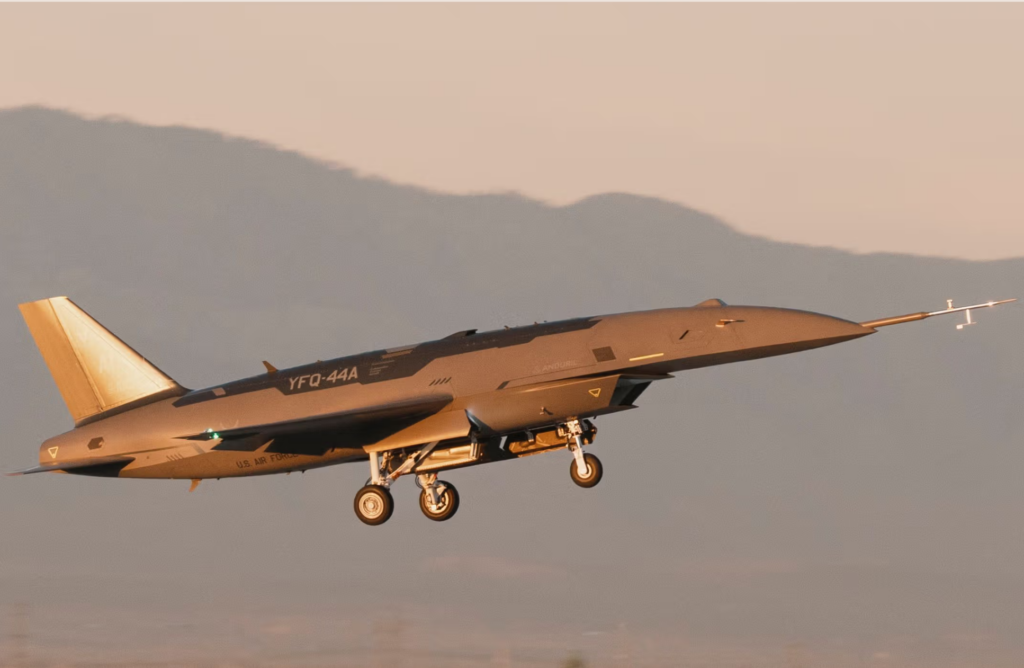
The Increment 1 Collaborative Combat Aircraft (CCAs) the USAF has selected or short-listed (Anduril YFQ-44, General Atomics YFQ-42, Northrop Grumman YFQ-48) are all subsonic.
These emphasise fast developmental timelines to get into service, lower cost, and endurance. They are built on a philosophy of being “good enough” and “affordable enough” subsonic loyal wingman drones.
However, not all contractors agree that this is the right approach, or at least not the only approach. These companies (e.g., Lockheed Martin, Hermeus, and Shield AI) are looking beyond Increment 1.

Lockheed Martin is continuing with an updated version of its “gold-plated” stealthy CCA called the Vectis. Lockheed believes combat drones will need to be highly capable and survivable.
Shield AI is developing the tail-sitting VTOL X-Bat autonomous combat drone that it markets as an unmanned fighter jet able to replace fighter jets instead of complementing them.
Hermeus sees a future for supersonic CCAs. It says its upcoming Mk 2.3 test aircraft is part of its roadmap, “designed to push performance further and move quickly toward sustained high-Mach flight.”
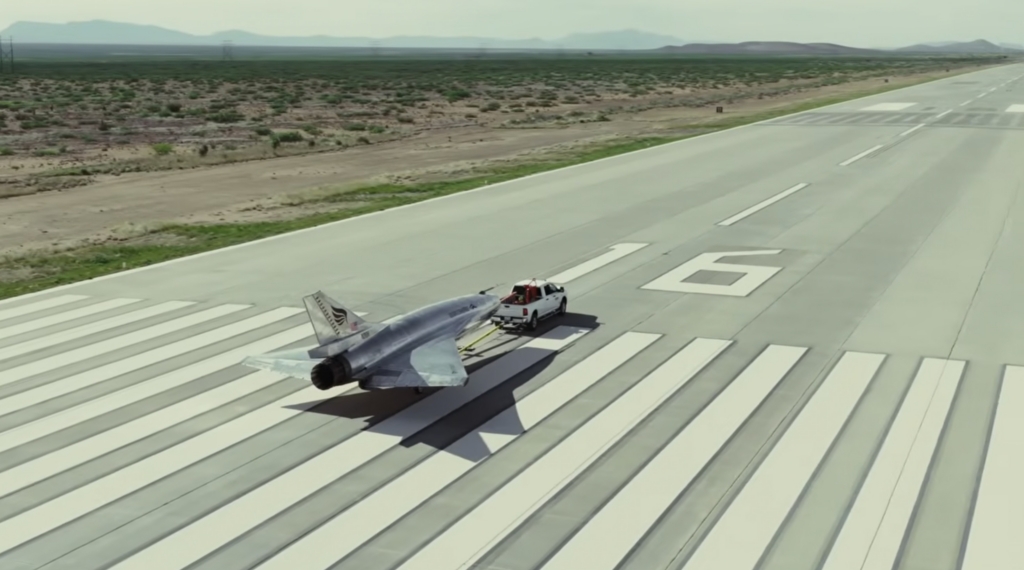
The company argues that faster unmanned aircraft can shorten response times and enable the US to better confront adversaries like China.
The startup is focused on reclaiming what it sees as “the lost art of rapid iterative prototyping to build the fastest aircraft in the world today.” Hermeus has the stated goal of building the world’s fastest aircraft.
Featured Image: Hermeus