Tackling contrails could delay a decade of aviation climate warming

5 min read
Reducing the warming caused by aircraft contrails could effectively turn back aviation’s climate clock by about a decade, according to new research which suggests the science is mature enough to begin large-scale mitigation.
The study, produced by Klima Consulting for Transport & Environment (T&E), estimates that cutting contrail warming by 50% could prevent around 0.025°C of global warming by 2050 and 0.049°C by 2070.
Under one modelled scenario, aviation would not contribute 0.08°C to global warming until 2050—around 10 years later than without contrail avoidance.
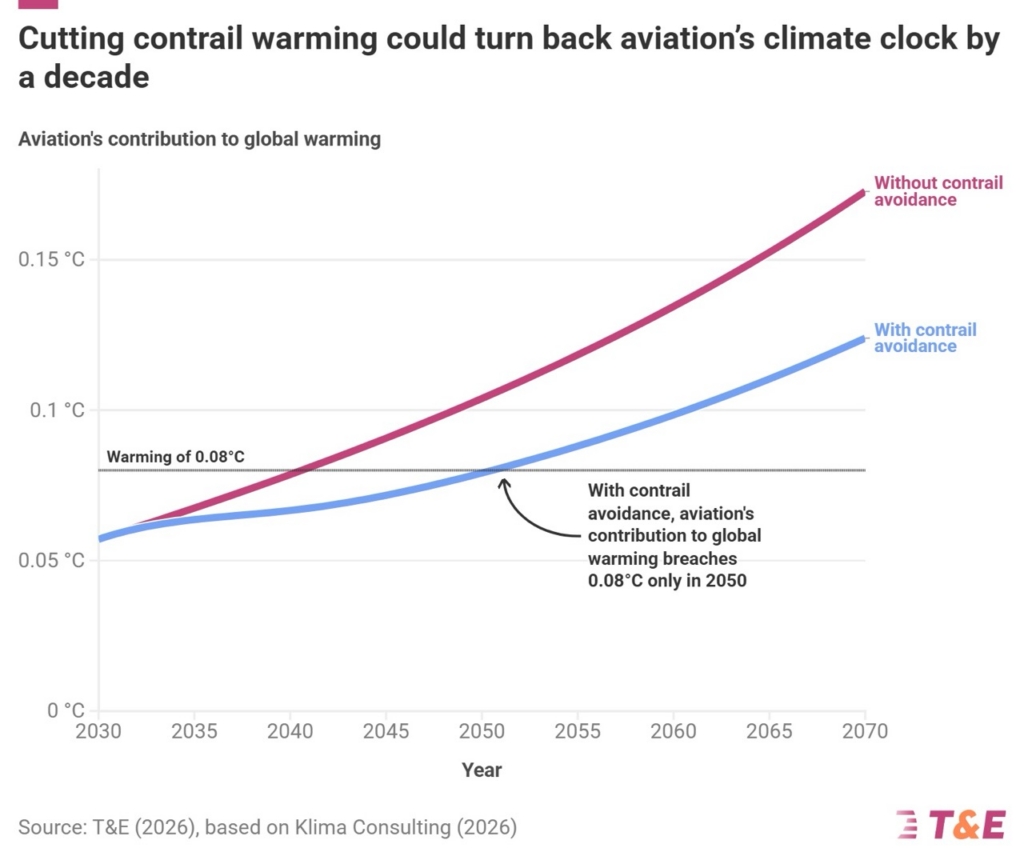
The underlying Klima study puts the finding more cautiously: across its scenarios, 50% effective contrail mitigation postpones aviation-induced warming by roughly a decade. In one scenario, a level of warming otherwise reached in 2048 would instead be reached in 2061.
A small number of flights could make a big difference
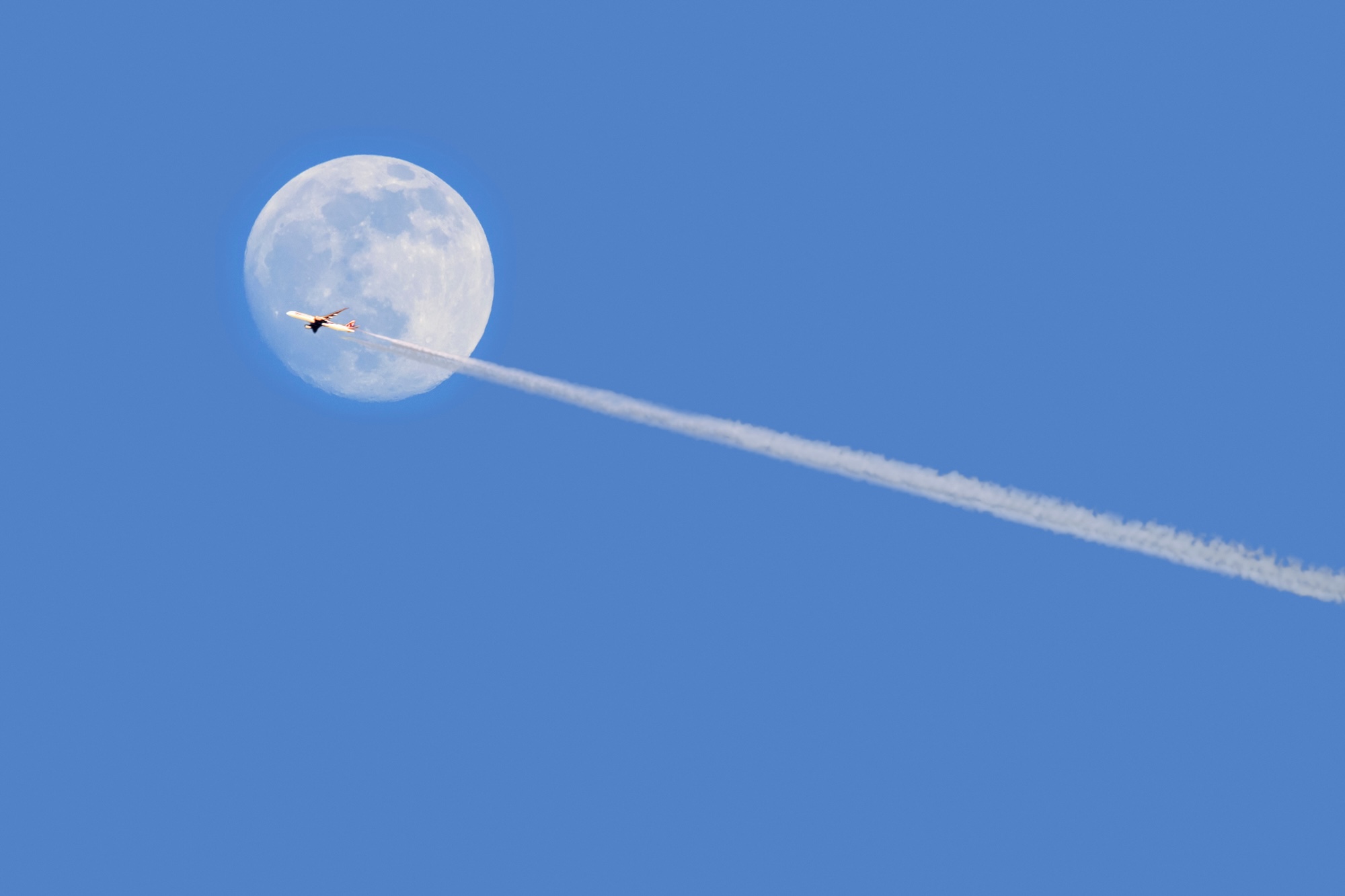
Contrails form when air with sufficient cold and humidity mixes with aircraft exhaust. Some disappear quickly, but persistent contrails can spread into cirrus clouds that trap heat.
Their overall warming effect is estimated to be comparable to aviation’s accumulated carbon dioxide emissions. However, contrails are fairly short-lived. Their climate impact could be addressed more quickly than reducing CO2 emissions.
The warming is also highly concentrated. The Klima report estimates that just 2% to 3% of flights account for around 80% of global contrail warming. Small changes to those flights’ routes or altitudes could have a disproportionate effect.
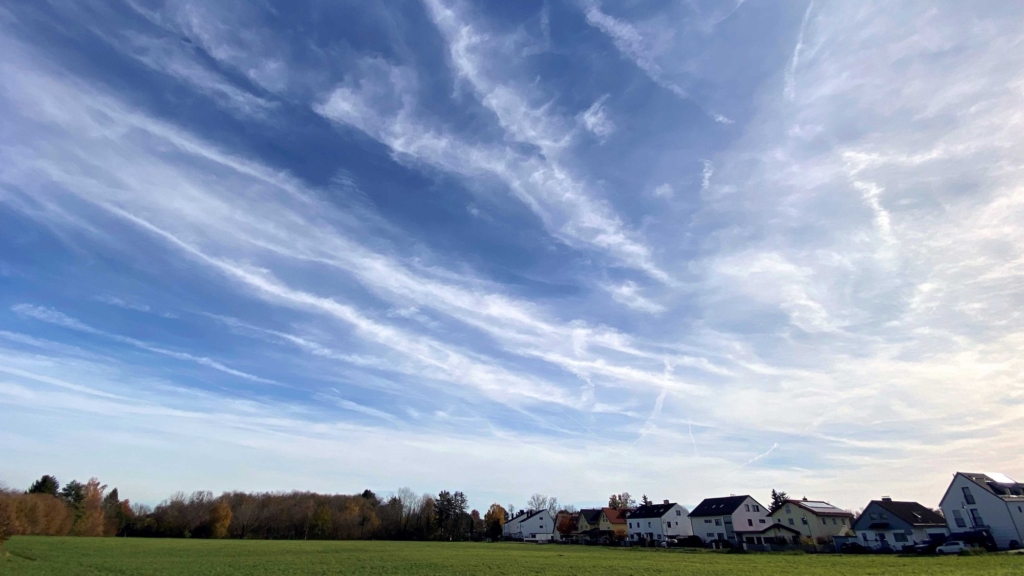
T&E’s analysis uses 2019 data indicating that 3% of flights produced 80% of contrail warming, with many of the most climate-damaging flights operating at night and during winter.
Night flights are particularly attractive targets because contrails can have both warming and cooling effects during daylight. They trap outgoing heat but also reflect some incoming sunlight.
At night, the cooling effect from reflected sunlight disappears, making the climate benefit of avoiding warming contrails more certain.
“Rerouting or rescheduling just a few flights could delay the aviation industry’s contribution to global warming by ten years,” Diane Vitry, T&E’s Aviation Director, said. “Avoiding valuable fractions of degrees provides a unique window of opportunity. Reducing contrails may be aviation’s only chance to stay on track with our climate goals.”
How much difference could contrail avoidance make?
The researchers modelled contrail mitigation beginning in 2030 and reaching 50% effectiveness by 2040.
Depending on assumptions about future aviation and alternative fuels, the avoided temperature increase ranges from 0.020°C to 0.027°C in 2050 and 0.047°C to 0.058°C in 2070.
At today’s traffic levels, halving contrail warming would represent an estimated 67 million to 225 million tonnes of CO2-equivalent climate impact per year, based on a 100-year measurement period.
T&E says that is equivalent to roughly 7% to 23% of global aviation’s 2025 CO2 emissions.
The study also estimates that contrail avoidance could free up three to five percentage points of the world’s remaining 2025-2050 temperature budget under a 2°C pathway that aviation would otherwise consume.
Airlines don’t need to curb every contrail
The research examines several ways to tackle aircraft contrails.
Flights could be rescheduled to periods when contrail warming is lower. Airlines could incorporate contrail forecasts into flight planning and make relatively small changes to altitude or route before departure. Air traffic managers could steer aircraft around particularly high-risk regions. Tactical avoidance could use updated weather information to alter a flight’s trajectory once airborne.
A fifth option involves selectively using SAF or hydrotreated kerosene on flights most likely to produce warming contrails.
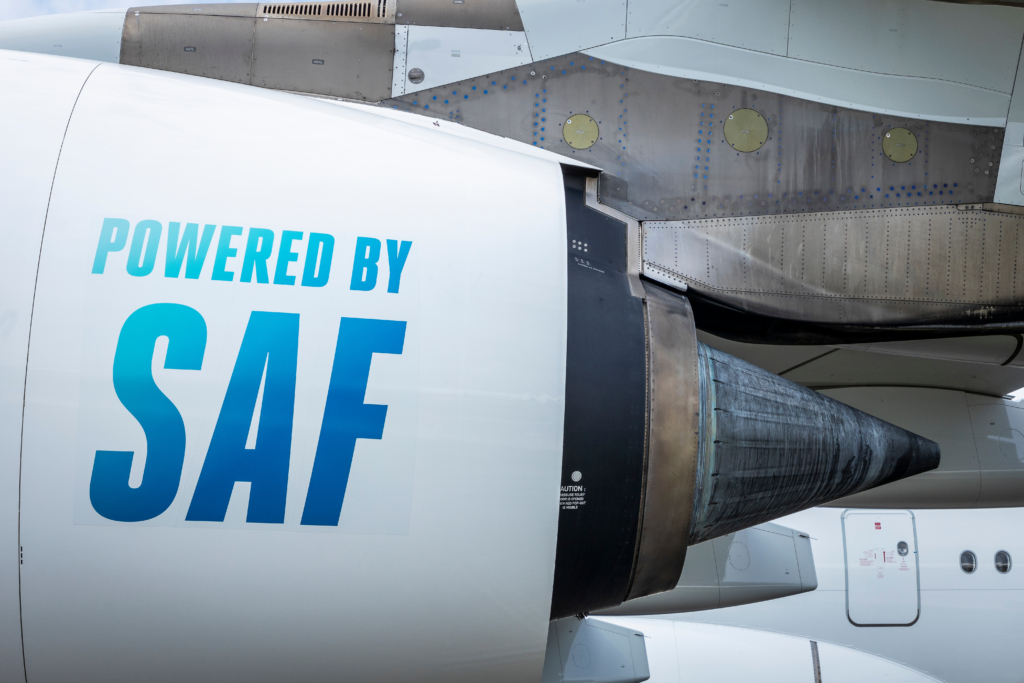
Operators could target the relatively small proportion of flights producing the greatest warming rather than impose significant changes across the entire network.
Google has been working on AI applications that would help airlines and air traffic controllers adjust flight routes and altitudes to avoid leaving contrails behind.
Previous small-scale trials involving tens to hundreds of flights have already demonstrated that rerouting can avoid contrails with relatively small increases in fuel burn.
However, the Klima researchers say trials involving thousands of flights across different airspaces and weather conditions are needed before widespread deployment.
Contrail forecasts still need improvement
One significant operational challenge is predicting exactly where ice-supersaturated regions will occur. These moist layers in the upper atmosphere are where persistent contrails can develop.
Current numerical weather models are considered adequate for trials, but large-scale mitigation would benefit from better upper-atmosphere humidity forecasts.
The researchers propose fitting commercial aircraft with low-maintenance humidity sensors to collect data at the altitudes where contrails form.
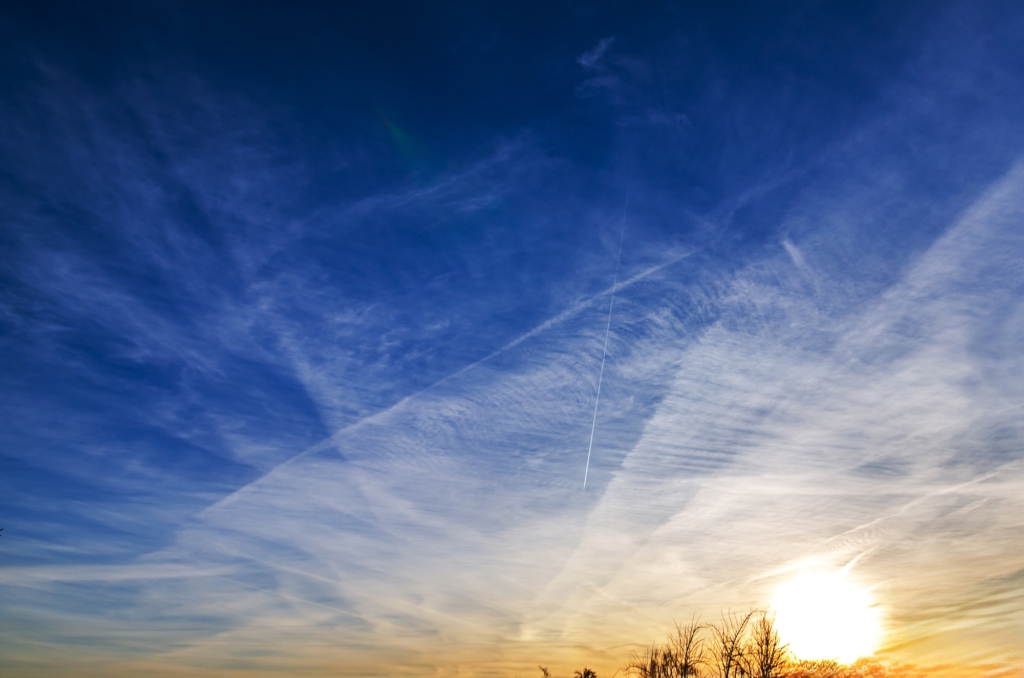
Other uncertainties include how contrails interact with each other, their precise radiative effect and how they affect surrounding natural clouds.
Nevertheless, the researchers conclude that the physics of contrail formation is sufficiently established to act. The remaining uncertainties mainly influence how effective avoidance will be, but the research suggests that avoiding warming contrails benefits the climate.
Contrail avoidance cannot replace CO2 cuts
The study says contrail mitigation must accompany, not replace, other efforts to reduce aviation CO2 such as increasing the supply of sustainable aviation fuel and developing new aircraft technologies. But those other developments will take time.
The research estimates that sustained mitigation cutting contrail warming by around half could delay reaching a given level of aviation-induced global temperature increase by roughly a decade. This would give the aviation industry more time for SAF and technology to catch up.
Vitry described contrails as the “low-hanging fruit of aviation decarbonisation,” but the aviation industry must act quickly.