Airbus advances hybrid-electric aircraft technology with LEIA programme

2 min read
Airbus is pushing ahead with a project to test the hybrid-electric technologies that will power short and medium-range flights in the future.
At the Farnborough International Airshow 2026, the European OEM detailed the steps it was taking alongside its industry partners on the Large Scale Integration Demonstrator of Hybrid Electrical Architecture – or LEIA.
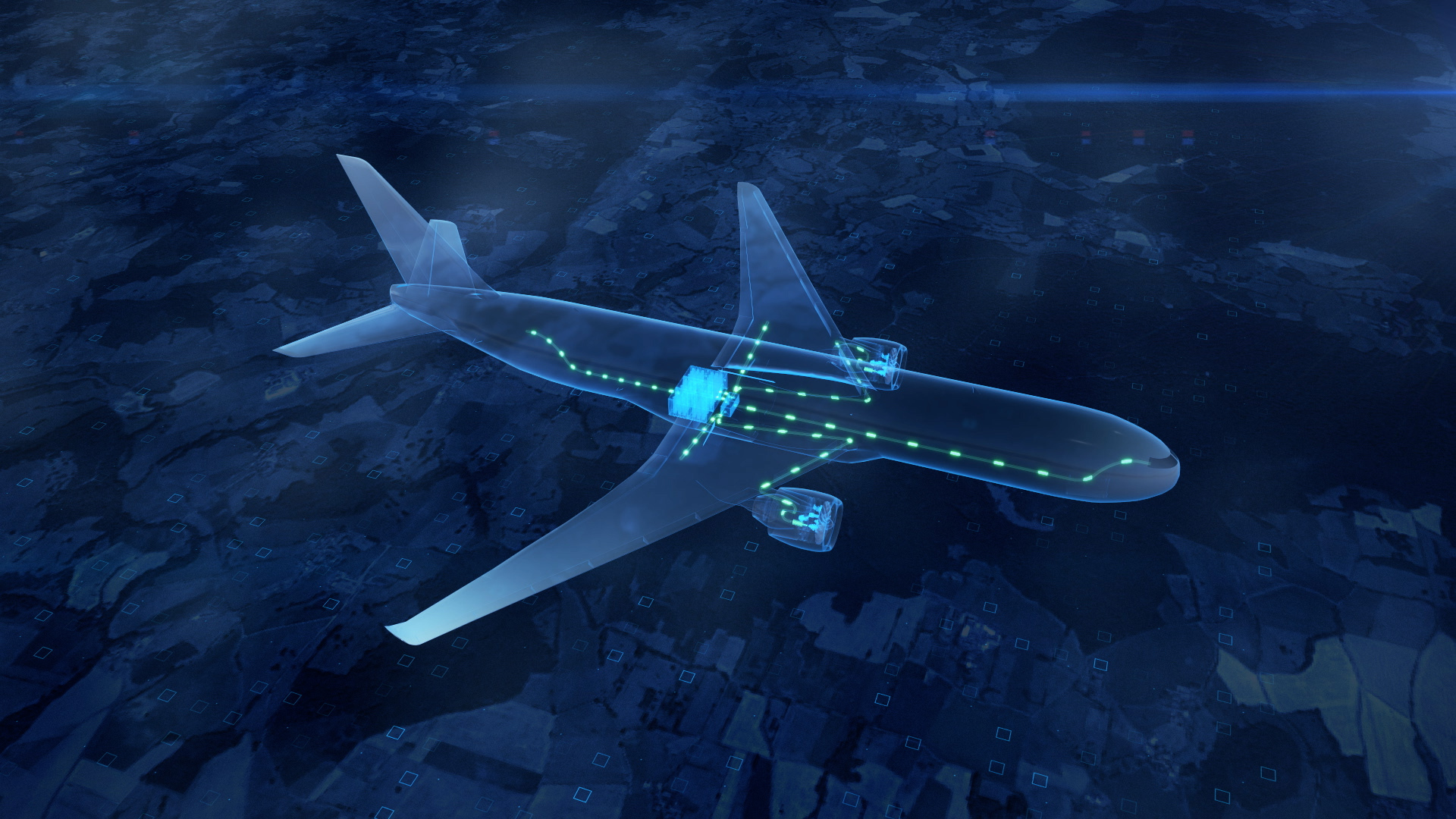
Central to the project is determining both the design and integration of non-propulsive electrical systems which aim to improve engine off-take efficiency and enable flexible energy management, while crucially minimising the overall system’s weight.
Battery technology is heavy and weight has been a key block to advancing the concept into viable test flight conditions for future commercial operations.
Airbus project ‘laying groundwork for future of flight’
Karim Mokaddem, head of aircraft of tomorrow Research and Technology at Airbus, said the progress being made marked a “pivotal shift in how we design the future of flight”.
“By moving to integrated, intelligent hybrid-electric architectures,” he added, “we are actively laying the physical and digital foundation for the next generation of aircraft.
“This evolution demonstrates that the future of aviation is about more than just new power sources; it is also about the new ecosystems that will manage them.”
What is the LEIA project?
Backed by €35 million of funding, the LEIA project began in December 2025 and will run until December 2027.
It aims to accelerate the development of hybrid-electric aircraft technologies, bringing together 25 industry and research partners under the Clean Aviation Joint Undertaking.
The project focuses on integrating advanced electrical propulsion systems at aircraft level, including motors, power electronics, batteries and energy management systems.
Industry partners advance hybrid-electric propulsion research
The LEIA programme follows the recently completed SWITCH project, which advanced the development of hybrid-electric propulsion technologies.
A milestone was reached in July when Collins Aerospace successfully completed integrated laboratory testing of the powertrain subsystems, working alongside project partners Pratt & Whitney, GKN Aerospace and MTU Aero Engines.
Following those trials, the equipment will be transferred to Airbus’ Sustainable Technology and Engineering Projects (STEP) facility in Ottobrunn, Germany.
Engineers there will evaluate how the hybrid-electric systems interact with batteries and the wider aircraft design.