


Lufthansa tells pilots to carry extra fuel into Frankfurt Airport

4 min read
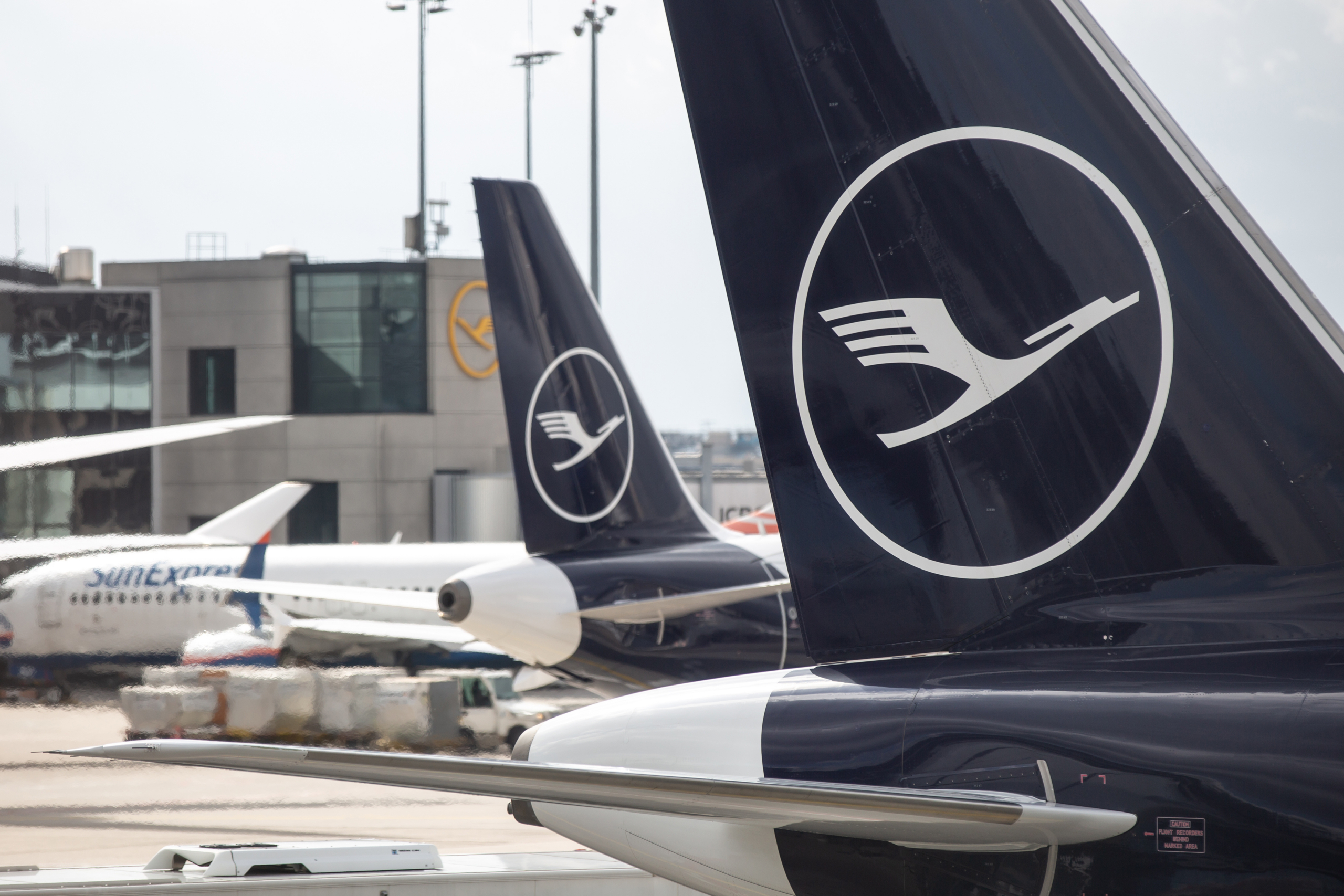
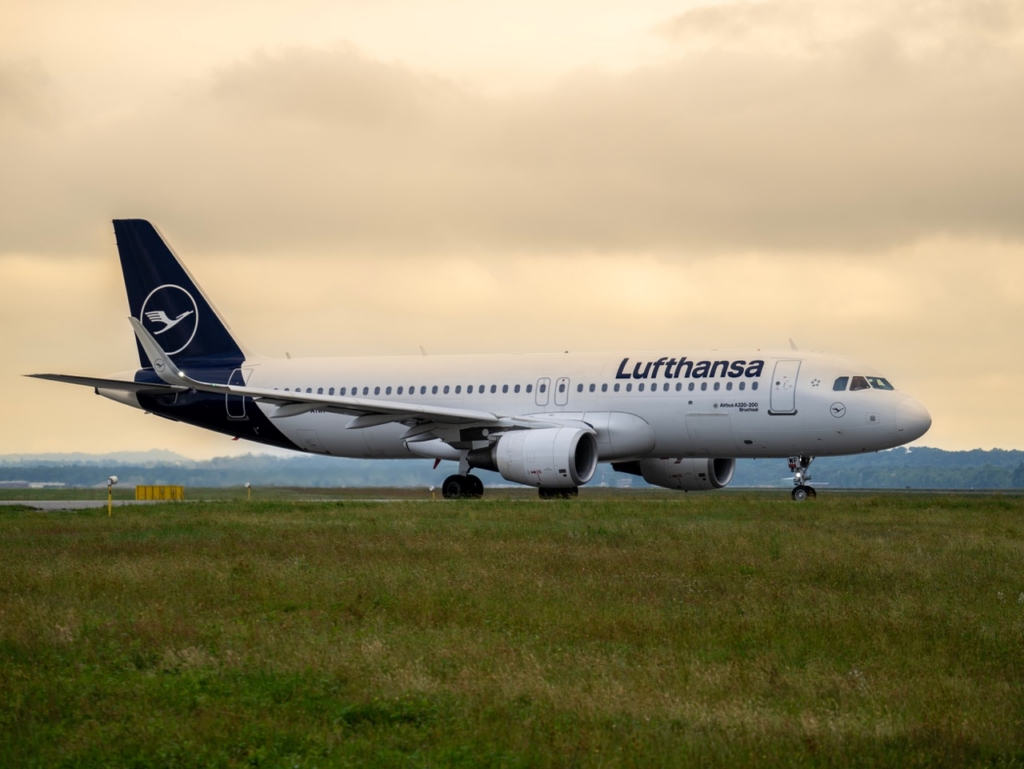
Lufthansa has instructed pilots operating selected flights to Frankfurt Airport (FRA) to carry additional aviation fuel as supplies tighten at Germany’s busiest airport.
The precautionary measure is intended to reduce the airline’s reliance on refuelling at the German hub and maintain reliable flight operations amid disruptions affecting fuel deliveries to the German airport.
Lufthansa takes steps to mitigate potential fuel shortages
According to Reuters, in a report published on 15 October, Lufthansa has increased fuelling before flights arriving in Frankfurt following a reduction in the capacity of a pipeline supplying the airport with jet fuel.
Airport operator Fraport said the pipeline was undergoing routine maintenance but maintained that the work had been considered in its operational planning.
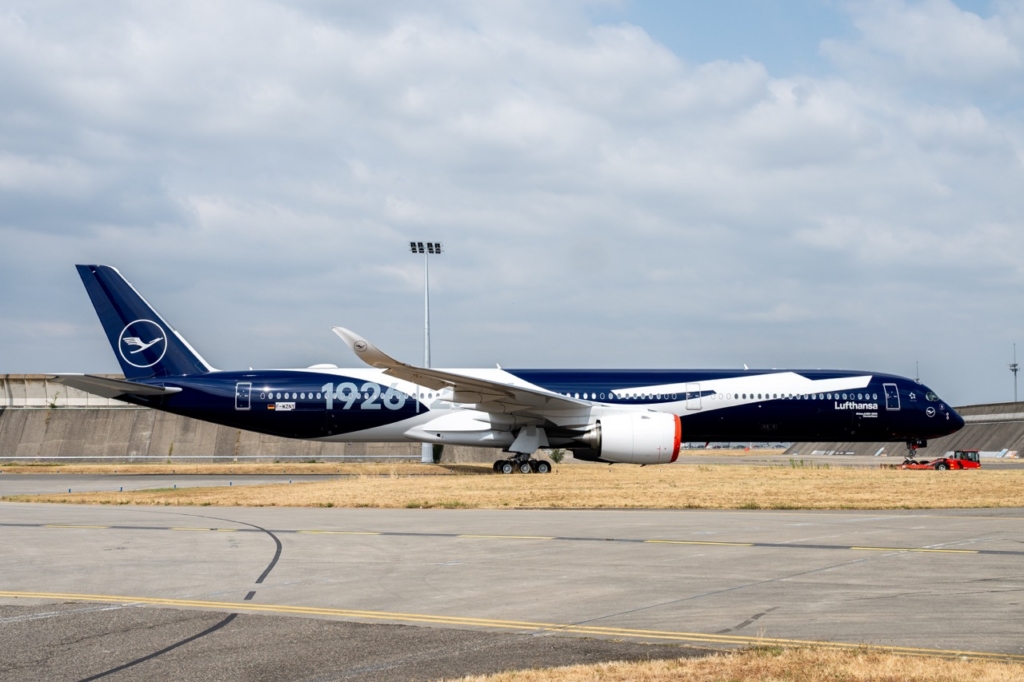
The move comes as Lufthansa seeks to minimise the potential impact of temporary supply constraints on its extensive flight network. Frankfurt is a major international hub for the airline, connecting passengers travelling across Europe and to destinations worldwide.
Any disruption to fuel availability could complicate aircraft turnaround times and create operational challenges for carriers relying on the airport.
Pipeline maintenance and low Rhine water levels
The reported fuel supply pressures have been linked to two factors – reduced pipeline capacity during maintenance and months of low water levels on the Rhine, which have hampered barge deliveries.
The Rhine is an important commercial transport route in Germany, carrying a wide range of industrial goods and energy-related products.
When water levels fall, vessels may be forced to carry lighter loads to navigate safely, potentially reducing the volume of supplies transported on each journey.
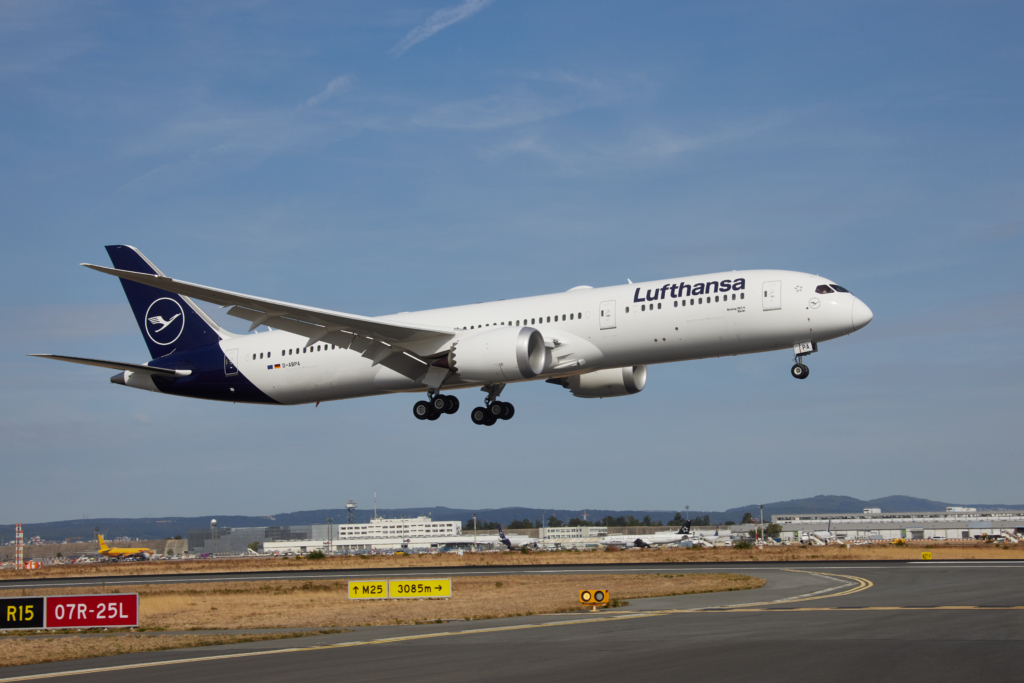
Although the pipeline maintenance is a scheduled operation, the combination of transport constraints and reduced pipeline capacity has raised concerns about the resilience of Frankfurt’s fuel supply arrangements.
Fraport sought to reassure airlines and passengers, stating that the maintenance had been considered in its operational planning.
The airport operator also indicated that alternative supply routes and available fuel storage capacity would help mitigate the risk of a shortage. It said the airport’s operational capability was not affected by the work.
Lufthansa adopts fuel-tankering measures
Reuters reported that Lufthansa had confirmed taking precautionary steps, including increasing the amount of fuel loaded before selected flights to Frankfurt.
The measure follows a report by German newspaper Bild, which cited internal instructions directing pilots on certain routes to practise what is known in aviation as “tankering”.
According to Bild, the instructions primarily affect short-haul services, although some long-haul flights are increasingly included. The additional fuel carried by Airbus A320-family aircraft is reportedly capped at eight tonnes, partly to ensure that the aircraft can still be towed on the ground.
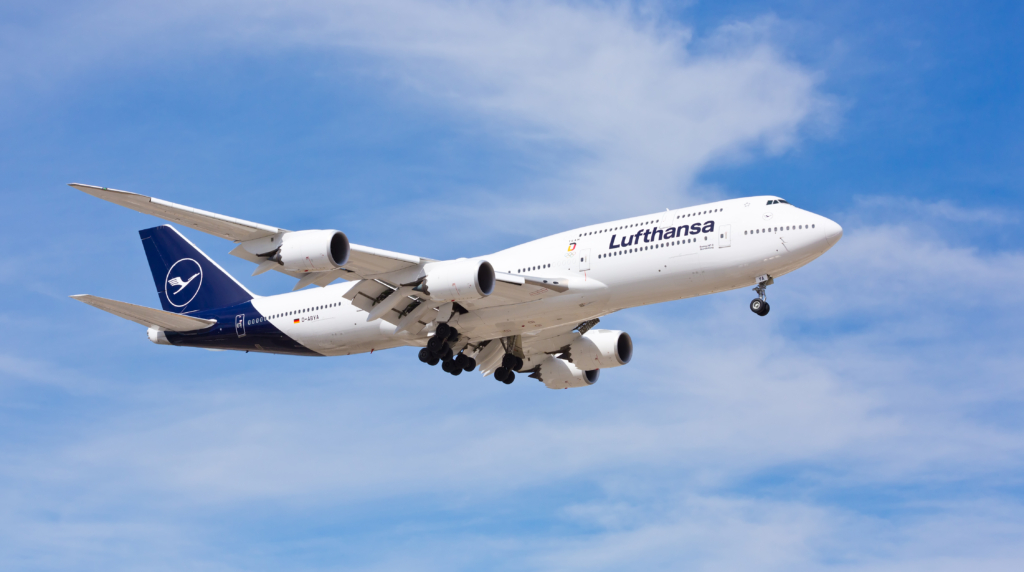
The restrictions highlight the need to balance fuel availability against aircraft weight and ground-handling requirements. Airlines must also account for payload limitations, operational performance and the additional fuel consumed when carrying extra weight.
Lufthansa’s approach is designed to reduce the need for aircraft to take on fuel after arriving in Frankfurt. By loading additional fuel at their departure airports, selected aircraft can arrive with enough reserves to operate their next planned sectors while reducing demand on local supplies.
The airline said it did not currently expect flight cancellations as a result of the situation, suggesting that the measures are intended to prevent disruption rather than respond to an existing shutdown of airport operations.
What is tankering in aviation?
Tankering is the practice of carrying more aviation fuel than is required for a particular flight so that the aircraft can use the surplus on a subsequent journey. It allows airlines to reduce or avoid refuelling at destinations where fuel is expensive, difficult to obtain or, as in Frankfurt’s current situation, potentially constrained.
However, carrying extra fuel increases aircraft weight, which can raise fuel consumption and operating costs. Airlines must therefore assess whether the operational benefits outweigh the additional expense and environmental impact, while complying with safety and performance requirements.
Operational implications for the aviation sector
Lufthansa’s decision illustrates how airlines can adapt their fuelling strategies when supply chains come under pressure. Although Frankfurt’s airport operator has said that routine pipeline maintenance is not impairing operations, Lufthansa is taking steps to limit its exposure to possible local constraints.
For a major hub airline, even temporary uncertainty over fuel availability can affect aircraft scheduling, turnaround planning and the coordination of connecting services. Preventative measures such as tankering can provide an additional layer of operational flexibility while infrastructure work continues.
The situation also demonstrates the importance of maintaining diverse fuel supply routes and adequate storage capacity at major airports.
Disruptions to pipelines or inland waterway transport do not necessarily lead to immediate shortages, but they can place additional demands on logistics and contingency planning.
In the meantime, Lufthansa’s measures appear intended to preserve normal operations rather than signal widespread disruption. The effectiveness of the strategy will depend on how fuel supplies develop and how long the constraints persist.
Fraport’s assurances and Lufthansa’s statement that cancellations are not currently expected should offer some reassurance, although airlines will need to continue monitoring the situation closely in the weeks ahead.





