


Emirates fends off fuel costs and engine delays to run at 91% of pre-war capacity

2 min read
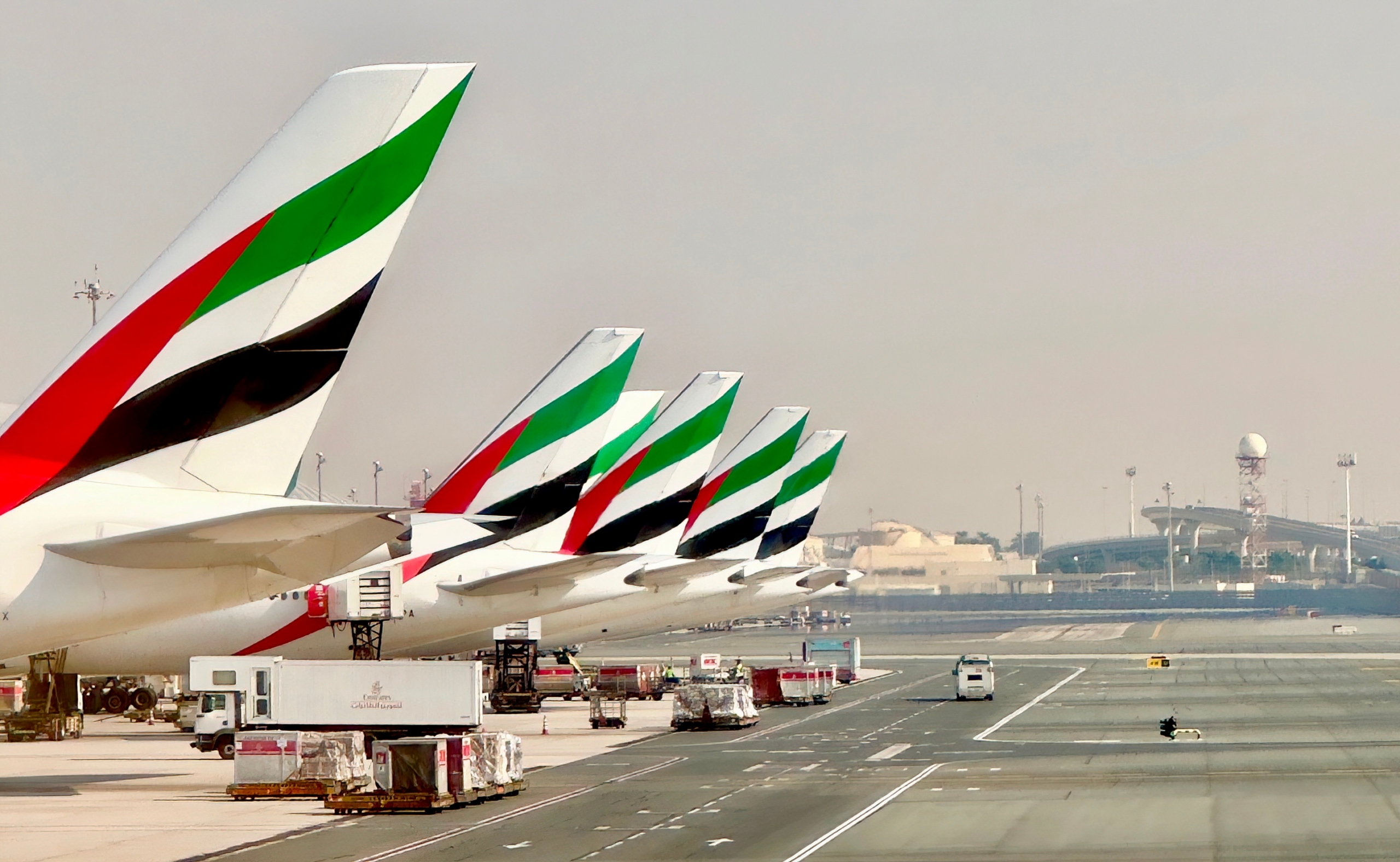
Emirates is operating at 91% of its pre-war capacity, with passenger and cargo revenues up on the previous year despite the major disruption to its network throughout 2026.
Aside from the geopolitical turmoil, there are additional causes for concern, with rising fuel costs and engine maintenance delays weighing on the airline.
But Sir Tim Clark, Emirates Airline president, struck an upbeat tone in recent days, saying the carrier’s income in an example week in October was higher than in the corresponding period a year earlier, which itself had been the most profitable year in its history.
Emirates maintains revenue despite war disruption
Speaking at Routes World 2026 in Frankfurt, Sir Tim said: “We’re actually making more money in terms of income, what with cargo and passengers, than we were doing this time last year.”
The airline is still operating below its normal level of activity, at 91% of the capacity recorded before the US-Iran war.
Fuel costs are the main external factor which threatens to derail the impressive resilience of the airline.
Sir Tim said the high oil price was an issue, but expressed confidence that demand would recover once the disruption ended.
“There will be an end to this, and I think, as has been in the past, without fail once there’s an end, the surge comes,” he said.
He pointed to continued strength in Asian leisure markets, including flights to Thailand and Denpasar, which he said were operating with high load factors.
Engine servicing delays leave seven A380s grounded
Another constraint on the airline besides fuel costs is the availability of engines for its Airbus A380 fleet.
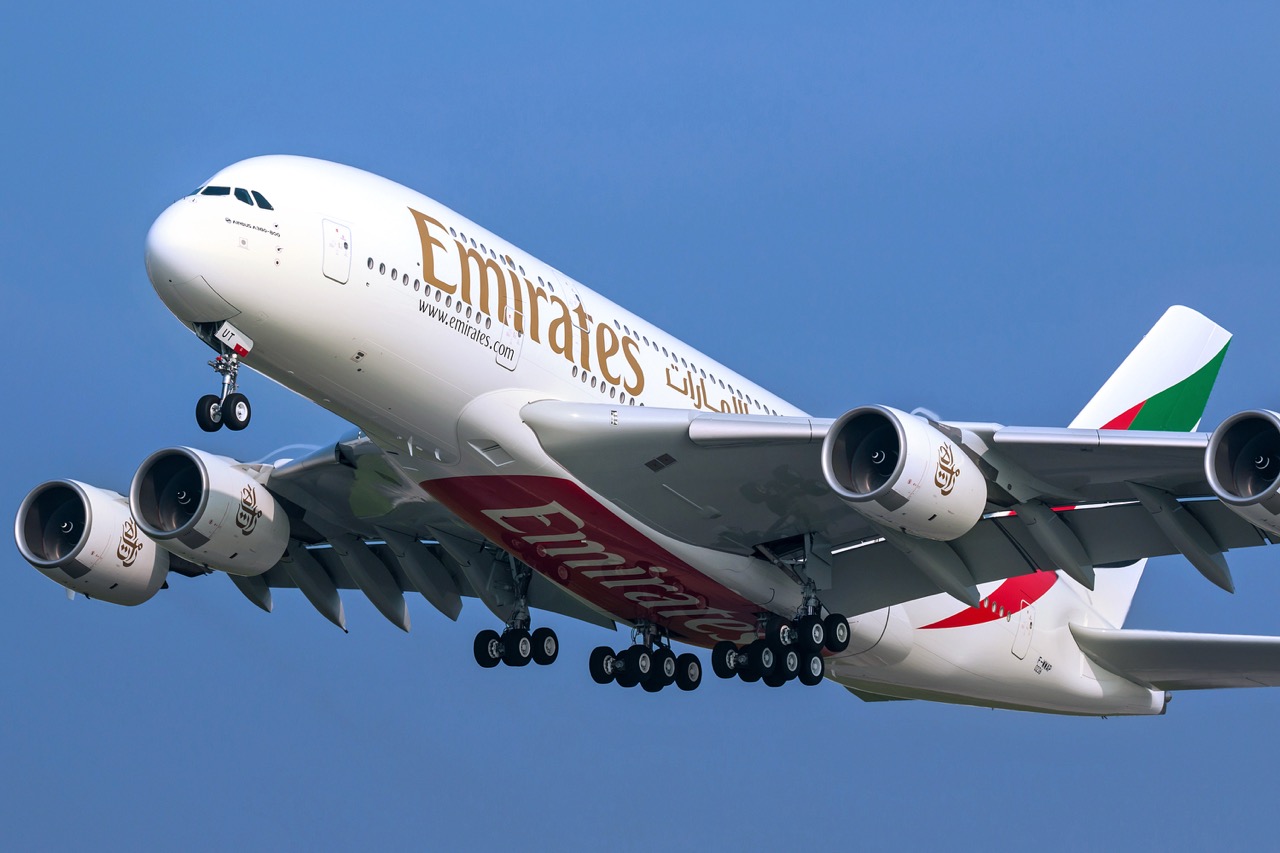
Sir Tim said seven of the superjumbos were currently grounded because of delays in engine servicing.
The aircraft would otherwise be available for flights, he said, adding to the capacity Emirates could deploy at a time when it is seeking to restore its network.
Sir Tim also outlined the scale of Emirates’ future operations at Dubai World Central (DWC), where the airline expects to establish its long-term hub as the airport develops.
The airport is expected to open in 2031-32 with capacity for almost 165 million passengers annually, Clark said.
Passenger experience does not mean higher costs
Sir Tim also argued that airlines could improve the onboard experience without necessarily increasing their costs.
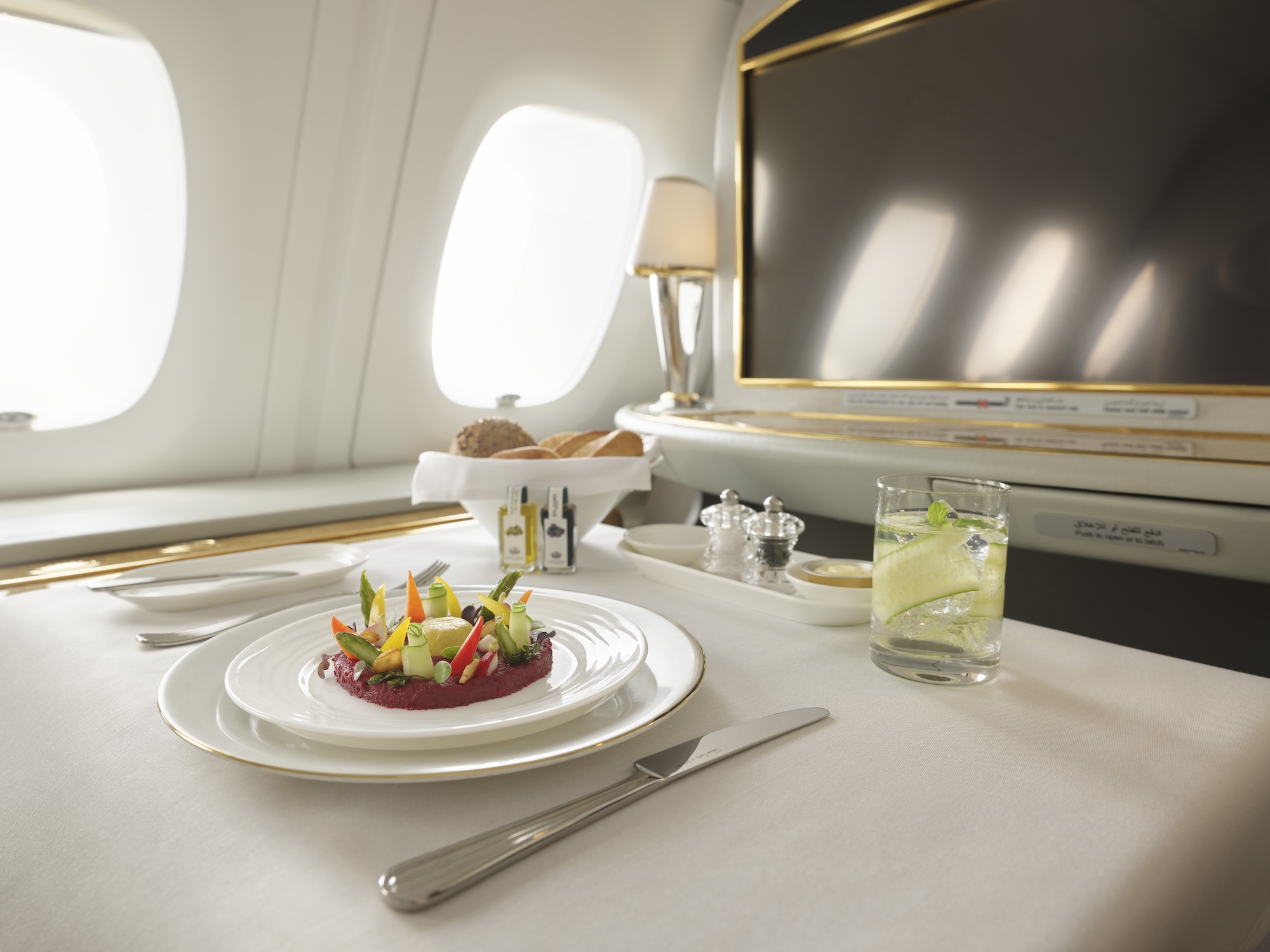
“Good food, good beverages, nice TV, important comfortable seats, nice ambience in the cabin. Don’t make your cabins dark and grey. Make them light and airy. People feel good,” he said.
“The actual cost of delivering these high-end products is cheaper than we thought.”
Sir Tim said DXB’s airport’s development would also improve the passenger experience, by incorporating biometric technology and automated processing.
Smart gates and walk-through scanning systems are being introduced, with the aim of allowing passengers to move from landside to their departure gate without a traditional check-in, security screening or immigration barrier.
Sign up for our newsletter and get our latest content in your inbox.


More from

November 6, 20264 min read


