


Lufthansa targets faster route profitability as it advances ‘one airline’ strategy

4 min read

Lufthansa Group expects new routes to reach profitability at least twice as quickly as in the past, as it adopts a more flexible approach to its network by shifting capacity towards growing markets including South America and Asia-Pacific, the group’s chief commercial officer has said.
Speaking at the Routes World 2026 event in Frankfurt, Dieter Vranckx said the changing geopolitical and economic environment meant airlines could no longer rely on fixed, long-term network strategies.
Lufthansa expects a faster return from its new routes
Instead, he said capacity needed to be deployed more dynamically across the group’s hubs and carriers in response to fast changing market conditions.
Vranckx said Lufthansa had been reallocating some of its North Atlantic capacity towards South America and Asia-Pacific during the first half of 2026, as demand to the US ebbs.
“We need to go much faster into profitability. We need to see an immediate impact in the market. We need to see that we create value in that market,” he said. The target was for new routes to become profitable “at least double as fast” as previously.
A decade ago, Lufthansa would launch new long-haul destinations and allow at least one year to adjust to the market, another year to build up demand, and then expect to reach profitability. Those expectations have now shifted.
His comments suggest Lufthansa is pursuing a more disciplined approach to the European airline group’s network expansion, with an emphasis on capacity generating returns more quickly.
TAP acquisition would fit wider group strategy
Vranckx also explained Lufthansa’s interest in acquiring a stake in TAP Air Portugal within its broader strategy of operating as an integrated airline group, rather than treating each carrier and hub as a separate commercial operation.
Perhaps more than any other of Europe’s big airline groups, Lufthansa has employed a tactic of integration rather than celebrating each national carrier’s differences.
The carrier already operates five airlines across six hubs, and Vranckx said decisions on network development and capacity allocation were increasingly being taken from a group-wide perspective.
“We will always look at the whole concept as if it would be one airline, and we optimise today the five airlines and the six hubs commercially from that perspective,” he said.
The addition of TAP will therefore be assessed in terms of how it adds to the group’s existing network, rather than solely as an individual airline investment.
Vranckx said Lufthansa had considered several factors in evaluating the Portuguese carrier, including its financial value, geographical position, network fit and the overall contribution to the group.
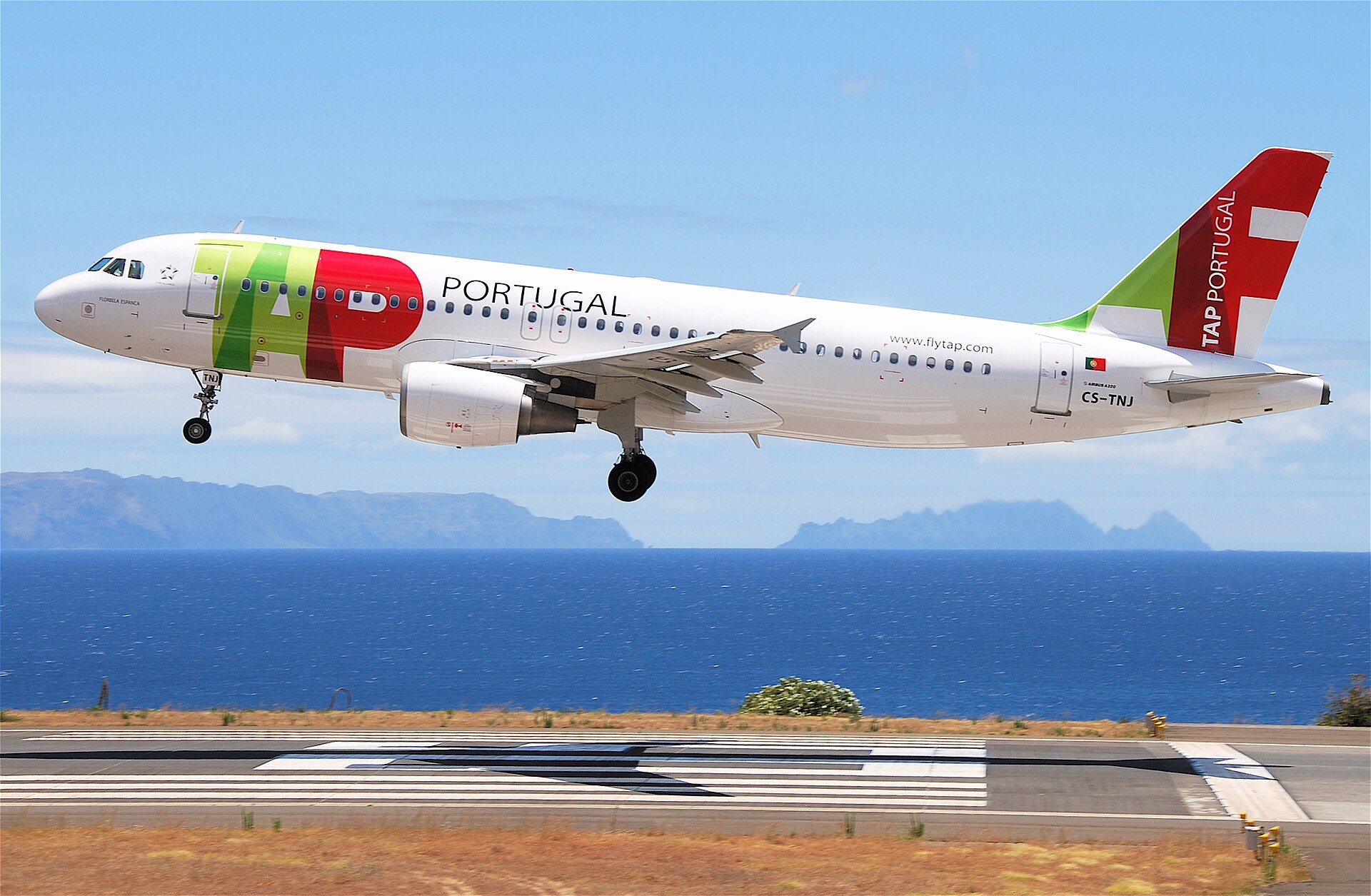
“TAP should be similar to ITA. Ideally, since we are an ambitious airline group, I always say it should go faster than ITA,” he said of the acquisition and integration. “I think if we manage between one year and one and a half, we should be not only happy but very proud to manage that.”
The outcome is still dependent on the acquisition process and the work required to bring the airline into the group.
Vranckx did not identify a target number of airlines for Lufthansa to operate, saying the priority over the coming years would be to consolidate and strengthen the existing group structure.
Market conditions call for a more flexible approach to network planning
The strategy also has implications for how Lufthansa allocates routes between its hubs.
Vranckx said there was not necessarily a commercial case for every destination to be served from every hub, with some short-haul traffic better concentrated through a smaller number of airports.
“We don’t see the need for every hub to serve Oslo,” he said, giving the example of traffic that could be consolidated through two or three hubs rather than all five or six.
Those decisions form part of a wider effort to make better use of the group’s network and aircraft.
Vranckx said the traditional approach of developing a network strategy over the long term and then following it through was becoming less relevant.
“The times of setting up a network strategy for the next five to 10 years and then to follow through are probably over,” he said.
Instead, Vranckx said Lufthansa needs to remain flexible as geopolitical developments and market conditions change, including the ability to move capacity between hubs and regions.
“It’s our job always to find solutions when geopolitics hit, when there are complications in the market, when market dynamics change, and then you have to adjust capacity,” he said.
Sign up for our newsletter and get our latest content in your inbox.


More from

November 6, 20262 min read


