


Cirium cuts aircraft delivery forecast amid ‘supply chain bottlenecks’

3 min read
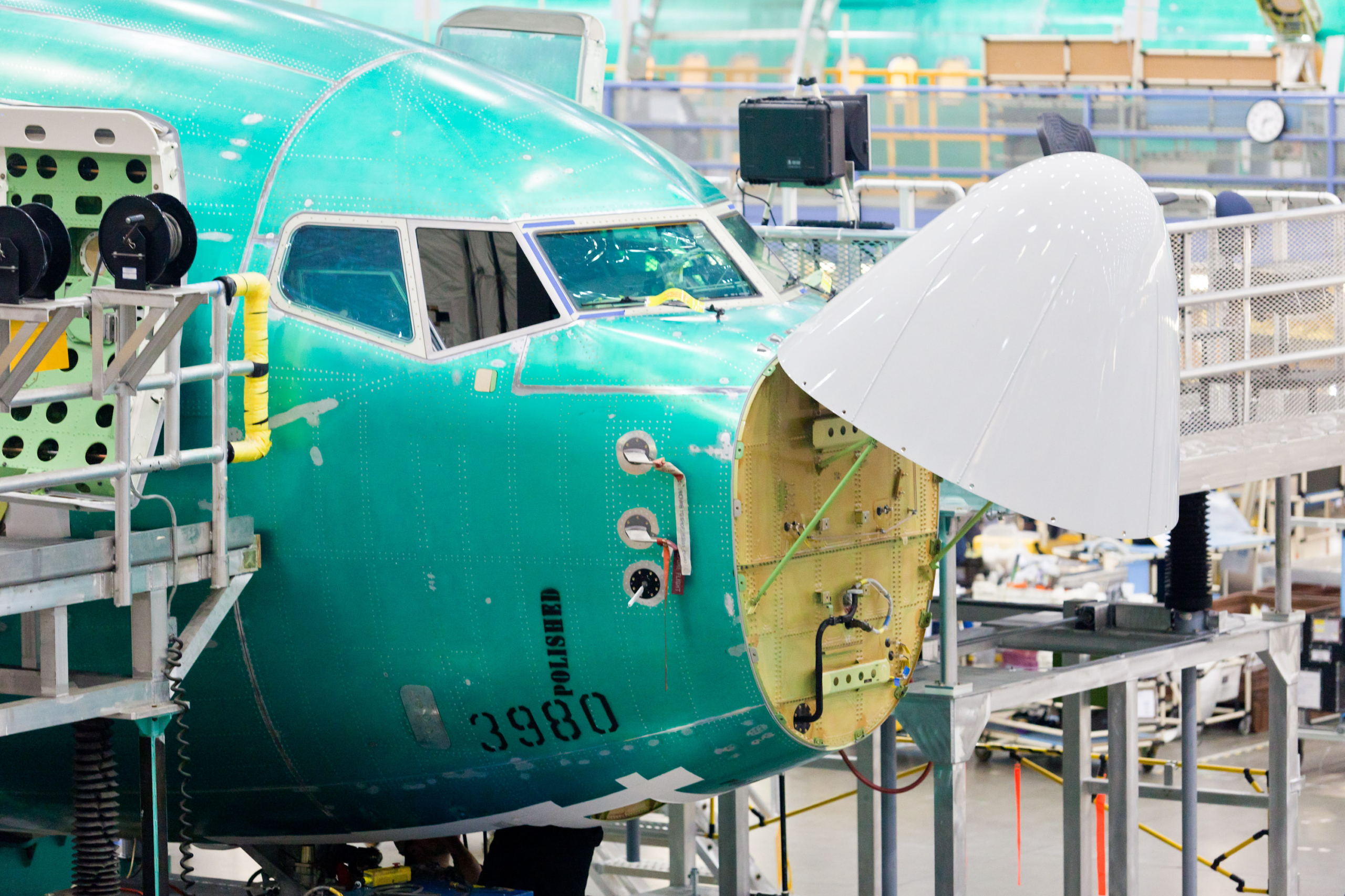
Aviation analytics firm Cirium has cut its forecast for new aircraft deliveries over the next 20 years as supply chain challenges and geopolitical uncertainty weigh on the industry.
Cirium’s annual Fleet Forecast states that there will be 43,000 aircraft deliveries worth US$3.2 trillion over a two-decade period, with production constraints tempering the outlook for planemakers and airlines hoping to receive their aircraft.
Cirium lowers long-term aircraft forecast despite sustained demand
The prediction for new passenger and freighter jet and turboprop aircraft to be delivered globally between 2026 and 2045 is down by around 8 percent versus Cirium’s 2025 forecast of 46,500 aircraft deliveries worth US$3.4 trillion, in 2025 dollars.
The forecast concludes that demand is likely to continue outstripping supply throughout the 2020s, which it says will place greater emphasis on manufacturing capacity, engine availability and the scalability of future aircraft production programmes.
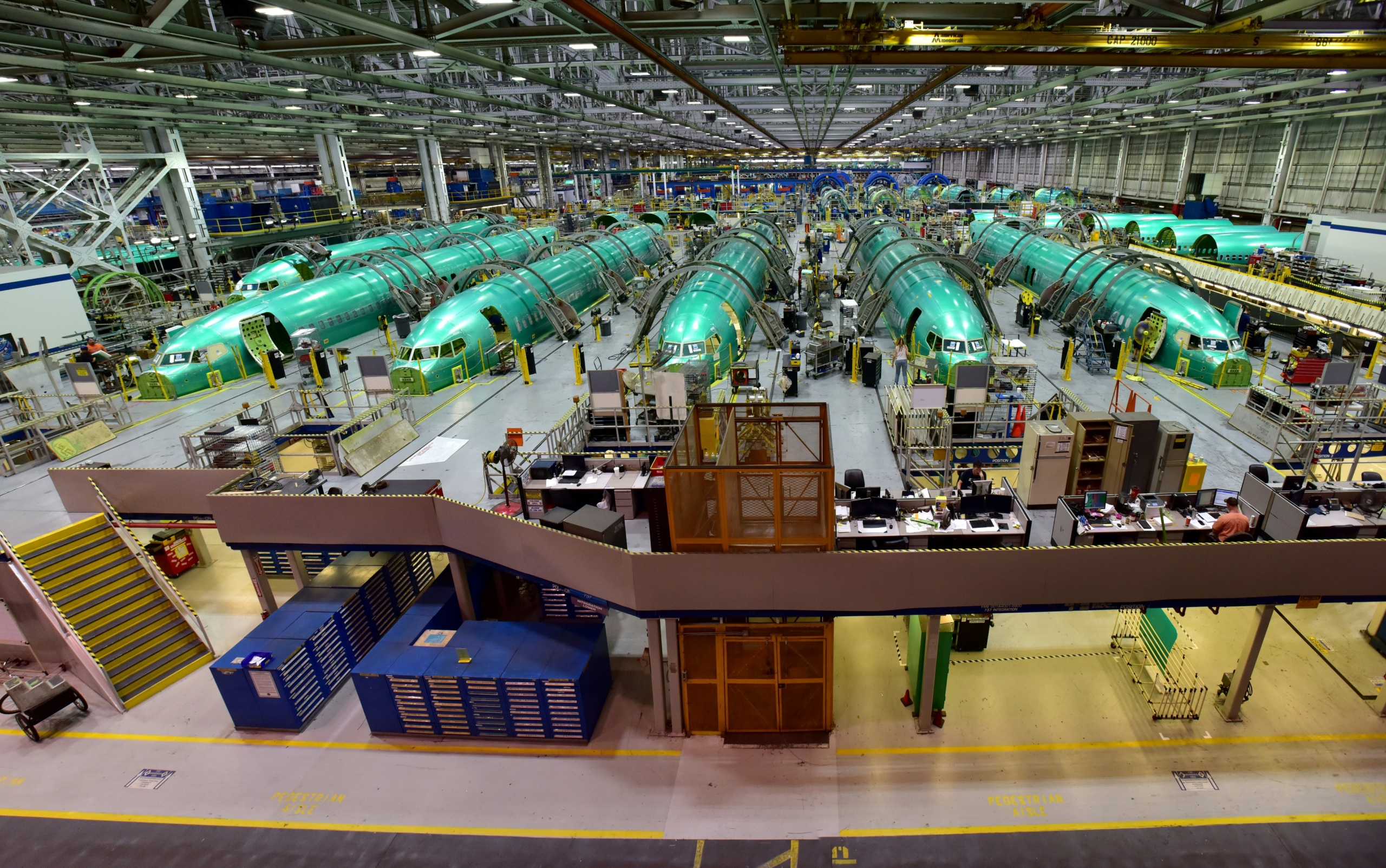
“Supply chain bottlenecks, engine availability, extended certification timelines, geopolitical uncertainty and persistent cost pressures are limiting the pace at which capacity can be added,” the forecast notes.
Aircraft supply constraints expected to continue
The depressed forecast for aircraft deliveries reflects a weakening in passenger traffic during 2026, particularly through the Gulf hubs.
Cirium said that higher fuel costs and uncertainty around global trade risked “shifting the timing and regional distribution of capacity growth”, although the fundamental drivers behind demand for new aircraft remained strong.
In total, the global passenger fleet is expected to reach just over 50,000 aircraft by 2045.
Stephen Burnside, global head of Cirium Ascend Consultancy, said the industry’s ability to meet that demand would increasingly depend on its manufacturing output.
“Long-term aircraft demand remains strong, but the pace of growth increasingly depends on the industry’s ability to deliver,” he said.
“Supply chain resilience, engine availability and scalable production will be critical to meeting demand from airlines as they seek to expand their networks and replace ageing fleets.”
Asia accounts for almost half of projected passenger fleet
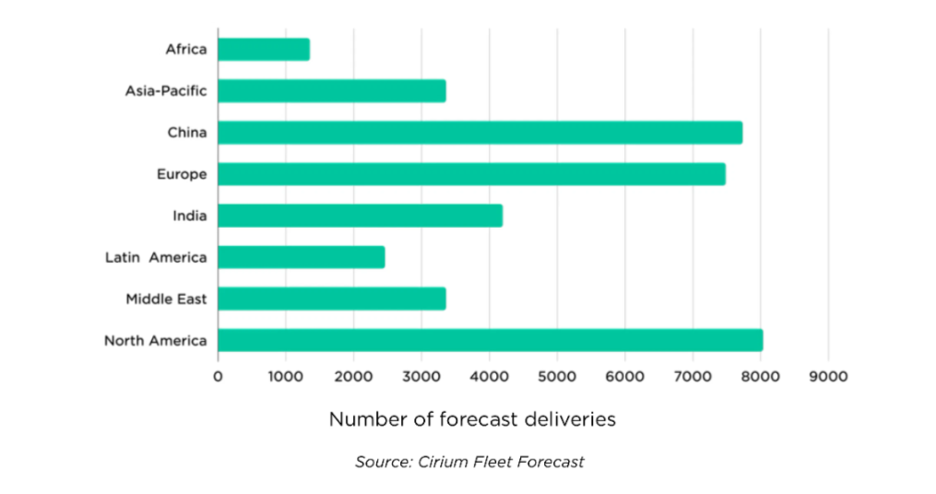
China, India and the wider Asia-Pacific region together account for approximately 48% of Cirium’s modelled passenger fleet, highlighting the importance of fast-growing Asian markets to the industry’s expansion.
Airbus and Boeing remain dominant in the projected fleet mix, accounting for 47% and 39% respectively.
Notably, China’s Comac represented a small but still impressive 5%, though these figures relate to the forecast allocation of the passenger fleet, rather than the manufacturers’ shares of new deliveries over the period.
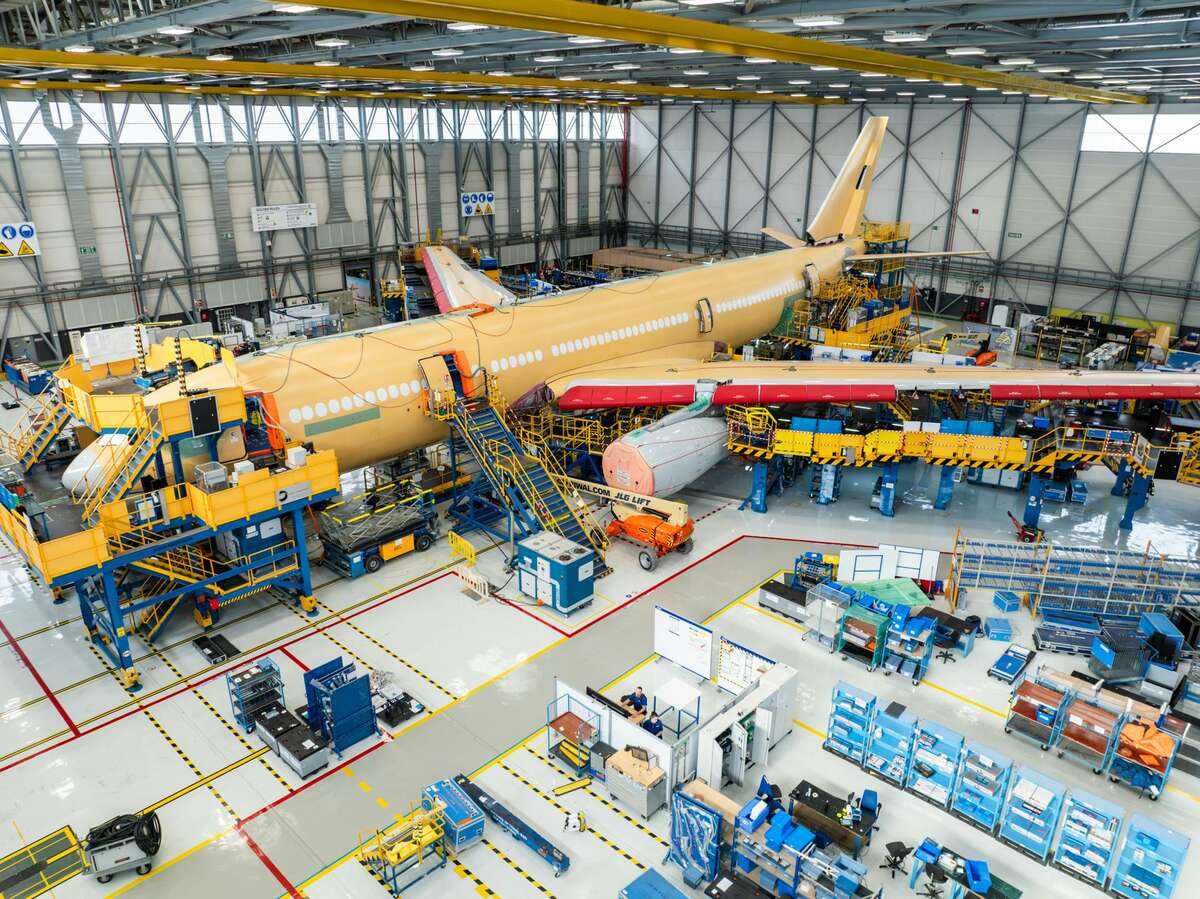
Single-aisle aircraft dominate long-term fleet outlook
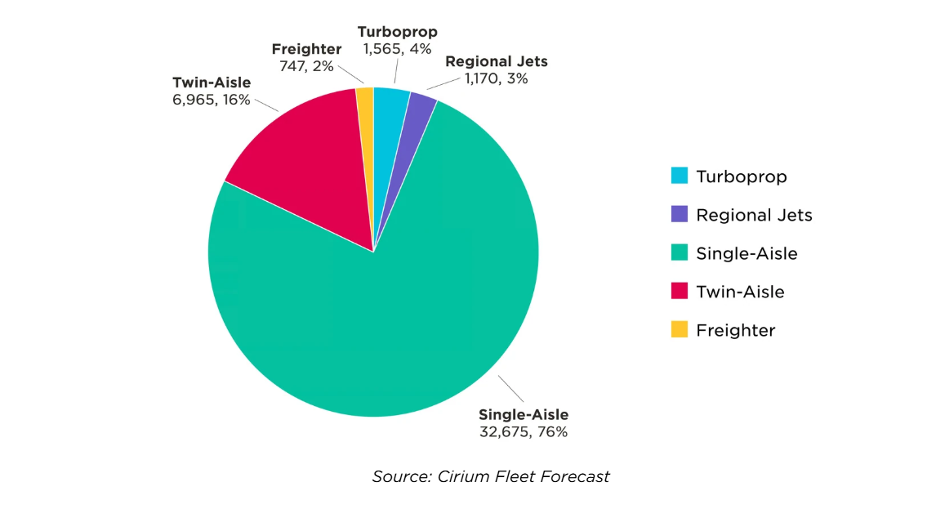
Single-aisle aircraft account for 76% of the forecast passenger fleet. The Airbus A321neo is the largest individual aircraft series, representing 16% of the allocation.
“The centre of gravity within the narrowbody market is … increasingly concentrated in the larger-capacity segment. Intermediate narrowbodies account for 45% of modelled allocation and larger narrowbodies a further 27%, compared with just 2% for small narrowbody aircraft,” the report said.
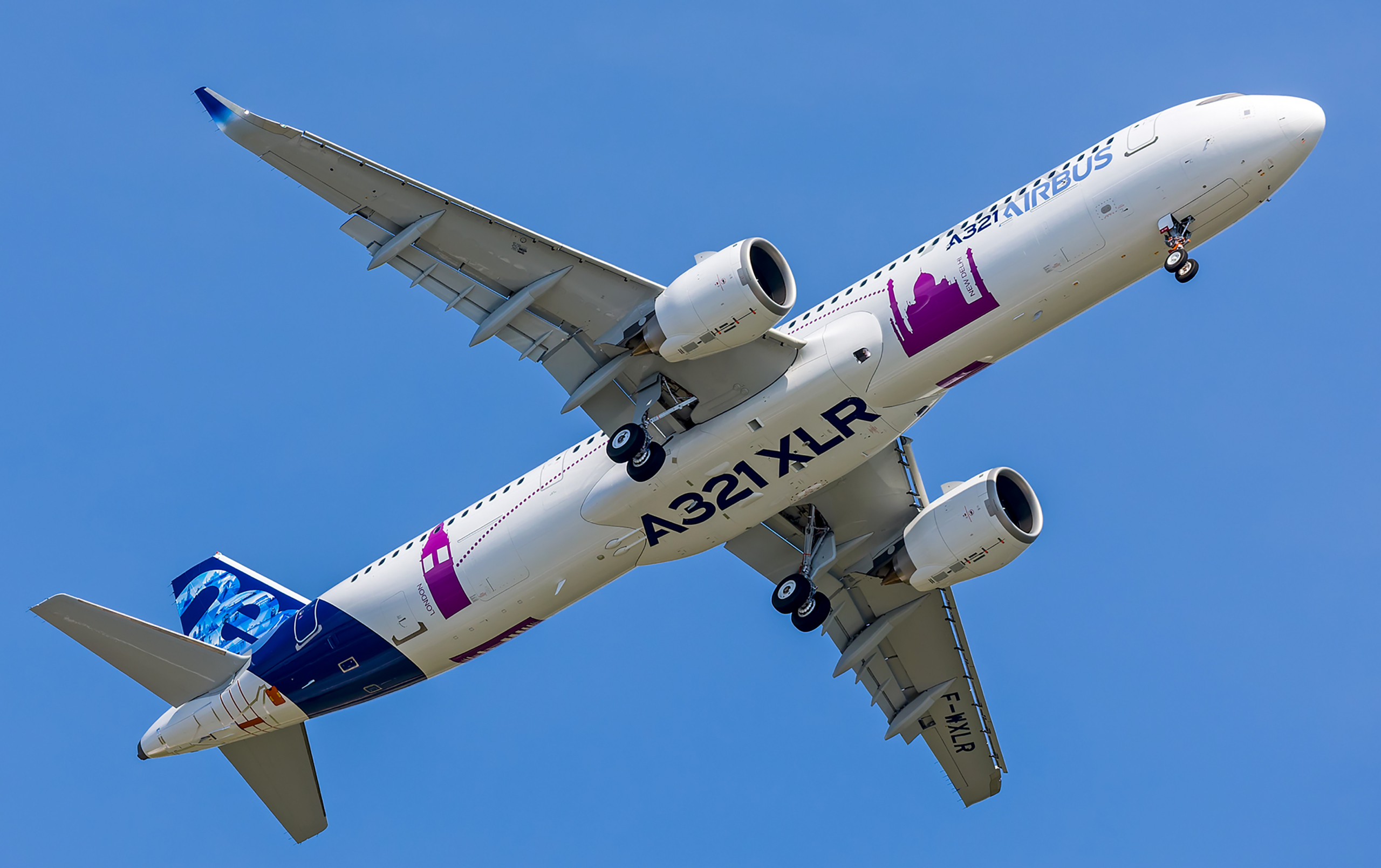
The A320 family accounts for 38% of the all-years passenger fleet allocation, while the 737 family represents 26%, substantially ahead of other families.
“The scale of the A321neo in particular reinforces the continued shift towards larger single-aisle aircraft, as airlines seek greater seating capacity and lower unit costs while retaining the network flexibility of a narrowbody platform,” the Cirium fleet forecast added.
Sign up for our newsletter and get our latest content in your inbox.


More from

October 13, 20263 min read

October 13, 202612 min read
October 13, 202612 min read






