


B-21 Raider completes first weapons-release test as bomber enters new phase

3 min read
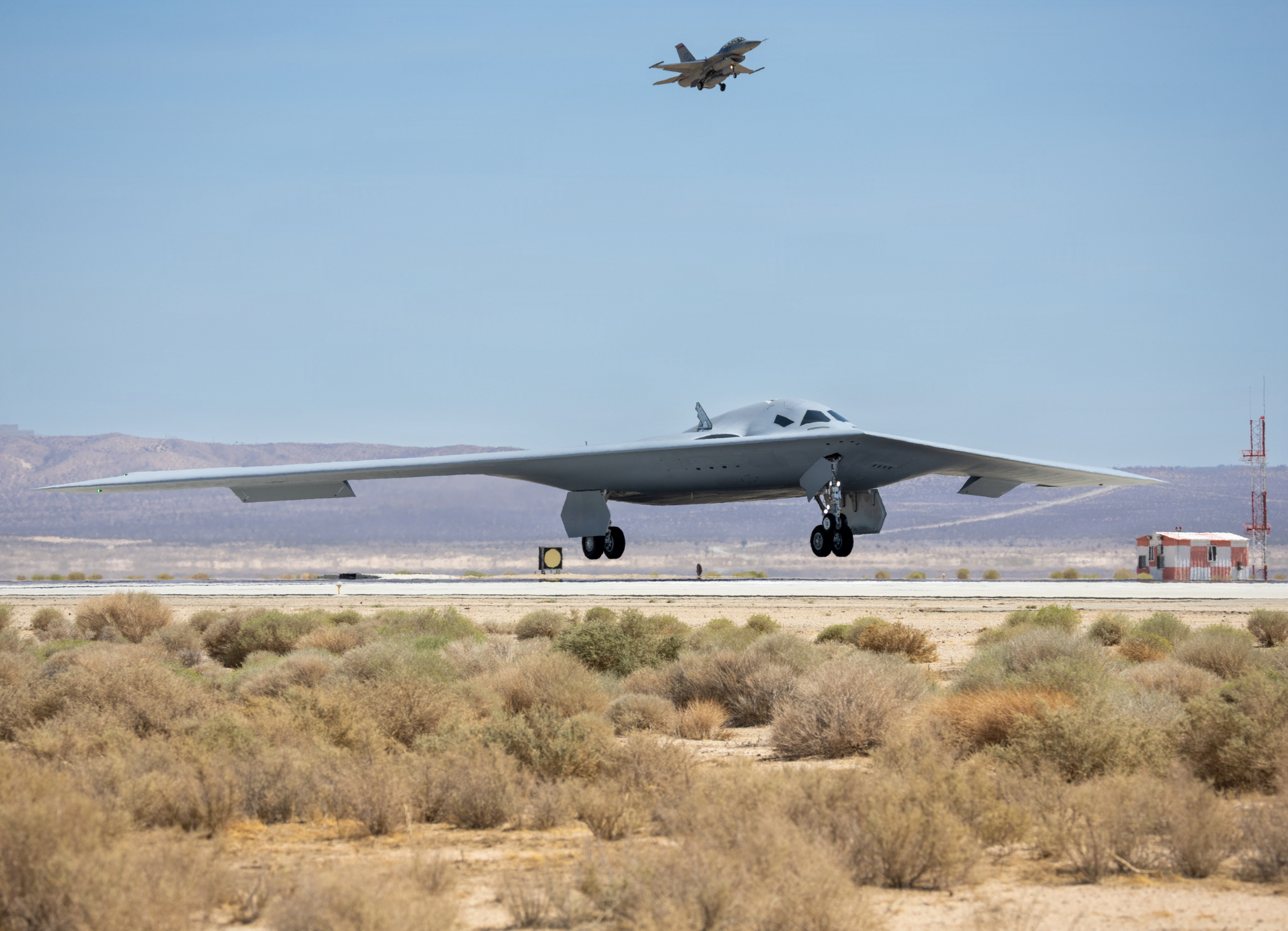
The United States Air Force says it has conducted the first weapons-release test of the incoming Northrop Grumman B-21 Raider bomber.
The milestone – announced on 13 November – marked the transition from a flight test platform to a functional weapons platform. In a nod to the B-21’s expanding capabilities, which may eventually include air-to-air missions, the Air Force routinely calls it a “6th-generation long-range, penetrating strike aircraft.”
B-21 releases a weapon for the first time
The B-21 took off from Edwards Air Force Base, California, and released an unidentified “conventional weapon.” The test validated the aircraft’s digital models and the aircraft’s growing maturity.
The Raider is designed to carry a range of conventional and nuclear munitions. At this time, the Air Force has not released any photos of the munitions test.
In a statement, the USAF said, “This test proves the B-21’s strike capability, proves its ability to rapidly onboard new weapons and solidifies its role as the future backbone of the U.S. bomber fleet.”
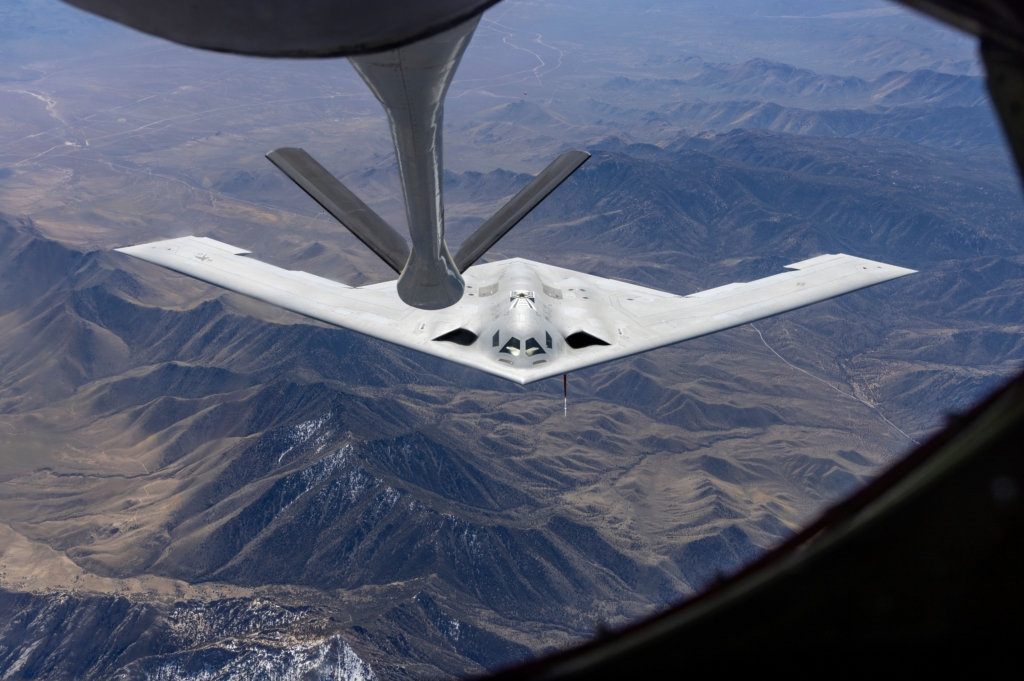
This comes after thousands of hours of virtual modeling with the B-21’s digital twin. The digital twin is enabling the comparatively rapid development of the bomber and cutting back the amount of physical rework needed after real-world testing.
In July, AGN reported the Air Force had paired an operational test pilot with a developmental test pilot in the same cockpit for the first time to accelerate the bomber’s testing and acceptance schedule.
Able to predict and refine weapons trajectory before taking off
Secretary of the Air Force Troy Meink said that the test demonstrates the ability to “adapt rapidly” and “hold any target at risk if deterrence fails.” Meink also noted that the Raider is designed to quickly integrate new weapons.
This allows the B-21 Combined Test Force to accelerate weapons integration and “predict and refine” the weapon’s trajectory with “unparalleled precision before the aircraft ever left the ground.”
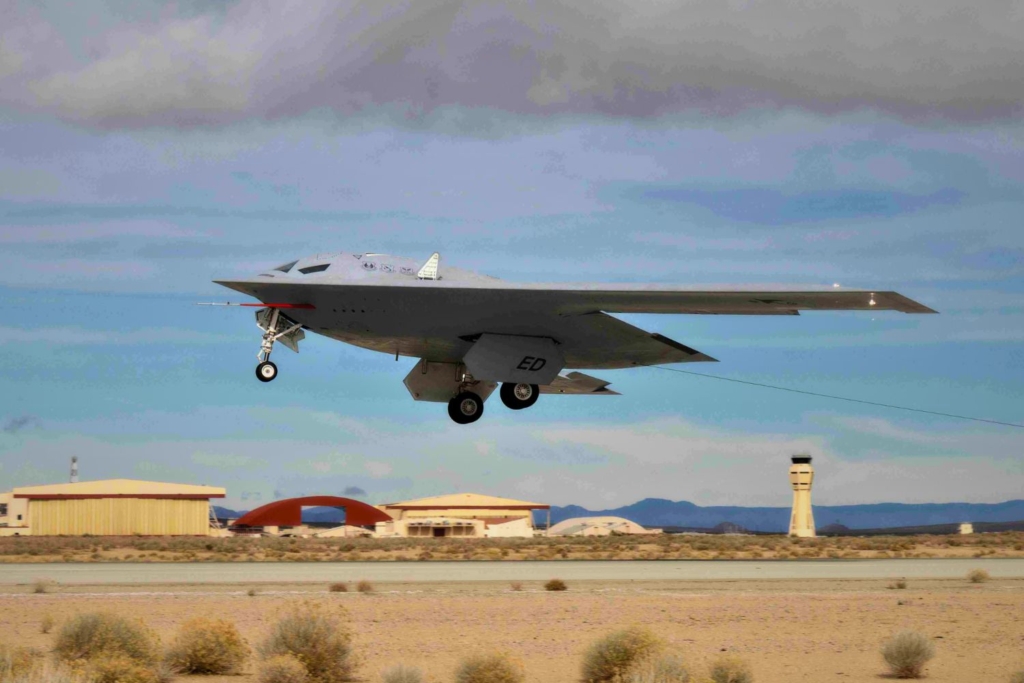
In its own statement on the test, Northrop Grumman said, “The B-21 is proving in test what it promised on paper: it’s the most advanced bomber in the fleet, and it behaves more like a modern fighter than a legacy bomber when it comes to maintenance turnaround times and cost per flying hour.”
B-21 Raider remains on track to enter service in 2027
The Air Force reaffirmed that the B-21 remains on schedule to arrive at Ellsworth Air Force Base in South Dakota in 2027, the first step toward operational service with the bomber force..
In September 2025, the Air Force announced it had received the second test B-21 Raider. The type is in low-rate initial production, and it is unclear how many more have been built or delivered to the Air Force since then.
A 2026 Northrop earnings call revealed it had sold one of its testbed B-21s to the Air Force.
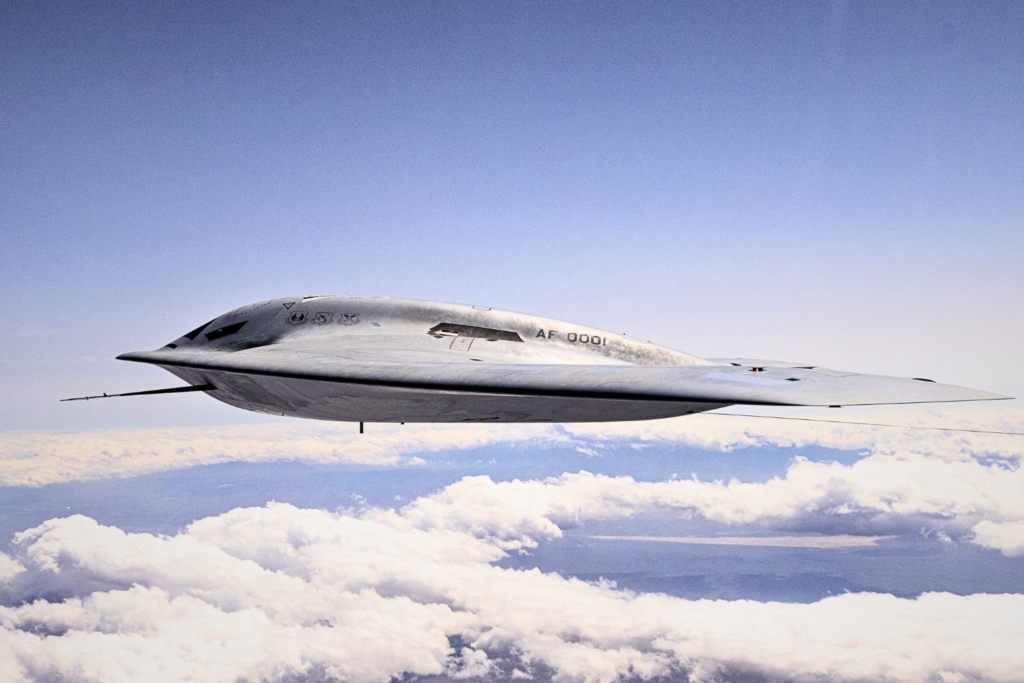
Currently, the Air Force’s acquisition target remains at least 100 units, but it is expected to formally revise this upward next year.
In 2025, billions of extra funding was allowed to expand Northrop Grumman’s capacity to produce the aircraft at a higher rate. Northrop says it has recently opened the Layton manufacturing facility in Utah (265,000 square feet).
It has also broken ground on an expanded one-million-square-foot final assembly line facility at Plant 42 in Palmdale, California.


