


Airbus vs Boeing: Who won Farnborough International Airshow 2026?

3 min read
Boeing emerged with the larger order tally during the four trade days of the 2026 Farnborough International Airshow, though that is only part of the story.
The company announced 186 firm aircraft orders during the show, compared with 157 firm orders for Airbus, giving the US manufacturer a lead of 29 aircraft. Including preliminary agreements, Boeing’s advantage widened further thanks to Philippine Airlines’ commitment for up to 20 Boeing 787 Dreamliners.
Yet, both manufacturers entered the show with record backlogs stretching production well into the next decade.
With healthy order books before the show opened, the battle between the two dominant planemakers has been shaped by supply chain constraints rather than sales momentum.
Boeing wins on total orders
Boeing’s strongest announcements included:
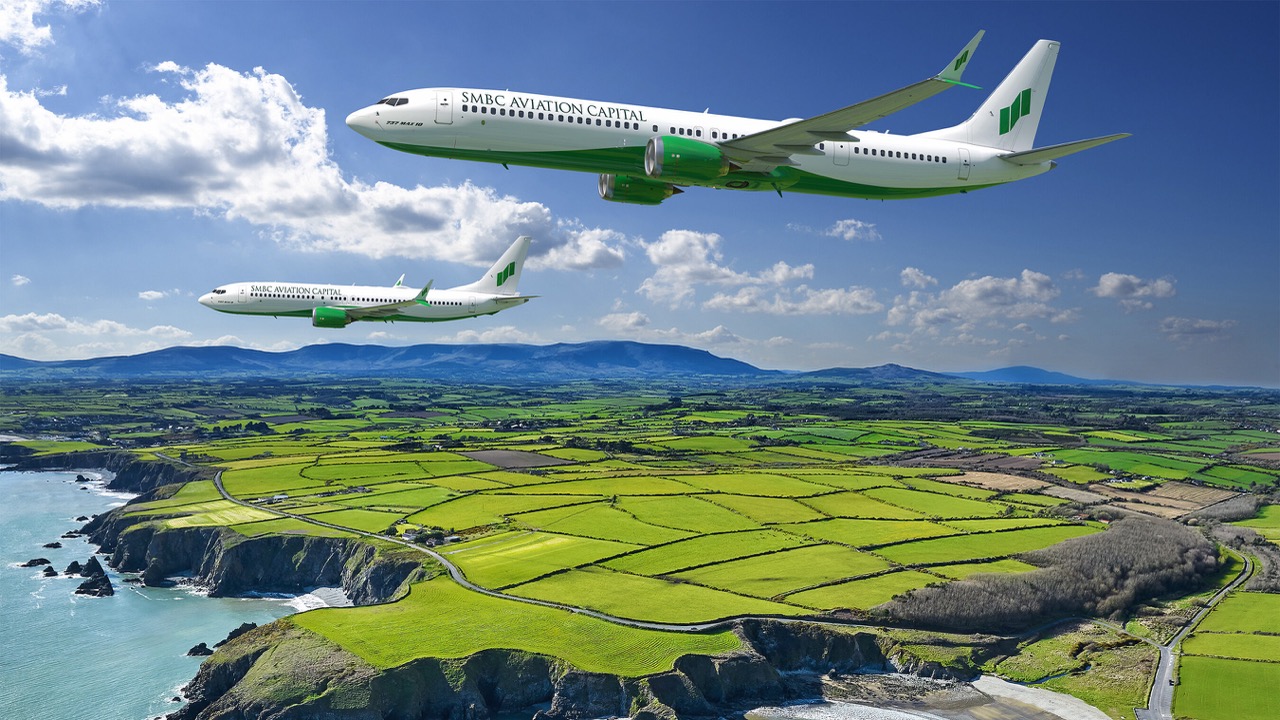
- 100 Boeing 737 MAX aircraft ordered by SMBC Aviation Capital
- 28 additional Boeing 787s from Riyadh Air
- 15 Boeing 787-9s from AerCap
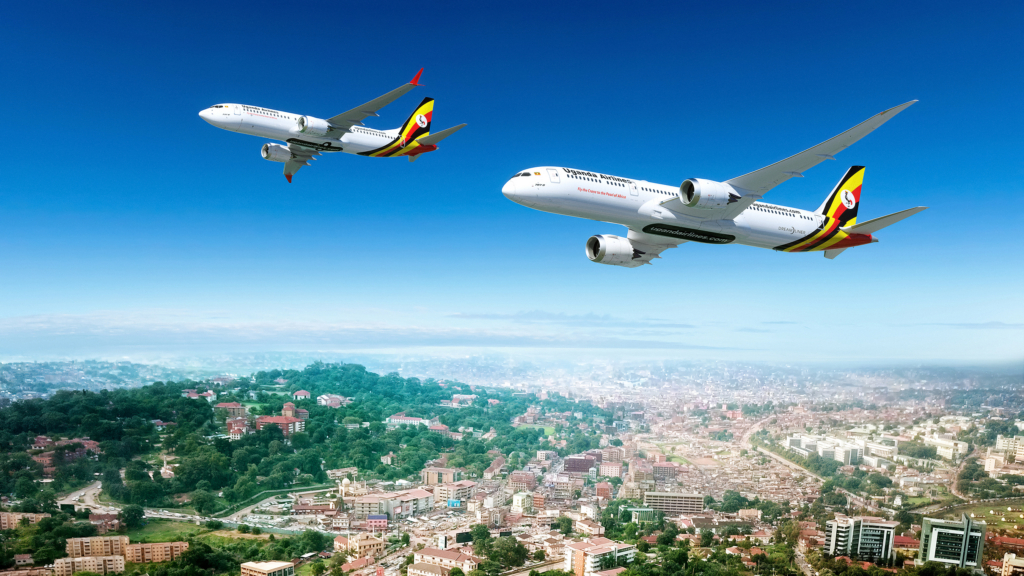
- Eight aircraft (four 737 MAX 8s and four 787-9s) from Uganda Airlines
- Five 777-8 Freighters for MSC Air Cargo
- Two 737-10s from Luxair
- Philippine Airlines commitment for 15 Boeing 787-10s with opportunities for five more
Those deals produced:
- 134 narrowbody aircraft
- 52 widebody aircraft
- 186 firm aircraft orders
Airbus backed by strategic customers
Airbus announced fewer aircraft overall, but still secured several strategically significant deals.
Its largest commitment was a mirror-image 100-aircraft A320neo family order from SMBC Aviation Capital, matching Boeing’s biggest order aircraft-for-aircraft.
Announcements included:
- 25 aircraft (20 A321neo and five A330neo) for flynas
- 100 additional A320neo family aircraft for SMBC Aviation Capital
- 10 A220-300s for BermudAir
- Four A320neo family aircraft for Shohin Airlines
- Six A350-1000s for Riyadh Air
- Nine A350-1000s under an MoU with Philippine Airlines

That produced:
- 127 narrowbody aircraft
- 30 firm widebody aircraft
- 157 firm aircraft orders (166 including the Philippine Airlines MoU)
Airbus vs Boeing at Farnborough: by the numbers
Boeing comes out as the winner with firm orders for 186 aircraft, compared to Airbus’ 157 firm orders. In narrowbody aircraft, Boeing took the lead with seven aircraft and in widebody Boeing was 22 aircraft ahead of its European rival.
The largest deal announced at the Farnborough International Airshow evened the field with SMBC Aviation Capital splitting its order for narrowbodies between 100 Boeing 737 MAX and 100 Airbus A320neo family aircraft.
| Manufacturer | Narrowbody | Widebody | Firm Total | Including MoUs / Commitments* |
|---|---|---|---|---|
| Airbus | 127 | 30 | 157 | 166 |
| Boeing | 134 | 52 | 186 | 206 |
| Lead | Boeing +7 | Boeing +22 | Boeing +29 | Boeing +40 |
*Airbus figure includes Philippine Airlines’ Memorandum of Understanding for nine A350-1000s. Boeing figure includes Philippine Airlines’ commitment for up to 20 Boeing 787 Dreamliners (15 firm commitments plus five purchase rights announced as an opportunity to purchase).
The narrowbody battle was close
Perhaps the most striking statistic was how evenly matched the manufacturers remained in the single-aisle market.
Boeing’s advantage in narrowbodies amounted to just seven aircraft, largely thanks to its 100-aircraft SMBC Aviation Capital order and Uganda Airlines’ purchase of four 737 MAX 8s.
Widebodies gave Boeing the edge
The bigger difference came in long-haul aircraft.
Boeing accumulated 52 firm widebody orders, compared with 30 for Airbus, boosted by AerCap’s 15 Dreamliners, Riyadh Air’s additional 28 787s, Uganda Airlines’ four 787-9s and MSC Air Cargo’s five 777-8 Freighters.

Airbus relied primarily on Riyadh Air’s six additional A350-1000s and flynas’ five A330-900s, while Philippine Airlines signed only a memorandum of understanding rather than a firm contract.
Who really won Farnborough?
Measured purely by aircraft sold during the show, Boeing won the Farnborough International Airshow this year.
However, both Airbus and Boeing already have production sold out for years, with combined order backlogs approaching 17,000 aircraft.
The show reinforced airline confidence in both manufacturers, particularly in fuel-efficient single-aisle aircraft, with sustained demand for next-generation widebodies despite scarce delivery slots.
With demand secured, the emphasis of both manufacturers is shifting from generating headline orders to increasing production while managing persistent supply-chain constraints.
Sign up for our newsletter and get our latest content in your inbox.




More from


September 21, 20263 min read


