


New tally of India’s Rafale fighters revives dispute over losses in clashes with Pakistan

7 min read


A new international military aircraft directory has listed just 32 of the Indian Air Force’s 36 Dassault Rafale fighters as active, reigniting the dispute over aircraft losses during India’s brief but intense military confrontation with neighbouring Pakistan in May 2025.
The figure, published in FlightGlobal’s World Air Forces 2027 directory, is three fewer than the 35 Rafales recorded in its previous edition, released after Operation Sindoor. It is also four below the 36 aircraft India received from France under a 2016 agreement.

The revised count has drawn a strong response from retired Air Marshal Narmdeshwar Tiwari, who served as Vice Chief of the Air Staff during the conflict. Indian defence ministry officials have also questioned the figures, saying they were not supplied by the government or the Indian Air Force (IAF).
The directory, compiled using aviation data company Cirium’s military fleet database, does not identify the Rafales excluded from its latest active inventory or explain why their status has changed.
“Crucially, a reduction in an aircraft directory’s active fleet count is not, by itself, evidence that the missing aircraft were shot down,” A New Delhi-based defence analyst, who didn’t wish to be named, told AGN.
Former IAF vice chief challenges FlightGlobal figures
Meanwhile, the former vice chief Tiwari rejected the assessment in a social media post, calling it “patently false” and questioning the reliability of the information behind it.
“FlightGlobal should re-evaluate their sources,” he wrote.
The retired officer said aircraft previously identified by some sources as having been destroyed during Operation Sindoor had subsequently appeared in flying exercises, including international deployments.
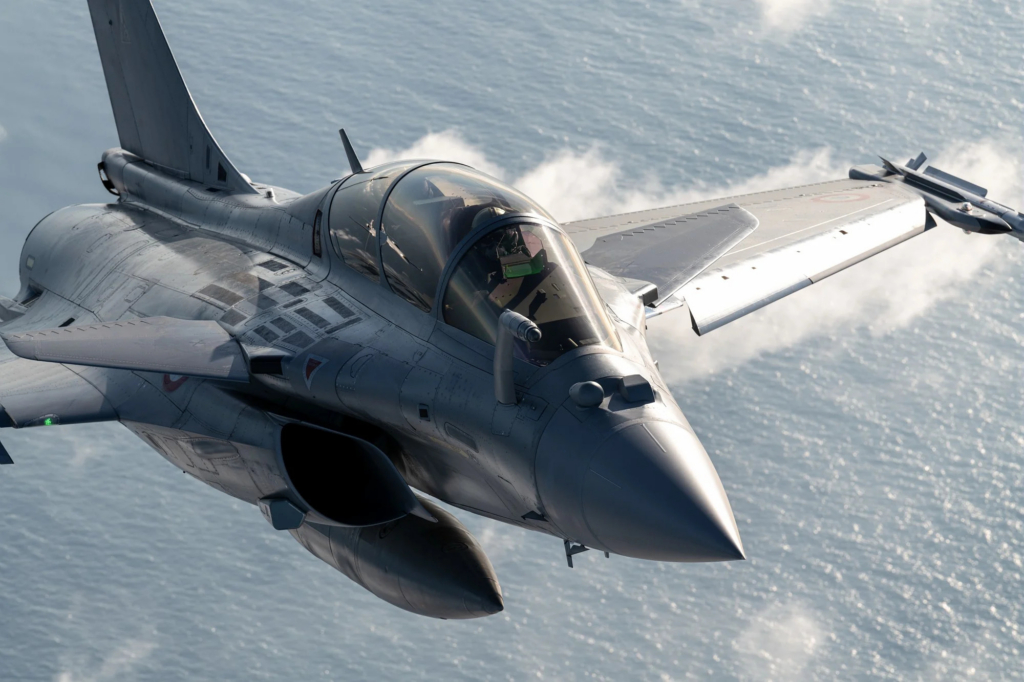
“The same sources gave specific tail numbers, which since have been flying in various exercises including international ones,” he said.
Tiwari’s comments challenge the credibility of earlier reports about specific Rafale losses. They do not, however, establish which individual aircraft Cirium has excluded from its latest inventory.
Indian defence officials question the assessment
According to The Hindu, senior Indian defence ministry officials have questioned the accuracy of FlightGlobal’s figures, pointing out that neither the ministry nor the IAF supplied the data.
One official cited an IAF tender issued in June 2026 seeking interim technical and logistical support for all 36 Rafale fighters.
The tender covers maintenance and support requirements for the aircraft originally acquired from France.
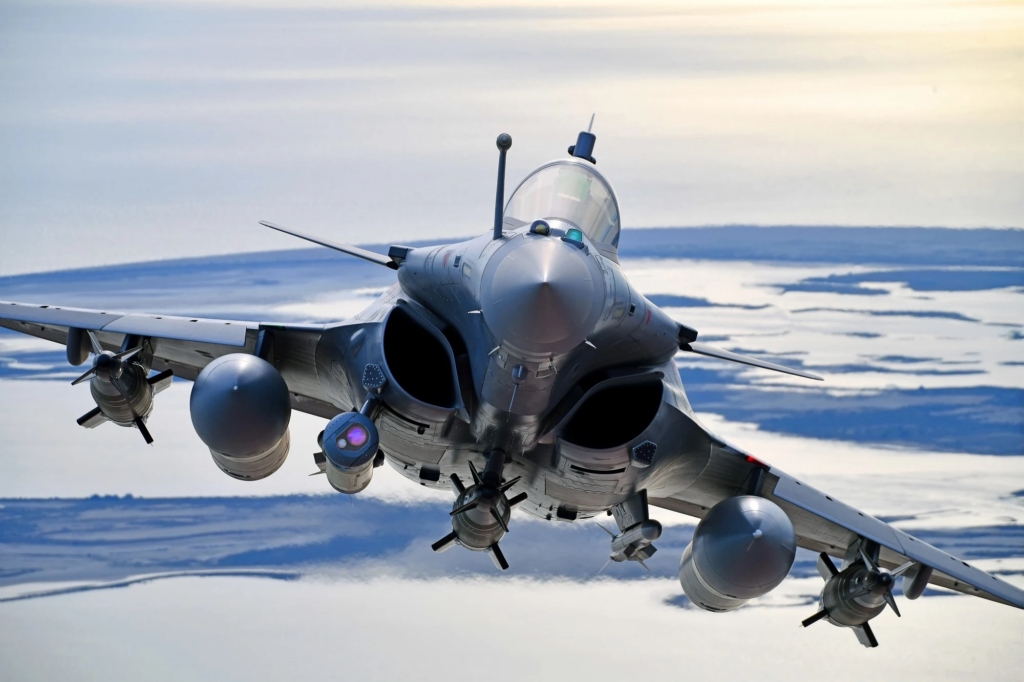
It provides evidence that the IAF continued to plan support around a 36-aircraft fleet. It does not independently establish that every Rafale was airworthy or operational when the tender was issued.
No formal IAF statement has been released confirming the exact number of Rafales currently in active service.
FlightGlobal has also not publicly explained whether the reduction reflects combat losses, aircraft undergoing maintenance, long-term repairs or another change in its fleet classification.
What does the FlightGlobal directory actually show?
The latest directory lists 32 aircraft under the Indian Air Force’s Rafale DH/EH entry.
India’s original acquisition comprised 28 single-seat Rafale EH fighters and eight twin-seat Rafale DH aircraft.
The previous edition, published in November 2025, listed 35 Rafales as active. The new figure therefore represents a reduction of three aircraft between the two editions, rather than evidence of three additional losses during the intervening year.

FlightGlobal’s inventory is based on data from Cirium, which tracks aircraft fleets using available information, including sightings, flight records and defence reporting.
Such inventories are useful for comparing military fleets, but their active-aircraft classifications are not equivalent to an official declaration of aircraft losses.
An aircraft undergoing prolonged maintenance, repairs or upgrades may not necessarily appear in an active inventory. Equally, a reduction could reflect an aircraft that has been permanently withdrawn.
The directory has also reduced its estimate of Pakistan’s Saab 2000 Erieye airborne early warning and control aircraft from nine to seven.
That revision has attracted attention because India claimed to have destroyed Pakistani surveillance aircraft during Operation Sindoor.
However, the directory does not identify the missing Pakistani aircraft or link their absence to the May 2025 fighting.
Neither revision independently verifies the opposing countries’ claims about combat losses.
Operation Sindoor and the disputed Rafale losses
The controversy dates back to the military confrontation that followed the 22 April 2025 terrorist attack in Pahalgam, in Kashmir, in which 26 people were killed.
India launched Operation Sindoor during the night of 6–7 May, striking nine locations it identified as terrorist infrastructure in Pakistan and Pakistan-occupied Kashmir.
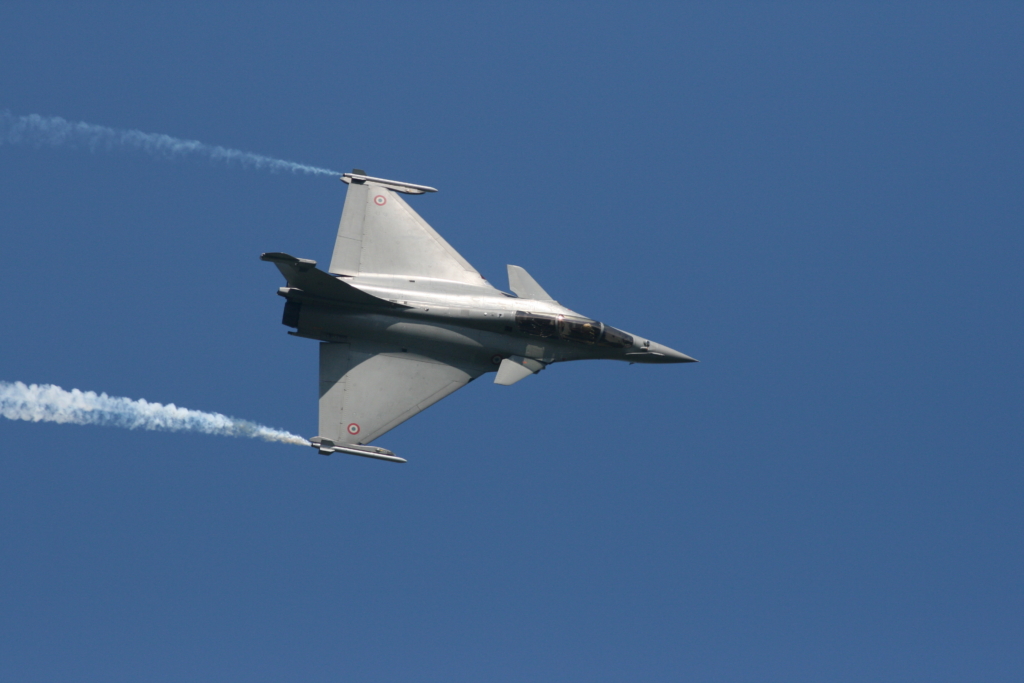
The strikes triggered several days of aerial engagements, missile attacks and exchanges between the two nuclear-armed neighbours before hostilities ended on 10 May.
Pakistan claimed to have shot down several Indian fighters, including Rafales, during the initial engagements.
The number of aircraft claimed by Pakistani officials subsequently varied, with some accounts alleging three Rafale losses and others putting India’s total fighter losses higher.
Reuters reported in August 2025 that Indian officials had underestimated the effective range of Pakistan’s Chinese-made PL-15 air-to-air missile, carried by the Chengdu J-10C fighter.
According to that account, a Rafale was brought down during a long-range engagement after Indian planners misjudged the missile’s capabilities.
Aerospace Global News reported those findings at the time, while noting the dispute over the number of Rafales allegedly destroyed.
French military assessments have also pointed to Indian aircraft losses. French Air Force Chief General Jerome Bellanger has been reported as identifying evidence consistent with three Indian losses, comprising a Rafale, a Su-30MKI and a Mirage 2000.
These accounts differ substantially from Pakistan’s claims of multiple Rafale shootdowns.
What Indian military leaders said about aircraft losses
Senior Indian military officers have acknowledged losses during Operation Sindoor without specifying the number or aircraft types.
Former Chief of Defence Staff General Anil Chauhan acknowledged that India suffered aircraft losses but rejected Pakistan’s higher claims, stressing that the important issue was how the military responded and adapted its operations.
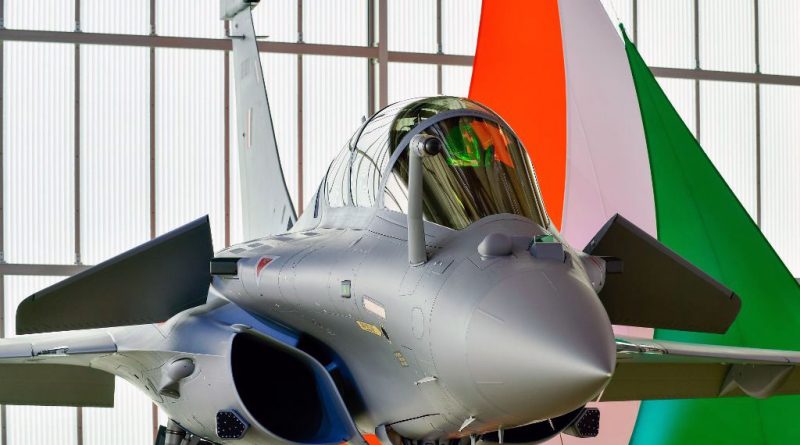
Air Marshal A K Bharti, then Director General of Air Operations, also acknowledged the risks of aerial warfare. “Losses are a part of combat,” he said during a briefing after the fighting.
In October 2025, then Air Chief Marshal A P Singh addressed Pakistan’s claims while discussing the results of the operation. “If they think they downed our 15 jets, I hope they are convinced about it and will cater for 15 less aircraft in my inventory when they come to fight again,” he said.
Singh’s remarks, previously reported by Aerospace Global News, were a rejection of Pakistan’s claims about the scale of India’s losses. They did not constitute a detailed accounting of the IAF’s aircraft casualties.
The then air chief also presented India’s assessment of Pakistani losses.
Speaking in August 2025, Singh claimed that Indian S-400 air defence systems had shot down five Pakistani fighter aircraft and a large surveillance platform, possibly an airborne early warning and control or electronic intelligence aircraft.
In a subsequent October address, he described further damage to Pakistani aircraft and military infrastructure, including fighters, hangars, radar installations and command facilities.
Pakistan rejected India’s account. Defence Minister Khawaja Asif said at the time that not a single Pakistani aircraft had been destroyed by India.
The opposing claims have never been fully reconciled through independently verified public evidence.
Dassault rejected claims of multiple Rafale shootdowns
The controversy also drew a response from Dassault Aviation, the French manufacturer of the Rafale.
In June 2025, Dassault Chairman and Chief Executive Eric Trappier disputed Pakistan’s claims that three Indian Rafales had been shot down.
In an interview with French magazine Challenges, Trappier described the claim as “factually incorrect”.
He said Dassault had received no official communication from the IAF confirming such losses.
The manufacturer nevertheless stopped short of providing a complete public accounting of India’s aircraft casualties.
“We will see if there were losses or not, and if the war aims were achieved. When the truth comes out, some may have surprises,” Trappier said.
The dispute also extended beyond the battlefield.
In July 2025, Aerospace Global News reported allegations from French intelligence that Chinese diplomatic and defence representatives had attempted to undermine the Rafale’s reputation following the India-Pakistan clashes.
According to those allegations, the campaign included manipulated images, fabricated crash material and social media content promoting Chinese military aircraft. Beijing rejected the allegations.
India continues to expand its Rafale fleet
The latest controversy comes as India pursues a much larger Rafale fleet.
The country signed an agreement with France in April 2025 to acquire 26 Rafale Marine fighters for the Indian Navy. These aircraft are intended for carrier operations and are separate from the IAF’s original 36-aircraft fleet.

India is also pursuing the acquisition of 114 additional Rafale fighters for the Air Force, a programme that could substantially increase the type’s presence in Indian service.
The existing Rafales form two IAF squadrons, based at Ambala in northern India and Hasimara in the east.
The aircraft is one of the IAF’s most capable multirole fighters, equipped for air defence and long-range strike missions.
Sign up for our newsletter and get our latest content in your inbox.