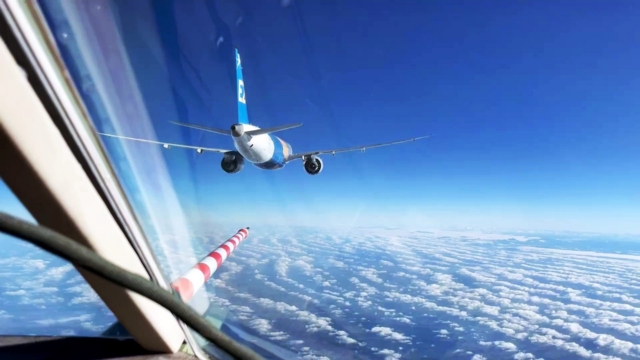


Could GCAP fighter really be the RAF’s last crewed combat jet?

2 min read
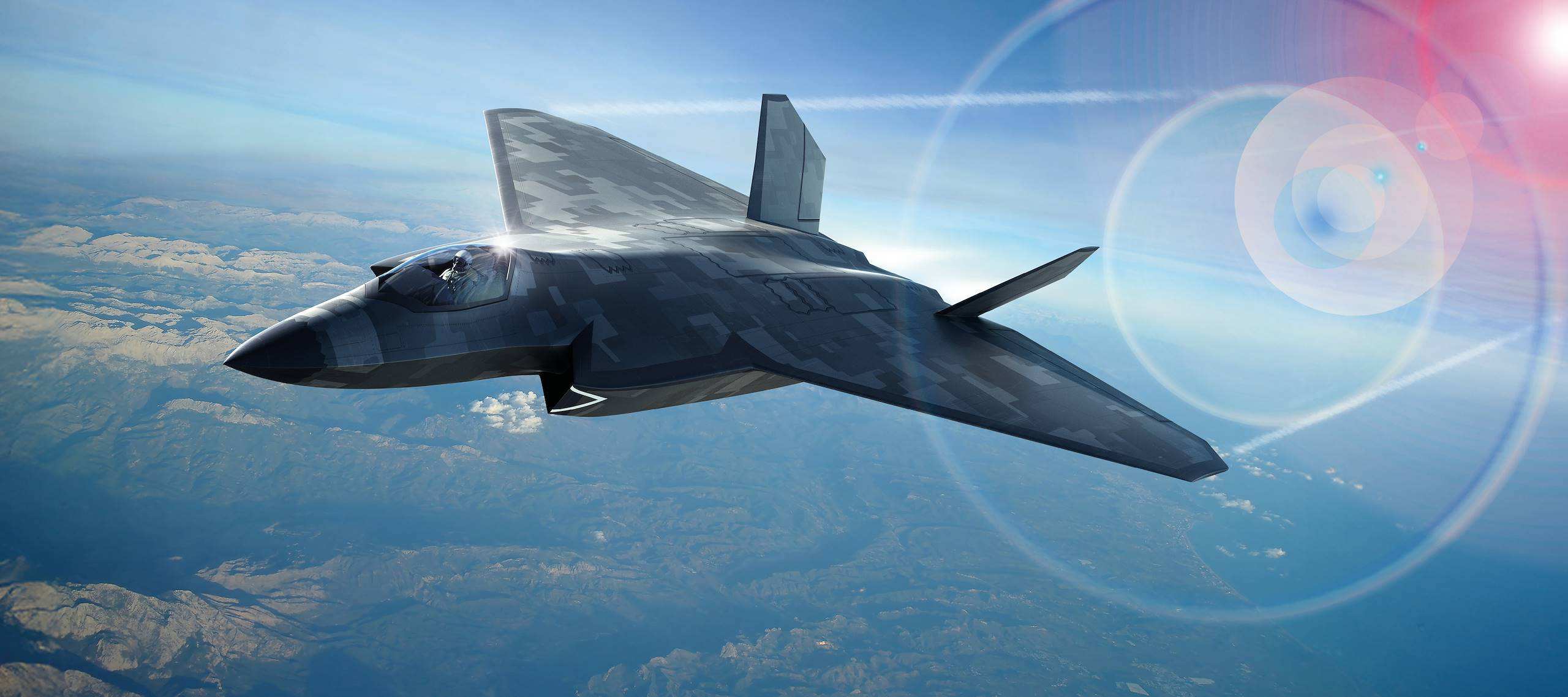

Air Chief Marshal Sir Harv Smyth has suggested that the Tempest fighter being developed under the Global Combat Air Programme (GCAP) could be the final crewed combat aircraft built for the Royal Air Force.
Speaking about the growing role of artificial intelligence and autonomous systems, the head of the RAF argued that uncrewed aircraft will “transform military aviation as profoundly as the shift from propellers to jets”.
Smyth’s comments in The Telegraph come as the UK accelerates investment in collaborative combat aircraft (CCAs), including BAE Systems’ Brontanax demonstrator.
RAF’s Air Chief Marshal says GCAP/Tempest could be last crewed fighter
Smyth said: “Used properly, AI and machines will tackle the most dangerous tasks instead of humans, but technology must enhance human judgment, not replace accountability.”
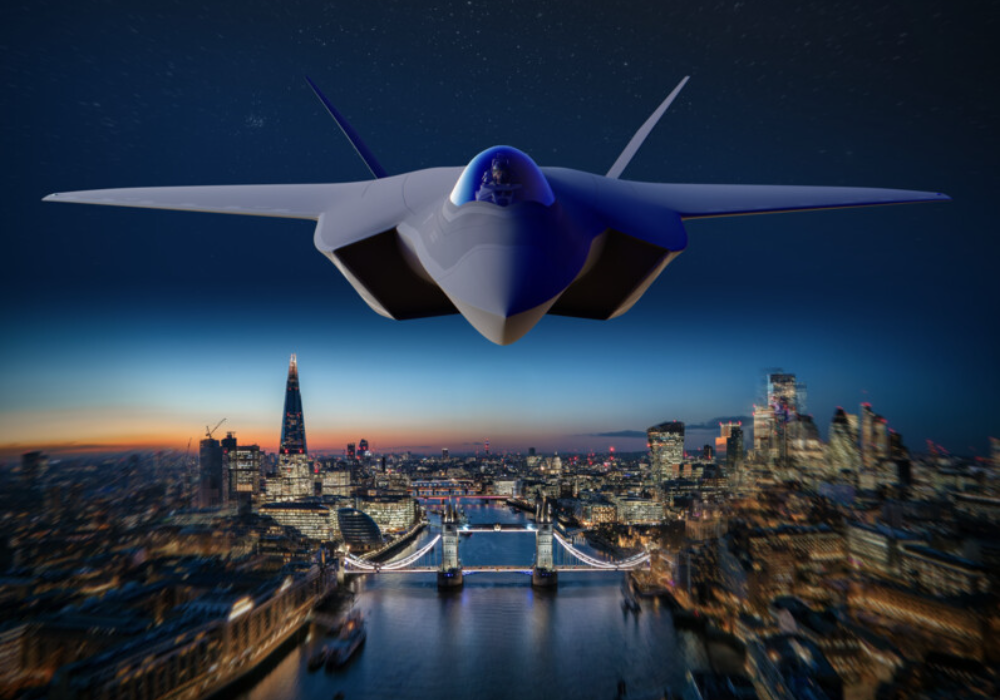
The future RAF is set to combine Typhoon and F-35s with a mix of autonomous systems, with Tempest acting as a command-and-control node for teams of uncrewed aircraft carrying sensors, electronic warfare payloads and weapons.
Smyth also revealed that uncrewed fighter aircraft are expected to begin flying in UK airspace next year.
He says, “The GCAP jet is perhaps the last crewed fighter we will ever build, not because people will become less important, quite the opposite.”
The development of autonomous collaborative combat aircraft (CCAs)
The UK’s move towards autonomous air power is taking shape through the StormShroud and Storm Fighter programmes – with the latter intended to deliver a sovereign collaborative combat aircraft capability.
The UK Government published its Defence Investment Plan earlier in 2026, in which it confirmed a £300m commitment to the Storm Fighter sovereign autonomous CCA programme.
Brontanax was unveiled by BAE Systems at the 2026 Farnborough International Airshow as its pitch to be the UK’s first uncrewed autonomous CCA.

BAE claims, “It is designed to extend combat mass for armed forces by complementing existing and future crewed aircraft, delivering additional frontline capability at a lower cost.”
BAE is currently planning to carry out ground trials in the first half of 2027 and its maiden flight in the second half of 2027. It is targeting initial operational capability before 2030.
Sign up for our newsletter and get our latest content in your inbox.