Helsing unveils electronic warfare variant of CA-1 Europa combat drone

3 min read
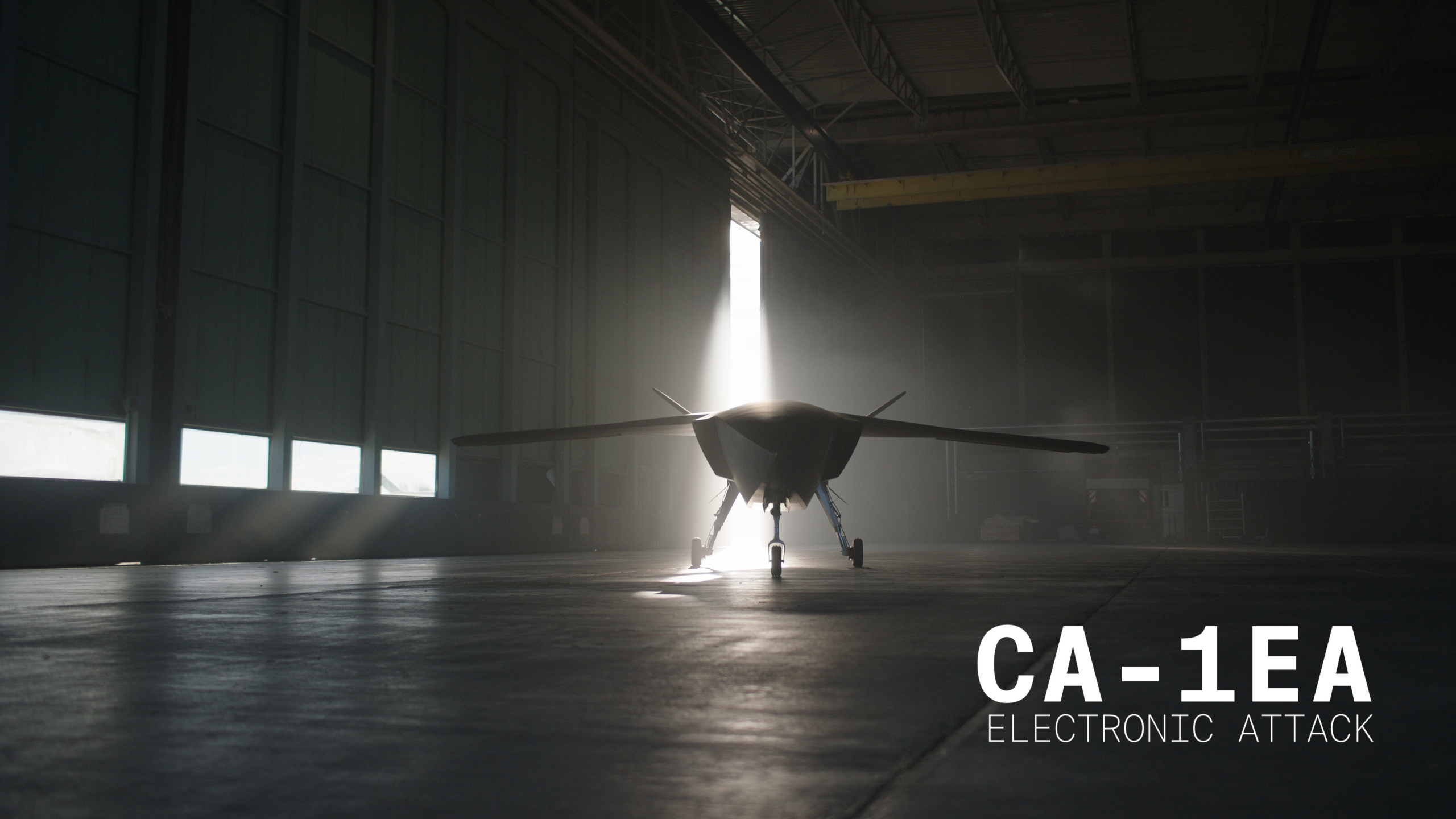
Helsing has revealed it is producing an electronic warfare variant of its promising CA-1 Europa autonomous combat aircraft. The first flight of the CA-1 Europa drone is planned for next year, with entry into service expected in 2029.
Helsing and Hensoldt bring electronic attack to CA-1 Europa
Helsing and Hensoldt announced their partnership earlier in 2026, confirming that their first joint product would centre on Helsing’s AI-supported autonomous combat aircraft, the CA-1 Europa.
Europe requires sovereign electronic warfare capabilities. Unveiling CA-1EA, an autonomous electronic attack variant of the CA-1 Europa. #ILABerlinhttps://t.co/J9H8OpHKnW pic.twitter.com/mcVC1yqpT9
— Helsing (@HelsingAI) June 10, 2026
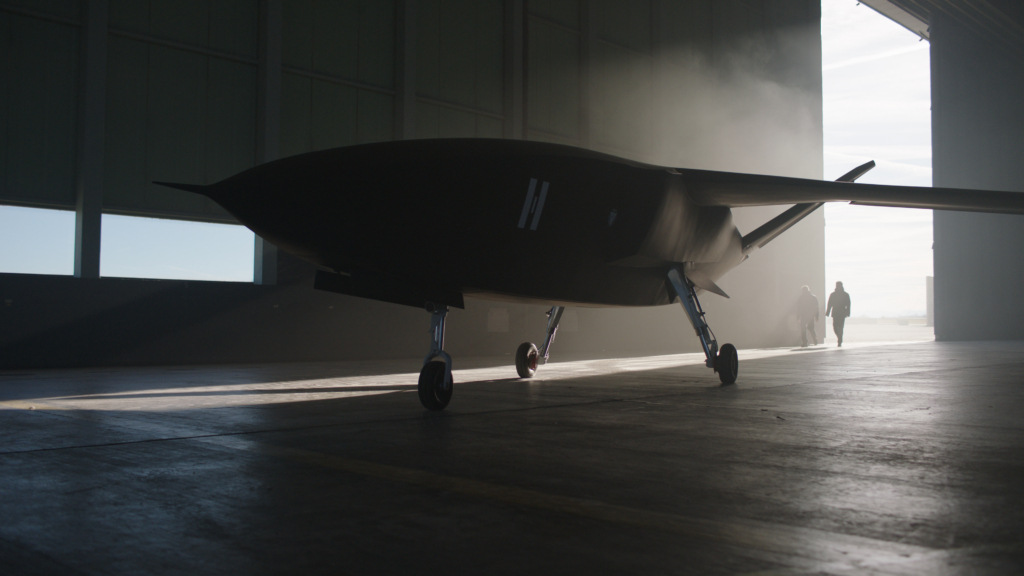
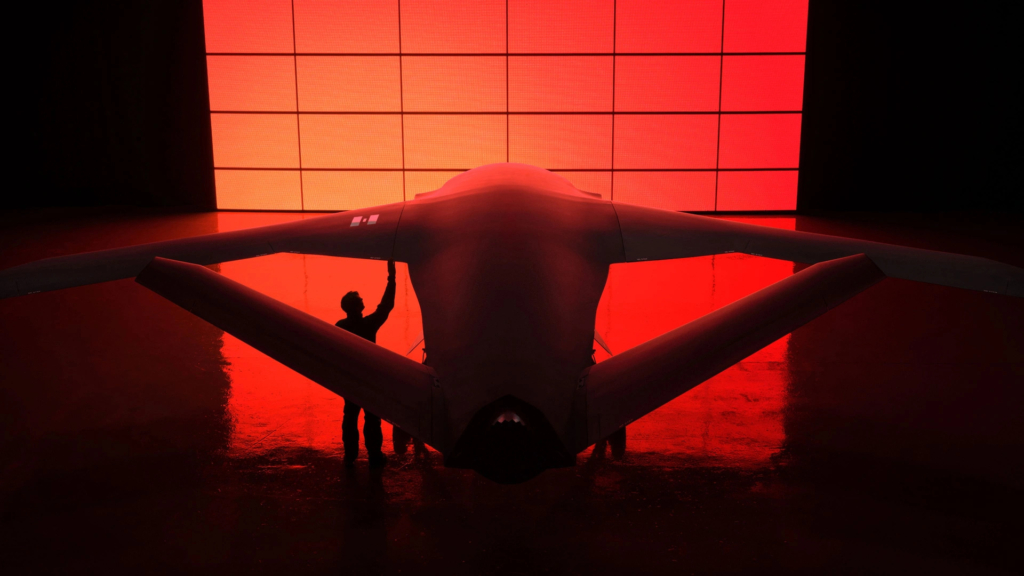
The CA-1 Electronic Attack, or CA-1EA, was unveiled at ILA Berlin. Helsing describes the aircraft as an AI-powered autonomous platform designed specifically for electronic warfare missions.
The new variant expands the CA-1 Europa family, which is being developed as an autonomous combat aircraft. The kinetic attack version of the aircraft will now be designated CA-1KA.
The aircraft is being manufactured by Helsing’s subsidiary Grob Aircraft, best known for its trainer aircraft.
Helsing is providing its Centaur AI agent, while Hensoldt is contributing its MDOcore, or Multi-Domain Operations Core, software suite. MDOcore provides the digital backbone for multi-domain data fusion, networking and coordination.
Get the latest aerospace defence news here on AGN.
Same CA-1 autonomous aircraft, different payload
The CA-1KA and CA-1EA will share the same airframe, propulsion system, autonomy software suite and ground control infrastructure. The key difference will be the payload, allowing Helsing to tailor the aircraft for different European air force requirements.
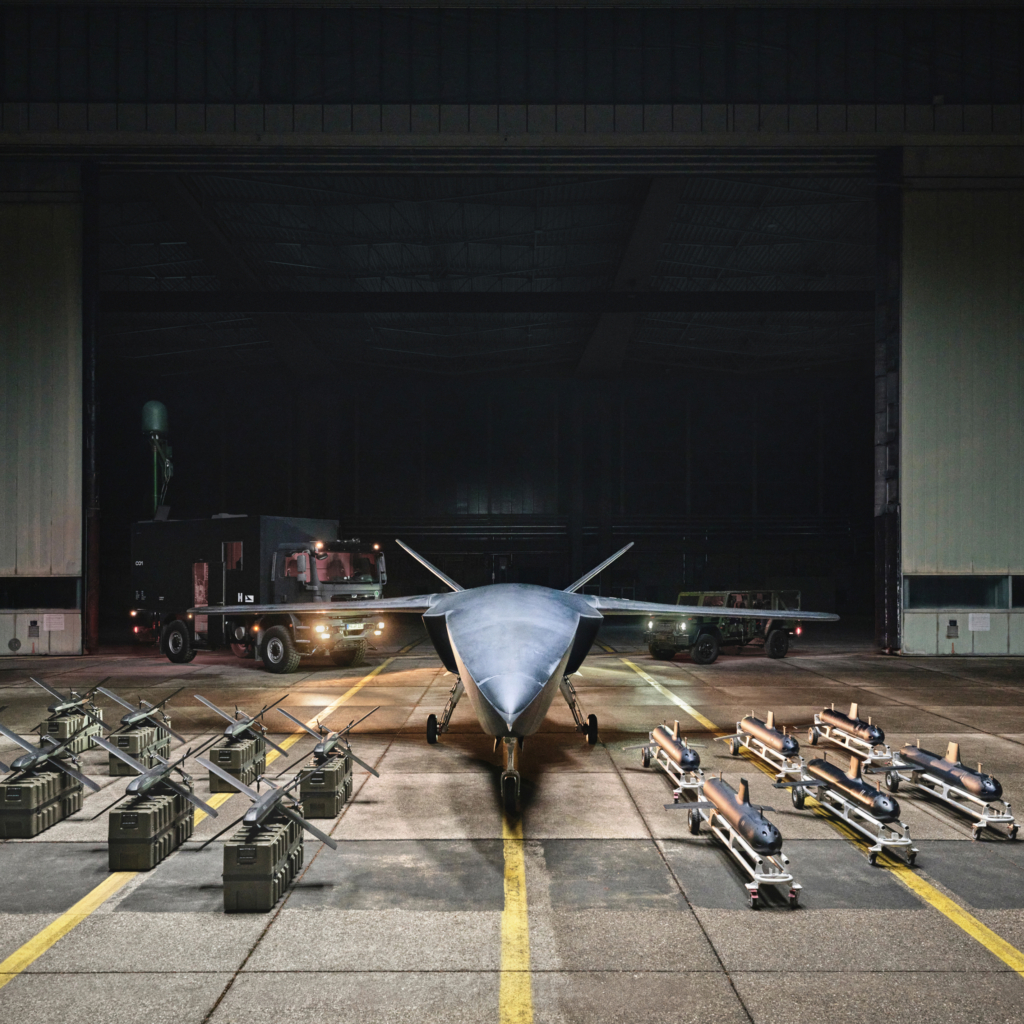
It remains unclear whether operators will be able to swap payloads and reconfigure the aircraft between roles.
The common platform approach is intended to keep production and maintenance costs low, while also simplifying training and manufacturing.
The first flights of the CA-1 Europa attack variant are expected in early 2027. Initial Operating Capability is scheduled for 2029 for the CA-1KA kinetic attack variant, followed by the CA-1EA electronic attack variant in 2031.
AGN has previously reported that the German Air Force has an urgent requirement for 400 “Jagdbomberdrohne,” or “fighter-bomber-drones,” to enter service by 2029. Fully collaborative combat aircraft will be developed at a later date.
CA-1 Europa could support Germany’s fighter-bomber drone push
Europe is widely seen as lagging behind the United States in loyal wingman and Collaborative Combat Aircraft development. Anduril, General Atomics and Kratos have all announced partnerships to build variants of their uncrewed aircraft in Europe.
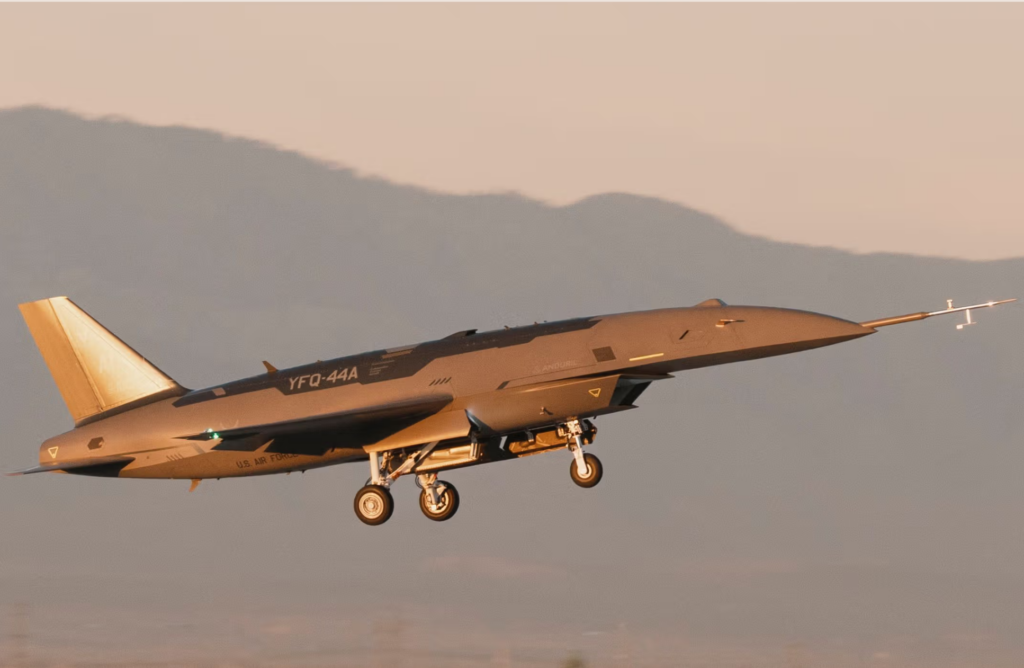
However, the CA-1 Europa is regarded as one of the more promising higher-end European combat air vehicles currently in development. It is also one of the few projects in this category able to claim a largely European industrial base.
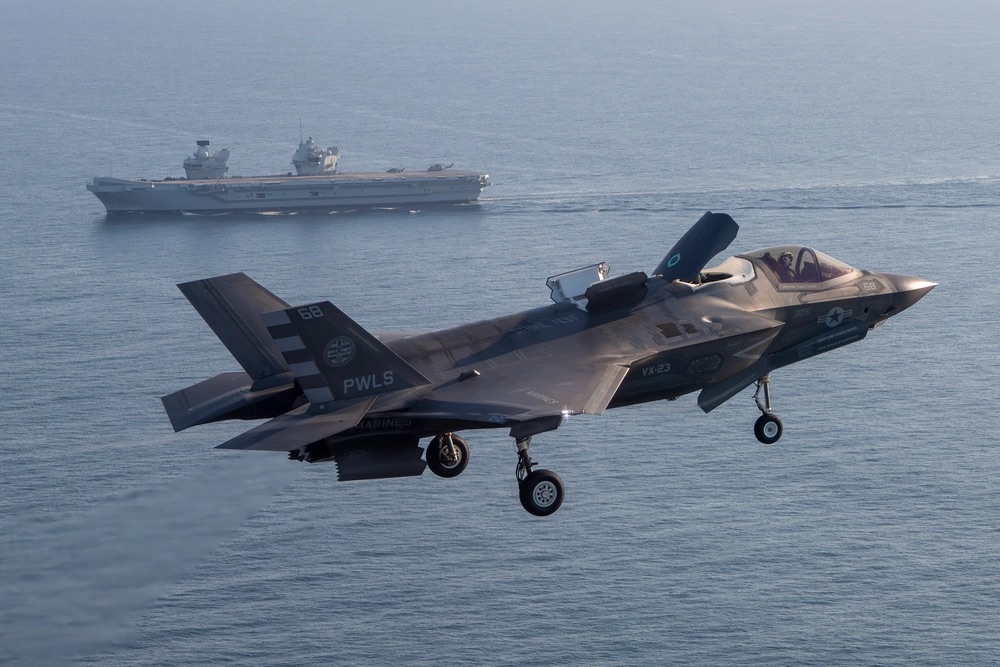
The United States also has a clear lead in dedicated electronic warfare aircraft. The US Navy operates the EA-18G Growler, while the US Air Force has the EA-37B Compass Call. The F-35 has also been designed with significant electronic warfare capabilities.
Helsing says adversary forces use radar systems to locate and target combat aircraft, with the CA-1EA designed to jam hostile ground systems from the air and help create safer corridors for aircraft operating behind it.
The company says the CA-1EA is not designed to protect only one type of aircraft. Instead, it could operate alongside a range of crewed and uncrewed platforms, including other CA-1 Europa aircraft.
CA-1EA joins Europe’s race for sovereign combat drones
The CA-1EA was not the only autonomous combat aircraft concept on show at ILA Berlin. Boeing Australia, in partnership with Rheinmetall, pitched the MQ-28 Ghost Bat, while Airbus unveiled the U760 Ravenstorm and U740 Valkyrie. The latter is being developed in partnership with Kratos.
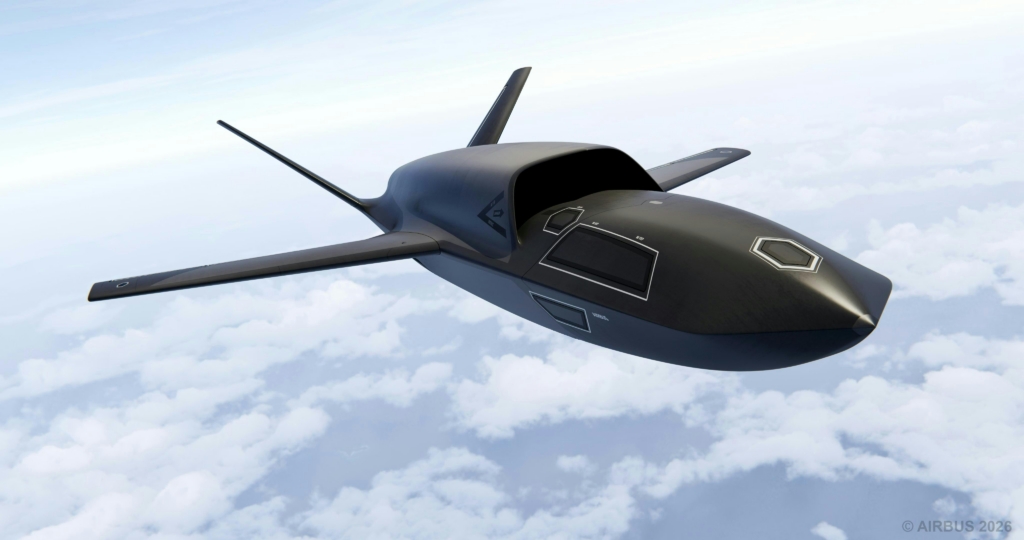
Airbus is pitching the U760 Ravenstorm as a fully sovereign European design, in contrast to the “Europeanised” U740 Valkyrie.
Featured image: Helsing