


Airbus and Boeing now have 12 years of aircraft orders waiting to be built

5 min read

Airbus and Boeing now have around 12 years of aircraft production sitting in their order books after a sharp rebound in April demand pushed the global commercial aircraft backlog to a new record high.
The latest commercial aircraft orders and deliveries data from ADS shows that 16,683 aircraft were on backlog order at the end of April 2026, up 5% year-on-year and the highest figure ever recorded by the UK trade association.
ADS estimates that, at current projected production rates, the backlog represents approximately 12 years’ worth of work for the global aerospace industry. It could also be worth between £335 billion and £385 billion to the UK economy.
The backlog milestone followed a strong month for commercial aircraft orders. A total of 164 aircraft were ordered in April 2026, the highest April figure since 2016 and a 763% increase on the 19 aircraft ordered in the same month last year.
| Aircraft category | Period | Gross orders | Deliveries | Backlog |
|---|---|---|---|---|
| Narrowbody | April 2026 | 70 | 95 | 13,572 |
| April 2025 | 9 | 81 | 13,372 | |
| % change | 678% | 17% | 1% | |
| Widebody | April 2026 | 94 | 20 | 3,111 |
| April 2025 | 10 | 21 | 2,499 | |
| % change | 840% | -5% | 24% | |
| Total | April 2026 | 164 | 115 | 16,683 |
| April 2025 | 19 | 102 | 15,871 | |
| % change | 763% | 13% | 5% |
Source: ADS Group Commercial Aerospace Market Information. Gross orders and backlog cover Airbus and Boeing commercial aircraft. Deliveries include Airbus, Boeing and Comac aircraft.
Year-to-date orders have also strengthened. ADS said 733 aircraft were ordered in the first four months of 2026, 36% ahead of the same period in 2025.
The figures underline the resilience of commercial aircraft demand despite wider geopolitical and macroeconomic instability. Yet they also point to one of the industry’s central challenges: airlines still want aircraft faster than manufacturers can deliver them.
Widebody aircraft orders surge as long-haul confidence returns
The most notable shift in the April data was the return of widebody demand.
ADS recorded 94 widebody aircraft orders during the month, an 840% increase on April 2025. That compares with 70 single-aisle orders during the same period.
The surge suggests renewed confidence in long-haul and high-capacity international travel, after several years in which narrowbody aircraft dominated much of the post-pandemic recovery story.
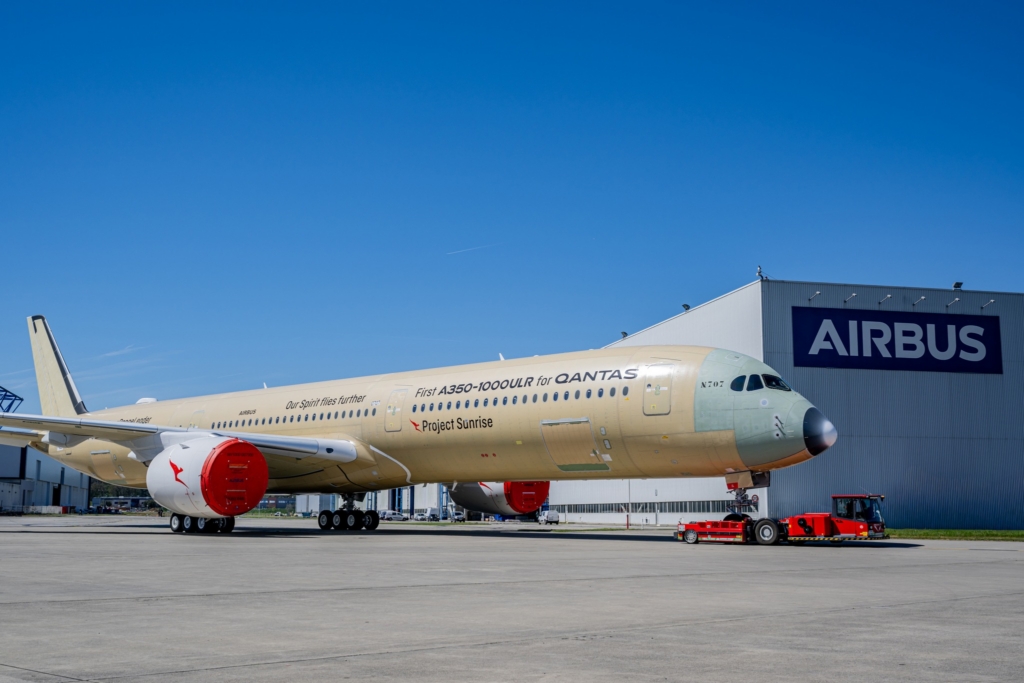
Single-aisle aircraft still account for the bulk of global aircraft activity. ADS said single-aisle types continue to represent between 70% and 85% of orders, deliveries and backlog, reflecting their central role in airline fleet renewal and network expansion.
However, the widebody rebound matters because those aircraft carry higher values, support long-haul network growth and drive significant demand through the engine, aerostructures and systems supply chain.
| Manufacturer | Aircraft type | Customer | April 2026 gross orders | Notes |
|---|---|---|---|---|
| Boeing | 737 MAX | Mostly unidentified customers | 57 | Largest Boeing order category in April |
| Boeing | 787 Dreamliner | Mostly unidentified customers | 51 | Part of a strong Boeing widebody month |
| Boeing | 777X | Unidentified customers | 28 | Orders placed while the aircraft remains in certification |
| Airbus | A350-900 | Undisclosed customer | 15 | Largest Airbus order entry in April |
| Airbus | A320neo | Scoot | 4 | Part of five A320 family aircraft ordered by Scoot |
| Airbus | A321neo | Scoot | 1 | Completes Scoot’s five-aircraft April order |
| Airbus | A321neo | Undisclosed customer | 6 | Additional A320neo family order activity |
| Airbus | A220-300 | Undisclosed customer | 2 | Separate from AirAsia’s 150-aircraft A220 order announced in May |
| Total April 2026 gross orders | 164 | 136 Boeing aircraft and 28 Airbus aircraft | ||
By the end of April, the widebody backlog stood at 3,111 aircraft, up 24% on the same point last year. The single-aisle backlog was much larger, at 13,572 aircraft, but grew by only 1% year-on-year.
That split suggests the industry’s order book is no longer simply being driven by narrowbody replacement demand. Long-haul aircraft are returning to the centre of the market.
Aircraft deliveries improve, but production still trails demand
Deliveries are also improving, although not at the same pace as orders.
ADS recorded 115 aircraft deliveries in April 2026, up 13% on April 2025 and the strongest April delivery performance since 2015.
The improvement was led by single-aisle aircraft, with 95 deliveries during the month, up 17% year-on-year. That points to continued efforts by manufacturers to raise narrowbody production rates as airlines wait for new-generation aircraft to replace older, less efficient fleets.
Year-to-date deliveries are also moving in the right direction. ADS said 376 aircraft were delivered between January and April 2026, the best performance for the first four months of a year since 2019.
However, the delivery picture remains more constrained than the order data suggests.
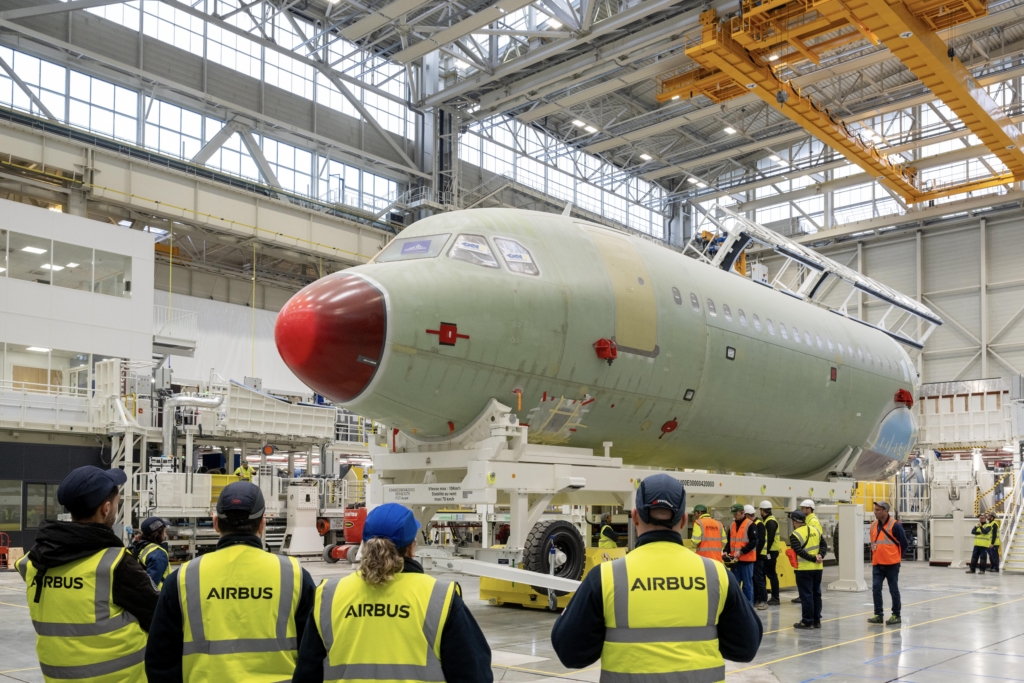
April deliveries were only 13 aircraft higher than in the same month last year, despite the sharp rise in orders. Widebody deliveries also fell slightly year-on-year, with 20 aircraft delivered in April 2026 compared with 21 in April 2025.
Across the industry, aircraft manufacturers continue to face pressure from supply chain constraints, engine availability, skilled labour shortages, certification demands and the challenge of increasing production rates without compromising quality.
The result is a growing gap between demand and near-term availability. For airlines, that can mean delayed fleet renewal, constrained route growth and longer use of older aircraft. For suppliers, it means long-term visibility, but also sustained pressure to raise output.
Can Airbus and Boeing turn 12 years of orders into deliveries?
The record backlog is both good news and a warning sign.
The underlying strength of commercial aviation demand is clear. Airlines are still ordering aircraft, cancellations are lower than last year, and both narrowbody and widebody programmes continue to support a large global production pipeline.
ADS said there have been 44 aircraft cancellations so far in 2026, 61% fewer than by April 2025.
However, a 12-year backlog raises a more difficult question: how quickly can manufacturers turn those orders into aircraft?
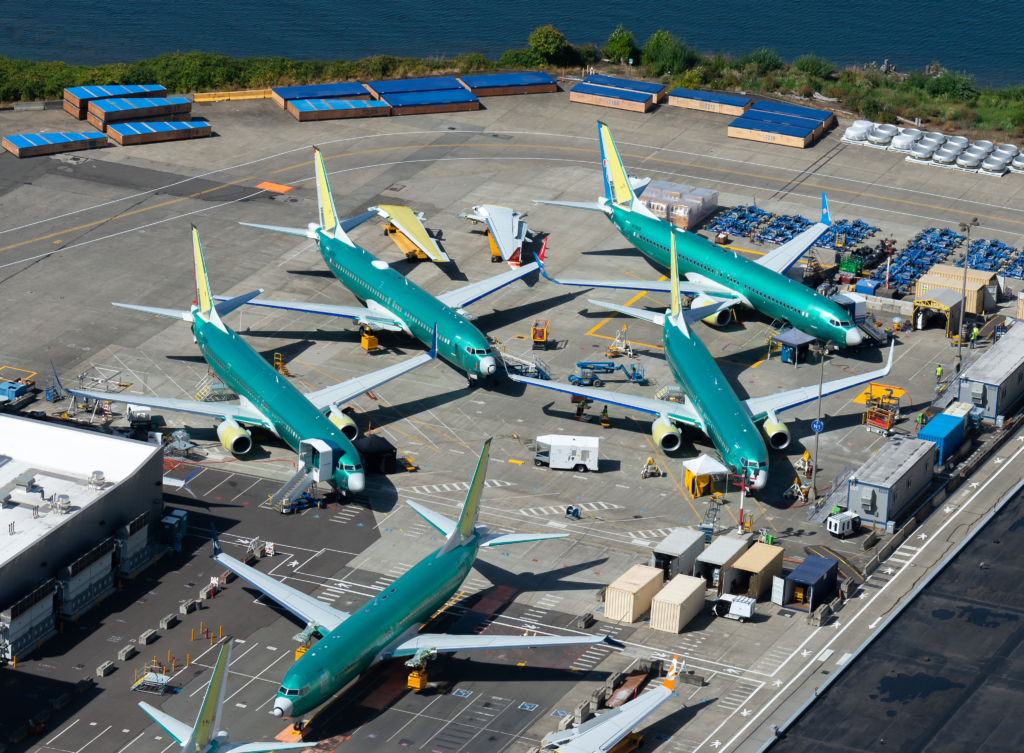
Both Airbus and Boeing are trying to raise output, but recent results show how uneven that recovery remains. Airbus delivered 114 commercial aircraft in Q1 2026, down from 136 a year earlier, as delivery delays hit revenue and cash flow.
The company has also pushed back its long-running target of reaching rate 75 on the A320 family, with CEO Guillaume Faury blaming Pratt & Whitney engine shortages for limiting deliveries and slowing the ramp-up.
Boeing’s position is improving but remains delicate. The US manufacturer delivered 143 aircraft in Q1 2026 and has been cleared to raise 737 MAX production from 42 to 47 aircraft per month, signalling progress after years of quality and production disruption.
However, Boeing Commercial Airplanes remained loss-making in the first quarter, and recent 737 MAX delivery delays over scratched wiring showed how even relatively small factory issues can ripple through delivery schedules.
ADS has not issued a formal aircraft delivery forecast for 2026, citing persistent geopolitical and macroeconomic uncertainty. The association said it would continue to review the outlook over the coming months.
For now, the direction of travel is clear. Airlines are ordering aircraft, widebody demand is strengthening, and deliveries are gradually improving. But with 16,683 aircraft already in the backlog, the next phase of the cycle will depend less on whether airlines want new aircraft and more on whether Airbus, Boeing and their suppliers can build them fast enough.
Featured image: Airbus


