Airbus vs Boeing orders and deliveries: Who’s winning 2026 so far?

3 min read
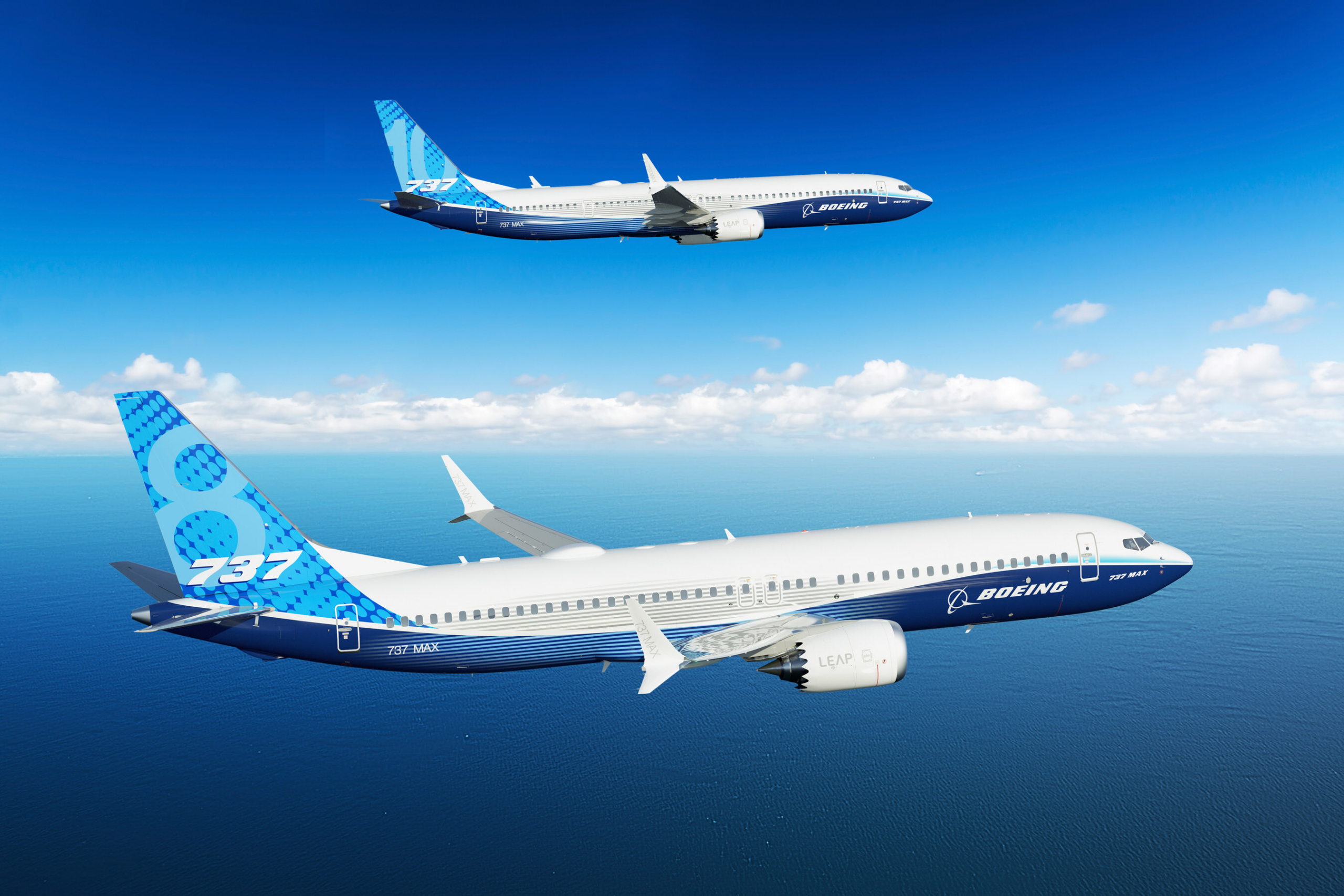
Boeing recorded its strongest April for aircraft orders in more than a decade, but Airbus remains ahead in the commercial aircraft race across 2026 so far.
The US planemaker secured 136 gross orders in April compared with 28 for Airbus, marking Boeing’s highest monthly order tally for the period in more than 10 years. Boeing has not enjoyed such a productive first four months of the year since 2014.
However, Airbus continues to lead the overall order battle for 2026.
Airbus leads Boeing on aircraft orders in 2026
Across the first four months of 2026, Airbus recorded 436 gross orders compared with Boeing’s 297.
After cancellations and conversions, Airbus stands at 405 net orders for the year to date, versus 284 for Boeing.
Boeing now has an order backlog of more than 6,000 aircraft across its 737, 767, 777 and 787 programmes, as the company continues rebuilding momentum following the 737 MAX crisis and the Covid-era downturn.
The figures suggest Boeing’s recovery is continuing, even if Airbus still holds a sizeable lead in total commercial sales activity so far this year.
Boeing edges Airbus on 2026 aircraft deliveries
While Airbus leads on orders, Boeing has delivered slightly more aircraft during the first four months of 2026.
Boeing handed over 47 aircraft in April, while Airbus delivered 67 aircraft to 39 customers during the same month.
Across the year-to-date, Boeing has delivered 190 aircraft compared with 181 for Airbus, spread across 57 customers.
Deliveries remain particularly important for both manufacturers because aircraft handovers trigger the bulk of final payments from airline and leasing customers.
For Boeing, maintaining delivery momentum is also critical as it attempts to stabilise production rates and restore confidence following years of manufacturing disruption and certification challenges.
New aircraft orders boost Airbus and Boeing sales battle
Both manufacturers have continued adding to their order books in May, with several major deals announced in recent days.
Last week, Scoot, the Singapore Airlines Group’s low-cost carrier, confirmed an order for 11 Airbus A320neo family aircraft. The agreement comprises a firm order for five aircraft of this type and the exercise of options for a further six under a 2014 agreement with Airbus.
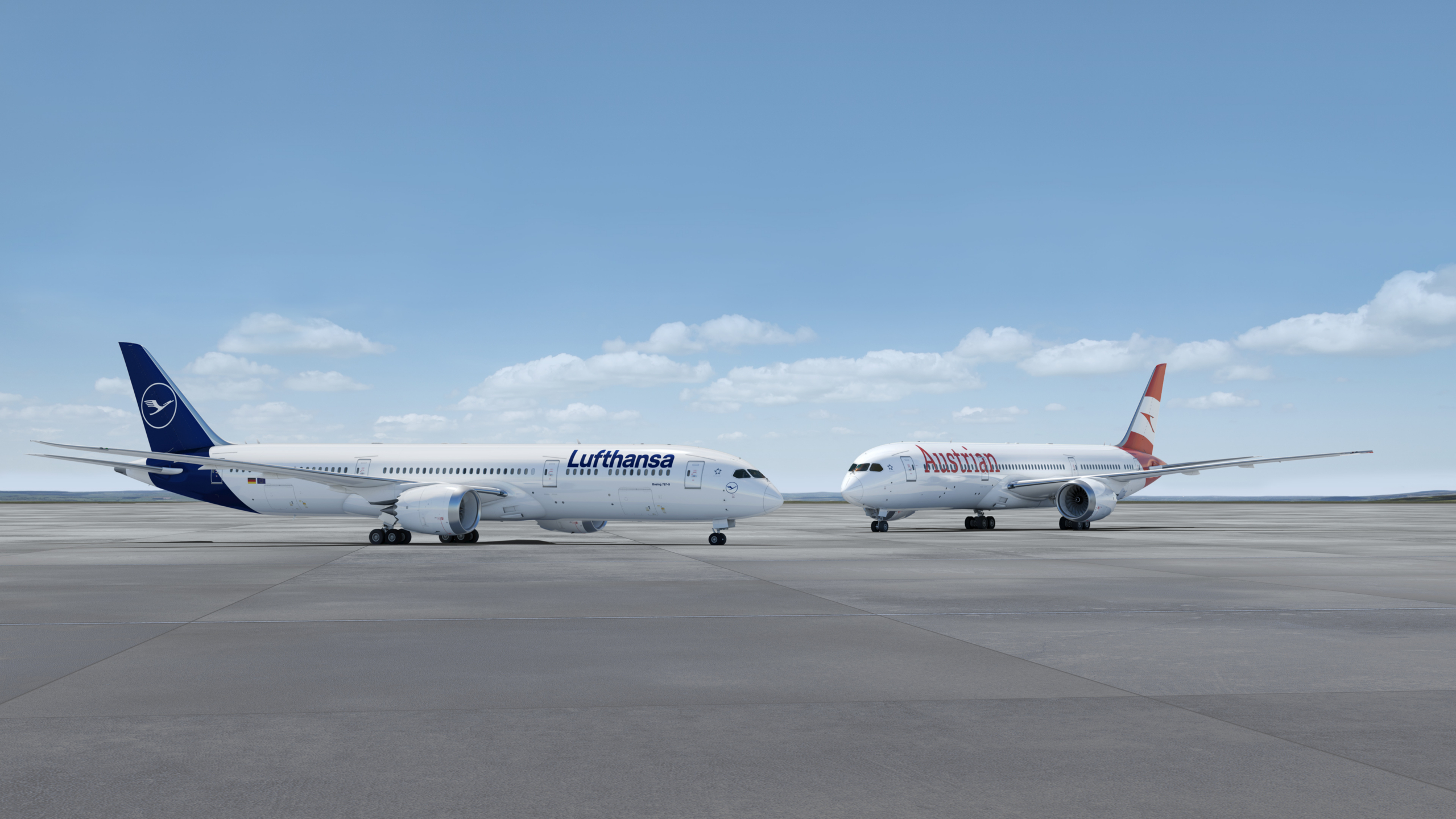
Lufthansa Group placed orders for 20 new twin-aisle aircraft: 10 Boeing 787-9s and 10 Airbus A350-900s, which will primarily be used to accelerate the group’s fleet replacement programme.
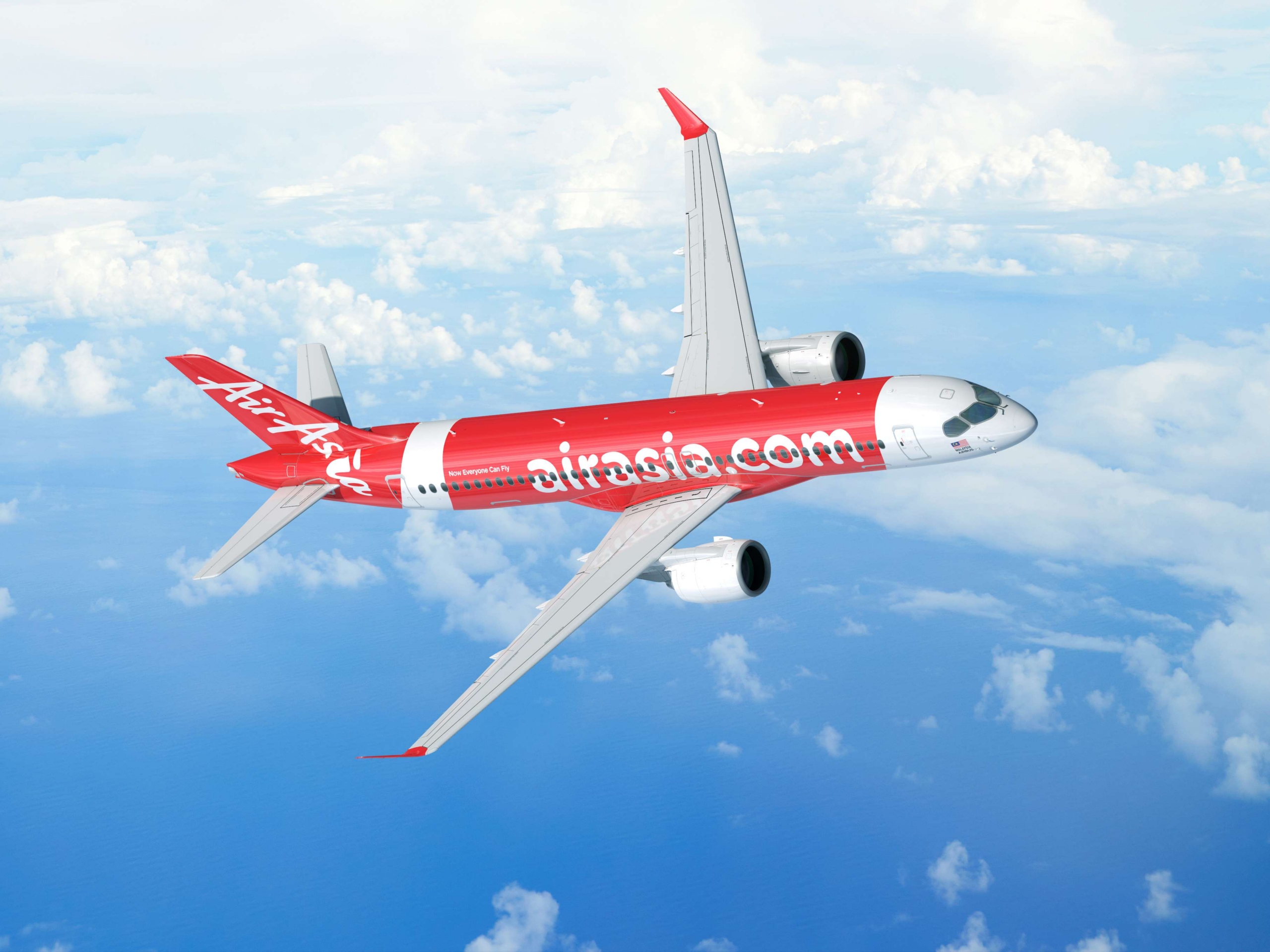
Perhaps the most significant recent deal was AirAsia’s long-awaited order for the Airbus A220, with the carrier ordering 150 aircraft for a major fleet renewal.
The order is the largest for the A220 to date, eclipsing the 100 aircraft ordered each by Delta Air Lines and JetBlue.
It also marks the first major order from a large low-cost carrier and the first large-scale commitment to the type in Asia. While Korean Air operates a small A220 fleet, adoption in the region has so far been limited.
777X seen as key to Boeing’s recovery against Airbus
Boeing will be hoping that its yet-to-be-certified 777-9 will add to the tally of orders and deliveries in the months to come.
The company recently completed the first flight of a production-standard 777-9 aircraft, which is destined for Lufthansa.
The flight is a step forward for the long-delayed 777X programme, with the planemaker slowly inching towards certification and eventual customer deliveries.
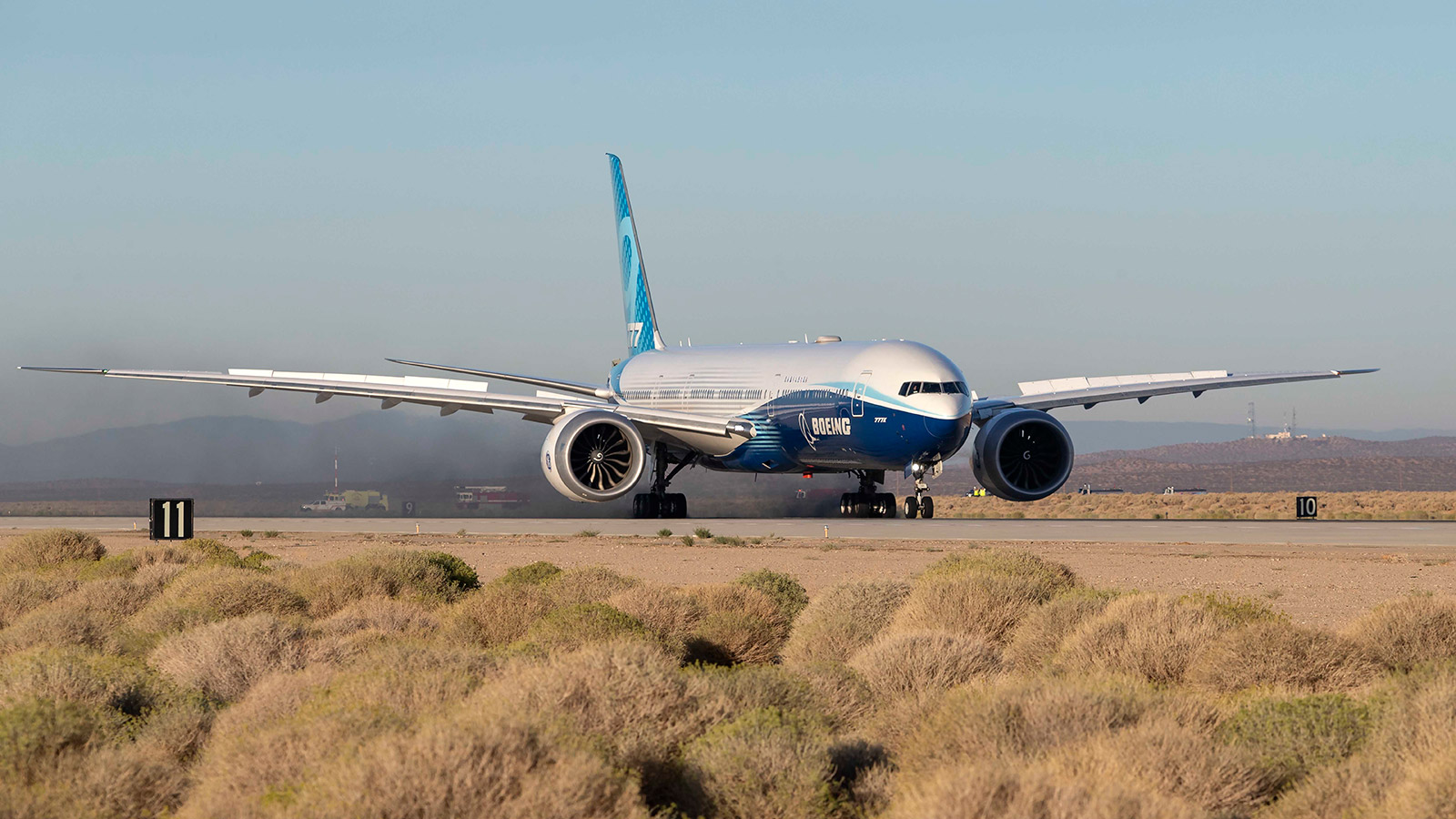
The aircraft remains one of Boeing’s most important future programmes as it seeks to compete more aggressively with the Airbus A350 in the long-haul market.
Certification delays have repeatedly pushed back entry into service, but Boeing is continuing flight testing as it inches closer to customer deliveries.
The broader commercial aircraft market remains highly competitive heading deeper into 2026, with Airbus still leading on overall sales while Boeing continues showing signs of recovery through improving orders and deliveries.
Featured image: Boeing