


Flying for FIFA World Cup 2026? These are the riskiest US airports for summer flight connections

5 min read
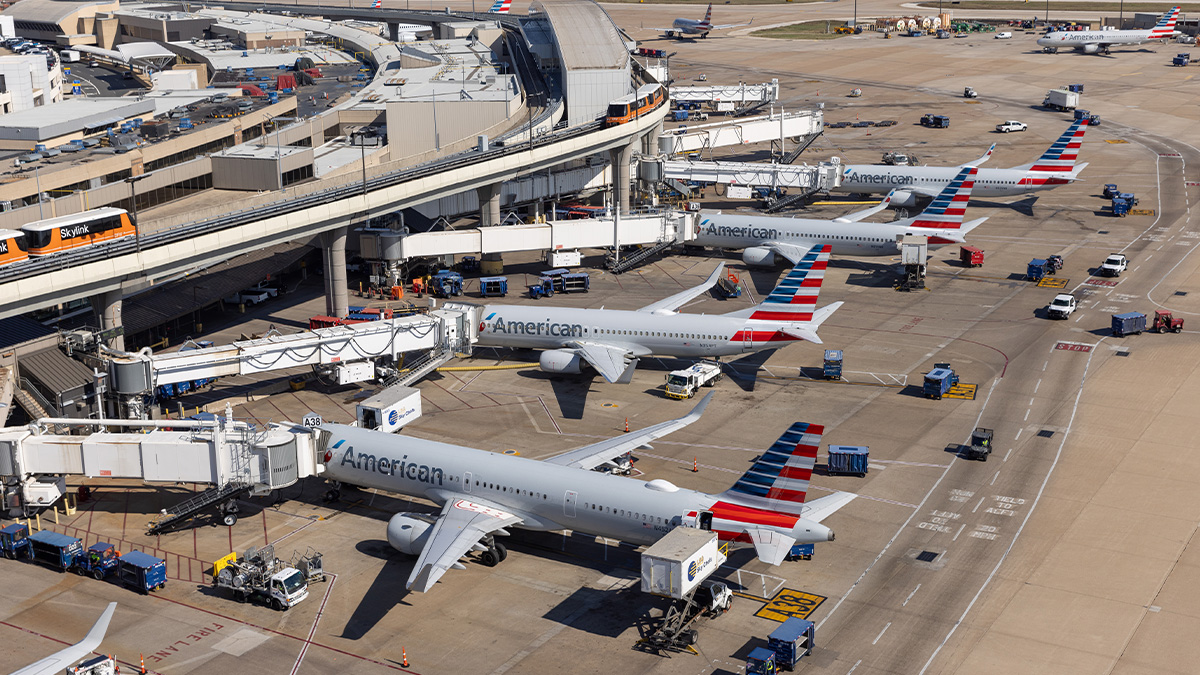
A new study by air travel compensation specialist AirAdvisor ranked 20 major global hub airports by the likelihood that passengers will miss a connection, with four key US hubs for FIFA World Cup travel taking the top slots for high risk.
AirAdvisor analysed cancellation rates, flights delayed by more than an hour, average delay times and total flight volumes during the summer travel season to calculate an airport reliability score for major global hubs.
Airports were scored on a scale from 5 to 10, with higher scores indicating safer and more reliable connections for passengers.
Dallas/Fort Worth ranked world’s worst airport for missed connections
At the top of AirAdvisor’s high-risk rankings was Dallas-Fort Worth International Airport with an on-time reliability score of 6.15. The study found roughly one in six flights experienced significant delays at this airport, even on normal days.
DFW’s combination of high traffic volume and tight connecting schedules creates a difficult operating environment, which becomes more severe during peak travel periods. Flight delays worsen during summer storms and other disruptions.
Chicago O’Hare International Airport ranks second for high-risk connections, with an on-time reliability score of 6.60. AirAdvisor found that one in seven flights is likely to experience delays of over an hour in Chicago.
Like Dallas, Chicago is a major hub that sees high traffic year-round, with peak travel periods more vulnerable to delays, which frequent summer storms in the region can exacerbate.
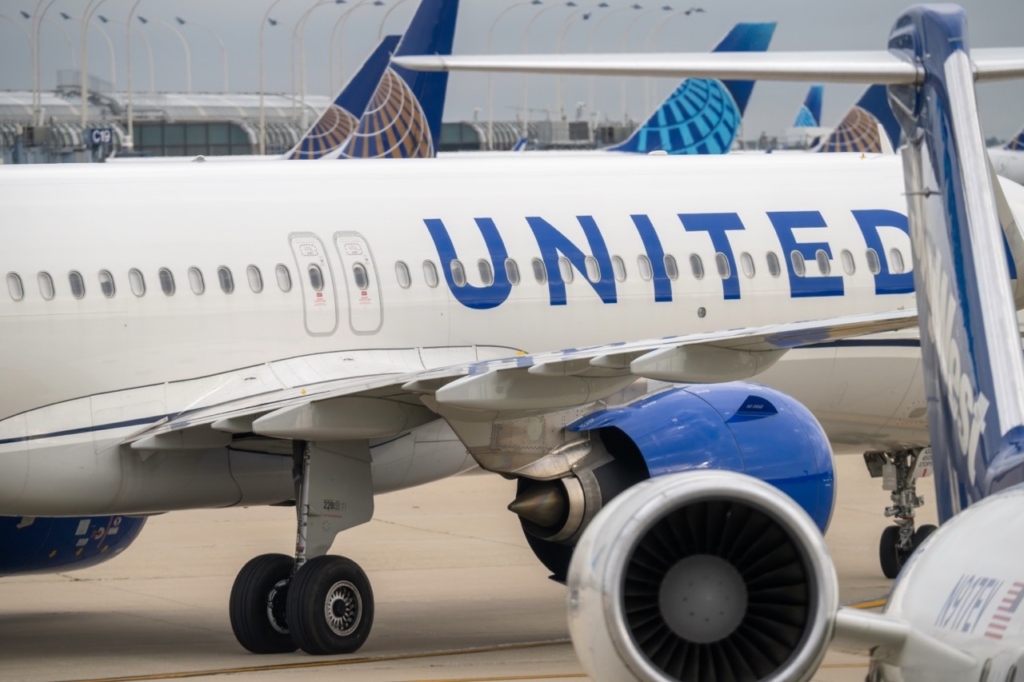
New York JFK Airport ranks third for risk of missed connections, with a reliability score of 6.75. AirAdvisor determined that one in 10 flights at JFK were at least an hour late last summer.
The crowded airspace JFK shares with LaGuardia and Newark under a single air traffic control system means disruptions at these nearby airports can also affect operations at JFK.
Miami International Airport rounds off the high-risk airports list, with a reliability score of 6.85. AirAdvisor found that one in eight flights at this airport ran at least an hour late last summer.
The summer months coincide with hurricane season in Florida. A daily chance of severe thunderstorms can shut down airport operations for an hour or longer. Even after storms pass immediately overhead, they may still be making their way through Florida airspace, delaying arrivals and departures. It can take the busy hub a long time to get flights back on track.
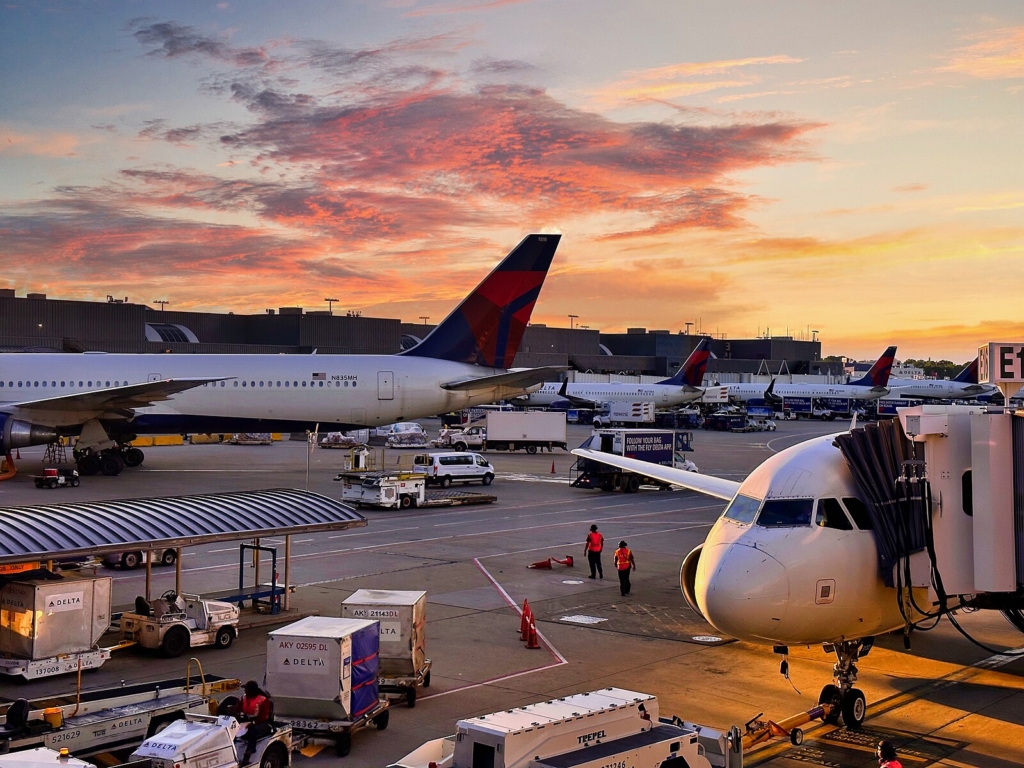
Other problematic US airports include Hartsfield-Jackson Atlanta International Airport, with a reliability score of 7.15 and Los Angeles International Airport, with a reliability score of 7.75.
AirAdvisor’s analysis found no US airport made it into the report’s lowest-risk category for summer connections, which doesn’t bode well for those travelling to the US for the FIFA World Cup. The safest bet for travellers is to ensure at least a 90-minute connection time between flights when connecting through these airports.
World’s safest and riskiest airports for flight connections in 2026
| Rank | Airport | Code | Score | Risk tier |
|---|---|---|---|---|
| 1 | Stockholm Arlanda | ARN | 9.30 | Safest |
| 2 | Warsaw Chopin | WAW | 9.15 | Safest |
| 3 | Madrid Barajas | MAD | 8.65 | Low risk |
| 4 | Lisbon Humberto Delgado | LIS | 8.65 | Low risk |
| 5 | Rome Fiumicino | FCO | 8.55 | Low risk |
| 6 | Barcelona El Prat | BCN | 8.40 | Low risk |
| 7 | London Heathrow | LHR | 8.15 | Low risk |
| 8 | Delhi Indira Gandhi* | DEL | 8.10 | Low risk |
| 9 | Paris Charles de Gaulle | CDG | 8.00 | Low risk |
| 10 | Frankfurt Main | FRA | 7.95 | Moderate |
| 11 | Amsterdam Schiphol | AMS | 7.90 | Moderate |
| 12 | Los Angeles International | LAX | 7.75 | Moderate |
| 13 | Seoul Incheon* | ICN | 7.60 | Moderate |
| 14 | Kuala Lumpur KLIA** | KUL | 7.55 | Moderate |
| 15 | Atlanta Hartsfield-Jackson | ATL | 7.15 | Moderate |
| 16 | Shanghai Pudong** | PVG | 7.00 | Moderate |
| 17 | Miami International | MIA | 6.85 | High risk |
| 18 | New York JFK | JFK | 6.75 | High risk |
| 19 | Chicago O’Hare | ORD | 6.60 | High risk |
| 20 | Dallas/Fort Worth | DFW | 6.15 | High risk |
Source: AirAdvisor Summer Connection Risk Index 2026. Score 5–10; higher is safer for connecting passengers. * Score from official national civil aviation authority data: DEL, ICN. ** Score estimated from CAAM for KUL and CAAC for PVG.
European airports ranked safest for summer flight connections
If the US ranks at the bottom of the list for airport reliability, Europe dominates the top. Several European hubs ranked among the safest airports for connections this summer.
AirAdvisor found Stockholm Arlanda Airport is the world’s best-performing major hub for connections, with a near-perfect reliability score of 9.30. Warsaw Chopin Airport also earned a listing as the second safest airport for connections, with a reliability score of 9.15.
Madrid Barajas Airport and Lisbon Humberto Delgado Airport are the third- and fourth-most reliable airports in the world for connections, with scores of 8.65.
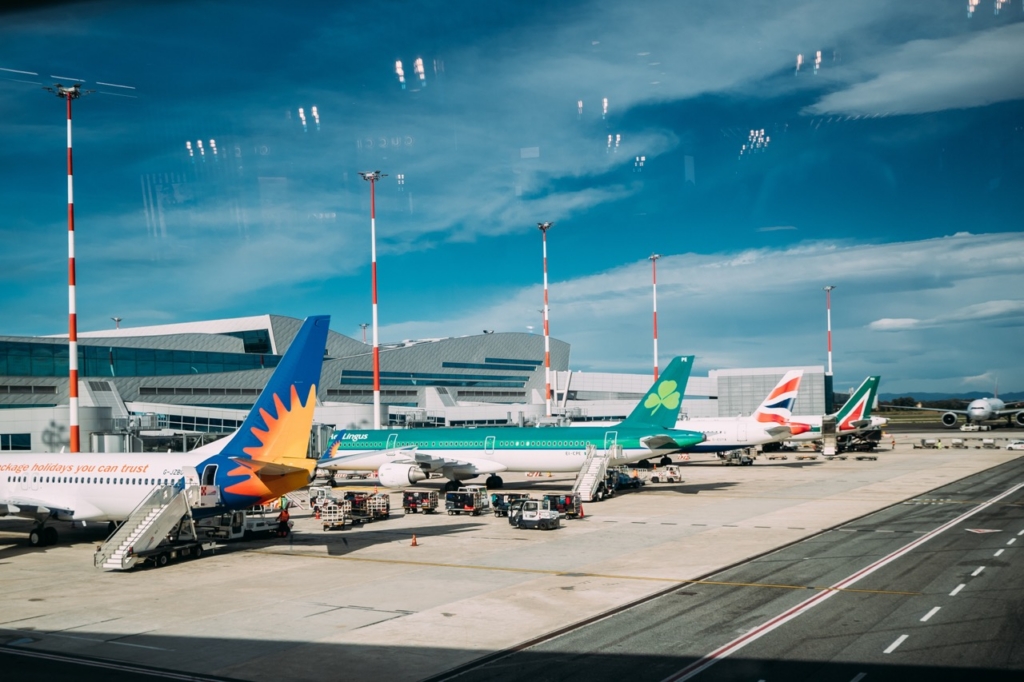
Rome Fiumicino Airport is the fifth most reliable airport, with a score of 8.55.
AirAdvisor’s analysis found these airports benefited from lower flight cancellation rates, shorter average delays, and more resilient operational performance during peak travel periods.
Other European airports highlighted among the lower-risk hubs included Barcelona El Prat (8.40), London Heathrow (8.15), and Paris Charles de Gaulle (8.00).
FIFA World Cup travellers warned to avoid short US airport layovers
Unfortunately for FIFA World Cup travellers, the four highest-risk airports are also key hubs for the global sporting event.
“Tens of millions of international fans will make that journey, and the vast majority of those flying in from Europe and South America will transit through the same airports that sit at the bottom of this ranking,” AirAdvisor states. “Dallas/Fort Worth is one of the primary entry points for fans heading to the Texas venues. Chicago, JFK, and Miami handle the bulk of the transatlantic traffic for the rest.
“None of these airports will change between now and June. The runways, airspace constraints, and delay profiles that produced last summer’s figures will be the same. The only thing that will be different is the number of passengers moving through them, and that number will increase significantly.”
AirAdvisor recommends avoiding short layovers at these high-risk airports, particularly when connecting between international and domestic flights.
Travellers visiting the US for the FIFA World Cup may want to book flights through lower-risk hubs, where possible, and allow longer connection windows at airports which are likely to experience congestion or severe summer weather.
Featured Image: American Airlines


