Pulling the handle twice: A USAF F-15E pilot survived two shootdowns in Iran

4 min read
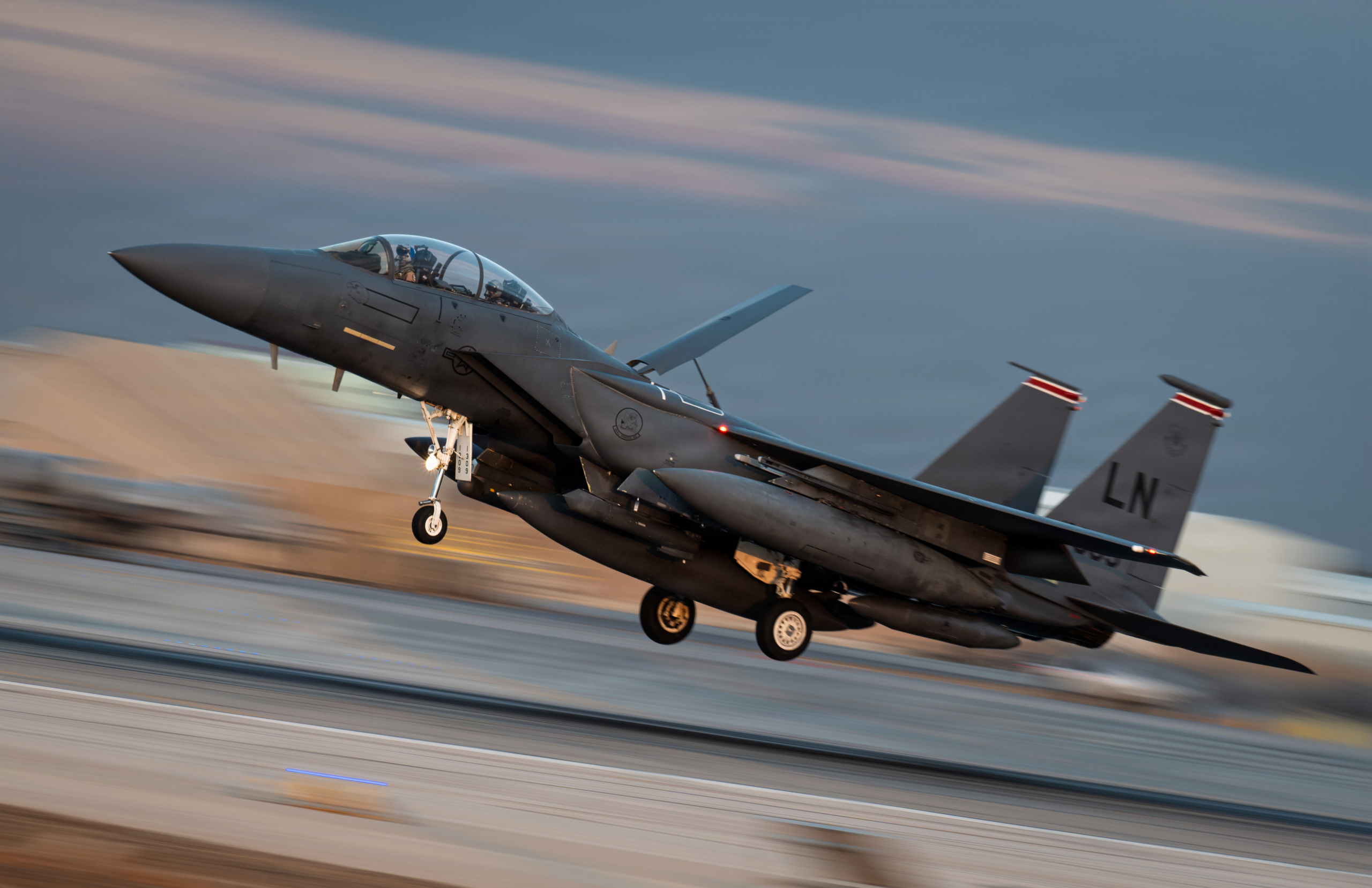
A US Air Force F-15E Strike Eagle pilot reportedly survived two shootdowns in just over a month during the Iran air campaign.
According to national security journalist Sean Naylor in The High Side, the pilot was flying one of three F-15Es mistakenly shot down in a Kuwaiti friendly-fire incident during the opening phase of the conflict, before later ejecting again when another F-15E was hit by an Iranian surface-to-air missile on 3 April.
The extraordinary sequence of events was confirmed by CBS, citing two people familiar with the incidents, who agreed the same pilot was involved in both aircraft losses.
US Central Command (CENTCOM) declined to comment on the CBS report.
One pilot, two F-15E shootdowns in Iran
The first incident occurred during the opening days of the war, when three US F-15E Strike Eagles were mistakenly shot down over Kuwait.
CENTCOM confirmed at the time that all six aircrew ejected safely, were recovered and were in stable condition. Kuwait acknowledged the incident, while US and Kuwaiti officials opened an investigation into what went wrong.
Un piloto estadounidense de un caza F-15E Strike Eagle fue derribado en dos ocasiones durante el conflicto entre #EEUU e #Irán, informó el proyecto periodístico High Side, que cita a funcionarios en activo y a exfuncionarios de la Fuerza Aérea de Estados Unidos.
— David de la Paz 戴维 (@daviddelapaz) June 3, 2026
Según las… pic.twitter.com/sw5boGX7Sm
The second shootdown came just over 30 days later, when an F-15E operating over Iran was hit by a surface-to-air missile. The pilot sustained serious injuries and was rescued after several hours.
However, the aircraft’s weapons system officer spent far longer evading capture before being recovered. A massive coalition of 155 US aircraft were deployed for the rescue operation, which ended successfully, but forced the US to destroy several stranded aircraft on the ground.
In both cases, the first act of survival was the same: eject.
Ejection seats save lives, but they are not gentle
An ejection seat is one of the most important last-resort systems in military aviation. It is also one of the most violent.
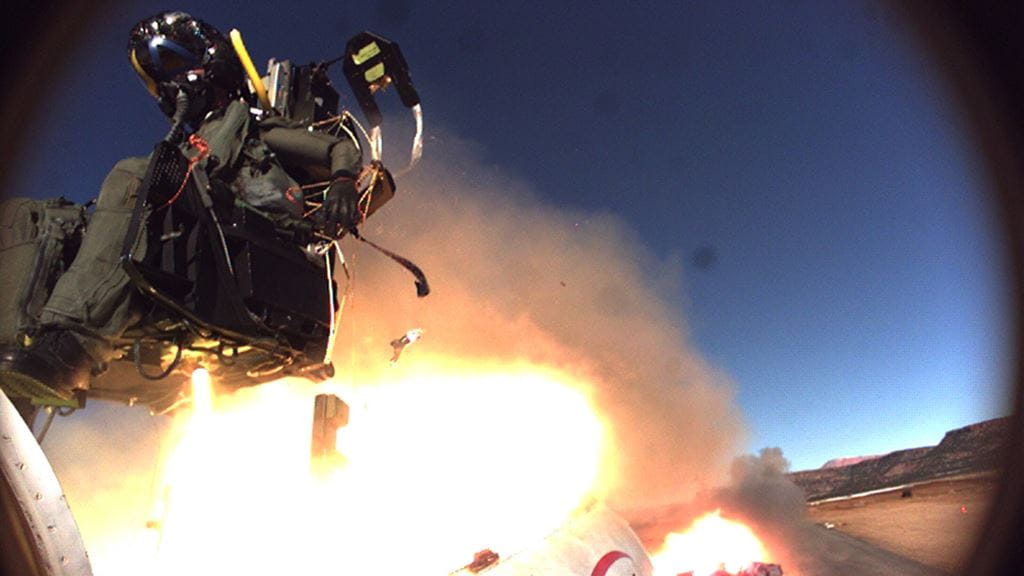
The sequence begins when the pilot or weapons system officer pulls the yellow and black ejection handle. In the milliseconds that follow, the aircraft’s canopy is either blasted off with explosive charges or shattered with explosive cords embedded in the canopy glass.
An explosive cartridge fires the seat up a set of guide rails, and as it leaves the rail, a rocket under the seat ignites, blasting the crew hundreds of feet into the air.
Once clear of the aircraft, the seat must stabilise, slow and separate from the occupant. A parachute then deploys, turning a supersonic or high-speed aircraft emergency into a survivable descent under canopy.
Modern ejection seats have saved thousands of lives. Martin-Baker, one of the world’s leading ejection seat manufacturers, says its seats alone have saved more than 7,800 aircrew and that it has delivered more than 90,000 seats to 93 air forces.
But survival does not mean comfort.
Ejection exposes the body to extreme acceleration, violent windblast, flailing forces, parachute opening shock and the risk of injury on landing. Studies of ejection-seat evacuations have repeatedly found spinal injuries among the most common consequences.
One 2022 study found spine injuries in more than half of the ejection-seat evacuations it examined, with spinal fractures in around one-third of cases. Another study of high-performance aircraft ejections found spinal fractures in 42% of pilots, most commonly compression fractures in the thoracic spine.
Pilots who eject are often described as survivors, not just escapees. Many walk away and, as was the case with the F-15E pilot here, go on to fly again. But the system that saves them subjects the body to forces no crewmember would choose voluntarily.
Pulling the yellow and black handle twice
A single real-world ejection is already rare enough to become a defining moment in an aviator’s career. It usually follows the sudden loss of an aircraft, the acceptance that recovery is no longer possible and a split-second decision to abandon the jet.
A second ejection in one career, let alone the same conflict, is remarkable.
Retired US Air Force Lt. Gen. David Deptula, now dean of the Mitchell Institute for Aerospace Studies, told CBS News he could not recall a pilot being shot down in separate incidents during the same campaign since possibly as far back as the Vietnam War.
He said it is “like getting hit by lightning twice.”
The unnamed pilot could be considered extraordinarily unlucky to have been forced to eject from two F-15Es in the same campaign. Yet surviving both incidents, despite reportedly sustaining serious injuries in the second, also shows why ejection seats remain among the most important life-saving systems in military aviation.
Featured image: CENTCOM