


What makes a fighter jet ‘sixth generation’?

3 min read
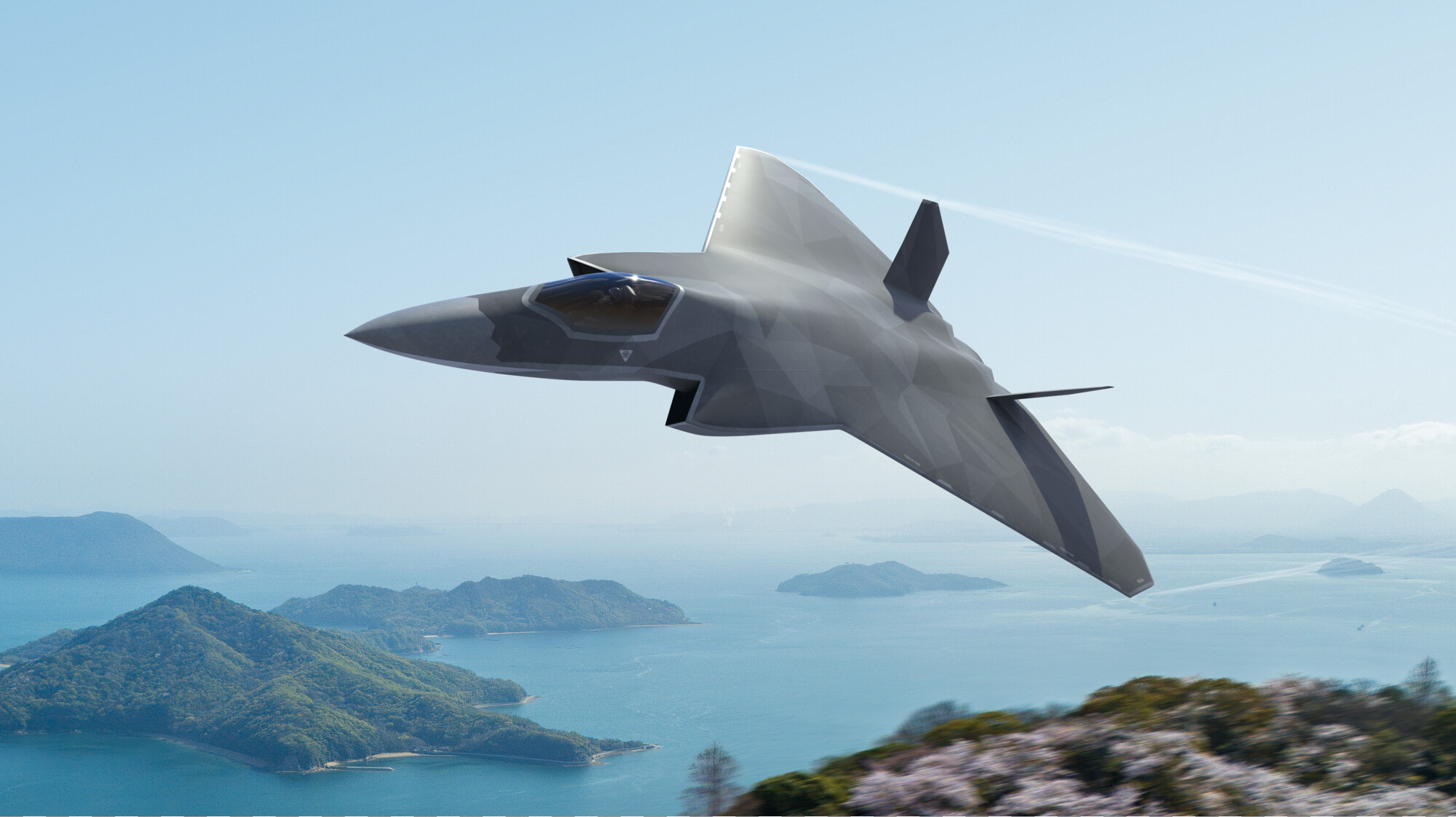
There is no set definition of what makes a fighter jet 6th-generation, with companies and governments sometimes adopting the best-fitting definition to describe their programmes.
The designation can be thought of as part marketing, part clickbait (at least in media), and partly a useful way to categorize fighter jets. Even so, it is only useful for as long as it is useful. One of the defining characteristics is that they are designed as nodes within a much larger combat system rather than as independent fighters in the traditional sense.
6th-generation cue from the outside
First, it’s worth noting what doesn’t make a jet “6th-generation” by itself. These include tailless designs, supermaneuverability, whether or not it has lasers, flies to the edge of space, the number of engines it has, or its overall shape.
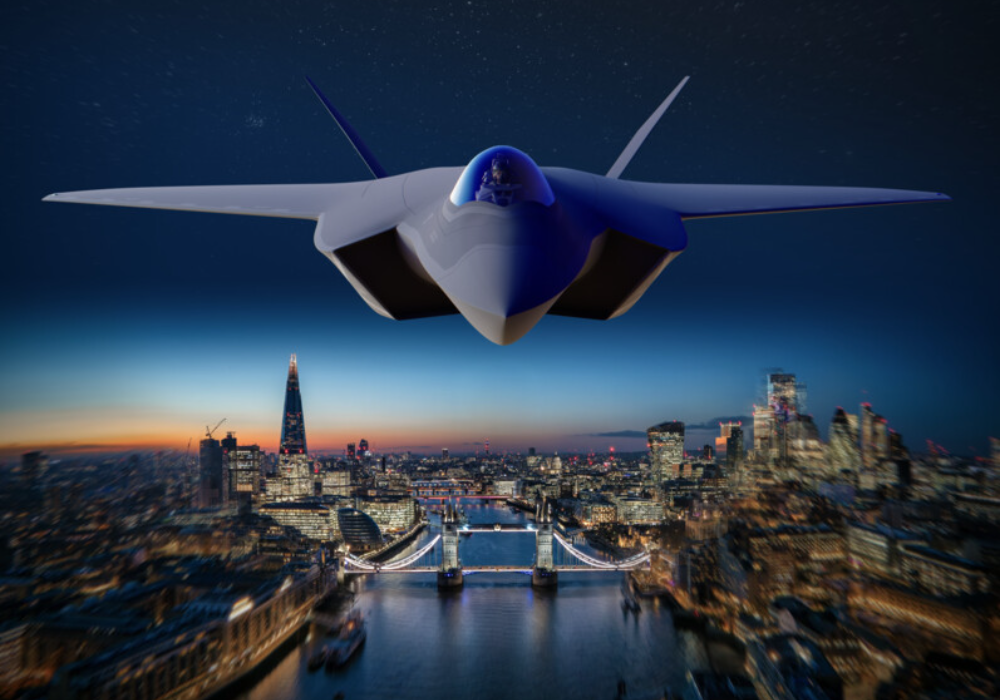
What makes a fighter next-generation is generally what is going on inside. That said, there are external cues, like carrying munitions internally (a continuation from 5th-generation fighters).
6th-generation aircraft will have an extremely low radar cross-section from multiple perspectives and against a broad band of frequencies.
Low observability extends beyond radar cross-section alone. Designers also seek to minimise infrared, acoustic and electromagnetic signatures, while electronic warfare, jamming and decoys complement stealth by making the aircraft harder to detect, track and target.
It should also be stressed that there might not be a clear division between generations. An older generation fighter jet may be upgraded with some next-generation features, while a clean-sheet next-generation fighter may lack key capabilities typically associated with that generation.

For example, while the aircraft are heavily classified, the upgraded 4.5th-generation F-15EX may carry a more powerful sensor, networking, and computing suite than the 5th-generation Su-57 Felon.
6th-generation jets are (mostly) defined by the inside
These aircraft are expected to have advanced sensor fusion and networking with offboard platforms. They are to function as nodes within a distributed combat network across air, land, sea, space, and cyberspace.

They will be powered by extremely powerful open mission computers that allow rapid software updates and AI integration.
The aircraft are also expected to have a significantly longer range (e.g., 1,000 nautical mile combat radius for F-47). This is perhaps less essential for some aircraft, like GCAP, which would not require the same range in the European theatre.
6th-generation aircraft are expected to be designed from the outset to command multiple Collaborative Combat Aircraft (CCA) and function as a sort of command centre.
Often overlooked are the engines. Adaptive-cycle engines are expected to offer much better fuel efficiency, thrust, and electrical power generation.
Perhaps even more important than the additional thrust is thermal management. Future radars, electronic warfare suites, communications systems, and onboard computing will consume unprecedented amounts of electrical power and generate enormous amounts of heat.

Adaptive-cycle engines, fuel used as a heat sink, and advanced thermal-management systems are expected to be critical in dissipating this heat while maintaining aircraft performance.
Programmes typically called ‘sixth generation’
It can also be noted that Russia’s (likely mostly unfunded) PAK DP MiG-41 next-generation interceptor was described by Russian sources as a 5++ generation fighter. Meanwhile, Northrop Grumman describes its B-21 Raider (a bomber) as the world’s first 6th-generation combat bomber.
Now that FCAS has been terminated, France’s Dassault has suggested it will go it alone and develop a next-generation fighter jet itself. Some analysts anticipate it to be a scaled-down carrier-based 5++ generation fighter.
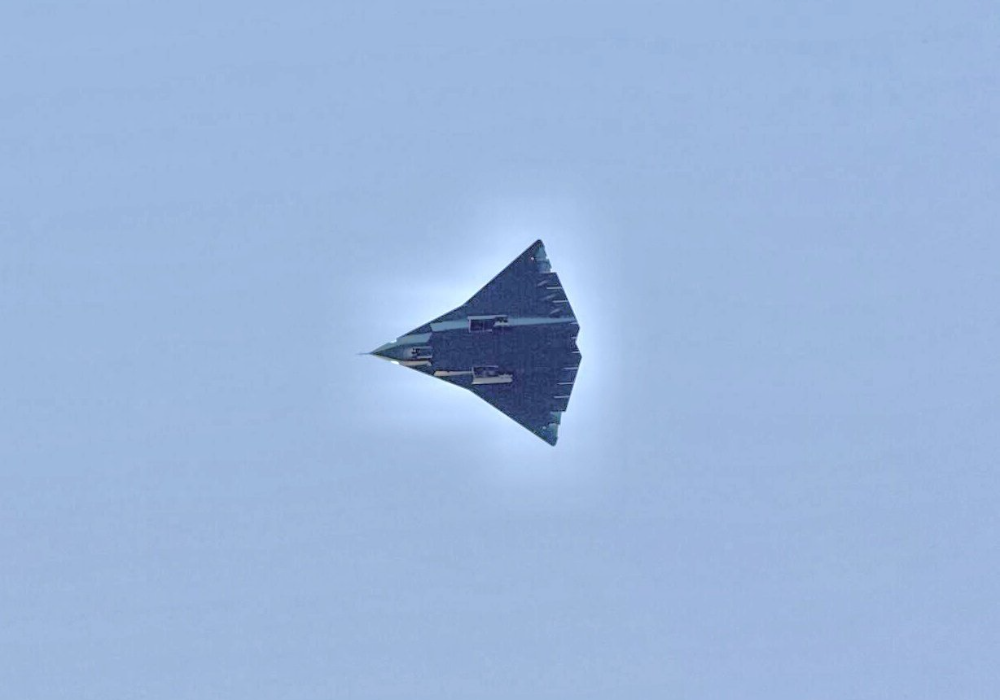
China’s J-36 and J-50 have frequently been described as 6th-generation fighters in the media. However, both remain highly classified, and analysts disagree over whether either aircraft already meets the capabilities generally associated with 6th-generation designs or whether those capabilities will emerge through later development and block upgrades.
Among current programmes, the US Air Force’s F-47 and the UK-Italy-Japan GCAP fighter are generally regarded as the clearest examples of aircraft designed from the outset around concepts commonly associated with 6th-generation combat aviation.
The Navy’s F/A-XX will also likely fall into this category once it moves ahead, although details remain sparse.
Sign up for our newsletter and get our latest content in your inbox.


More from


September 21, 20263 min read


September 18, 20263 min read
