F-22 vs F-35: What’s the difference and which fighter jet is better?

5 min read
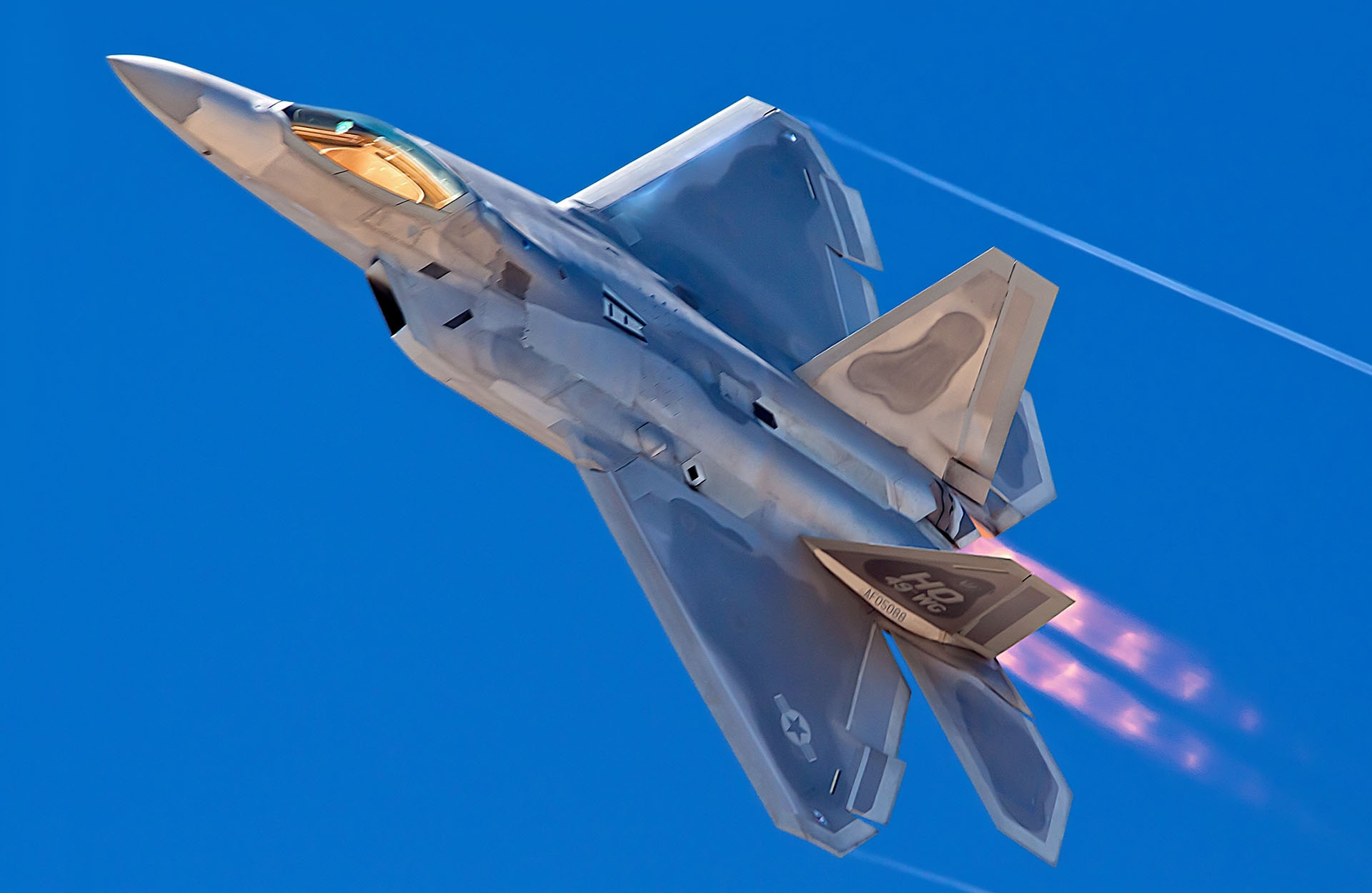
The Lockheed Martin F-22 Raptor and the Lockheed Martin F-35 Lightning II are the world’s first 5th-generation fighter jets. They are very different aircraft designed for very different missions, although there is some overlap.
The F-22 Raptor is a dedicated air dominance fighter
The F-22 Raptor is a “no-expenses spared” air dominance fighter designed to replace the F-15C/D in the air superiority role. It is widely regarded as the world’s premier operational air superiority fighter, combining exceptional stealth, supercruise, manoeuvrability and long-range sensor performance.
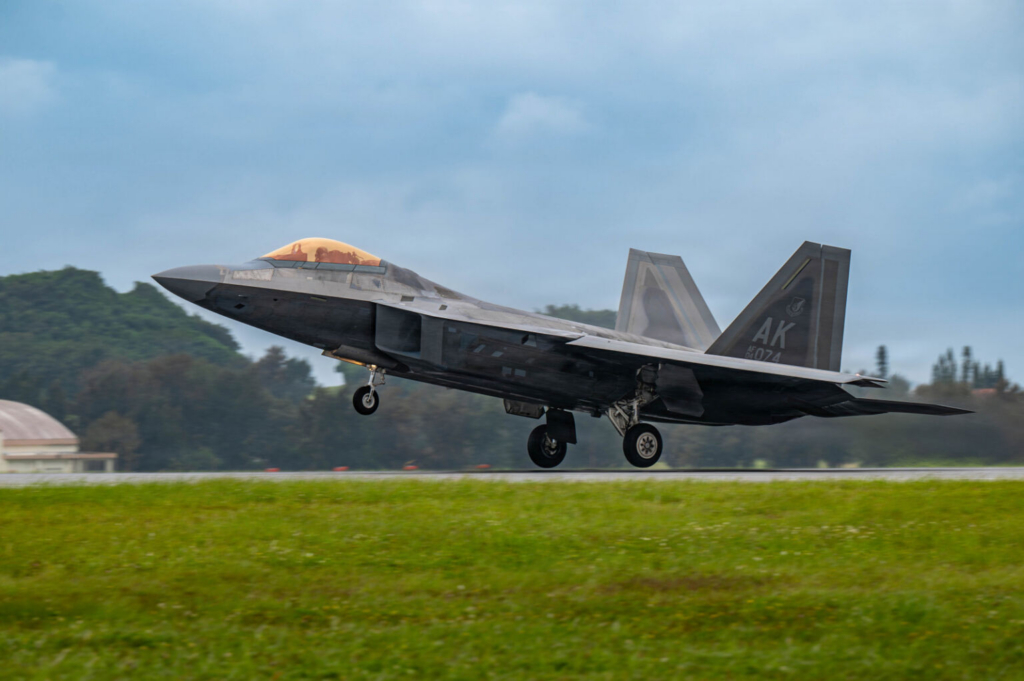
In the past, occasions when other fighter jets bested it in exercises were considered rare enough to be reported as news.
However, its high procurement and operating costs, together with changing post-Cold War priorities, contributed to the programme being curtailed.
Originally, the Air Force had intended to procure 750 examples (later 381), but ultimately only procured 187 production examples, of which 32 are Block 20 training variants and are not combat coded.
Since production ended in 2009, the F-22 fleet has relied solely on retrofit modernisation programmes, whereas the still-in-production F-35 continues to receive improvements through successive production blocks.

Additionally, because it is an older fighter, the F-22 lacks some of the newer computing architecture, sensor fusion capabilities and maintainability improvements incorporated into the F-35 (e.g., the radar-absorbent coatings or RAM).
The F-35 Lightning II is a multi-role strike fighter
The F-35 was designed from the ground up to fill a different suite of requirements, while also leveraging technologies developed for the F-22 (e.g., engines and RAM).
The F-35’s primary role is as a stealth multirole strike fighter capable of penetrating advanced air defences. Among its key missions are Suppression of Enemy Air Defence (SEAD) and Destruction of Enemy Air Defence (DEAD).
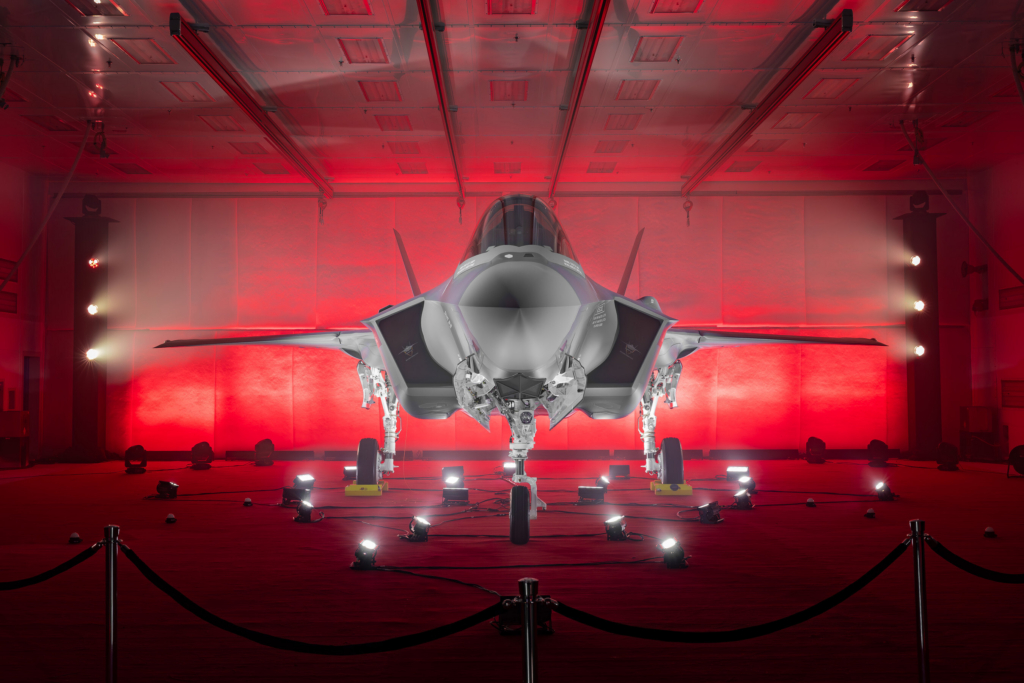
Three variants were developed for the US Air Force, Marines, Navy, and export partners. While the F-35 is generally considered to have a larger radar cross-section (RCS) than the Raptor, it represents another ten years of technological development.
The F-35 is designed to carry out a much broader range of missions, including providing a “god’s eye view” of the battlespace to other fighter jets. This networking capability is often overshadowed in public comparisons that focus primarily on traditional fighter performance metrics such as speed and manoeuvrability.
Whereas the F-22 is designed to be more of an independent fighter jet in the traditional sense, the F-35 represents a major step to being a node in a much larger kill chain.
This enables the F-35 to have unparalleled situational awareness fused from onboard and offboard sensors and to pass that awareness onto other fighter jets (e.g., Typhoons, F-15s, F-16s).
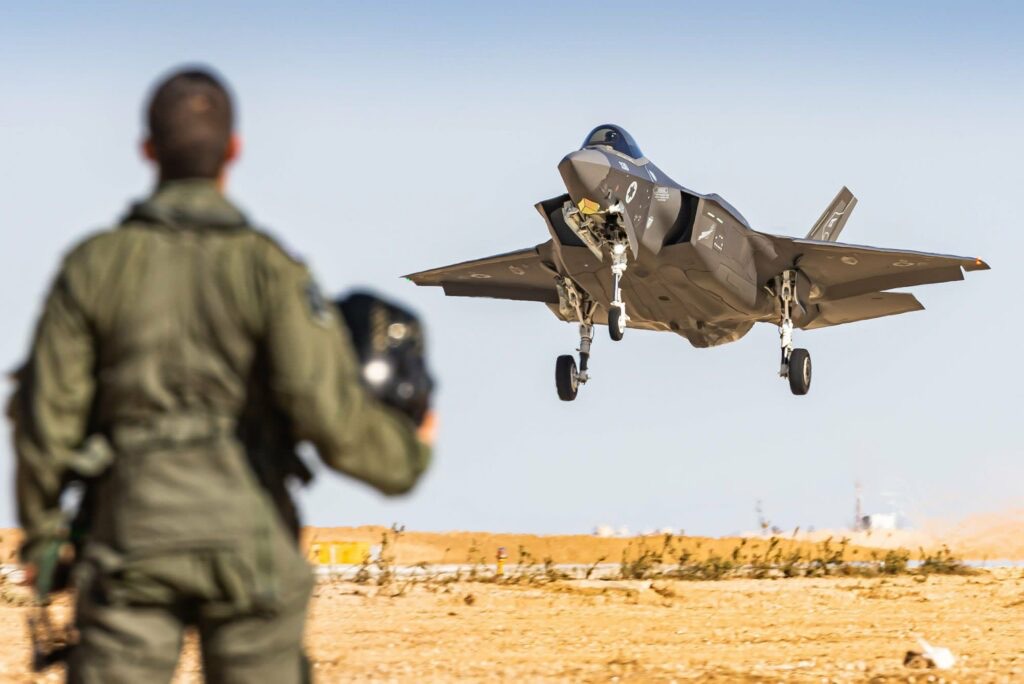
Anecdotal reporting by Sandboxx News‘ Alex Howlings suggests that at least some US pilots even favour the F-35 over the F-22 in certain beyond-visual-range air combat scenarios, citing its superior sensor fusion and situational awareness.
Why the F-35 Lightning II is the best fighter
The ‘best’ fighter is incredibly context-dependent, and the answer hinges on that context. However, from an overall capability and long-term sustainment perspective, the F-35 is arguably the stronger choice.
These reasons include the F-35’s superior sensor fusion, networking, and computing suite. But it’s also the sheer scale of the programme, with vast orders and intentions to sustain the aircraft into the 2080s.
This means the F-35 benefits from economies of scale and the enormous sustainment and development budgets needed to keep it at the forefront of the air war well into the century. It all but guarantees continuous upgrades, new Block variants, and spare parts availability.
By contrast, the US Air Force is upgrading and sustaining its fleet of 145 combat-coded F-22s to keep them at the cutting edge into the 2040s. But there will not be more F-22 airframes.
| Specification | F-22 Raptor | F-35 Lightning II |
| Primary mission | Air dominance (with secondary strike capability) | Multirole stealth fighter |
| First flight | 1997 | 2006 |
| Entered US service | 2005 | 2016 (F-35A with USAF) |
| Number built | 187 production aircraft | 1,200+ aircraft delivered |
| Number anticipated to be built | 187 production aircraft | Approx. 3,500+ aircraft globally |
| Maximum speed | Mach 2.25 | Mach 1.6 |
| Supercruise | Mach 1.5–1.8 | Limited or none |
| Expected retirement from USAF service | 2040s (replaced by F-47) | Into the 2080s |
The US Air Force is working to replace the Raptor with the F-47 next-generation fighter jet through the 2030s and 2040s. At the same time, it plans to continue to acquire F-35As through the 2060s and operate these alongside the F-47s.
For most air forces, the F-22 is impractical as it is too specialised and too expensive. Even if the F-22 were still in production and available for export, it wouldn’t likely meet the requirements of many air forces. Prior to the export ban, its potential export market was generally considered to be Israel, Japan, and Australia.
The United States Air Force has the size and budget needed to procure and sustain a mixture of lower-end fighters (e.g., F-16s), high-end multirole fighters (e.g., F-35s), and high-end specialised fighters (e.g., F-22, F-47).
Most smaller air forces lack the resources to sustain highly specialized high-end assets like the F-22. This is one reason why many modern fighters are designed as highly capable multirole aircraft. France, for example, markets the Rafale as an ‘omnirole’ fighter capable of undertaking almost every combat mission within a single sortie.
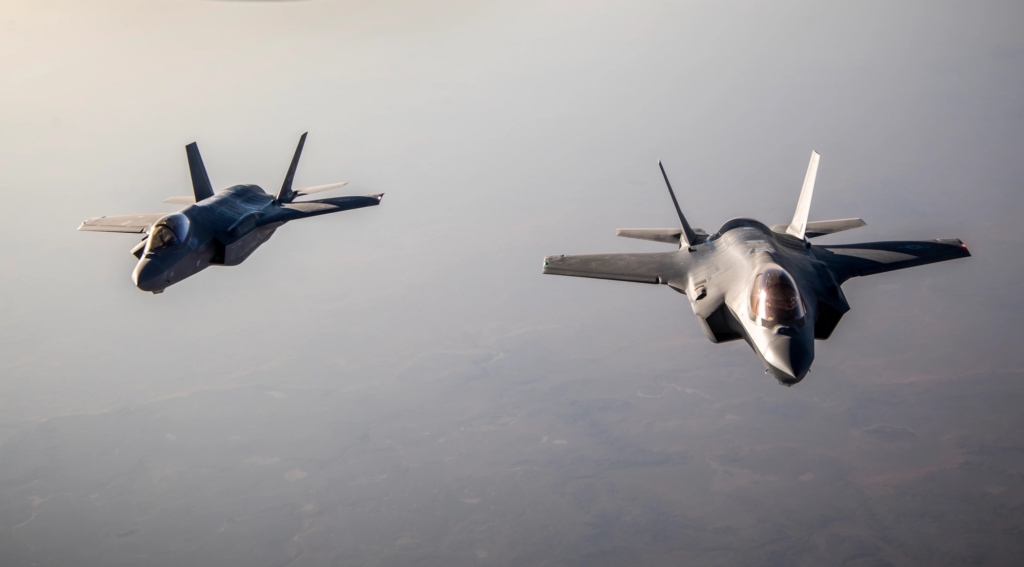
The next-generation GCAP/Tempest programme is expected to focus on being more of a multirole air-superiority fighter than the US Air Force’s specialised F-47. Air forces need to balance budgets, requirements, geopolitics, sustainment, and other factors.
The Raptor may be the ‘better’ jet in various air dominance contexts, and the US Air Force would likely prioritize it for those missions. But for more general missions and also forward-looking towards sustainment and upgrades, the F-35 is the ‘better’ jet.
Sign up for our newsletter and get our latest content in your inbox.


More from


October 17, 20264 min read