Why hot weather can delay flights and affect aircraft performance

3 min read
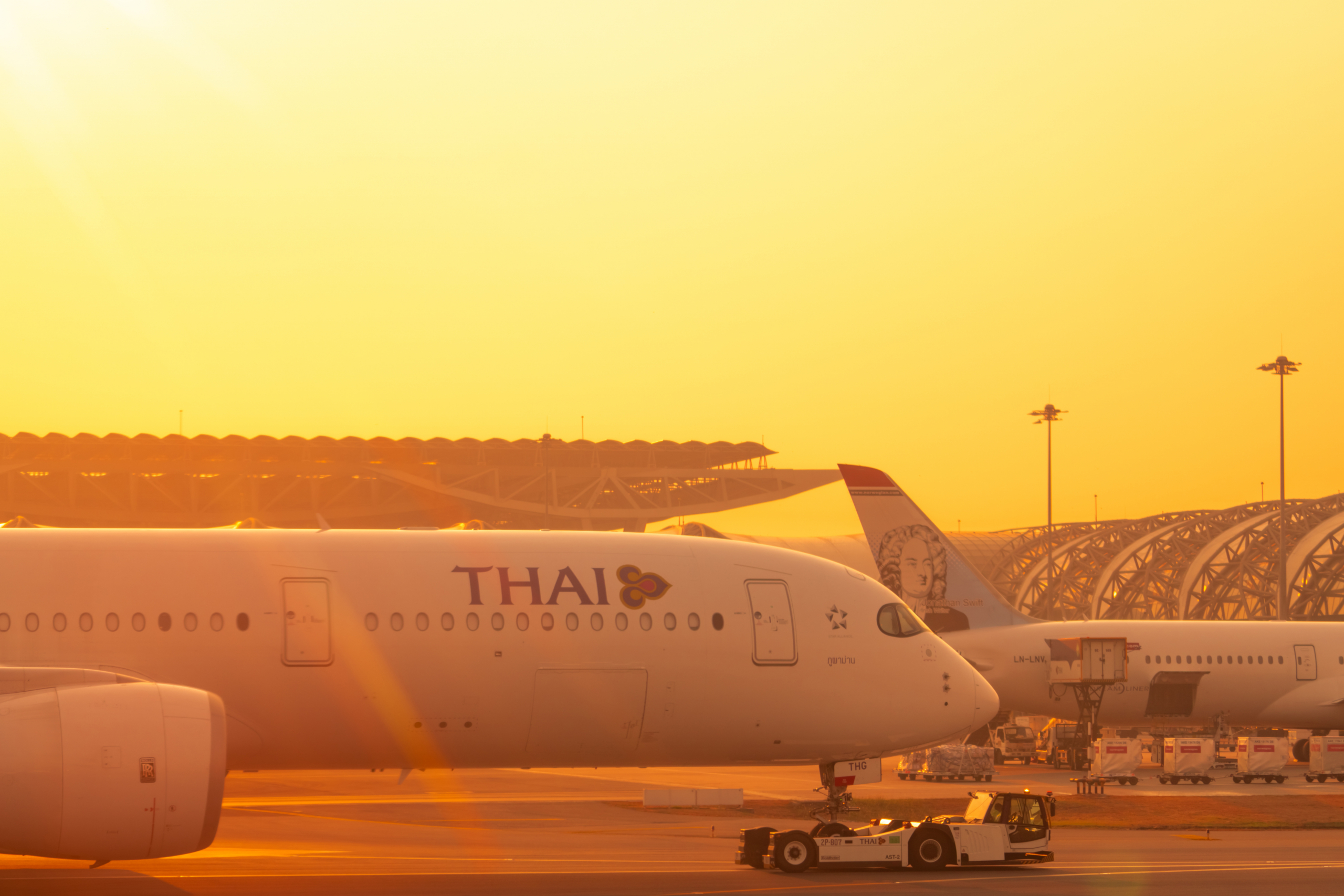
As extreme heat grips parts of Europe, North America and Asia, airlines are once again facing the operational challenges that come with soaring temperatures.
Hot weather can create a challenging operating environment for commercial aircraft, with high temperatures affecting aircraft performance and potentially forcing carriers to reduce payloads or delay departures.
The fundamental issue is air density. As temperatures rise, air becomes thinner, reducing the lift generated by the wings and the thrust available from the engines.
Aircraft therefore need more runway to accelerate to take-off speed, while their climb performance can also deteriorate.
How does extreme heat affect aircraft performance?
The effect is particularly pronounced at airports with short runways or those located at higher elevations, where the air is already less dense.
The combination of temperature, atmospheric pressure, airport elevation, runway length, aircraft weight and wind speed and direction are collectively assessed by the flight crew before departure to establish the maximum permitted take-off weight.
In extreme weather cases or at particularly performance limited airfields, that can mean passengers needing to be offloaded.
If performance calculations show that an aircraft cannot safely depart at its planned weight, an airline may also reduce cargo, or carry less fuel, if for example the original plan was to tanker fuel.
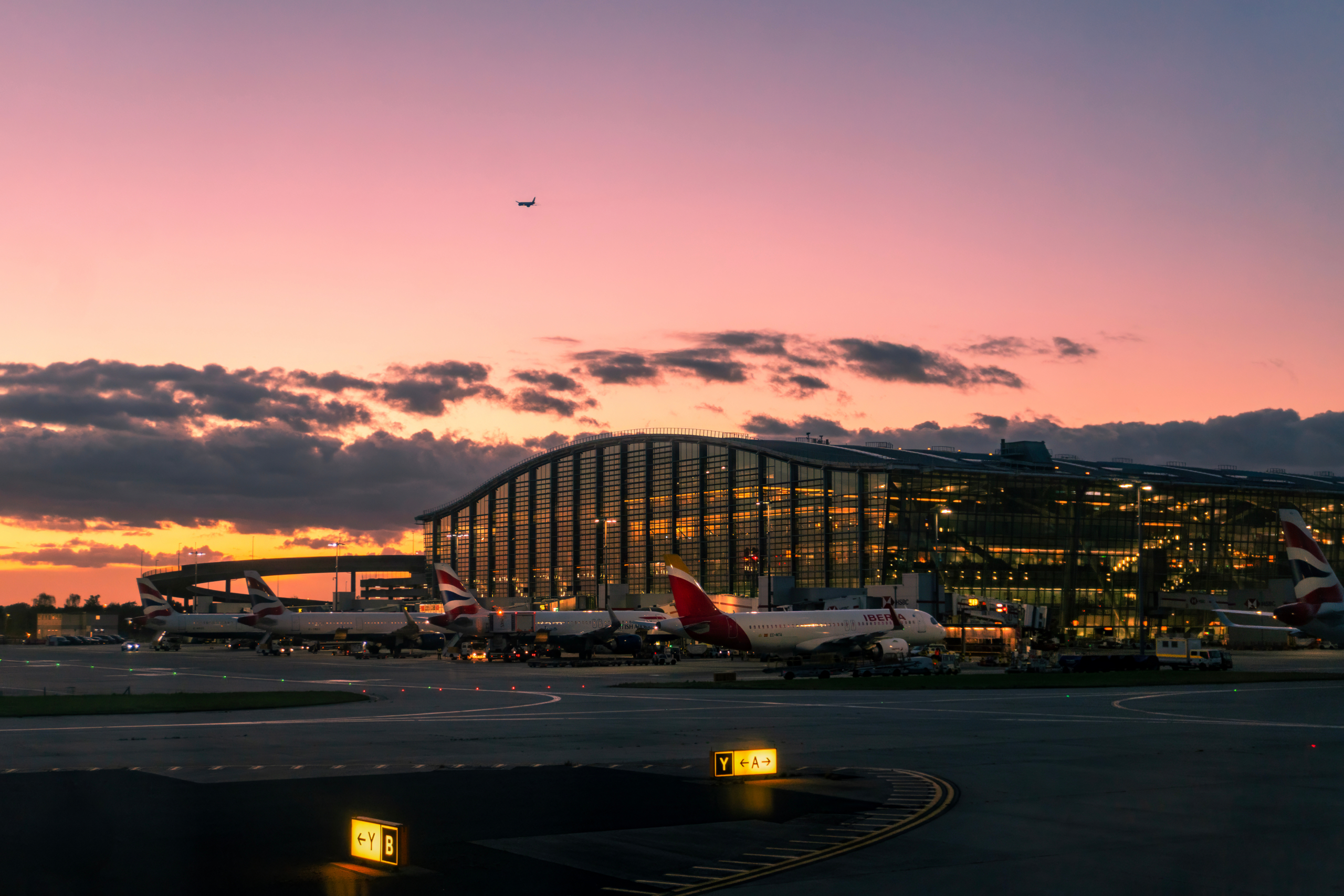
Operators also have the option of delaying the departure until temperatures fall if asking passengers to volunteer for a later flight has not worked.
For flight crews, extreme heat also means tighter performance margins during take-off and climb.
So, with periods of extreme heat becoming more frequent, even in traditionally temperate regions of the world, and particularly during peak summer periods, temperature-related performance restrictions are likely to become an increasingly familiar feature of airline operations.
Does hot weather cause more turbulence?
In addition, high temperatures can contribute to more thermal operations as warm air rises rapidly off the land, meaning a take-off can feel turbulent.
Approaches and departures may therefore require greater attention to aircraft energy, climb performance and weather conditions, with resultant risks such as overspeeding of the flaps after a sudden gust.
While not specific to the departure phase of flight, research from the University of Reading recently found that severe clear-air turbulence has become more frequent on major air routes over the past four decades.
The study links the increase to stronger windshear in the jet streams, driven by climate change.
Unlike turbulence associated with storms or clouds, clear-air turbulence is invisible to weather radar and can be difficult to forecast.
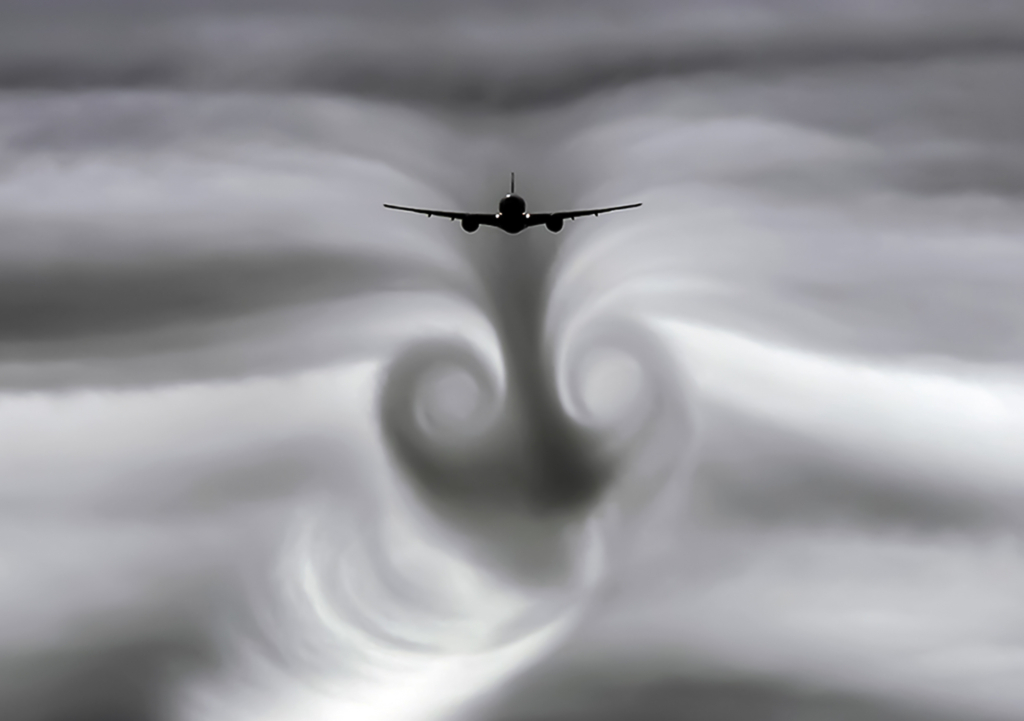
Researchers found that windshear at typical cruising altitudes has increased by 15% since 1979, while climate models indicate that turbulence capable of causing injuries could become two to three times more common by 2100.
How does extreme heat affect aircraft on the ground?
The operational effects extend beyond the airborne phase of the flight. Aircraft sitting on hot aprons can place greater demands on their cooling and air-conditioning systems.
Where airports cannot provide cooled air from a ground unit, this means that the aircraft will need to run its auxiliary power unit and PACKs, resulting in higher noise emissions for the airport.
The challenge extends to the technical limitations of the aircraft, with high temperatures also affecting the operation of the avionics ventilation system.