How far can a passenger plane fly without stopping?

4 min read
While airliners are capable of travelling extraordinary distances, there isn’t a simple answer to how far they can actually fly. Every route depends on a mix of fuel, weather, passenger numbers and careful planning before the aircraft even leaves the gate.
Manufacturers often publish maximum range figures for their aircraft, but those numbers are achieved under ideal conditions. In reality, no two flights are ever the same.
A fully booked aircraft flying into strong headwinds will have very different performance from one with lighter passenger loads and favourable winds, even if both are following exactly the same route.
Fuel isn’t the only thing that matters
It is easy to assume that the answer is simply to load more fuel, but like most things in aviation, it’s rarely that straightforward.
Fuel is heavy, and every extra tonne added to the aircraft means more fuel is burned carrying it. Airlines therefore have to strike a balance between carrying enough fuel to reach their destination safely and avoiding unnecessary weight that reduces efficiency.
That is why aircraft manufacturers spend so much time improving engines, reducing weight and refining aerodynamics.
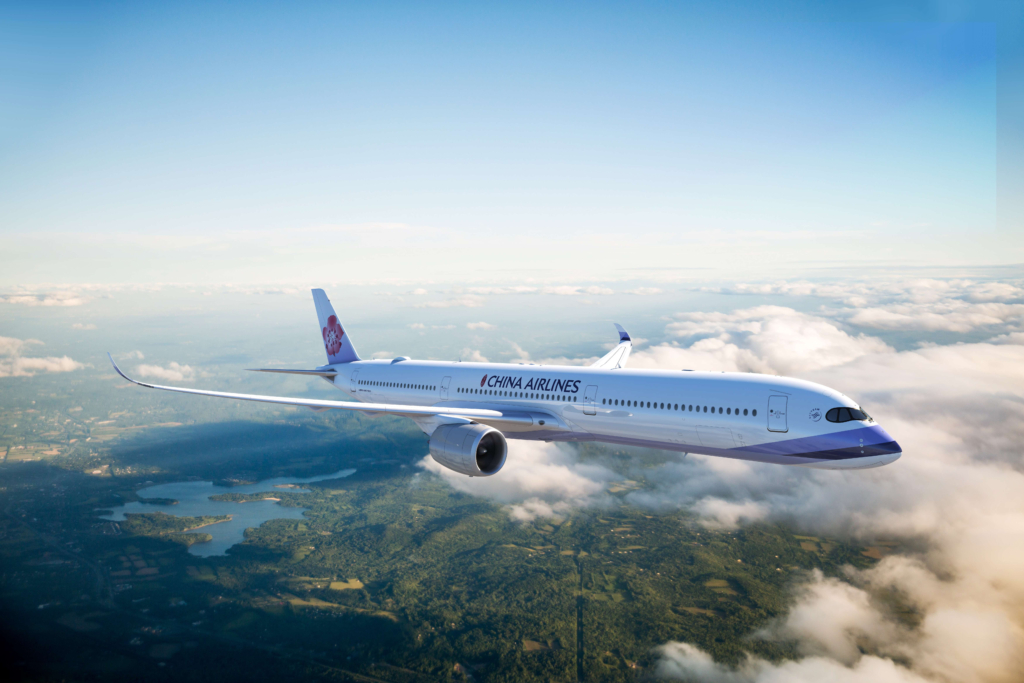
Small gains in fuel efficiency can mean hundreds of extra miles of range, allowing airlines to open routes that would not have been possible just a few years ago.
How the A350-1000ULR is making longer flights possible
Some aircraft are designed specifically for these demanding ultra-long routes. Singapore Airlines already operates the Airbus A350-900ULR on its non-stop flights between Singapore and New York, which are among the longest scheduled passenger services in the world.
The aircraft carries fewer passengers than a standard A350, leaving more of its available weight for fuel. It can therefore stay airborne for almost 19 hours.
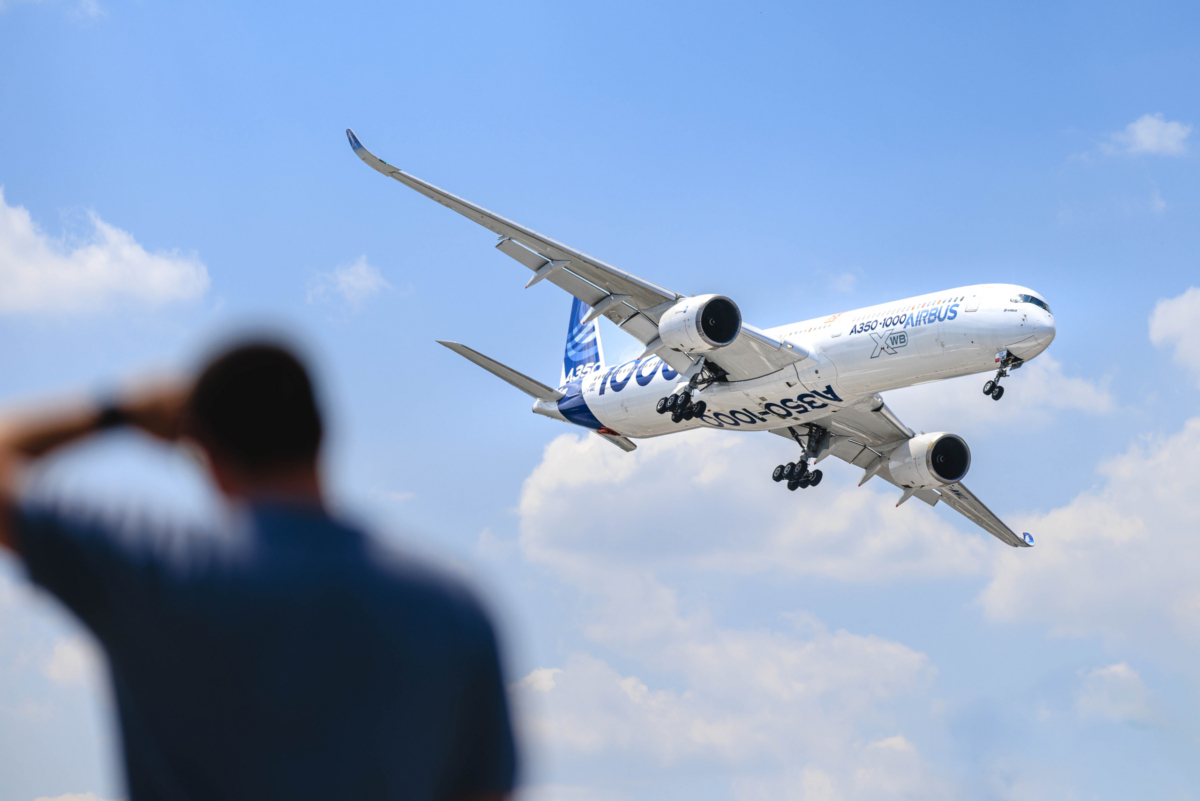
Airbus is now taking the idea even further with the A350-1000ULR, which will be used by Qantas for Project Sunrise.
The aircraft is expected to operate direct flights between London Heathrow and Sydney from October 2027, removing the need for the traditional stopover that has been part of the Kangaroo Route for decades.
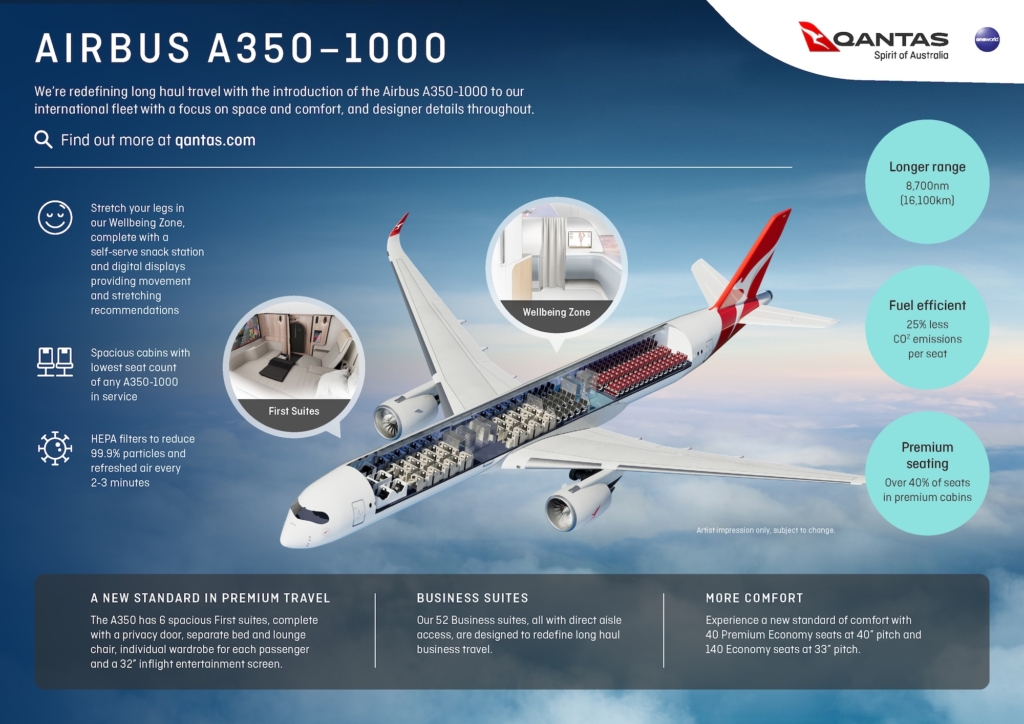
Rather than being an entirely new aircraft, the A350-1000ULR builds on an already efficient design with changes that allow it to fly farther while still carrying a commercially viable number of passengers.
It’s an incredible feature of engineering, with the addition of an extra 20,000-litre fuel tank capable of serving routes nearly 10,000 nautical miles (18,500 km) long.
On the launch of Project Sunrise, Qantas CEO Vanessa Hudson said: “Qantas was built on the belief that Australia’s distance from the rest of the world should never stand in the way. The pioneering spirit of generations of our people has forged that path ever since, and today is the most significant step in that mission in our 105-year history.”
Winds and payload can change everything
Even with the right aircraft, nature still has the final say. Winds at cruising altitude can make a huge difference to how much fuel an aircraft uses.
A strong tailwind can shorten a journey and reduce fuel burn, while headwinds can add time to the flight and force the aircraft to consume significantly more fuel.
When conditions are less than ideal, airlines sometimes have to make compromises. Freight is often the first thing to be left behind because reducing weight allows more fuel to be carried if necessary.
In rare cases, airlines may also limit passenger numbers on particularly demanding flights, although this is usually a last resort rather than something that happens regularly.
Why do aircraft always carry more fuel than they need?
One of the biggest misconceptions about long-haul flying is that aircraft land with almost empty fuel tanks. In fact, commercial aircraft are required to carry several layers of reserve fuel.
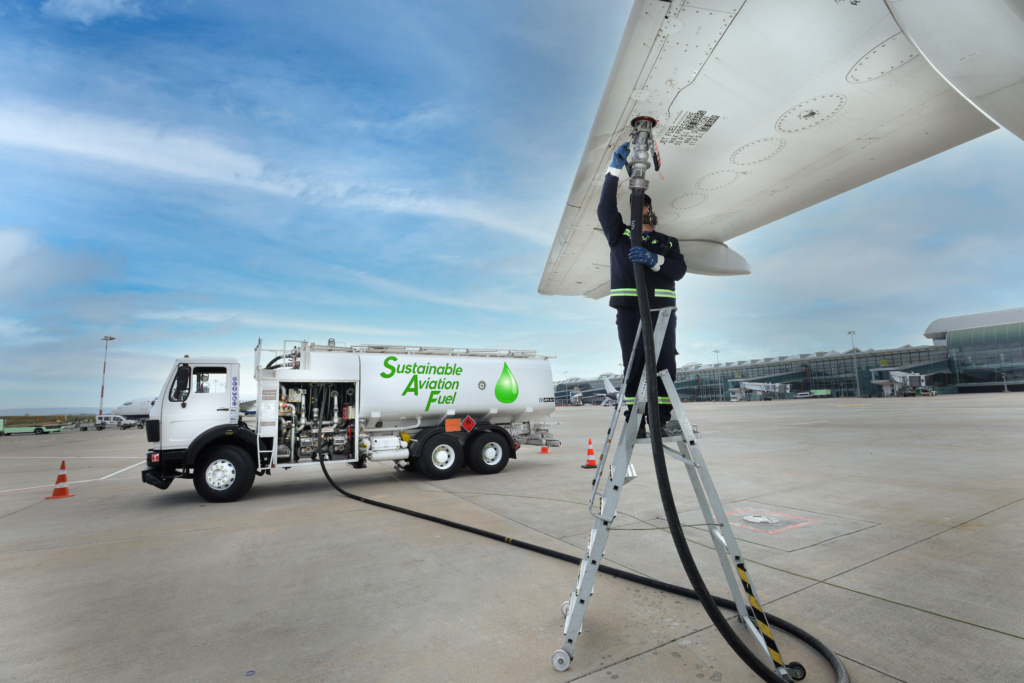
As well as the fuel needed for the planned journey, crews must have enough to cope with unexpected delays, divert to another airport if necessary and still land with a protected final reserve.
That means every ultra-long-haul flight begins with detailed calculations based on weather forecasts, expected air traffic delays and the weight of the aircraft itself. The fuel on board is there not only for the planned route but also for the unexpected.
The next generation of ultra-long-haul flights
Passenger aircraft will almost certainly fly even further in the decades to come, but there is unlikely to be a single breakthrough that suddenly changes everything.
Instead, longer flights will come from a steady stream of improvements, including more efficient engines, lighter materials and smarter flight planning.
The world’s longest routes are already showing what airliners can now achieve, but they also highlight how carefully every flight has to be planned.
Flying non-stop between cities on opposite sides of the world is about much more than simply carrying enough fuel. Every kilogram on board has to earn its place, pilots and flight planners have to work with the weather rather than against it, and airlines rely on aircraft specifically engineered to push the boundaries of commercial aviation, all without ever compromising safety.