


Embraer signals growing focus on next-generation aircraft studies

4 min read
Embraer may be quietly laying the groundwork for its next generation of commercial aircraft, as executives used the company’s first quarter 2026 earnings call to hint at deeper studies into future jet programmes and propulsion technologies.
While the Brazilian manufacturer stopped well short of announcing a new aircraft, several comments during the call suggested Embraer is increasingly focused on what executives described as a “new cycle of products”.
The remarks come as Airbus and Boeing remain heavily occupied with production constraints, certification challenges and ongoing supply chain pressures.
The company reiterated its 2026 guidance and reported a record order backlog of $32.1 billion in the quarter, up 22% year-on-year. Commercial Aviation backlog alone increased 50% year-on-year.
But beyond the quarterly numbers, executives repeatedly referenced future aircraft studies, supplier discussions and long-term technology investments.
Embraer studies aircraft, propulsion and technologies for the future
Notable in Embraer’s results was that investments in the quarter totalled $99 million, compared to just $8 million in the same quarter last year.
The company said the total included:
- $38 million in capital expenditure (capex),
- $36 million in tangible asset additions,
- $14 million invested in its pool programme,
- and $11 million directed toward research activities.
Pressed on what the investments included during the Q&A, Felipe Santana Santiago de Lima, Embraer’s CFO, noted investments directed towards its production in Melbourne, FL, and its MRO centre in Texas. Investment is also being made in OGMA to increase the production rate of the KC-390.

“We are also investing in new technologies,” added Francisco Gomes Neto, Embraer CEO, “to be prepared for a new cycle of products of Embraer in the future.”
Rumours of a new single aisle aircraft to compete with Airbus and Boeing have been rife over recent years, and seemingly a natural place for the successful Brazilian manufacturer to go. But its executive aviation segment is an incredibly high performer too.
“We are making studies for a new cycle of products for Embraer,” said Gomes Neto. “Either a commercial jet or a business jet.”
He added that Embraer is already engaging with suppliers to better understand future propulsion technologies.
“In that regard, we are talking to potential suppliers… to understand the new technology,” he said. Asked specifically whether the company was talking to Rolls-Royce as it takes on CFM and Pratt & Whitney in the narrowbody propulsion race, the CEO added, “We talked to all of them.”
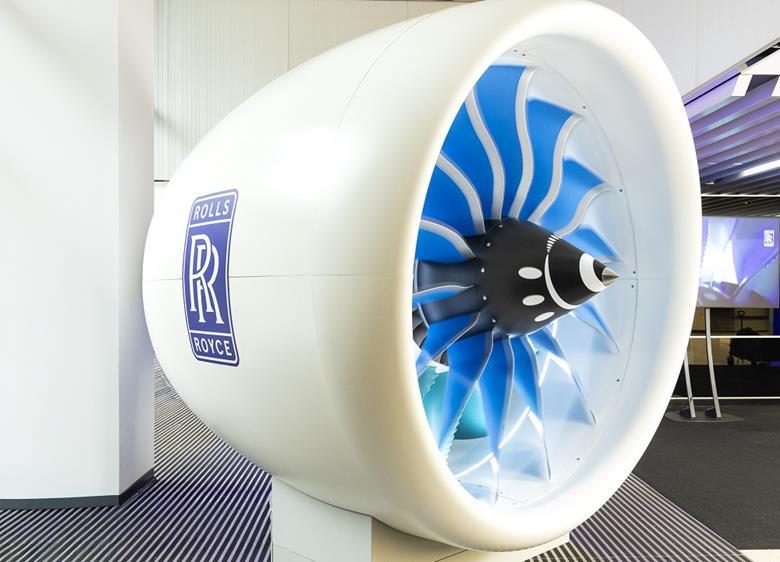
The timing is notable. Airbus and Boeing remain focused on stabilising existing programmes rather than launching all-new aircraft families, while engine manufacturers are increasingly studying propulsion systems aimed at the next generation of narrowbody aircraft.
At the same time, airlines are facing renewed pressure around fuel costs, fleet flexibility and route economics, trends that increasingly favour smaller, more efficient aircraft in the 100-150 seat segment.
Embraer is unshaken by A220 and 737 MAX 7 competition
Although any new narrowbody aircraft from Embraer may be some time away, its flagship E195-E2 is facing an increasingly crowded market.
AirAsia’s huge order for the Airbus A220 saw Embraer pitted head-to-head against the Canadian jet, with AirAsia president Tony Fernandes admitting it was a tough choice between the two. But Gomes Neto was pragmatic about the situation.
“It’s good to see another low-cost carrier in the region recognising the advantages of a small, narrowbody jet,” he said. “This is a trend that we expect to continue.”
On the other side, Boeing is preparing to bring its 737 MAX 7 into service, a 140-seat jet that competes much more closely with the E1`95-E2 than any Boeing product ever has. Again, Embraer takes a positive outlook on this development.
“We might have some competition in some campaigns,” admitted the CEO, “but we are very confident that the E2 is the best option for customers to complement larger, narrowbodies.”
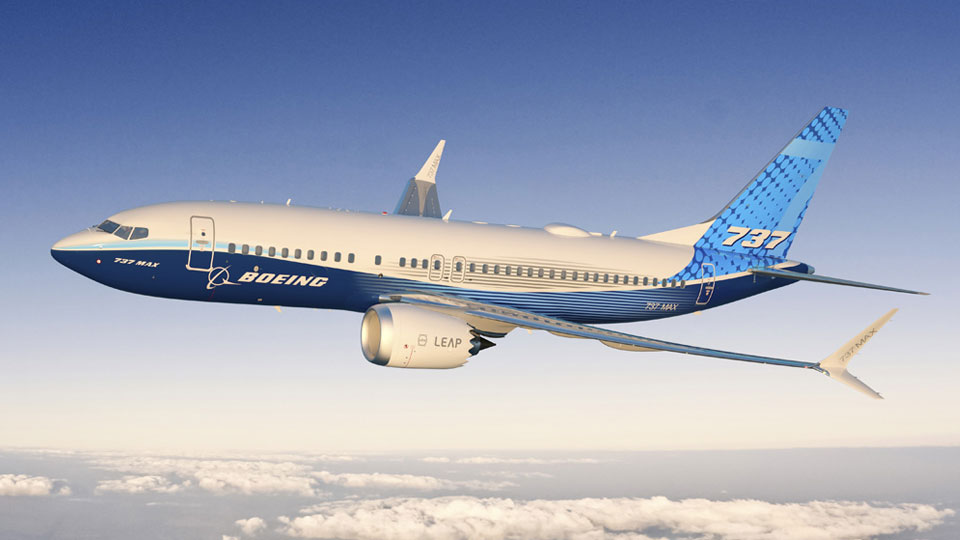
The CEO’s confidence is not misplaced. While the A220-300 generally wins on fuel burn per seat and range, the lighter E195-E2 comes out on top on trip cost, acquisition cost and thinner route economics.
The Boeing 737 MAX 7 does not slot into this competition well, despite its similar passenger capacity. Although it’s small, it’s still designed to run network routes and operate like a narrowbody rather than a regional jet. At a staggering 19 tonnes heavier than the largest E2, the MAX 7 is unlikely to shake Embraer’s confidence.
As the legacy manufacturer’s smallest jets come up against Brazil’s biggest, they’ll find new competition on their hands.
Featured image: Embraer


